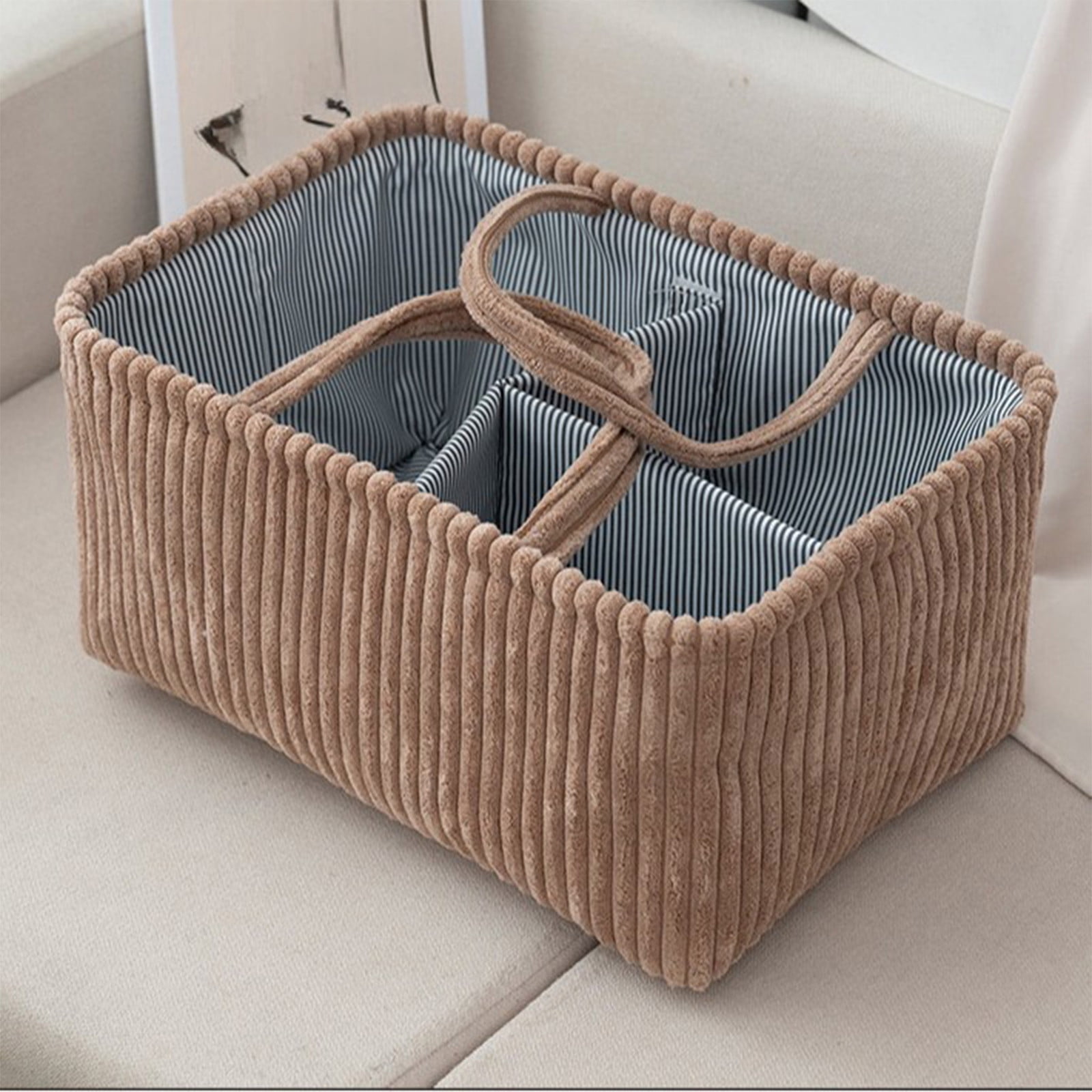
Proper adult diaper storage requires a balance of environmental control, discretion, and accessibility. To maintain product integrity, supplies must be kept in a cool, dry, and dark area away from direct sunlight and humidity. Utilizing breathable containers, designated shelving, and localized caddies ensures both sanitary protection and easy, dignified access.
Understanding the Importance of Proper Adult Diaper Storage
Incontinence products represent a significant investment in personal health, comfort, and daily well-being. Whether managing urinary or fecal incontinence, users and caregivers rely on these materials to perform consistently. However, improper storage can compromise the physical integrity of the products, rendering them less effective or completely unusable.
Adult briefs, pull-ups, and underpads are manufactured using specialized materials, including superabsorbent polymers (SAPs), wood fluff pulp, elastic leg gatherings, and breathable or plastic backing films. These components are sensitive to environmental hazards such as high humidity, excessive heat, and prolonged exposure to ultraviolet (UV) light. When stored incorrectly, elastic bands can degrade and lose their tension, leading to gaps and leaks. Furthermore, superabsorbent polymers can react prematurely if exposed to ambient moisture, diminishing their absorption capacity before use.
Beyond product performance, storage practices significantly impact user dignity, privacy, and hygiene. Because incontinence management can carry social stigma, maintaining a discreet storage system prevents embarrassment when visitors are present. At the same time, maintaining organized storage ensures that supplies are readily available during urgent situations, reducing caregiver stress and preventing frantic searching.
Environmental Factors: Protecting Material Integrity
The physical environment where incontinence supplies are kept dictates their shelf life and performance quality. Establishing optimal storage conditions requires controlling three primary environmental variables: moisture, temperature, and light.
Humidity and Moisture Control
Bathrooms are often the most intuitive location for storing personal hygiene products, yet they represent one of the worst environments for adult diapers. Showers, baths, and sinks generate high levels of humidity. Because incontinence products are designed to absorb moisture, they act as sponges in damp environments, pulling ambient water vapor from the air. This pre-saturates the core materials, clumps the superabsorbent polymers, and creates an ideal breeding ground for mold, mildew, and bacteria. Supplies should always be kept in dry living spaces, closets, or dedicated cabinets outside of humid bathroom zones.
Temperature Fluctuations
Extreme heat can severely damage the adhesive tabs and elastic components of disposable briefs. Attics, garages, and areas directly adjacent to heating vents experience wide temperature swings that can melt adhesives or cause elastic polymers to snap and lose elasticity. A stable room temperature, ideally between 60°F and 75°F (15°C to 24°C), preserves the mechanical strength of the product features.
Light Exposure
Prolonged exposure to direct sunlight or harsh fluorescent lighting can degrade plastic backing materials and weaken elastic threads through UV radiation. Clear storage bins placed near windows or uncovered shelves in sunlit rooms will eventually discolor and weaken the product packaging and inner structures. Opaque bins, closed cabinets, and interior closet shelves provide essential protection against photo-degradation.
Container Types and Organization Strategies
Selecting the right storage containers and organizational layout streamlines daily routines and protects the merchandise. The ideal storage setup separates bulk reserve stock from daily-use supplies.
| Storage Level | Recommended Containers & Locations |
|---|---|
| Bulk Reserve(Long-term / Closet) | - Opaque plastic bins with latching lids- Original cardboard cartons elevated off floors |
| Daily Access(Bedroom / Bathroom) | - Fabric baskets with open tops- Woven hampers with washable cotton liners |
| Portable / Travel(Handbags / Wheelchairs) | - Water-resistant zippered pouches- Compact nylon medical organizers |
Managing Bulk Reserves vs. Active Supply
For cost-efficiency and convenience, many users purchase adult diapers in bulk cases or monthly subscriptions. Attempting to keep a month's worth of bulky packaging in a primary bathroom or bedroom is impractical.
- The Reserve Stock: Keep unopened cases in a dry hallway closet, guest bedroom wardrobe, or designated storage room. Ensure cardboard boxes are elevated a few inches off concrete floors—such as in a finished basement—using pallets or shelving units to protect against potential dampness or minor flooding.
- The Active Stock: Transfer a one-to-two-week supply from the bulk boxes to your primary living area or bathroom cabinet. This keeps the bulk out of the way while ensuring you never run short unexpectedly.
Choosing Appropriate Container Materials
The choice of container impacts both product longevity and room aesthetics:
- Breathable Fabric Bins: Canvas, fabric-lined wicker baskets, and cloth hampers allow air circulation while hiding contents from plain sight. These work exceptionally well for daily-use items kept in a bedroom.
- Plastic Totes with Latching Lids: Airtight or moisture-resistant plastic storage boxes are excellent for long-term bulk storage in environments prone to dust or occasional humidity spikes. However, ensure the products are completely dry before sealing them inside airtight containers to prevent trapped condensation.
- Avoid Unlined Wood Containers: Raw wood can leach natural acids or splinter, potentially snagging delicate product backings. If using wooden shelving or crates, line them with smooth contact paper or fabric.
Maximizing Discretion and Aesthetic Integration
Maintaining privacy regarding medical needs is a high priority for many adults and caregivers. Integrating storage seamlessly into home decor minimizes visibility while keeping items accessible.
Camouflaging in Living Spaces and Bedrooms
Discretion does not require hiding items away in inconvenient locations. By using decorative storage furniture, incontinence supplies can remain close at hand without drawing unwanted attention:
- Storage Benches: Placing a padded storage bench at the foot of a bed provides a comfortable seating surface while concealing several packs of adult diapers inside the cavity.
- Decorative Cabinets and Credenzas: Low-profile sideboards or accent cabinets in bedrooms or living rooms blend with standard home furnishings while offering deep shelving dedicated to personal care supplies.
- Over-the-Toilet Cabinets (with Caution): While convenient for space-saving, ensure the bathroom is adequately ventilated with an exhaust fan to mitigate humidity concerns before storing absorbent materials here.
Caregiver Considerations in Shared Homes
When multiple family members or professional home health aides share a living space, clear labeling and structured organization prevent confusion. If managing supplies for an aging parent or a family member with cognitive decline, designate a single, consistent location for all incontinence products, wipes, and disposal bags. Clear communication regarding inventory levels ensures that reordering happens before supplies run dangerously low.
Special Storage Scenarios: Travel, Mobility, and Small Spaces
Different living arrangements and active lifestyles require adaptable storage approaches. Tailoring your method to your environment prevents product damage while away from home.
Storing Supplies in Small Apartments or Tiny Homes
When square footage is limited, vertical space becomes a valuable asset. Utilizing tall, narrow shelving units or over-the-door hanging organizers maximizes storage without cluttering floor space. Vacuum-sealed storage bags are sometimes considered for space compression, but they are not recommended for adult diapers. Vacuum compression permanently deforms the fluff pulp core and crushes the superabsorbent polymers, ruining the product's ability to absorb fluids effectively upon release. Instead, stack packages neatly or use under-bed storage containers with low vertical profiles.
Travel and Mobility Storage
Maintaining discretion while traveling requires specialized packing strategies:
- Water-Resistant Pouches: Pack daily supplies in moisture-resistant nylon or TPU-lined pouches to protect them from liquid spills inside luggage or wheelchairs.
- Discreet Day-Bags: Carry a small, dedicated tote or backpack for outings. Include a few changes of products, disposable sanitary wipes, and small opaque disposal bags.
- Vehicle Storage Warnings: Avoid leaving adult diapers in the trunk of a car for extended periods. Vehicles experience extreme temperature fluctuations—baking in summer heat and freezing in winter—which rapidly degrades adhesive tabs, elastic bands, and polymer performance.
Hygiene, Maintenance, and Disposal Considerations
Storage extends beyond keeping unused products safe; it also encompasses the management of auxiliary items and the sanitary disposal of used materials.
Storing Auxiliary Supplies
Adult incontinence management typically involves more than just the primary diaper or pad. Keeping supporting items organized alongside your main stock streamlines the routine:
- Wipes and Cleansers: Store pH-balanced skin cleansers, barrier creams, and wet wipes in a dedicated caddy near the changing area. Keep creams sealed tightly to prevent separation.
- Disposable Bags: Keep scented or odor-blocking disposal bags clipped to or stored inside the primary diaper container for quick access during changes.
- Underpads (Chux): Store waterproof bed pads flat to prevent creasing. Folding them tightly for long periods can create permanent creases that compromise waterproof backings.
Rotating Inventory (First-In, First-Out)
To prevent older stock from sitting indefinitely and degrading, practice the First-In, First-Out (FIFO) inventory method. When adding newly purchased packs to your active storage area, place them behind or underneath the older packs. Always use the older inventory first to ensure that adhesives, plastics, and elastic components do not sit past their prime functional window.
Summary Checklist for Effective Storage
To ensure your adult diaper storage system meets all practical, sanitary, and aesthetic standards, review the following guidelines:
- Location: Keep supplies in dry, climate-controlled living areas or closets—never in damp bathrooms, unheated garages, or hot attics.
- Elevation: Store bulk cases elevated a few inches off basement or storage room floors.
- Containers: Use breathable fabric baskets for daily access and opaque, sturdy plastic bins for long-term bulk storage.
- Protection: Shield products from direct sunlight, fluorescent glare, and high humidity.
- Integrity: Avoid vacuum-compression bags that crush absorbent core materials.
- Rotation: Practice First-In, First-Out inventory rotation to maintain product freshness and elasticity.
Frequently Asked Questions
Do adult diapers expire or go bad in storage?
Adult diapers do not feature a strict food-style expiration date, but they do have a functional shelf life. Over time—typically 2 to 3 years—the elastic leg cuffs can dry out and lose tension, adhesive tabs can lose their stickiness, and plastic backings can become brittle, especially if exposed to poor environmental conditions. Proper storage in a cool, dry place maximizes their usable lifespan.
Can I store adult diapers in the bathroom?
It is strongly discouraged to store bulk adult diapers in a bathroom due to high humidity levels generated by showers and baths. Absorbent materials pull moisture from the air, which can clump the internal polymers and encourage mold growth. If you must keep a day's supply in the bathroom, ensure it is kept in a sealed cabinet and that the room features an active exhaust fan.
Is it safe to use vacuum-storage bags to save space?
No, vacuum-sealing adult diapers is not recommended. Compressing the products forces the wood fluff pulp and superabsorbent polymer core into a rigid, compacted state that ruins its structural integrity. Once compressed, the material will not expand back to its original fluffiness or absorb fluids correctly.
How many adult diapers should I keep in my active daily supply?
A practical rule of thumb is to keep a 7-to-14-day active supply in your primary living area or bedroom container. This provides enough inventory for daily use and minor schedule disruptions while leaving the bulk case safely stored in a closet until needed.
What is the best way to dispose of used adult diapers hygienically?
Used products should be rolled tightly from the front to the back, secured using the side tabs, and placed inside a dedicated odor-blocking disposal bag or scented diaper disposal sack. Tie the bag securely and discard it in an outdoor trash receptacle or a specialized odor-sealing diaper pail.