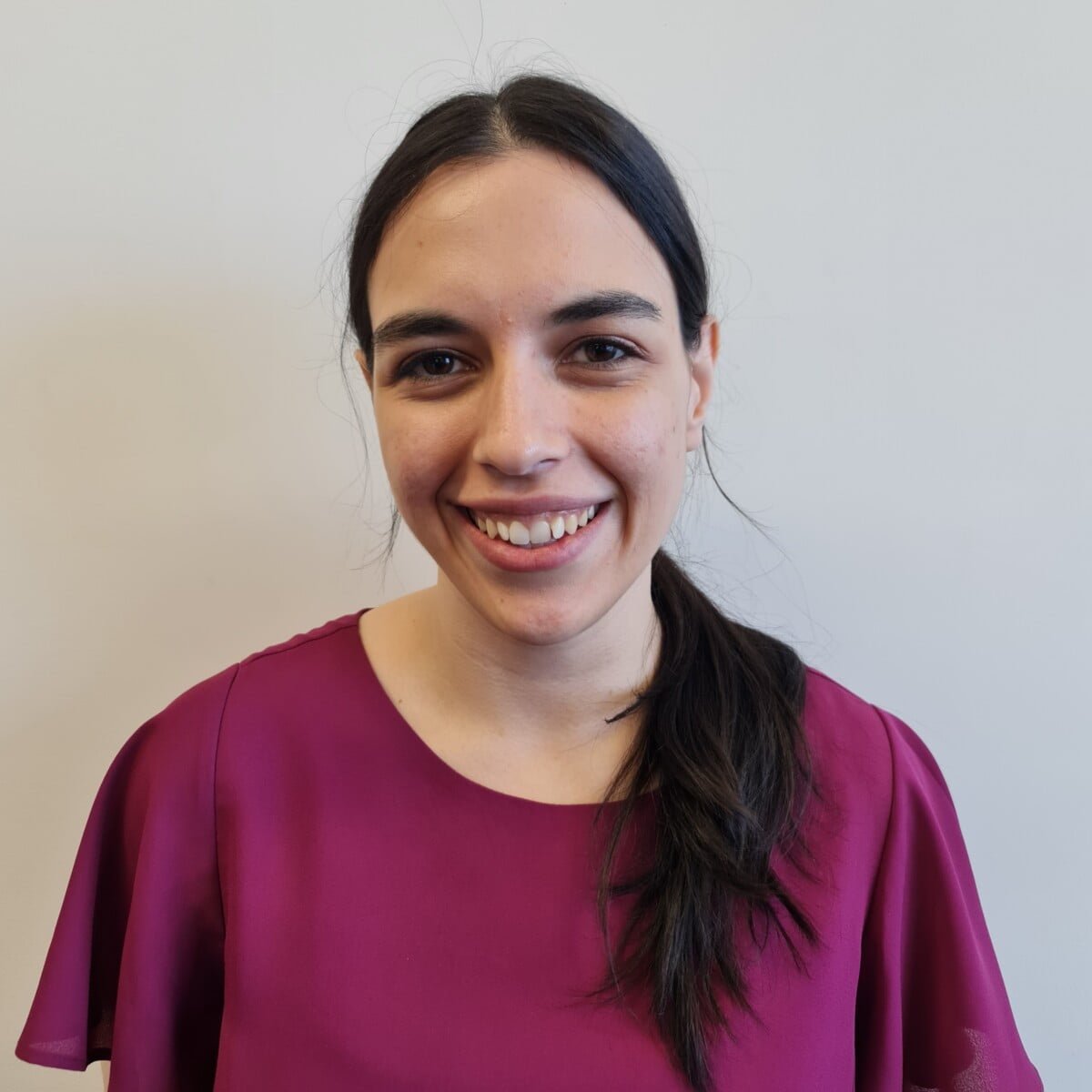
Adrienne Quintal was a 47-year-old Michigan resident who vanished under mysterious circumstances from her family's Honor, Michigan cabin on December 30, 2019. Following an extensive nine-month multi-agency search, searchers discovered her remains in a nearby marsh. Autopsy findings confirmed her death was an accidental overdose resulting from methamphetamine toxicity and environmental hypothermia.
Background and Chronology of Events
Adrienne Quintal, a resident of Southfield, Michigan, traveled north to Benzie County in late December 2019. She was staying at her family's rural cabin on East Deadstream Road in Honor, Michigan—a secluded area situated near dense woods and marshland in the northern Lower Peninsula.
On the night of December 29 and into the early morning hours of December 30, 2019, Quintal was alone at the property. At approximately 2:34 a.m. on December 30, Quintal placed an urgent telephone call to a friend in Warren, Michigan. During this call, she expressed extreme distress, claiming that she was involved in a shootout with two men outside the cabin. She reported that she had shot one of the men in the face and was actively exchanging gunfire.
The friend immediately dialed emergency services, prompting a priority dispatch from local law enforcement. Officers from the Benzie County Sheriff's Office and the Michigan State Police arrived at the East Deadstream Road cabin within 15 minutes of the emergency broadcast.
Upon arrival, officers established a perimeter and attempted to contact anyone inside. Finding no response, officers breached the cabin to secure the premises and search for victims or suspects.
Timeline of Events (2019–2020):
- Dec 29, 2019: Adrienne Quintal arrives at the family cabin in Honor, MI.
- Dec 30, 2019:
- 2:34 AM: Distress call made to a friend reporting an intruder shootout.
- 2:50 AM: Law enforcement arrives; cabin is found empty with evidence of gunfire.
- Jan–Aug 2020: Multi-agency searches, grid sweeps, and K-9 deployments yield no trace.
- Sept 19, 2020: Search teams locate Quintal's remains in a flooded swamp 500 yards away.
- Late 2020: WMU Medical Examiner confirms cause of death: Accidental drug toxicity & hypothermia.
Initial Crime Scene Analysis and Ballistics Evidence
The initial walkthrough of the cabin presented forensic investigators with a complex, highly unusual scene. Physical evidence demonstrated that multiple rounds had been discharged inside the home, but key elements of a typical violent confrontation were noticeably absent.
Interior Findings and Ballistics
Investigators identified bullet holes in the cabin's walls and windows. Ballistics experts evaluated the trajectory of the strikes and determined that all recovered projectiles and spent shell casings originated from inside the cabin and traveled outward.
A 9mm handgun belonging to Quintal was recovered at the scene. Investigators confirmed that the spent 9mm shell casings found on the cabin floor matched the firearm. There was no physical evidence—such as non-matching shell casings, exterior impact marks, or damage to outer structures—indicating that anyone outside had fired weapons toward or into the cabin.
Cabin Interior:
- Physical Evidence
- 9mm shell casings on floor
- Projectile trajectories outward
- Abandoned boots, phone, & purse
- Unlocked doors & open windows
- Absent Evidence
- No external bullet entry marks
- No non-matching shell casings
- No blood or biological trace
- No footprints of external intruders
Personal Property and Physical Traces
Investigators discovered critical personal items left behind in the cabin, indicating a sudden and panicked departure:
- Footwear: Quintal's winter boots and shoes were left inside the cabin, indicating she left the structure barefoot or wearing only socks in sub-freezing winter weather.
- Communication Equipment: Her cellular phone was found on the kitchen table, ruling out the possibility that she retained her primary means of communication after leaving the cabin.
- Personal Identification and Belongings: Her purse, keys, identification, and financial cards remained inside the residence.
- Biological Evidence: Detailed forensic analysis of the cabin interior, entryways, and immediate exterior perimeters revealed no blood, bodily fluids, or signs of physical struggle.
Search teams examined the surrounding ground, which was covered in patches of snow and mud. Law enforcement officers noted an absence of clear footprint trails leading away from the home, largely due to the frozen, mixed terrain of the Deadstream swamp area.
The Nine-Month Search Operation
The search for Adrienne Quintal developed into one of the most extensive search-and-rescue operations in the recent history of Benzie County. The effort involved local, state, and federal assets alongside private search organizations and volunteer groups.
Search & Recovery Operations Structure:
- Phase 1: Emergency Response (Dec 2019 - Jan 2020)
- K-9 units and thermal imaging drones
- Immediate perimeter grid search (1-mile radius)
- Phase 2: Extended Regional Search (Feb 2020 - Aug 2020)
- Michigan State Police Dive Team wetland sweeps
- Volunteer search drives coordinated by family
- Phase 3: Targeted Wetland Recovery (Sept 2020)
- Specialized deep-water and marsh search operations
- Recovery of remains 500 yards from cabin
Tactical Challenges of the Local Terrain
The area surrounding East Deadstream Road presents extreme geographical hurdles for search operations. The terrain consists of:
- Dense Cedar Swamps: Thick canopy cover and tightly packed vegetation restricted visibility to a few feet in many areas.
- Standing and Muddy Water: The Deadstream basin features unpredictable water depths, submerged root systems, deep mud pockets, and floating vegetation mats.
- Severe Winter Conditions: Sub-freezing temperatures, ice formation over standing water, and recurring snowfall hindered ground-penetrating efforts and K-9 scent tracking during the initial months of 2019 and early 2020.
Agency Involvement and Technological Deployment
The Benzie County Sheriff's Office led the primary investigation with direct assistance from the Michigan State Police (MSP) and federal partners. Tactical assets deployed during the nine-month effort included:
- K-9 Search Teams: Specialized human-remains detection dogs and air-scent tracking dogs searched grid sectors extending out from the cabin.
- Unmanned Aerial Vehicles (Drones): Thermal imaging and high-resolution aerial mapping drones surveyed impenetrable marsh sectors during winter and spring.
- Dive and Wetland Units: MSP dive teams swept open water segments of the Deadstream river system and adjacent floodplains.
- Private Search Organizations: Private investigative teams and specialized volunteer search operations—frequently coordinated by Quintal's family, including her son Nick White—conducted ground sweeps.
Despite continuous grid searches covering hundreds of acres surrounding the cabin, the heavy vegetation and submerged wetland environment delayed the recovery of physical evidence throughout the winter, spring, and summer months of 2020.
Discovery of Remains and Forensic Examination
On September 19, 2020—nearly nine months after her disappearance—a specialized search team organized by the family located human remains in a densely wooded swamp approximately 500 yards away from the East Deadstream Road cabin.
Recovery & Forensic Path Analysis:
- Location: Submerged in standing water/mud under thick brush (~500 yards away)
- Recovery Team: Specialized family-organized search team & local authorities
- Forensic Body: Western Michigan University Homer Stryker M.D. School of Medicine
- Primary Findings: High methamphetamine concentration; no trauma or bullet wounds
- Final Finding: Accidental death: Methamphetamine toxicity & environmental exposure
Recovery Operations
The remains were found partially submerged in standing water, deep mud, and thick brush. The location was within the original search perimeter but had been heavily obscured by high water levels, floating debris, and dense summer foliage. Upon verification of the discovery, the Benzie County Sheriff's Office and state forensic crime scene units secured the site and systematically recovered the remains for analytical transfer.
Forensic Autopsy and Toxicological Findings
The medical examiner's office at the Western Michigan University Homer Stryker M.D. School of Medicine conducted a comprehensive forensic autopsy to determine the cause and manner of death.
The physical examination of the skeletal and soft tissue structures produced several key determinations:
- Absence of Physical Trauma: The medical examiner found no evidence of gunshot wounds, sharp-force trauma, blunt-force impacts, or defensive injuries. This definitively disproved the hypothesis that Quintal had been shot or physically assaulted by outside attackers.
- Toxicology Analysis: Quantitative chemical analysis revealed high concentrations of methamphetamine and its primary metabolite, amphetamine, in her system, alongside therapeutic levels of prescription medications.
- Environmental Exposure: Physical indicators gathered from the scene and post-mortem state aligned with prolonged exposure to extreme low temperatures (hypothermia).
Official Cause and Manner of Death
The official ruling from the medical examiner concluded that Adrienne Quintal died from an accidental drug overdose, caused by toxic levels of methamphetamine in combination with environmental hypothermia. The manner of death was formally classified as accidental.
Medical experts and law enforcement investigators concluded that the elevated concentrations of methamphetamine in Quintal's system induced acute drug-induced psychosis and severe paranoia. This psychological state caused her to hallucinate an active intruder attack and exchange non-existent gunfire. Acting under these severe delusions, she fled the cabin barefoot into the dark, freezing swamp, where she subsequently succumbed to the elements and severe chemical toxicity.
Technical Summary of the Quintal Case
The following matrix synthesizes the critical parameters, physical findings, and legal determinations of the investigation:
| Investigative Parameter | Detail / Verified Fact |
|---|---|
| Subject | Adrienne Quintal (Age 47) |
| Incident Date | December 30, 2019 |
| Location of Incident | Family cabin, East Deadstream Road, Honor, Benzie County, MI |
| Date of Discovery | September 19, 2020 |
| Distance from Cabin | Approximately 500 yards in dense marshland |
| Primary Physical Evidence | 9mm handgun, interior shell casings, outward bullet holes, abandoned shoes/phone |
| Investigating Agencies | Benzie County Sheriff's Office, Michigan State Police, WMU Pathology |
| Autopsy Determination | Accidental drug overdose (Methamphetamine toxicity) & environmental hypothermia |
| Manner of Death | Accidental (No foul play or external trauma confirmed) |
Forensic and Investigative Takeaways
The case of Adrienne Quintal presents several critical insights for forensic science, missing person investigations, and emergency response protocols.
Investigative Reality Check:
- Drug-Induced Psychosis
- Acute paranoia & terror
- Hallucinatory threats
- Disorientation & flight
- Hazardous Wetland Search
- Dense brush masks remains
- Standing water hides trace
- Requires multi-pass sweeps
1. Differentiating Substance-Induced Crises from Violent Crime
When emergency dispatchers receive calls describing active violent conflicts, responding units must initially prepare for active-shooter scenarios. However, forensic analysis of scenes where physical evidence contradicts reports—such as exclusively outward shell trajectories and missing external indicators—requires investigators to evaluate acute behavioral health or chemical crises.
Methamphetamine toxicity can trigger profound persecutory delusions, auditory and visual hallucinations, and extreme physiological distress. In cases involving drug-induced psychosis:
- Victims genuinely perceive an immediate, life-threatening danger.
- Behavioral responses (such as discharging weapons or fleeing without protective clothing into hazardous weather) directly follow delusional perceptions rather than objective reality.
2. Search and Recovery Limitations in Saturated Topography
The nine-month duration between Quintal's disappearance and her discovery underscores the extreme difficulty of search operations in wetland topography. Even within a 500-yard radius of a known starting point, standing water, submerged root channels, and thick seasonal foliage can obscure human remains from air-scent K-9s, thermal imaging, and visual search lines. Specialized wetland recovery often requires repeated, multi-season sweeps as water levels change and vegetation declines.
Frequently Asked Questions
What happened to Adrienne Quintal?
Adrienne Quintal vanished from her family's cabin in Honor, Michigan, on December 30, 2019, after calling a friend to report a fictional shootout. After a nine-month search, her remains were found in a nearby swamp on September 19, 2020. An autopsy determined her death was an accidental overdose caused by methamphetamine toxicity and environmental hypothermia.
Was there evidence of an actual intruder or shootout at the cabin?
No. Forensic ballistics showed that all shell casings and bullet holes found at the scene came from inside the cabin and traveled outward, matching Quintal's personal 9mm handgun. Investigators found no exterior bullet impacts, non-matching shell casings, blood, or secondary footprints indicating the presence of intruders.
Why did Adrienne Quintal believe she was being attacked?
Toxicology reports revealed high levels of methamphetamine in Quintal's system. High concentrations of methamphetamine can induce acute drug psychosis, causing extreme paranoia and realistic auditory and visual hallucinations. This caused her to believe she was under attack by intruders, leading her to fire her handgun outward and flee into the swamp barefoot.
How far from the cabin was Adrienne Quintal found?
Her remains were located approximately 500 yards away from the cabin in a densely wooded, flooded swamp area along the Deadstream basin.
Was foul play ever suspected or charged in this case?
While law enforcement initially investigated all possibilities—including foul play and abduction—the complete forensic autopsy and scene analysis ruled out external violence. There were no bullet wounds, physical trauma, or signs of assault, and no criminal charges were brought against any outside individuals.
Recommended Next Steps and Resources
For law enforcement professionals, search-and-rescue teams, and families navigating missing person cases or acute mental health crises, the following resources provide guidance and protocol standards:
- Substance Abuse and Mental Health Services Administration (SAMHSA): Access 24/7 crisis support and guidance on managing substance-induced psychosis and emergency intervention services via the SAMHSA National Helpline (1-800-662-4357).
- National Missing and Unidentified Persons System (NamUs): Utilize official federal clearinghouses for reporting missing individuals and managing forensic comparisons for unresolved disappearances.
- National Suicide and Crisis Lifeline: For immediate behavioral health assistance or severe psychological distress, contact 988 to reach trained crisis counselors.