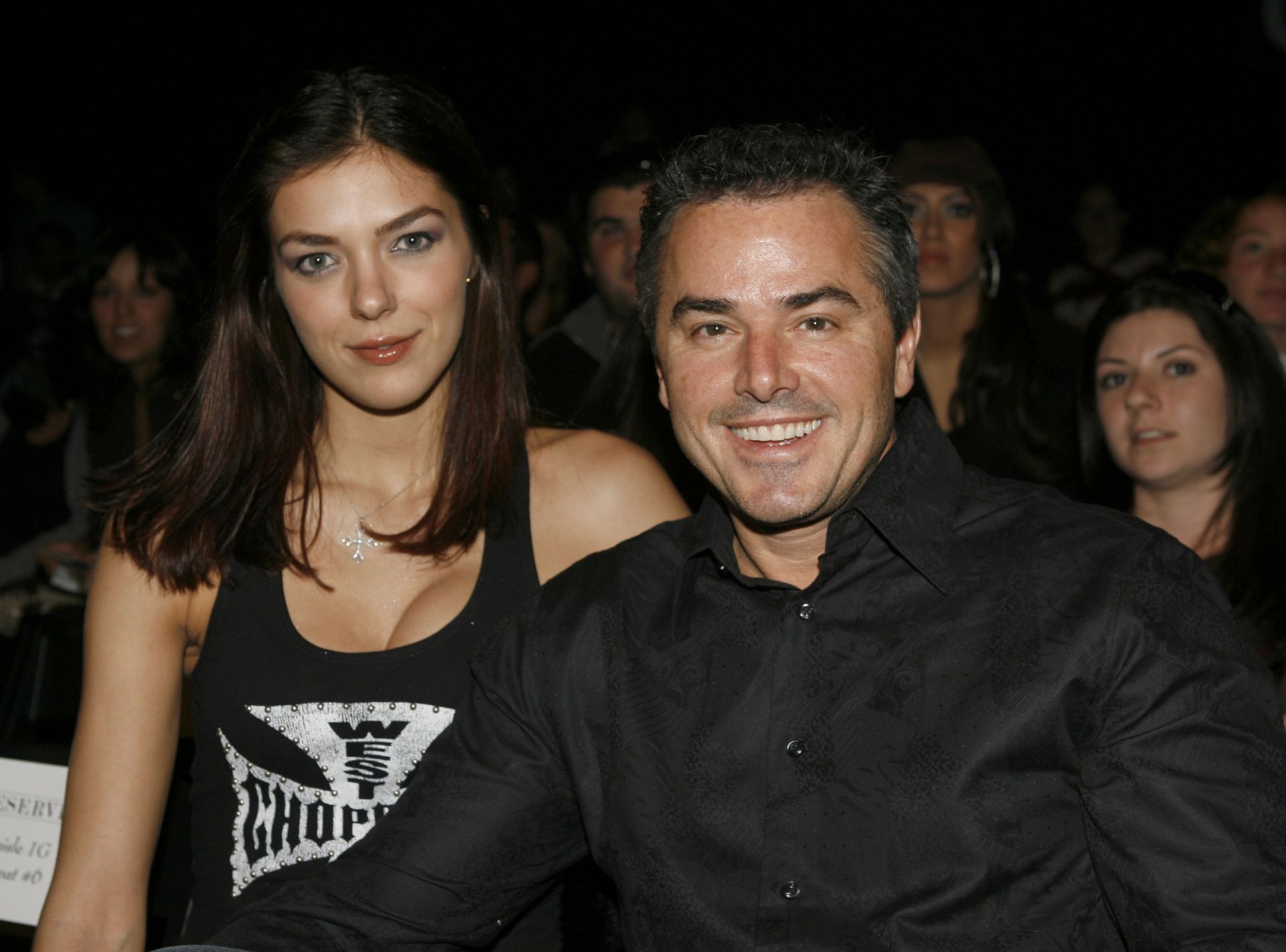
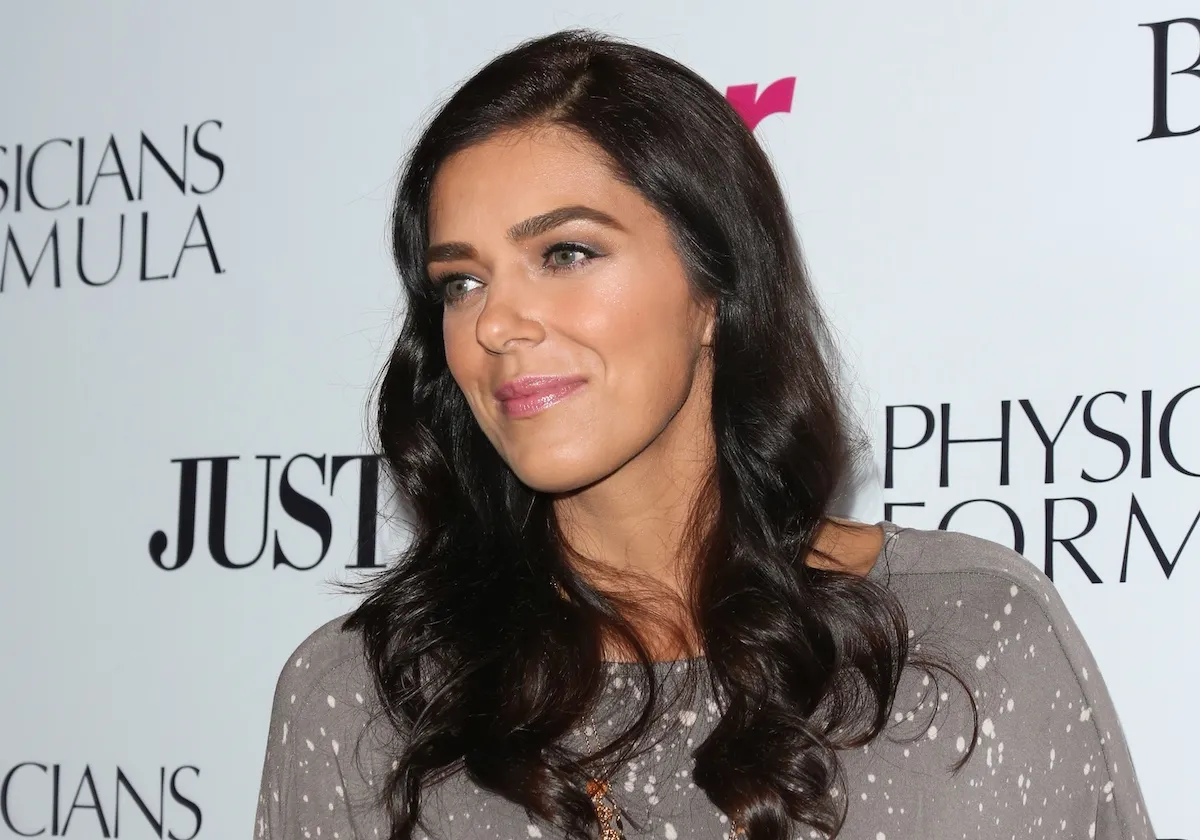
Adrianne Curry fundamentally altered the trajectory of American modeling by bridging the gap between traditional fashion and reality television. As the inaugural winner of America’s Next Top Model in 2003, she navigated a unique path through high-fashion contracts, commercial branding, and eventual industry criticism, setting the blueprint for the modern influencer-model.
The Genesis of a New Era: Adrianne Curry and ANTM Cycle 1
In 2003, the American modeling landscape was undergoing a significant shift. The "Supermodel" era of the 1990s had faded, replaced by a preference for more anonymous, ethereal looks. Into this environment stepped Adrianne Curry, a 20-year-old from Joliet, Illinois, who would become the face of a media revolution. Her participation in the first cycle of America’s Next Top Model (ANTM) was not merely a career move; it was a test case for whether a television audience could "create" a professional model.
Curry’s presence on the show was defined by her "edgy" look and outspoken personality. At the time, the modeling industry favored a specific type of discipline and silence from its talent. Curry broke this mold, offering viewers a transparent look at the grueling nature of the business—from the physical demands of long shoots to the psychological pressure of constant critique by industry titans like Tyra Banks and Janice Dickinson. Her victory established a precedent: the American public now had a vested interest in the "making" of a model, a shift that would eventually lead to the social media-driven casting of the 2010s and 2020s.
The Professional Transition: From Television to the Runway
Winning ANTM promised a suite of prizes intended to launch a top-tier career: a contract with Wilhelmina Models, a photo spread in Marie Claire, and a contract with Revlon cosmetics. However, the transition from reality star to working model proved complex. In the early 2000s, the "reality TV" label carried a significant stigma within the insular world of high fashion.
The Wilhelmina Experience
While signed with Wilhelmina, Curry worked steadily, but the "high fashion" (haute couture) world remained somewhat elusive. This was a technical hurdle common to many early reality winners; their "brand" was already too established for designers who preferred models to be a "blank canvas." Despite this, Curry successfully navigated several major markets. She appeared in numerous magazines beyond her prize spread, including Maxim, Stuff, and People.
Commercial and Editorial Success
Curry’s success in American modeling was most visible in the commercial and editorial sectors. She had a natural aptitude for the camera that translated well to "lads' mags" and fitness publications, which were booming in the mid-2000s. This period of her career highlighted the divergence between the "runway model" and the "media personality model." While she walked in various Fashion Week shows (including designers like Jamie Pressly and Pamela Anderson’s lines), her greatest equity was her name recognition.
The Mechanics of the "Top Model" Contract
Understanding Adrianne Curry’s place in modeling requires a look at the technicalities of her post-show requirements. The prizes awarded in the first cycle of ANTM were foundational but lacked the sophisticated infrastructure of later seasons.
| Prize Component | Promised Entity | Outcome/Impact |
|---|---|---|
| Agency Contract | Wilhelmina Models | Launched her professional career; faced industry stigma. |
| Magazine Spread | Marie Claire | Provided high-level editorial exposure. |
| Cosmetic Contract | Revlon | Established her as a commercial face in the U.S. market. |
| Cultural Impact | UPN (Network) | Made her the first "household name" model created by TV. |
Curry has been vocal in subsequent years about the "pioneer's tax" she paid. As the first winner, the legal and professional pathways were not yet optimized. She often discussed the difficulty of receiving the full extent of her prizes, a topic that would later make her a central figure in the conversation about the ethics of reality television contracts and the protection of young talent in the modeling industry.
Disruption of the Fashion Hierarchy
Before Adrianne Curry, the hierarchy of American modeling was strictly controlled by a handful of agencies and editors. A model was "discovered" in a mall or on the street, then meticulously groomed in private. Curry disrupted this by being discovered by the public.
This shift had several long-term effects on the industry:
- Democratization of Discovery: The idea that a girl from a small town could win a national competition changed the aspirations of an entire generation.
- Personality-Driven Branding: Curry proved that a model’s personality could be a marketable asset, pre-dating the era where Instagram followers became a requirement for casting.
- The Rise of the "Celebutante" Model: Her move from modeling into broader entertainment (like The Surreal Life) paved the way for models to become multi-hyphenate celebrities.
The Turning Point: Walking Away from the Industry
By the late 2000s and early 2010s, Adrianne Curry began a notable departure from the traditional modeling world. Her career evolved into that of a "geek icon" and reality TV veteran. She became a fixture at conventions like San Diego Comic-Con, often blending her modeling skills with high-end cosplay. This was a strategic pivot that allowed her to maintain a lucrative career without the restrictive body standards and ageism prevalent in traditional American modeling.
Her eventual move to Montana and her transition into direct sales (notably with Avon) and social media commentary marked the final chapter of her "model" identity. In the context of 2026, Curry is often viewed as a "survivor" of the mid-2000s media machine. She has used her platform to provide a "behind-the-curtain" look at the modeling industry, often criticizing the very show that made her famous. Her transparency regarding the financial and psychological toll of the industry has provided invaluable insight for aspiring models.
Challenges and Advocacy in the Modeling World
One of Curry's most significant contributions to the discourse around American modeling is her candidness regarding "the business." She has frequently addressed the following issues:
Financial Transparency
Curry was one of the first major models to speak openly about the disparity between "fame" and "fortune." She detailed the costs associated with modeling—agency fees, travel, test shoots—that often leave young models in debt despite appearing in major publications.
Body Image and Aging
In an industry that historically discarded women after their mid-20s, Curry’s evolution was significant. She spoke out against the pressure to maintain unhealthy weights and the "expiration date" placed on female models. By moving into different sectors of the entertainment industry, she demonstrated that a career could be sustained beyond the runway.
The Impact of Reality TV Stigma
Curry’s career is a case study in the "double-edged sword" of reality fame. While ANTM gave her a platform, it also made her "too famous" for certain high-fashion houses that valued exclusivity. This tension defined much of her professional life in the 2000s and helped later ANTM contestants understand the need to manage their public personas more carefully.
Comparative Analysis: Then and Now
As we look at the state of American modeling in 2026, the influence of the "Curry Era" is evident. Today, the "influencer-model" is the standard, not the exception. The barriers between television, social media, and the runway have largely collapsed.
- 2003 (Curry's Start): Models were expected to be seen and not heard. Reality TV was a "low-brow" entry point.
- 2026 (Current Perspective): Personal branding is mandatory. Models are expected to have a "voice" and a digital presence, a path Curry inadvertently pioneered.
Practical Advice for Navigating the Modern Modeling Industry
For those looking at Adrianne Curry’s career as a roadmap, several key lessons emerge. The industry has changed, but the fundamental mechanics Curry navigated remain relevant.
- Diversify Revenue Streams: Just as Curry moved from modeling to TV to digital sales, modern models must look beyond the paycheck of a single shoot.
- Understand Your Contracts: The early issues Curry faced with prize fulfillment highlight the necessity of having independent legal counsel when signing with agencies or production companies.
- Build an Independent Audience: Curry’s longevity is due to her fans, not just her agency. In today’s market, a model’s "owned" audience (social media, newsletters) is their greatest leverage.
- Prioritize Mental Health: The transparency Curry provided regarding the pressures of the industry serves as a reminder to set boundaries early in a career.
FAQs
What was Adrianne Curry's biggest impact on modeling?
Adrianne Curry was the first model to successfully use reality television as a launchpad in the United States. She proved that there was a massive public appetite for the "behind-the-scenes" reality of the fashion world, which ultimately led to the democratization of the industry and the rise of the influencer-model.
Did Adrianne Curry actually receive her ANTM prizes?
Curry has stated in multiple interviews over the years that there were significant delays and issues with the prizes from Cycle 1, particularly regarding the Revlon contract. This sparked a long-standing conversation about the legitimacy of reality TV competition rewards and led to more robust contract protections for contestants in later years.
How did Adrianne Curry's career change after America's Next Top Model?
Following her win, she transitioned from high-fashion aspirations to commercial modeling and reality television stardom. She starred in The Surreal Life and My Fair Brady, which shifted her brand from "fashion model" to "media personality." Eventually, she moved away from the spotlight to focus on digital entrepreneurship.
Why is Adrianne Curry critical of the modeling industry today?
Curry’s criticism stems from her firsthand experiences with the industry's harsh beauty standards, the financial instability of young models, and the perceived "fakeness" of reality TV production. She uses her platform to warn young women about the pitfalls of the business and to promote a more grounded, realistic lifestyle.
What is Adrianne Curry doing in 2026?
By 2026, Adrianne Curry has solidified her role as a lifestyle influencer and successful entrepreneur in the direct sales space, living a largely private life in Montana. She remains a prominent digital voice, frequently engaging with her audience on topics ranging from film and "geek" culture to the realities of her past career in the fashion industry.
Final Recommendations for Aspiring Professionals
The story of Adrianne Curry in American modeling is a testament to the power of being first, but it also serves as a cautionary tale. For those entering the industry, the most important takeaway is the necessity of brand ownership.
Do not rely solely on an agency or a television platform to define your career. Use these tools as a catalyst, but focus on building a sustainable, independent business. Whether that is through social media, entrepreneurship, or specialized commercial work, the goal should be longevity and autonomy. Curry’s legacy is not just that she won a show, but that she had the strength to walk away and redefine success on her own terms.