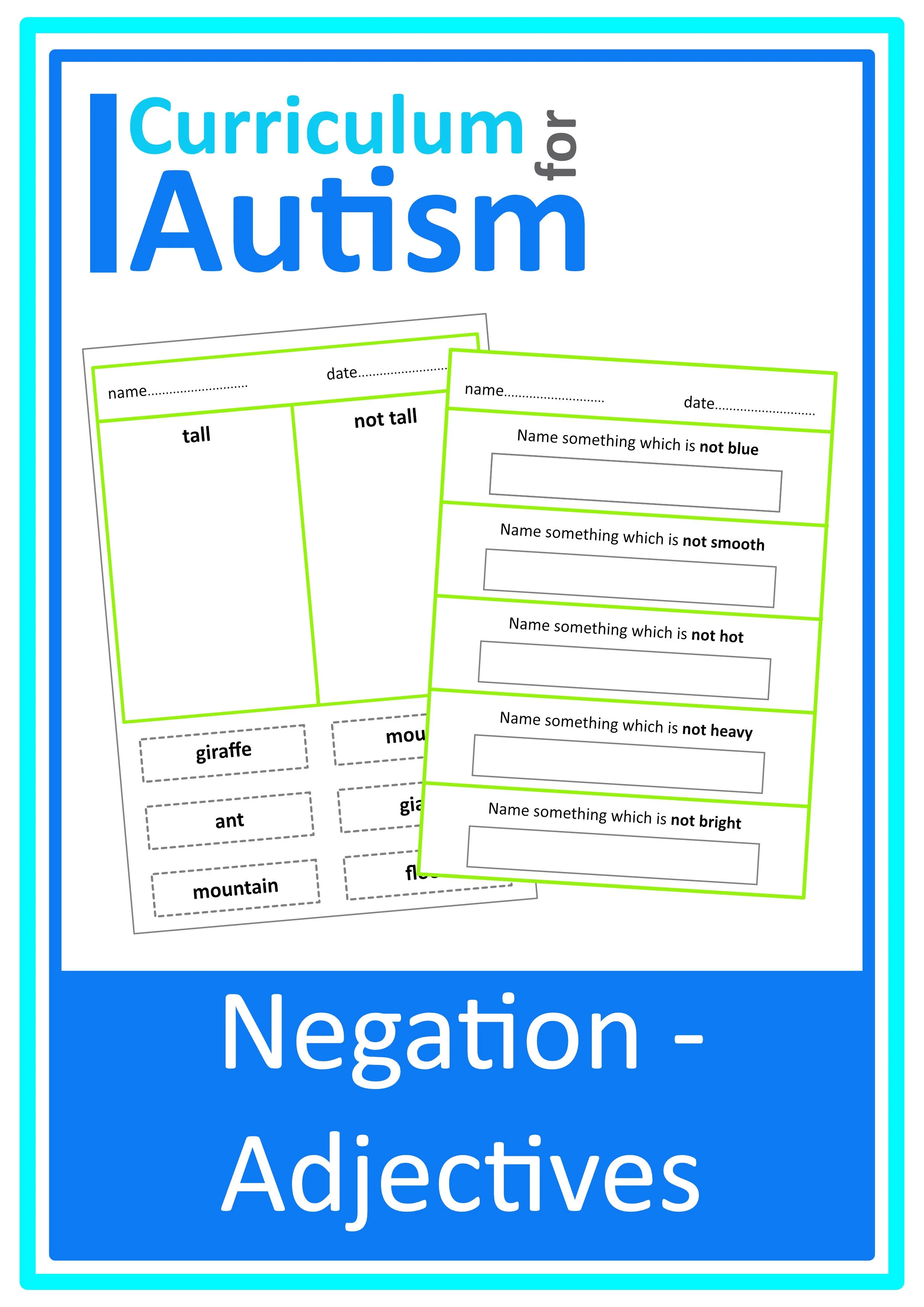
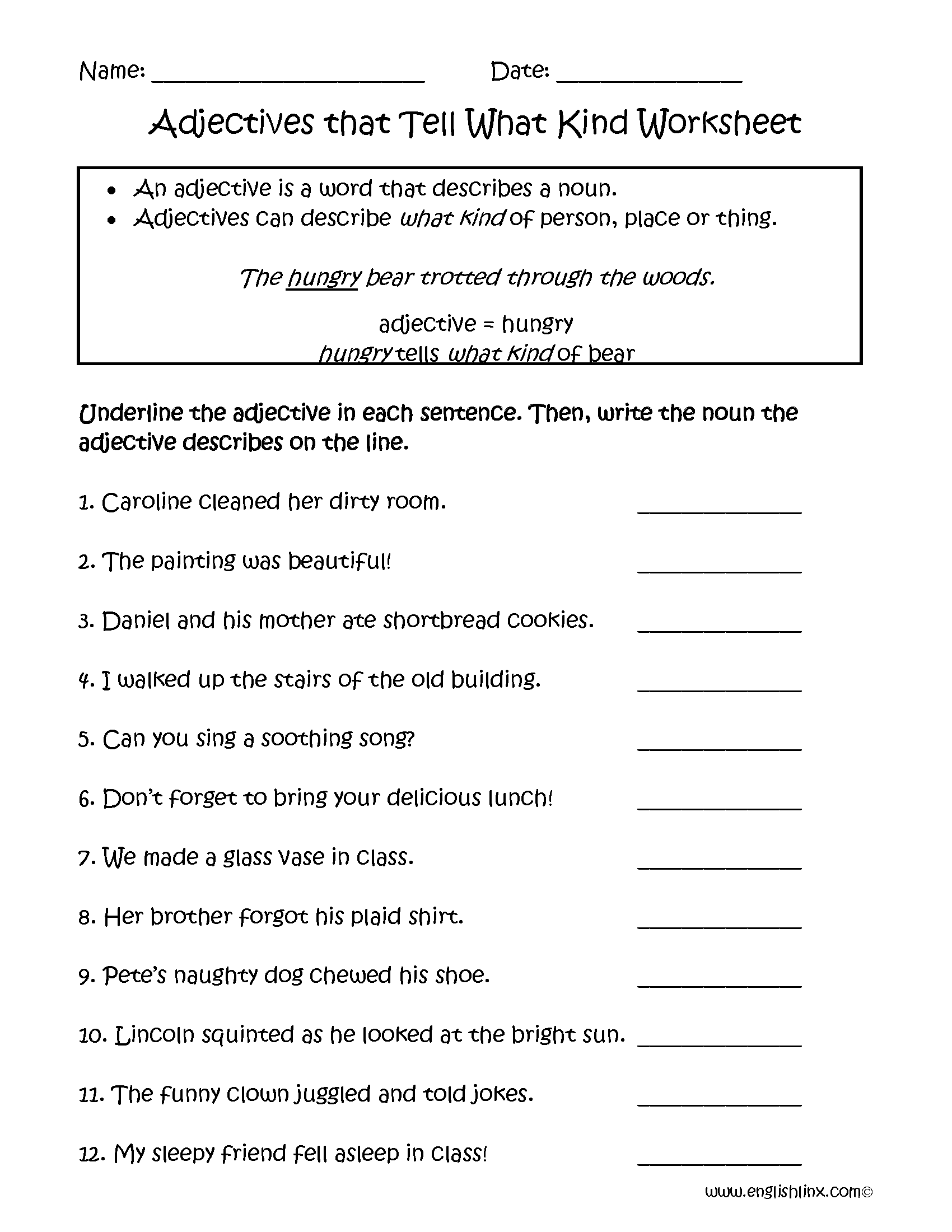
Adjectives worksheets are worth using in elementary classrooms when integrated as a tactical component of a balanced literacy program. While they should not serve as the primary vehicle for language acquisition, they provide essential opportunities for repetitive practice, formative assessment, and the development of specific grammatical fluency required for descriptive writing.
The Role of Grammar Instruction in Early Literacy
In the context of the 2026 elementary curriculum, the pendulum of pedagogical theory continues to shift between structured, explicit instruction and inquiry-based learning. Adjectives—the words that modify nouns and pronouns to add detail, clarity, and color to language—are a foundational pillar of this instruction.
The primary goal of elementary literacy is to transition students from basic sentence construction to complex, descriptive communication. Worksheets act as a bridge in this process. When a student is introduced to the concept of an adjective, they are essentially learning to sharpen their observations. A worksheet provides a controlled environment where the student can isolate these word categories from the broader, more chaotic context of creative writing. By focusing solely on identifying or selecting adjectives, the student builds the cognitive stamina required for more advanced syntactic manipulation later.
Cognitive Benefits of Structured Practice
The value of a worksheet lies in its ability to facilitate "deliberate practice." In cognitive science, deliberate practice is defined as focused, structured, and goal-oriented activity. When a student completes a worksheet that asks them to circle adjectives in a paragraph, they are engaging in a task that requires sustained attention to linguistic structure.
Unlike open-ended writing prompts, which can overwhelm a student who is still struggling with the basics of parts of speech, a worksheet reduces cognitive load. By limiting the scope of the task, the teacher allows the student to achieve "quick wins," which reinforces the neural pathways associated with correct grammatical usage. This is particularly valuable for English Language Learners (ELL) or students with learning disabilities, who may benefit from the predictable, low-stakes nature of a worksheet activity.
The Limitations of Paper-Based Grammar
Despite their utility, worksheets carry significant risks if used in isolation. The most common pitfall is the "fill-in-the-blank" trap, where students learn to identify adjectives through pattern recognition rather than conceptual understanding. If a student completes a worksheet by guessing based on the position of a word in a sentence, they are not learning grammar; they are learning to solve a logic puzzle.
Furthermore, worksheets lack the iterative feedback loop provided by authentic writing. A worksheet does not explain why a certain adjective is effective in one context but not another. It cannot convey the nuance of tone or the impact of evocative language on a reader. Therefore, teachers must ensure that worksheets are never the endgame. They should be viewed as a prerequisite or a supplement to drafting, revising, and editing.
Comparative Analysis: Traditional Worksheets vs. Applied Learning
| Method | Primary Benefit | Potential Drawback | Best Application |
|---|---|---|---|
| Grammar Worksheets | High volume of practice | Lacks creative context | Introducing or reviewing concepts |
| Interactive Games | High engagement | Harder to assess progress | Reinforcing learned concepts |
| Writing Workshops | Contextual mastery | High cognitive load | Applying grammar in authentic work |
| Peer Review | Collaborative analysis | Requires prior knowledge | Editing and refinement |
Strategic Implementation in the Classroom
To maximize the effectiveness of adjectives worksheets, educators should adopt a "scaffolded integration" approach. This involves a three-phase cycle:
- Explicit Modeling: Before handing out a worksheet, the teacher must model the concept. Using "think-aloud" strategies, the teacher demonstrates how they select adjectives to modify a boring sentence into an engaging one.
- Controlled Practice: This is where the worksheet resides. It serves as the "gym session" for the brain. Students complete the task to verify they can distinguish adjectives from verbs, nouns, and adverbs.
- Transfer of Knowledge: The final, most critical step is the transition to writing. Students are challenged to use the adjectives they identified—or new ones they discover—to enhance a paragraph they have previously drafted.
By following this sequence, the teacher ensures that the worksheet is not an isolated event but a meaningful link in the chain of literacy development.
Common Mistakes to Avoid
Teachers often fall into the trap of using worksheets as "busy work" to occupy students while they conduct small-group instruction. While this is an understandable operational reality, it devalues the grammar lesson. If students perceive the worksheet as a chore to be finished as quickly as possible, they will likely skim, guess, and ignore the learning objective.
To avoid this, educators should:
- Limit Length: A shorter, 10-question worksheet that requires thoughtful analysis is superior to a 50-question sheet that encourages rote, thoughtless completion.
- Provide Answer Keys for Self-Correction: Allowing students to check their own work provides immediate feedback, which is crucial for retention.
- Differentiate Content: Use tiered worksheets. Some students may need practice identifying adjectives, while others should be working on choosing the most precise adjective for a specific noun.
Supporting Diverse Learning Needs
In modern classrooms, diversity in learning styles and abilities is the norm. For students who struggle with handwriting or visual tracking, digital versions of worksheets (using accessible platforms or tablets) can be a better alternative. For students who thrive on movement, a physical worksheet can be adapted into a "scavenger hunt" where adjectives are hidden around the room.
The goal is to maintain the core objective—identifying and applying adjectives—while removing barriers to participation. The worksheet itself is simply a tool; the pedagogical intelligence of the teacher determines whether that tool is used to build knowledge or merely to pass the time.
Frequently Asked Questions
Are adjectives worksheets sufficient for teaching descriptive writing? No. While they teach the identification of adjectives, they do not teach the art of word choice or the nuances of tone. They must be paired with writing workshops where students can apply these words to their own compositions.
How often should students use grammar worksheets? Frequency should be determined by student mastery. Worksheets are best utilized during the introductory phase of a unit or as periodic "maintenance" practice to ensure skills do not atrophy. They should not be a daily occurrence.
Do worksheets work for all elementary grade levels? The format should change. Early elementary students benefit from worksheets involving images and word banks, while upper elementary students should focus on replacing weak adjectives with stronger, more precise synonyms.
Should worksheets be graded for accuracy? Worksheets should be treated as formative assessments. Grading for accuracy can induce anxiety, which hinders learning. Instead, use them to gauge where students are struggling and provide targeted intervention where necessary.
Can adjectives worksheets be replaced entirely by digital apps? Digital apps offer interactivity, but they often lack the "slow-down" effect that a physical worksheet provides. A combination of both is often the most effective way to balance engagement with deep, focused analysis.
Final Recommendation
The utility of adjectives worksheets is defined by their intentionality. If you use them as a sporadic, scaffolded tool to transition students from identifying adjectives to applying them in creative, expressive writing, they remain a highly effective pedagogical resource. Avoid using them as a substitute for explicit instruction or as a primary means of instruction. Use the worksheet to build the foundation, but ensure the classroom environment provides the necessary context for the students to actually write with the words they have practiced.