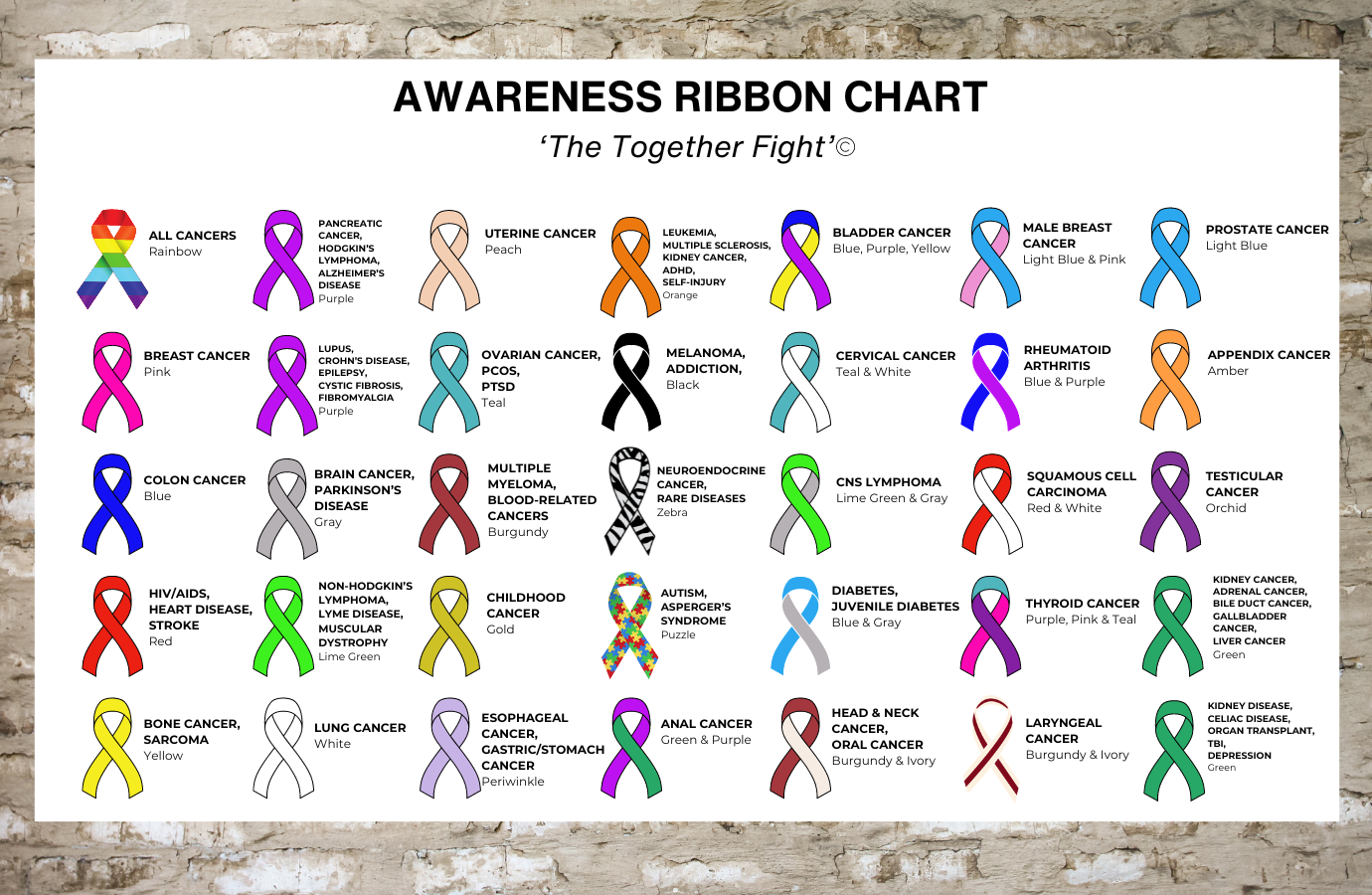
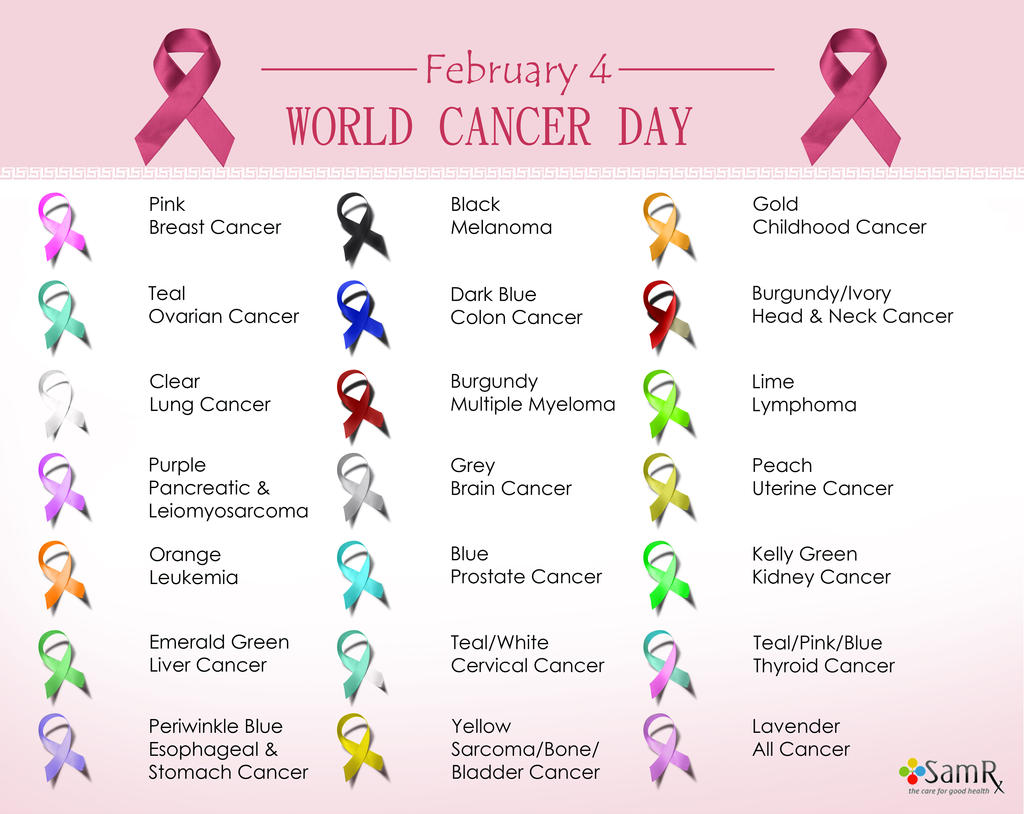
Because adenocarcinoma refers to a cancer that originates in glandular cells rather than a single anatomical location, there is no single awareness ribbon color for adenocarcinoma as a whole. Instead, awareness ribbons correspond to the primary organ site where the adenocarcinoma develops, such as pearl or white for lung adenocarcinoma, dark blue for colorectal adenocarcinoma, light blue for prostate adenocarcinoma, and purple for pancreatic adenocarcinoma.
What Is Adenocarcinoma? A Cellular Perspective on Awareness Symbols
To understand why there is no single "adenocarcinoma ribbon color," it helps to examine how cancer is classified medically versus how public health awareness campaigns are organized.
In pathology, cancer types are broadly divided by the tissue type in which the malignant cells originate. Adenocarcinoma is a histological classification representing a type of carcinoma that forms in epithelial cells with glandular origin or glandular characteristics. These cells line many organs and produce fluids, mucin, or digestive juices. Because glandular epithelial cells exist throughout the human body, adenocarcinoma can occur in numerous distinct organ systems, including:
- Lungs: Non-small cell lung cancer (NSCLC), where adenocarcinoma is the most common subtype.
- Colorectal system: Colon and rectal cancers, which are almost exclusively adenocarcinomas (representing roughly 95% of cases).
- Prostate: Where adenocarcinoma accounts for virtually all diagnosed prostate malignancies.
- Breasts: Invasive ductal carcinoma and invasive lobular carcinoma are both adenocarcinomas.
- Pancreas: Pancreatic ductal adenocarcinoma (PDAC), which accounts for the vast majority of pancreatic cancers.
- Stomach and Esophagus: Gastric adenocarcinoma and esophageal adenocarcinoma (often arising in Barrett's esophagus).
- Gynecologic Organs: Uterine (endometrial) and certain ovarian or cervical cancers.
Because patient support, screening protocols, treatment guidelines, and advocacy campaigns are traditionally structured around the affected organ rather than the microscopic cell type, awareness ribbons are assigned based on the organ site. For example, a person diagnosed with lung adenocarcinoma wears the ribbon color designated for lung cancer awareness, while someone with pancreatic adenocarcinoma wears the color designated for pancreatic cancer awareness.
(Disclaimer: The information in this article is provided for educational and advocacy awareness purposes only and should not be used as medical advice or as a substitute for professional diagnosis and treatment by qualified healthcare providers.)
Adenocarcinoma Ribbon Colors by Primary Cancer Site
When selecting an awareness ribbon for adenocarcinoma, locate the primary organ where the cancer first formed. The table below outlines the primary organ sites where adenocarcinoma commonly develops, their designated ribbon colors, national awareness months, and primary advocacy groups.
| Organ Site of Adenocarcinoma | Designated Ribbon Color | Awareness Month | Key Associated Advocacy Organizations |
|---|---|---|---|
| Lung (Non-Small Cell Adenocarcinoma) | Pearl / Clear / White | November | GO2 for Lung Cancer, American Lung Association |
| Colorectal (Colon & Rectal) | Dark Blue (Navy) | March | Colorectal Cancer Alliance, Fight Colorectal Cancer |
| Prostate | Light Blue | September | ZERO Prostate Cancer, Prostate Cancer Foundation |
| Breast (Ductal / Lobular) | Pink | October | Susan G. Komen, Breast Cancer Research Foundation |
| Pancreas (PDAC) | Purple | November | Pancreatic Cancer Action Network (PanCAN) |
| Stomach / Gastric | Periwinkle Blue | November | No Stomach For Cancer, Debbie's Dream Foundation |
| Esophagus | Periwinkle Blue | April | Esophageal Cancer Action Network (ECAN) |
| Ovary (Epithelial Adenocarcinoma) | Teal | September | National Ovarian Cancer Coalition (NOCC) |
| Uterus / Endometrium | Peach | September | Foundation for Women's Cancer |
| Cervix (Cervical Adenocarcinoma) | Teal & White | January | National Cervical Cancer Coalition |
| Bile Duct (Cholangiocarcinoma) | Emerald Green | February | Cholangiocarcinoma Foundation |
| Appendix | Amber | August | Appendix Cancer Connection |
| All Cancers (General / Unspecified) | Lavender | Year-round / February 4 | American Cancer Society |
Pearl, Clear, or White: Lung Adenocarcinoma Awareness
Lung cancer is the leading cause of cancer-related deaths worldwide. Within lung cancer diagnoses, lung adenocarcinoma is the single most common subtype, accounting for approximately 40% of all lung cancers. It typically begins in mucus-producing cells in the outer parts of the lungs and is the most common form of lung cancer diagnosed in non-smokers and younger patients.
- Ribbon Color: Pearl, White, or Clear. The semi-translucent pearl color represents hope, clarity, and the vital role of air and breathing.
- Awareness Month: November (Lung Cancer Awareness Month).
- Advocacy Impact: Organizations like GO2 for Lung Cancer utilize the pearl ribbon to raise awareness about early detection using low-dose computed tomography (LDCT) scans and targeted molecular therapy for genetic mutations like EGFR, ALK, and ROS1, which are frequently present in adenocarcinoma of the lung.
Dark Blue: Colorectal Adenocarcinoma Awareness
Colorectal cancer arises in the colon or rectum. More than 95% of colorectal cancers are diagnosed as adenocarcinomas, which begin in the mucus-secreting glands that lubricate the interior lining of the intestine.
- Ribbon Color: Dark Blue (Navy Blue).
- Awareness Month: March (Colorectal Cancer Awareness Month).
- Advocacy Impact: According to the Centers for Disease Control and Prevention, routine screening via colonoscopy, stool-based testing, or sigmoidoscopy can prevent colorectal adenocarcinoma by identifying and removing precancerous adenomatous polyps before they transform into malignant tumors. Organizations such as the Colorectal Cancer Alliance champion the dark blue ribbon to reduce stigma around GI health and promote screening starting at age 45.
Light Blue: Prostate Adenocarcinoma Awareness
The prostate gland is responsible for producing seminal fluid. Almost all prostate cancers are adenocarcinomas that develop in the prostate's glandular cells.
- Ribbon Color: Light Blue (Sky Blue).
- Awareness Month: September (Prostate Cancer Awareness Month).
- Advocacy Impact: Light blue ribbons represent support for men and families navigating prostate cancer diagnosis, PSA (prostate-specific antigen) testing, active surveillance, and advanced therapies. Foundations use this color to encourage early screening for higher-risk populations, including Black men and individuals with a family history of prostate or BRCA-related cancers.
Pink: Breast Adenocarcinoma Awareness
Breast cancer is predominantly adenocarcinoma in nature. The two primary histological classifications—Invasive Ductal Carcinoma (IDC) and Invasive Lobular Carcinoma (ILC)—both originate in glandular structures. Ductal carcinoma begins in the milk ducts, while lobular carcinoma begins in the milk-producing lobules.
- Ribbon Color: Pink (or Hot Pink).
- Awareness Month: October (Breast Cancer Awareness Month).
- Advocacy Impact: Pink is globally recognized as the emblem for breast cancer awareness, education, mammography access, and research funding for early-stage and metastatic breast adenocarcinoma.
Purple: Pancreatic Adenocarcinoma Awareness
Pancreatic Ductal Adenocarcinoma (PDAC) accounts for roughly 90% of all pancreatic cancers. It originates in the exocrine ducts of the pancreas, which carry digestive enzymes. Because early-stage pancreatic cancer rarely produces noticeable symptoms, it is often diagnosed at later stages, making awareness and early biomarker research vital.
- Ribbon Color: Purple.
- Awareness Month: November (Pancreatic Cancer Awareness Month).
- Advocacy Impact: The Pancreatic Cancer Action Network and other advocacy groups rely on the vibrant purple ribbon to demand increased federal research funding, expand clinical trials, and drive early detection initiatives for pancreatic adenocarcinoma.
Periwinkle Blue: Esophageal and Stomach (Gastric) Adenocarcinoma Awareness
Upper gastrointestinal adenocarcinomas develop in the glandular cells of the esophagus and stomach:
- Esophageal Adenocarcinoma: Frequently develops near the gastroesophageal junction (GE junction), often linked to chronic gastroesophageal reflux disease (GERD) and Barrett's esophagus.
- Gastric (Stomach) Adenocarcinoma: Originates in the innermost lining of the stomach wall.
- Ribbon Color: Periwinkle Blue (a pastel blue-purple shade).
- Awareness Months: April (Esophageal Cancer Awareness Month) and November (Stomach Cancer Awareness Month).
- Advocacy Impact: Periwinkle ribbons unite patients and families advocating for endoscopy access, heartburn screening education, and targeted therapies for HER2-positive GI cancers.
Teal: Ovarian Adenocarcinoma Awareness
Epithelial ovarian cancer is the most common form of ovarian cancer, and most epithelial tumors are adenocarcinomas (such as high-grade serous, endometrioid, or mucinous carcinomas).
- Ribbon Color: Teal.
- Awareness Month: September (Ovarian Cancer Awareness Month).
- Advocacy Impact: Teal ribbons highlight the importance of recognizing vague gynecologic symptoms (such as bloating, pelvic pain, and feeling full quickly) and supporting research into effective screening methods.
Peach and Teal/White: Uterine and Cervical Adenocarcinomas
Gynecologic cancers involving glandular tissues have specific ribbon designations based on the affected organ:
- Uterine / Endometrial Adenocarcinoma: Uses a Peach ribbon. Endometrial carcinoma starts in the inner lining of the uterus and is the most common gynecologic malignancy. September is Gynecologic Cancer Awareness Month.
- Cervical Adenocarcinoma: Uses a Teal and White dual-colored ribbon. While most cervical cancers are squamous cell carcinomas, cervical adenocarcinoma originates in the glandular cells of the endocervix. January is Cervical Health Awareness Month.
Emerald Green and Amber: Liver, Bile Duct, and Appendix Adenocarcinomas
Less common primary organ sites for adenocarcinoma have distinct awareness colors:
- Bile Duct Adenocarcinoma (Cholangiocarcinoma): Uses an Emerald Green (or Jade Green) ribbon. February features Global Cholangiocarcinoma Awareness Day.
- Appendix Adenocarcinoma: Uses an Amber or Yellow-Amber ribbon. Appendix cancer is a rare gastrointestinal malignancy often identified during surgery for acute appendicitis. August is Appendix Cancer Awareness Month.
Why Cancer Awareness Colors Are Based on Location, Not Histology
A frequent point of confusion for newly diagnosed patients and their caregivers is why awareness symbols focus on the organ location rather than the specific tissue type listed on a surgical pathology report.
Pathology vs. Public Health Advocacy
From a medical perspective, knowing that a tumor is an adenocarcinoma tells oncologists about the microscopic architecture of the tumor cells—specifically, that the cells form gland-like structures or secrete mucin. Tumor histology helps determine systemic treatment approaches, such as chemotherapy regimens, immunotherapy eligibility, and targeted biological agents.
However, from a public health and awareness perspective, organizing campaigns by anatomical location serves several practical goals:
- Screening and Prevention Focus: Public awareness campaigns emphasize actionable preventive steps. Screening guidelines are organ-specific—such as screening mammograms for breast tissue, colonoscopies for the large intestine, PSA blood tests for the prostate, or low-dose CT scans for the lungs. Grouping campaigns by anatomical site helps the public understand which screening tests to request from their physicians.
- Symptom Recognition: Symptoms correspond to organ function rather than cell histology. A persistent cough points to the lungs, changes in bowel habits point to the colon, and difficulty swallowing points to the esophagus. Organ-based advocacy teaches individuals to recognize site-specific red flags.
- Community Building: Patient support networks thrive when individuals share similar physical challenges, diagnostic journeys, and surgical procedures. For example, individuals navigating a colectomy for colon adenocarcinoma share distinct daily management strategies with others facing bowel surgeries, distinct from someone undergoing a lobectomy for lung adenocarcinoma.
What Ribbon Color Should You Wear for Adenocarcinoma?
If you want to choose an awareness ribbon, wear a lapel pin, or organize a community walk for someone diagnosed with adenocarcinoma, consider the following practical guidelines:
Step 1: Confirm the Primary Tumor Site
Review the diagnosis summary or pathology report to identify where the cancer originated. Even if an adenocarcinoma has metastasized (spread) to other parts of the body—such as colon adenocarcinoma that has spread to the liver or lung adenocarcinoma that has spread to the bones—the primary tumor site determines the official ribbon color.
- Example: A patient diagnosed with colon adenocarcinoma metastatic to the liver wears the Dark Blue ribbon for colorectal cancer, not the green ribbon for primary liver cancer.
Step 2: Select the Corresponding Color Pin or Symbol
Once the primary site is confirmed, choose the designated ribbon color matching that organ (e.g., light blue for prostate, periwinkle for gastric/esophageal, teal for ovarian).
Step 3: Use General Cancer Symbols for Multi-Site Support or Unspecified Adenocarcinoma
If you wish to honor someone with Carcinoma of Unknown Primary (CUP)—where an adenocarcinoma is confirmed by biopsy but the primary organ origin cannot be identified—or if you are showing broad solidarity across multiple cancer diagnoses, you can use:
- Lavender Ribbon: Represents all cancers combined and general cancer awareness.
- Two-Tone or Combination Pins: Many advocates wear lapel pins combining the primary organ color with a general awareness ribbon or personalized ribbon featuring custom text.
The Role of Awareness Ribbons in Patient Advocacy and Research Funding
Awareness ribbons are more than symbolic accessories; they serve as critical tools for public education, grassroots advocacy, and legislative engagement. Major non-profit organizations and government agencies utilize ribbon campaigns to achieve major public health outcomes:
1. Driving Research Funding
Advocacy campaigns featuring distinct ribbon colors mobilize community walks, galas, and peer-to-peer fundraising events. According to research published by the National Cancer Institute, federal biomedical research grants and foundation funding directly support biomarker research, targeted therapies, and clinical trials for specific carcinoma subtypes.
2. Reducing Diagnostic Stigma
Certain adenocarcinomas historically faced public stigma or low visibility. For instance, lung cancer awareness campaigns featuring the pearl ribbon work to dismantle the misconception that lung adenocarcinoma only affects heavy smokers. Similarly, dark blue colorectal cancer campaigns break down taboos surrounding GI health to encourage open discussions about screening.
3. Promoting Genetic and Molecular Testing
Because adenocarcinomas frequently carry actionable genetic mutations (such as EGFR, KRAS, BRAF, HER2, or BRCA1/2), awareness organizations use their platforms to educate patients about biomarker testing. Understanding both the anatomical site (indicated by the ribbon color) and the molecular drivers of the adenocarcinoma empowers patients to seek personalized oncology treatments.
Frequently Asked Questions
Is there a specific ribbon color for metastatic adenocarcinoma?
There is no separate ribbon color designated exclusively for metastatic adenocarcinoma. Instead, patients and advocates wear the ribbon color corresponding to the primary organ site (such as dark blue for metastatic colorectal adenocarcinoma or pearl for metastatic lung adenocarcinoma). Some organizations also recognize Stage IV / Metastatic Breast Cancer with a tri-color ribbon featuring teal, pink, and green.
Is lavender the correct ribbon color for adenocarcinoma?
Lavender represents general cancer awareness and all cancer types combined. While lavender is not specific to adenocarcinoma, it is appropriate to wear lavender if you are supporting cancer awareness broadly, supporting individuals with multiple cancer types, or honoring a diagnosis of adenocarcinoma where the primary site is unknown.
Why do some gastrointestinal adenocarcinomas have different colored ribbons?
Gastrointestinal (GI) adenocarcinomas occur across different parts of the digestive tract, each represented by a specific ribbon color based on organ site. Colorectal adenocarcinoma uses dark blue, stomach and esophageal adenocarcinomas use periwinkle blue, pancreatic adenocarcinoma uses purple, and appendix adenocarcinoma uses amber.
How can I tell if my pathology report indicates an adenocarcinoma?
A surgical pathology report or biopsy result will state the histological tumor type under the diagnostic opinion section. Terms such as "adenocarcinoma," "invasive ductal carcinoma," "mucinous adenocarcinoma," or "well-differentiated adenocarcinoma" indicate that the tumor formed from glandular epithelial cells.
What should I do if the primary site of an adenocarcinoma cannot be found?
When biopsy results confirm adenocarcinoma cells but imaging scans cannot locate the original organ tumor, the condition is diagnosed as Carcinoma of Unknown Primary (CUP). For CUP awareness, individuals frequently wear the lavender ribbon (all cancers) or a clear/white ribbon representing diagnostic transparency and support.
Summary and Recommended Next Steps
If you or a loved one has been diagnosed with adenocarcinoma, remember that the appropriate awareness ribbon color is defined by the primary organ site where the cancer originated:
- Identify the primary organ site on the oncology pathology report (e.g., lung, colon, prostate, pancreas, breast, or stomach).
- Match the organ site to its designated color (such as pearl for lung, dark blue for colorectal, light blue for prostate, or purple for pancreatic cancer).
- Connect with site-specific patient advocacy groups—such as the American Cancer Society or organ-dedicated non-profits—to access educational materials, support groups, financial assistance, and guidance on molecular biomarker testing.
By understanding how awareness colors correlate with primary organ locations, patients, families, and healthcare advocates can accurately represent their diagnoses, champion clinical research, and promote early detection in their communities.