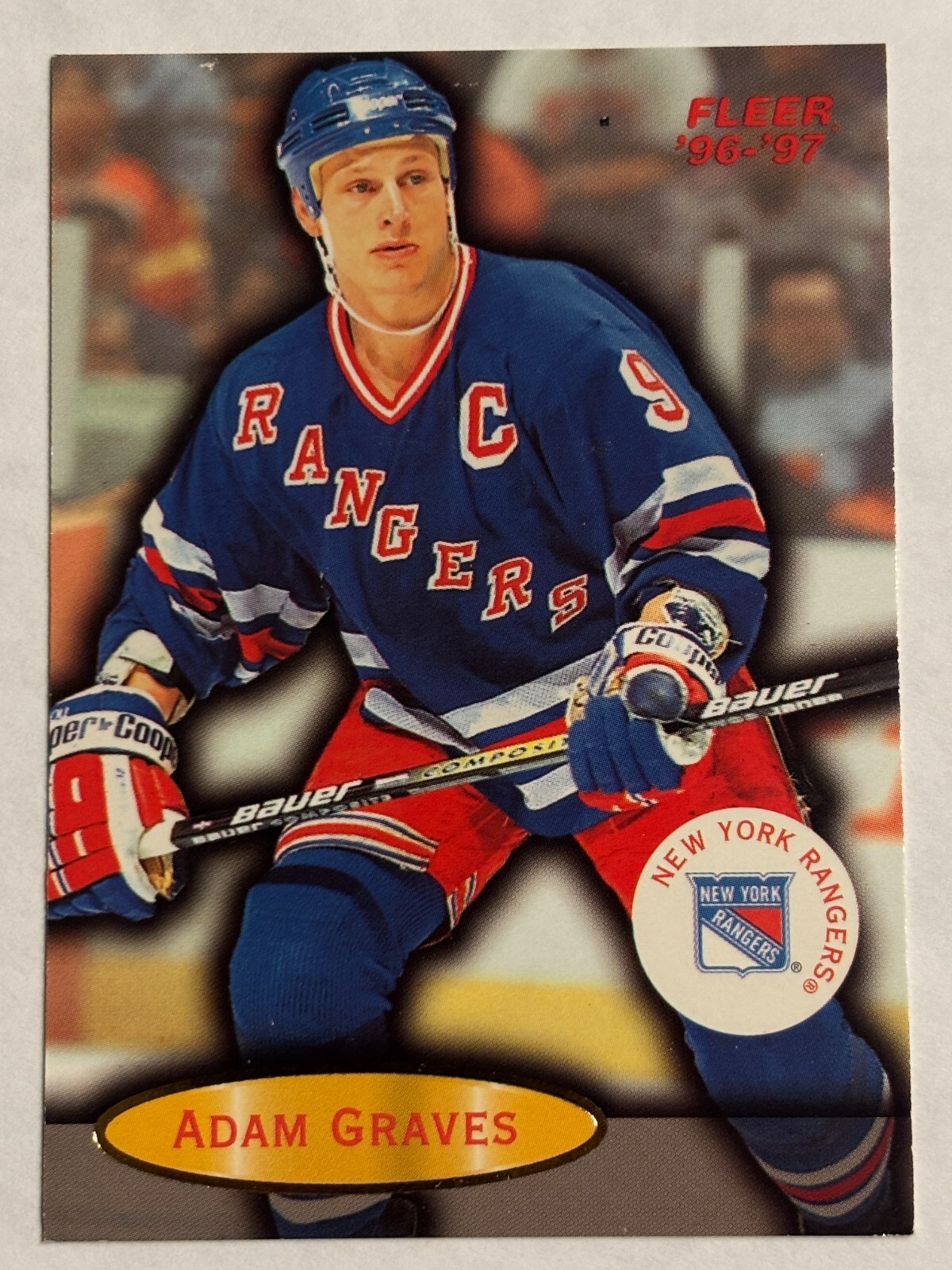
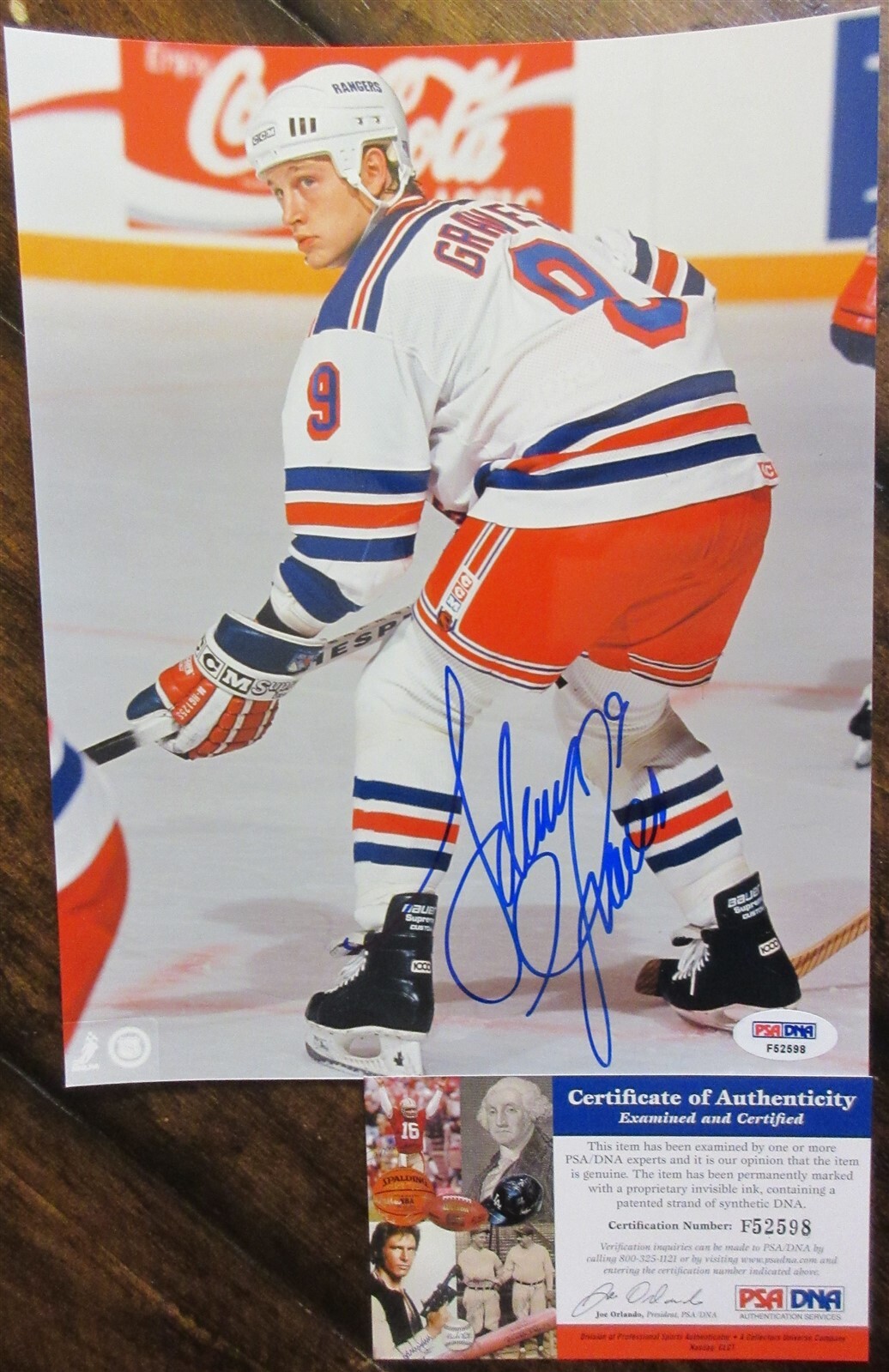
As of 2026, former National Hockey League (NHL) star and New York Rangers legend Adam Graves has an estimated net worth between $10 million and $15 million. His wealth stems from a 16-season professional hockey career generating approximately $25 million to $30 million in cumulative salary, followed by long-term executive roles within Madison Square Garden Sports and hockey operations.
Introduction: The Financial Profile of Adam Graves
Adam Graves built his legacy as one of the most reliable power forwards and respected leaders in professional hockey during the late 1980s, 1990s, and early 2000s. Best remembered for his central role in the New York Rangers’ historic 1994 Stanley Cup championship, Graves combined physical play, scoring capability, and leadership on the ice. Beyond his playing stats, his financial trajectory offers a compelling case study in how NHL compensation evolved prior to the salary-cap era and how long-term organizational loyalty translates into sustained post-retirement income.
While modern NHL superstars command annual contracts exceeding $10 million, Graves played during a transitional economic phase for professional hockey. Earnings for elite forwards rose dramatically throughout the 1990s as TV broadcasting deals expanded and unrestricted free agency gained leverage. Through strategic contract negotiations, multi-year extensions, and subsequent executive positions with Madison Square Garden Sports (MSGS), Graves successfully preserved and expanded his career earnings over a multi-decade career.
Breakdown of NHL Career Earnings and Contracts
Over the course of 1,152 regular-season NHL games, Graves earned substantial compensation playing for four franchises: the Detroit Red Wings, Edmonton Oilers, New York Rangers, and San Jose Sharks. Below is a detailed breakdown of how his playing contracts contributed to his gross career earnings.
- 1986: Drafted 22nd overall
- 1988–89: Detroit Red Wings (Entry Contract)
- 1989–91: Edmonton Oilers (Won 1990 Stanley Cup)
- 1991–2001: NY Rangers (52 goals, 1994 Cup)
- 2001–03: San Jose Sharks (Retire)
Early Career: Detroit Red Wings and Edmonton Oilers (1987–1991)
Selected 22nd overall in the 1986 NHL Entry Draft by the Detroit Red Wings, Graves entered professional hockey under entry-level salary terms standard for late-1980s rookies. Early compensation in this era typically ranged between $100,000 and $250,000 annually, supplemented by modest performance incentives.
In November 1989, Graves was traded to the Edmonton Oilers alongside Joe Murphy and Mike Gelinas, joining the famous "Kid Line." During his tenure in Edmonton, Graves earned a foundational salary while serving as a vital depth forward on the 1990 Stanley Cup championship team. Although these early years did not yield the multimillion-dollar figures of his later career, they established his market value as an elite, high-energy power forward.
The New York Rangers Era (1991–2001)
Graves’ financial watershed arrived in the summer of 1991 when he signed with the New York Rangers as a free agent. The signing led to a landmark equalization arbitration award: the Rangers were required to compensate the Oilers with Troy Mallette, confirming Graves' rising value across the league.
During his decade in New York, Graves became a cornerstone player:
- The Breakout Year (1993–1994): Graves scored a then-franchise record 52 regular-season goals and added 10 playoff goals, helping lead the Rangers to their first Stanley Cup in 54 years.
- Contract Escalation: Following the 1994 championship, Graves renegotiated multi-year extensions. By the mid-to-late 1990s, his annual salary increased from under $1 million to over $3 million per season, putting him among the top-tier compensated wingers in the league.
- Peak Salary Years: Between 1996 and 2001, Graves earned consistent multi-million dollar annual salaries, capitalizing on the uncapped NHL economic environment before the 2004–05 lockout introduced strict salary ceilings.
San Jose Sharks and Final Active Salary (2001–2003)
In June 2001, the Rangers traded Graves to the San Jose Sharks in exchange for Mikael Samuelsson and a draft choice. Graves completed his final two NHL seasons in San Jose, earning salaries of approximately $3.5 million to $4 million annually under his existing multi-year contract. Upon retiring following the 2002–2003 season, Graves had amassed gross player earnings estimated at $25 million to $30 million.
Overview of Career Financial Milestones
The table below outlines the primary phases of Adam Graves’ hockey career, key accomplishments, estimated earning windows, and financial impact.
| Career Phase | Franchise / Entity | Timeframe | Key Financial & Career Milestones | Estimated Financial Impact |
|---|---|---|---|---|
| Rookie & Entry Level | Detroit Red Wings | 1987–1989 | Drafted 22nd overall (1986); initial entry-level contract contracts. | Standard entry-level earnings ($100k–$200k/yr) |
| Development & Cup 1 | Edmonton Oilers | 1989–1991 | Won 1990 Stanley Cup; established market value as power forward. | Moderate salary growth ($250k–$500k/yr) |
| Prime Playing Years | New York Rangers | 1991–2001 | 52 goals in 1993–94; 1994 Stanley Cup; King Clancy Trophy (1994). | Peak playing revenue ($1M–$3.5M/yr) |
| Final Playing Years | San Jose Sharks | 2001–2003 | Reached 1,152 career games; Bill Masterton Trophy (2001). | High-earning veteran contracts ($3.5M–$4M/yr) |
| Executive & Front Office | NY Rangers / MSGS | 2005–Present | Hockey operations, prospect development, corporate ambassador. | Stable executive salary & retainer income |
Post-Retirement Roles and Revenue Streams
Unlike many professional athletes whose earnings decline sharply post-retirement, Adam Graves built a durable second career within sports management, corporate development, and broadcast media.
- Executive & Ops
- Rangers Hockey Operations
- Prospect Development
- Front Office Consulting
- Corporate & Media
- MSG Network Appearances
- Event Hosting & Ambassadorship
- Corporate Partnerships
Front Office & Hockey Operations
Following his retirement from active play, Graves returned to the New York Rangers organization in a management and player-development capacity. His roles have included:
- Special Assistant to Hockey Operations: Working directly with front-office executives, coaching staff, and draft prospects to evaluate talent and instill organizational culture.
- Prospect Development & Mentorship: Mentoring younger players through the Rangers’ American Hockey League (AHL) affiliates and junior hockey pipelines.
These long-term administrative positions provide steady, high-level corporate compensation while allowing Graves to maintain high visibility within Madison Square Garden Sports Corp.
Ambassadorship and Corporate Partnerships
As one of the most popular figures in Rangers history—honored when his No. 9 jersey was raised to the MSG rafters on February 3, 2009—Graves remains a key ambassador for the franchise. In this role, he participates in:
- Corporate Hospitality & Sponsor Relations: Engaging major commercial sponsors for Madison Square Garden Sports.
- Public Appearances and Media: Regular promotional events, official franchise galas, and guest spots on MSG Network broadcasts.
These official appearances generate secondary income streams through executive retainers, speaking fees, and corporate partnerships.
Philanthropy and Community Impact: The Garden of Dreams
While philanthropic work does not directly inflate net worth, Graves' extensive community involvement has defined his public career and professional standing.
- Garden of Dreams Foundation
- Co-founded by Adam Graves & MSG Leadership (2006)
- Impact: $55M+ raised for children facing obstacles
- Recognitions: King Clancy Trophy, NHL Foundation
The Garden of Dreams Foundation
Graves was instrumental in establishing and guiding the Garden of Dreams Foundation, a non-profit charity aligned with Madison Square Garden Sports and Sphere Entertainment Co. The foundation works with partner organizations to assist children facing obstacles such as illness, housing insecurity, and financial hardship.
Key highlights of his charitable endeavors include:
- Significant Financial Reach: Since its creation in 2006, the foundation has raised tens of millions of dollars, impacting hundreds of thousands of children in the tri-state area.
- Prestigious NHL Recognition: Graves received the King Clancy Memorial Trophy in 1994 and the NHL Foundation Player Award in 2000, honoring his leadership and humanitarian efforts.
His involvement with high-profile charitable initiatives has reinforced his standing within the New York business and philanthropy communities, opening doors to board positions, community partnerships, and lasting corporate relationships.
Wealth Management, Assets, and Era Comparisons
Evaluating Adam Graves' financial legacy requires understanding the tax, economic, and structural context of his career.
Wealth Preservation Strategies
Graves played in an era preceding modern digital financial tools, but his asset management aligns with conservative wealth preservation strategies standard for top-tier athletes of the 1990s:
- Real Estate Assets: Holdings in the New York metropolitan area and Ontario, Canada, benefiting from steady real estate appreciation over several decades.
- Pension and Benefits: Beneficiary of the NHL Players' Association (NHLPA) pension system, which offers structured retirement payouts for long-tenured veterans.
- Low-Volatility Investments: Diversified portfolios built during high-income years to withstand market fluctuations.
Era Comparison: 1990s Contracts vs. Modern NHL Compensation
To put Graves' earnings in perspective, it is useful to compare 1990s NHL compensation with modern salary dynamics:
1990s–2000s Era (Graves)
- Peak Salary: $3.5M–$4M
- No Salary Cap (Pre-2005)
- Higher Tax Brackets
Modern NHL Era (2020s)
- Top Salary: $11M–$13M+
- Hard Salary Cap System
- Escrow & Cap Retainage
Gross vs. Net Realities: During the late 1990s, players face high state, federal, and local income tax rates—particularly in high-tax jurisdictions like New York and California—along with agent fees (typically 3%–5%).
Purchasing Power: While modern NHL stars sign contracts worth $10 million to $13 million annually, Graves' $3.5 million salary in 1998 held significantly higher relative purchasing power than nominal comparisons suggest.
Frequently Asked Questions
What is Adam Graves’ estimated net worth in 2026?
Adam Graves' net worth is estimated between $10 million and $15 million. This total reflects his cumulative NHL salaries, long-term executive employment with Madison Square Garden Sports, real estate investments, and asset appreciation over several decades.
How much did Adam Graves earn during his NHL playing career?
Graves earned an estimated $25 million to $30 million in gross salaries over his 16-season NHL career. His highest annual compensation occurred between 1996 and 2003, when his contracts paid between $3 million and $4 million annually.
What front-office roles has Adam Graves held with the New York Rangers?
Since retiring as a player, Graves has served as a Special Assistant to Hockey Operations, focusing on prospect development, player mentorship, and community relations for the New York Rangers organization.
Did Adam Graves win any Stanley Cups?
Yes, Graves won two Stanley Cups during his career. He won his first in 1990 with the Edmonton Oilers and his second in 1994 with the New York Rangers, where he scored 52 regular-season goals.
Is Adam Graves' jersey retired by the New York Rangers?
Yes, the New York Rangers retired Adam Graves’ No. 9 jersey on February 3, 2009. His banner hangs in the rafters of Madison Square Garden alongside fellow 1994 teammates Mark Messier, Brian Leetch, and Mike Richter.
Key Takeaways and Summary
Adam Graves' financial legacy demonstrates how high performance, market timing, and long-term organizational loyalty can build lasting wealth:
- Peak NHL Earnings: Earned tens of millions during the pre-salary-cap expansion of the 1990s and early 2000s.
- Sustained Post-Playing Income: Built a second executive career with Madison Square Garden Sports, providing stability well beyond his playing days.
- Enduring Legacy: Combined athletic success, retired jersey honors, and widespread philanthropic leadership through the Garden of Dreams Foundation.
By pairing his on-ice achievements with career diversification off the ice, Graves secured a stable financial foundation while remaining one of the most respected figures in modern hockey.