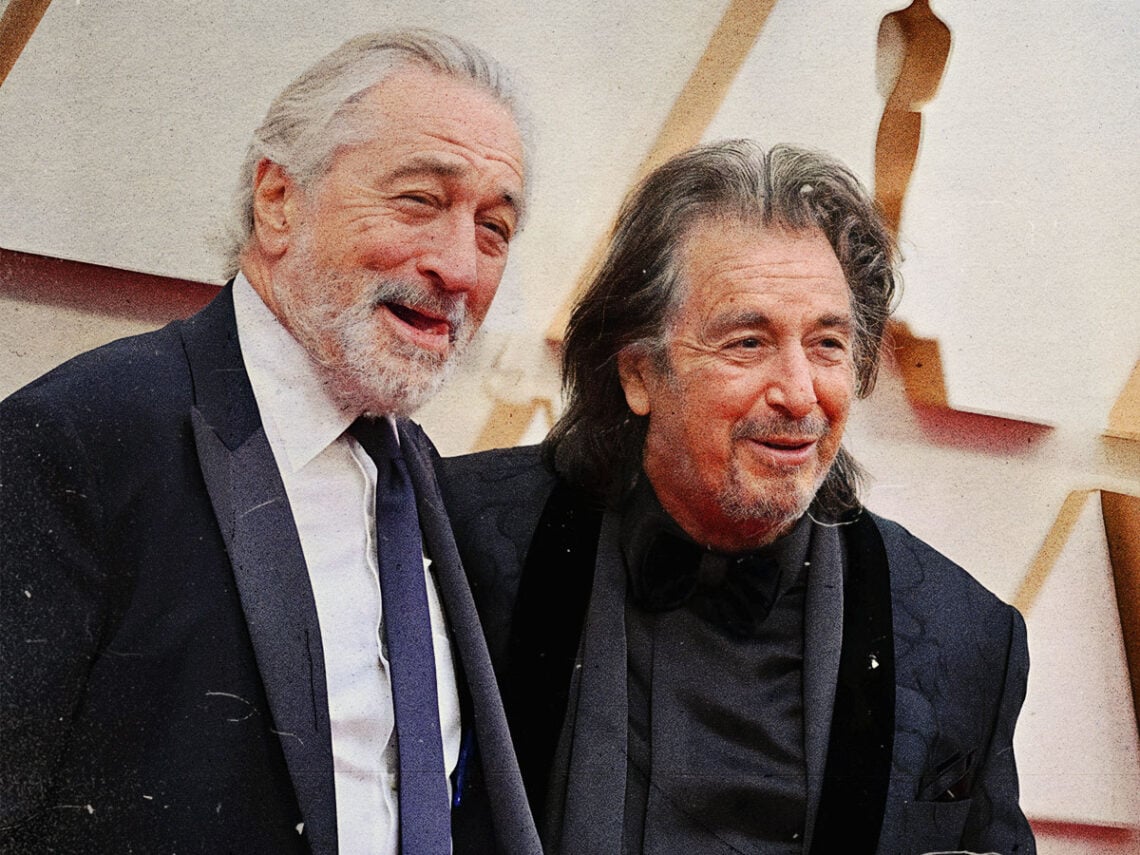
Al Pacino’s career stands as a monument in cinematic history, defined by explosive raw intensity, classical theatrical grounding, selective yet iconic film choices, and a seamless transition between gritty 1970s auteur cinema and later-career gravitas. Identifying actors with similar career paths requires examining performers who share this unique trajectory: those who emerged from the rigorous traditions of stage acting, achieved legendary status through defining anti-hero and mobster roles, navigated decades of varied cinematic output, and ultimately cemented their legacies as elder statesmen of the dramatic arts.
The Foundations of the Pacino Archetype: Stage to Screen
To understand actors who mirror Al Pacino’s career arc, one must first analyze the fundamental components of that trajectory. Pacino’s journey began not on Hollywood soundstages, but in the gritty Off-Broadway theater scene of New York City and under the intensive tutelage of Lee Strasberg at the Actors Studio. This foundation instilled a distinct "Method" approach characterized by psychological realism, emotional volatility, micro-expressions, and an electrifying stage presence that easily translated to widescreen close-ups.
When Pacino broke into mainstream cinema in the late 1960s and early 1970s—with breakout performances in The Panic in Needle Park and Francis Ford Coppola’s The Godfather—he established a template. He specialized in playing driven, morally conflicted, hyper-articulate, or tightly wound outsiders. His career is also marked by distinct phases: the explosive, risk-taking 1970s (Serpico, Dog Day Afternoon), a quieter, theater-focused 1980s period where he appeared in fewer films, a massive 1990s commercial resurgence (Scent of a Woman, Heat, Donnie Brasco), and a late-career phase defined by prestige television, streaming collaborations with auteurs like Martin Scorsese (The Irishman), and a willingness to embrace supporting character roles.
Actors who share this path typically exhibit several career markers:
- The Theatrical Core: Deep roots in regional, Off-Broadway, or Broadway theater, often returning to the stage even after achieving global film stardom.
- The Defining Anti-Hero Breakthrough: Achieving legendary status through complex, morally ambiguous protagonists, particularly within crime dramas, psychological thrillers, or gritty urban narratives.
- Career Lulls and Resurgences: Experiencing periods of critical or commercial downtime, followed by a major renaissance driven by transformative performances that redefine their public perception.
- Uncompromising Intensity: A performance style that favors emotional truth, internal conflict, and dynamic vocal delivery over conventional leading-man charm.
Robert De Niro: The Ultimate Parallel Track
No actor shares a more parallel career path to Al Pacino than Robert De Niro. Born in New York City just three years apart, both men trained under the heavy influence of the Method acting tradition—De Niro studying with Stella Adler and Lee Strasberg. Their careers are forever intertwined due to their near-simultaneous emergence as the defining faces of New 1970s Hollywood cinema and their frequent late-career collaborations.
De Niro’s early filmography mirrors Pacino’s ascent. While Pacino brought hyper-kinetic nervous energy to Michael Corleone and Sonny Wortzik, De Niro brought chilling internal stillness and intense physical transformation to roles like Travis Bickle in Taxi Driver and Jake LaMotta in Raging Bull. Both actors redefined the cinematic anti-hero, moving effortlessly between explosive crime epics and character-driven psychological dramas.
Furthermore, their later career trajectories display striking similarities. Both faced criticism in the late 1990s and 2000s for taking on paycheck roles in broad comedies or routine action thrillers. Yet, both demonstrated remarkable longevity by pivoting into prestige streaming projects and working with modern auteurs. Their shared screen time in films like Heat, Righteous Kill, and The Irishman serves as a meta-textual celebration of two performers who walked almost identical cultural tightropes, balancing high-art cinematic prestige with pop-culture ubiquity.
Dustin Hoffman: The Transformation-Focused Anti-Hero
Dustin Hoffman represents another foundational pillar of the 1970s American cinema explosion who shares deep career parallels with Al Pacino. While Hoffman is slightly older and broke through a few years earlier with The Graduate (1967) and Midnight Cowboy (1969), he championed the same rejection of traditional Hollywood leading-man vanity in favor of deep psychological immersion and physical transformation.
Like Pacino, Hoffman’s career is defined by versatility and an insistence on playing flawed, ordinary, or socially marginalized individuals pushed to their limits. Whether portraying the desperate con artist in Midnight Cowboy, the obsessive journalist in All the President's Men, or the theatrical cross-dresser in Tootsie, Hoffman adopted a meticulous research-heavy approach reminiscent of the Actors Studio ethos.
Hoffman’s trajectory also matches Pacino’s in terms of career longevity and stage crossover. Both men maintained active theatrical careers alongside their film work, refusing to let Hollywood success completely sever their ties to live performance. As they moved into their later decades, both actors successfully transitioned from leading men to revered character actors, anchoring ensemble casts and mentoring younger generations of filmmakers.
Comparative Overview of Method-Era Icons
To clearly understand how these contemporary peers intersected, diverged, and aligned with Al Pacino over the decades, the following table examines their career milestones, theatrical roots, and defining late-career arcs.
| Actor | Primary Training / Roots | Defining 1970s Breakthrough | Key Career Renaissance | Notable Later-Career Focus |
|---|---|---|---|---|
| Al Pacino | Actors Studio / NY Theater | The Godfather (1972), Serpico (1973) | 1990s (Scent of a Woman, Heat) | Prestige streaming, Martin Scorsese collaborations, Shakespearean stage work |
| Robert De Niro | Stella Adler / Lee Strasberg | The Godfather Part II (1974), Taxi Driver (1976) | 2010s/2020s (The Irishman, Killers of the Flower Moon) | Independent cinema, mobster grandfather roles, political commentary |
| Dustin Hoffman | Pasadena Playhouse / NY Theater | The Graduate (1967), Midnight Cowboy (1969) | 1980s/1990s (Rain Man, Wag the Dog) | Character supporting roles, voice acting, European arthouse cinema |
| Jack Nicholson | Los Angeles Stage / Roger Corman | Easy Rider (1969), Five Easy Pieces (1970) | 1989–2006 (Batman, As Good as It Gets, The Departed) | Long-term semi-retirement, definitive Hollywood royalty status |
Jack Nicholson: The Wild Card Peer
While Jack Nicholson emerged from a different training background than the New York-centric Method actors, his career path runs parallel to Al Pacino’s in terms of cultural impact, star power, and the mastery of intense, idiosyncratic character portrayals. Nicholson and Pacino represent the two primary poles of 1970s American cinematic electricity: Nicholson bringing a devilish, anarchic charm, and Pacino bringing tight, brooding intensity.
Both actors avoided being typecast strictly as heroes, instead leaning into villainy, madness, and deep moral ambiguity—Nicholson in The Shining and One Flew Over the Cuckoo's Nest, Pacino in Scarface and The Devil's Advocate. Furthermore, both men maintained a legendary status that allowed them to command high salaries and creative control well into their later years, ultimately transitioning into elder-statesman figures who could greenlight projects simply by their involvement.
Modern Successors: Carrying the Pacino Torch
Looking beyond the generation of the 1970s, contemporary actors have modeled their career trajectories directly on the path forged by Al Pacino. These performers combine classical theatrical training with intense character transformation, avoiding standard action-hero pigeonholing in favor of unpredictable, high-risk dramatic choices.
Daniel Day-Lewis
Often cited as the premier character actor of his generation, Daniel Day-Lewis shares Pacino’s legendary commitment to internal character immersion—frequently referred to as extreme Method acting. Like Pacino, Day-Lewis is notoriously selective about his film roles, treating each project as a major artistic event rather than a routine job. His work in films like There Will Be Blood and Gangs of New York mirrors the operatic, larger-than-life intensity that Pacino brought to Scarface or The Godfather Part II.
Joaquin Phoenix
Joaquin Phoenix’s career trajectory closely mimics Pacino’s journey through psychological volatility and anti-hero mastery. Phoenix frequently inhabits fractured, socially isolated, and emotionally volatile characters—traits that defined Pacino’s iconic 1970s runs in Dog Day Afternoon and Panic in Needle Park. Phoenix’s Oscar-winning turn in Joker explicitly channels the unhinged, high-stakes psychological breakdown that Pacino mastered in films like Carlito's Way and Insomnia.
Frequently Asked Questions
Did Al Pacino and Robert De Niro ever compete for the same roles?
Yes. During the late 1960s and 1970s, casting directors frequently considered Pacino and De Niro for the same gritty New York-centric dramas. Because they moved in the same theatrical and audition circles, their careers often overlapped, culminating in their legendary on-screen pairings once they established distinct industry identities.
What distinguishes Pacino’s acting style from traditional Hollywood stars?
Pacino relies heavily on the psychological realism of the Method acting tradition. He prioritizes emotional volatility, micro-expressions, vocal modulation, and intense character research over classic leading-man charisma or physical symmetry, making his performances feel unpredictable and raw.
Why did Al Pacino take a break from films in the 1980s?
Following a grueling schedule through the 1970s and mixed critical/commercial reception for films like Cruising and Author! Author!, Pacino stepped back from Hollywood to focus intensely on stage work, starring in theatrical productions of American Buffalo and other stage plays before returning to film with Sea of Love in 1989.
Are there younger actors today following Al Pacino’s career path?
Actors like Adam Driver, Joaquin Phoenix, and Oscar Isaac mirror Pacino’s path by balancing high-profile franchise or prestige work with rigorous theatrical roots, unpredictable character transformations, and collaborations with visionary auteur directors.
Conclusion and Next Actions
Tracing the career path of Al Pacino reveals a blueprint for artistic longevity: grounding oneself in rigorous theatrical training, embracing morally complex anti-heroes, remaining selective during middle age, and gracefully pivoting into prestige character work later in life. For film enthusiasts and aspiring artists looking to study this trajectory, the immediate next action is to explore the interconnected filmographies of Pacino's direct peers—such as Robert De Niro and Dustin Hoffman—while examining how modern method actors like Joaquin Phoenix and Daniel Day-Lewis continue to adapt this blueprint for contemporary cinema.