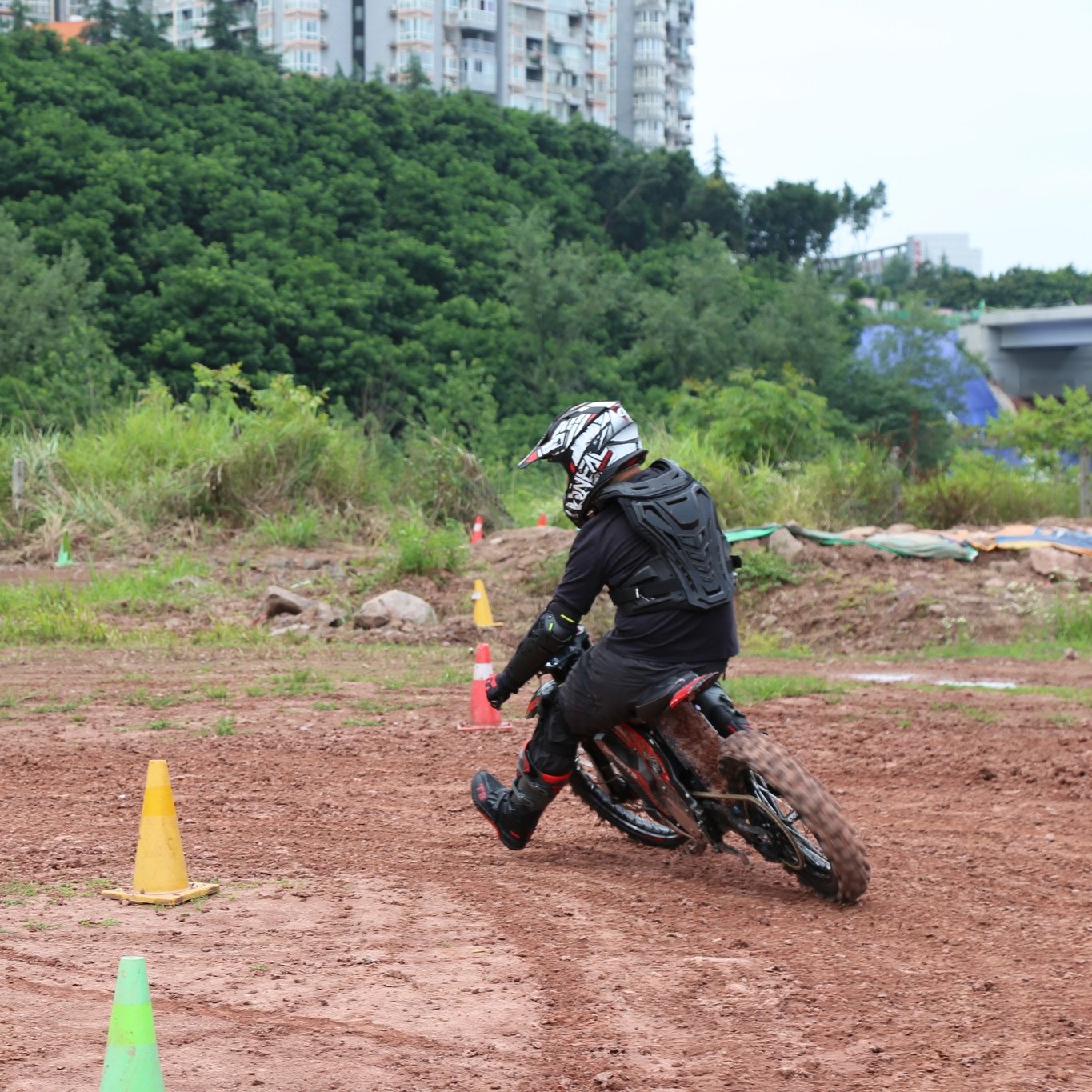
Beneath the flashing lights of red carpets and the relentless glare of the paparazzi, a specific faction of Hollywood actors cultivates an entirely different kind of existence: one defined by the anonymous hum of an engine, the weight of a leather jacket, and the solitary focus of the open road. While the public often views celebrity culture through the lens of luxury cars, chauffeured limousines, and pristine motorcades, a quiet subculture of performers treats motorcycling not as a flashy lifestyle accessory, but as a deliberate escape from fame. This distinct community values anonymity over attention, mechanical self-reliance over managed public image, and the leveled playing field of a full-face helmet where status symbols dissolve into the asphalt.
The Psychology of Anonymity: Why Screen Stars Seek Two Wheels
For anyone whose livelihood depends on being recognized, the helmet visor serves as an equalizer and a psychological shield. When an actor pulls down a tinted visor and tucks behind the handlebars of a vintage Triumph, a custom chopper, or a modern adventure bike, the trappings of celebrity evaporate instantly. To the drivers stopped at the adjacent traffic light, they are not a box-office draw or a tabloid fixture; they are simply another motorcyclist navigating morning traffic or weekend canyons.
This pursuit of anonymity forms the bedrock of the motorcycle subculture among performers. Fame brings a perpetual lack of privacy, where every casual errand or spontaneous trip is mediated by public scrutiny. A motorcycle offers an antidote to this confinement. It demands absolute concentration, leaving no cognitive bandwidth to worry about public perception or fan interactions. The mechanical feedback of the machine—the clutch bite, the engine vibration, the precise lean angle required for a sweeping curve—demands a mindfulness that completely crowds out the pressures of the entertainment industry.
Furthermore, riding offers a rare space where failure has immediate, physical consequences that do not care about a person's resume or SAG-AFTRA card. In an environment where actors are often surrounded by yes-men, assistants, and publicists, the motorcycle remains entirely indifferent. It requires respect, skill, and humility. This grounding reality attracts performers who seek authenticity in an industry frequently built on illusion.
Historical Roots: From Rebel Archetypes to Quiet Enthusiasts
The relationship between Hollywood and motorcycles stretches back to the golden age of cinema, evolving significantly over the decades. In the mid-20th century, icons like Marlon Brando in The Wild One and Steve McQueen in The Great Escape cemented the motorcycle as the ultimate symbol of cinematic rebellion and anti-establishment cool. McQueen, in particular, lived the lifestyle off-screen, racing desert sleds in Baja and sports cars at professional tracks, establishing a legitimate precedent for actor-enthusiasts.
However, the modern subculture differs markedly from the performative rebel archetype of the 1950s and 1960s. While vintage magazines once photographed stars straddling massive cruisers purely for promotional value, today’s quiet subculture is populated by riders who log serious mileage away from cameras. Many modern actors eschew pristine showroom pieces in favor of greasy garage builds, dual-sport adventure bikes suited for remote backcountry tracks, or unassuming commuter scooters and standards that blend seamlessly into urban traffic.
This shift reflects a broader cultural evolution in motorcycling itself. The hobby has moved away from rigid club structures or pure Hollywood machismo toward a diverse appreciation for engineering, travel, and personal craftsmanship. Contemporary actors who ride are frequently found elbow-deep in grease, restoring vintage Japanese or European iron, or attending track days under their given names rather than their professional personas.
The Mechanics of the Subculture: Gear, Bikes, and Code
Within this underground community, adherence to riding culture is measured by participation and knowledge rather than celebrity status. Members of this subculture share a distinct set of unwritten codes and practical preferences that distinguish genuine riders from casual enthusiasts.
Choosing the Iron: What They Ride
While a casual observer might expect movie stars to pilot ultra-expensive, custom-built chopper flagships, the reality within the subculture is far more pragmatic. Many prefer machines with character, history, or utilitarian capability:
- Vintage Standards: 1970s Honda CBs, Triumph Bonnevilles, and BMW airheads that require mechanical patience and offer tactile feedback.
- Adventure and Dual-Sport Bikes: KTMs, BMW GS models, and customized Yamaha Teneres used for off-grid camping trips where satellite phones are more useful than agents.
- Custom Builders: Collaborations with respected independent fabricators—such as Classified Moto, Roland Sands Design, or Falcon Motorcycles—resulting in subtle, understated machines built for function and aesthetics alike.
Practical Riding Gear and Anonymity
The uniform of the riding actor prioritizes safety and discretion over fashion. High-end armored riding jeans, understated leather jackets free of glaring corporate logos, modular helmets, and reinforced boots form the standard kit. By avoiding flashy colors and recognizable branding, these riders can stop at a roadside diner or a gas station in rural California or upstate New York without drawing unwanted attention.
| Bike Category | Primary Appeal | Typical Rider Profile | Maintenance Demand |
|---|---|---|---|
| Vintage Standards | Nostalgia, mechanical connection, classic styling | Enthusiasts who enjoy garage tinkering and local weekend rides | High (frequent tuning, electrical checks) |
| Adventure/Dual-Sport | Long-distance touring, off-road exploration, solitude | Actors seeking remote travel and backcountry isolation | Moderate (durable, built for harsh environments) |
| Modern Custom/Cafe Racer | Design aesthetic, urban agility, unique craftsmanship | City riders who value style, sound, and nimble handling | Moderate to High (custom parts require care) |
Notable Figures Operating Below the Radar
While mainstream media occasionally spotlights actors who make headlines with high-profile crashes or flashy charity rides, the most dedicated members of this subculture maintain a remarkably low profile.
Keanu Reeves stands out as both a prominent actor and an authentic industry insider. Rather than simply collecting high-end bikes, Reeves co-founded Arch Motorcycle, a boutique manufacturing company that builds bespoke, high-performance machines from the ground up. His involvement goes far beyond financial backing; he is deeply engaged in the design, testing, and engineering processes, reflecting a technical competence shared by many dedicated riders in the subculture.
Similarly, actors like Ewan McGregor and Charley Boorman popularized long-distance adventure riding through televised journeys like Long Way Round, inspiring a generation of riders to view motorcycles as tools for global exploration rather than short-trip toys. Away from documentary cameras, numerous character actors, indie film staples, and working professionals quietly maintain collections in unmarked warehouses, riding thousands of miles annually without posting a single photo to social media.
The Challenges and Risks of Two-Wheeled Stardom
Pursuing a passion for motorcycling while maintaining an acting career presents unique logistical and professional hurdles. The stakes extend far beyond personal safety, encompassing contractual obligations and production schedules.
Insurance and Studio Contracts
Major motion picture and television contracts frequently contain strict moral turpitude and safety clauses. These legal agreements often prohibit actors from engaging in high-risk activities—including motorcycling, horseback riding, and extreme sports—during active production windows. A broken collarbone or ankle resulting from a weekend trail ride can shut down a multi-million-dollar production, leading to severe financial liabilities and career repercussions. Consequently, many actors must strictly limit their riding seasons to hiatus periods between shooting schedules.
The Paradox of Visibility
Even within a subculture designed for anonymity, modern technology creates friction. The ubiquity of smartphone cameras means that a stopped motorcycle at a red light can quickly become the subject of an unauthorized photo posted to social media. For actors seeking absolute solitude, this requires careful route planning, riding during off-peak hours, and sticking to remote two-lane highways where traffic is sparse and fellow travelers are indifferent to who sits behind the handlebars.
Maintenance, Community, and the Garage Sanctuary
For many actors in this quiet subculture, the relationship with the motorcycle extends well beyond the act of riding. The garage functions as a sanctuary—a physical space where social status, reviews, and box-office returns hold zero currency.
Working on carburetors, adjusting chain tension, changing oil, and diagnosing electrical gremlins provide a meditative, tactile counterbalance to the intangible nature of acting. In the film industry, an actor’s work is constantly interpreted, edited, judged, and consumed by the public. In contrast, mechanical work operates on absolute physical laws: if a bolt is torqued correctly and the fuel mixture is right, the engine runs. If not, it stalls. This absolute clarity offers a psychological reset that many performers find essential for maintaining mental balance.
Within this garage culture, friendships are often formed based on mechanical aptitude and mutual respect rather than industry connections. An actor wrenching side-by-side with a professional mechanic or a local enthusiast finds a rare brand of egalitarian camaraderie that is virtually impossible to encounter on a movie set.
Conclusion: The Enduring Appeal of the Open Road
The motorcycle subculture among actors is ultimately less about rebellion or transport and more about reclamation. It allows individuals defined by their visibility to choose invisibility; it lets those who inhabit fictional worlds engage with raw, unscripted reality. Whether navigating a bustling urban grid under the cover of a full-face helmet or carving through deserted mountain switchbacks at dawn, these riders find a vital sense of grounding. In an industry that constantly demands performance, the quiet discipline of the ride offers something infinitely more valuable: the freedom to simply be.