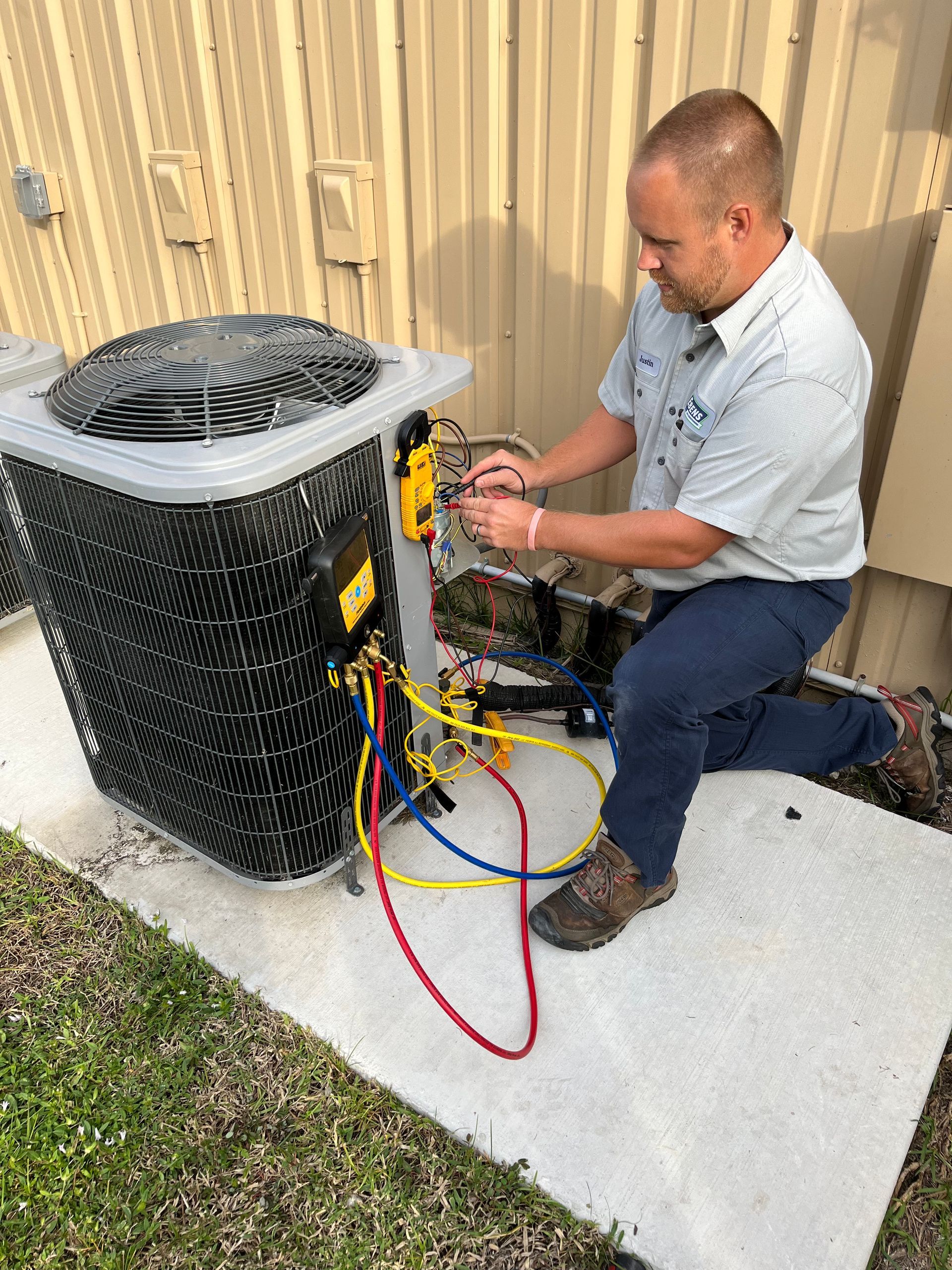
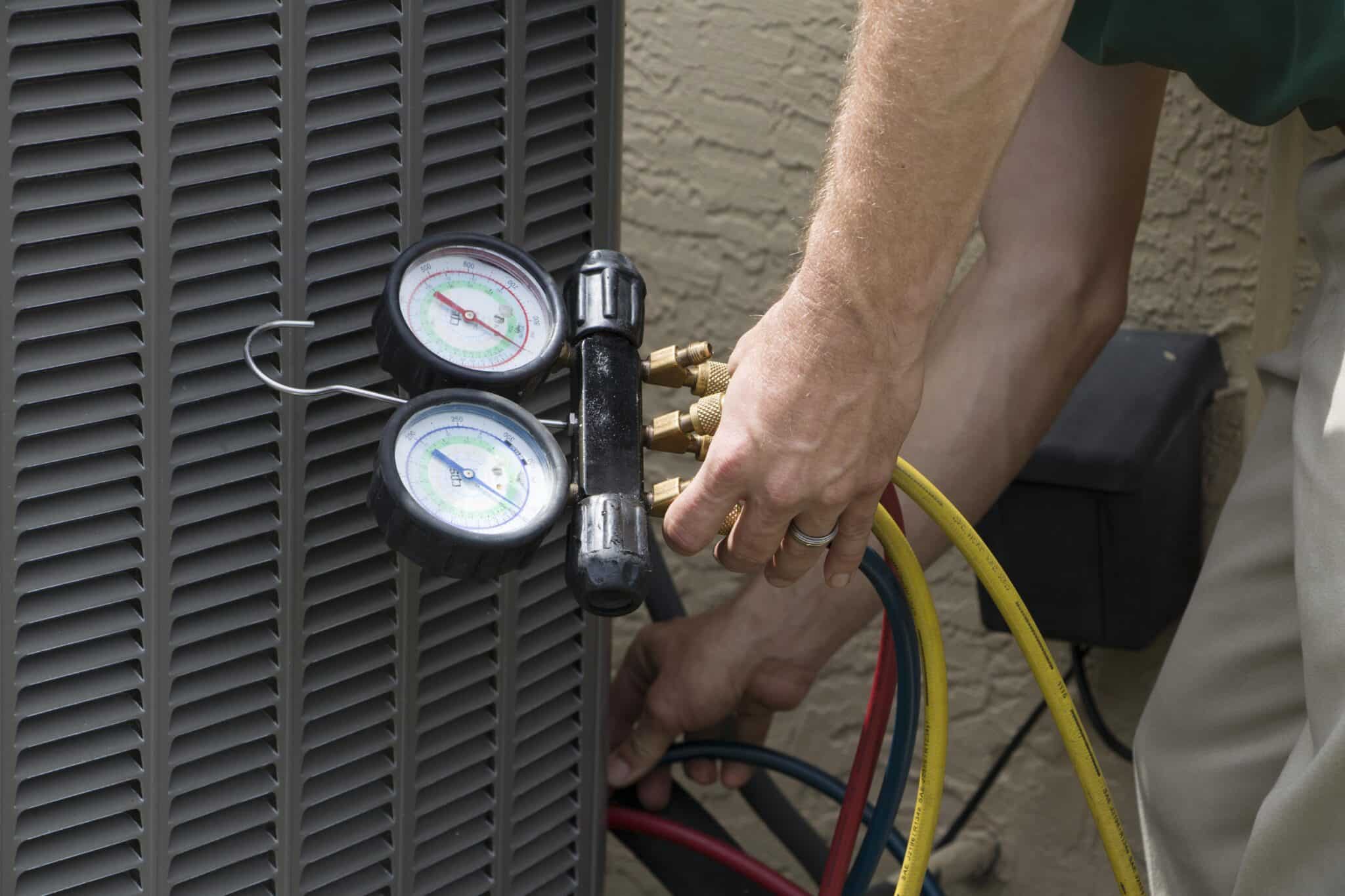
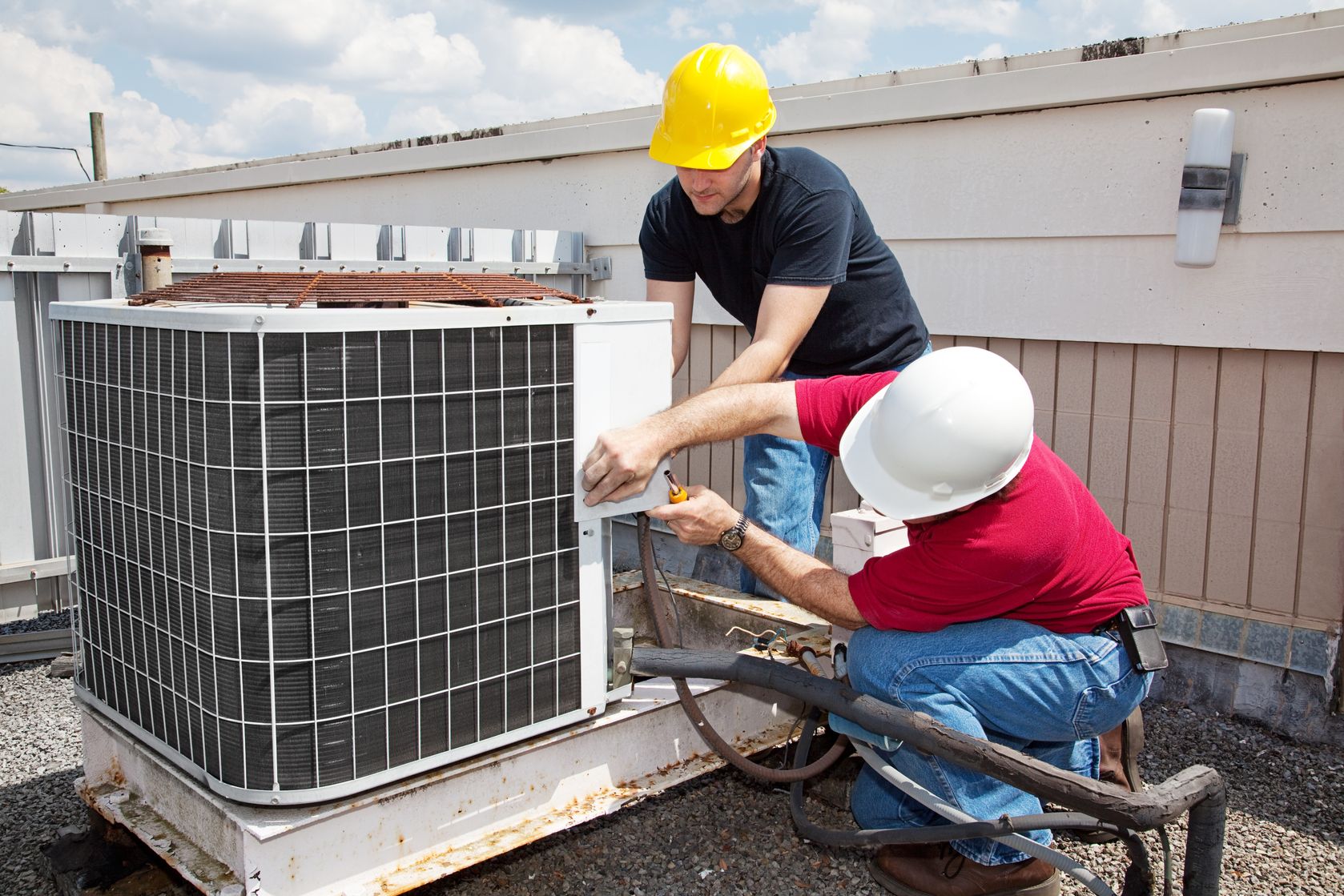
In Port St. Lucie, a functional air conditioning system is a critical utility rather than a luxury. Residents seeking AC repair in Port St. Lucie should prioritize licensed HVAC technicians capable of handling refrigerant transitions, high-efficiency SEER2 standards, and the unique corrosive challenges of the Florida Treasure Coast environment. Professional repair typically involves diagnostic testing, electrical component replacement, or refrigerant leak detection to restore cooling efficiency.
Living on the Florida coast presents unique challenges for mechanical systems. The combination of intense sub-tropical heat, high humidity, and salt-laden air creates a grueling environment for outdoor condenser units and indoor air handlers alike. As we navigate the climate of 2026, the local HVAC industry has shifted significantly toward higher efficiency standards and more environmentally friendly refrigerants, making professional expertise more vital than ever for homeowners in St. Lucie County.
Understanding the Port St. Lucie HVAC Environment
Port St. Lucie's climate is characterized by long, humid summers and short, mild winters. This means air conditioning systems often run for more than 2,500 hours per year. This constant operation leads to accelerated wear and tear on mechanical components that might last much longer in northern climates.
The Impact of Humidity and Salt Air
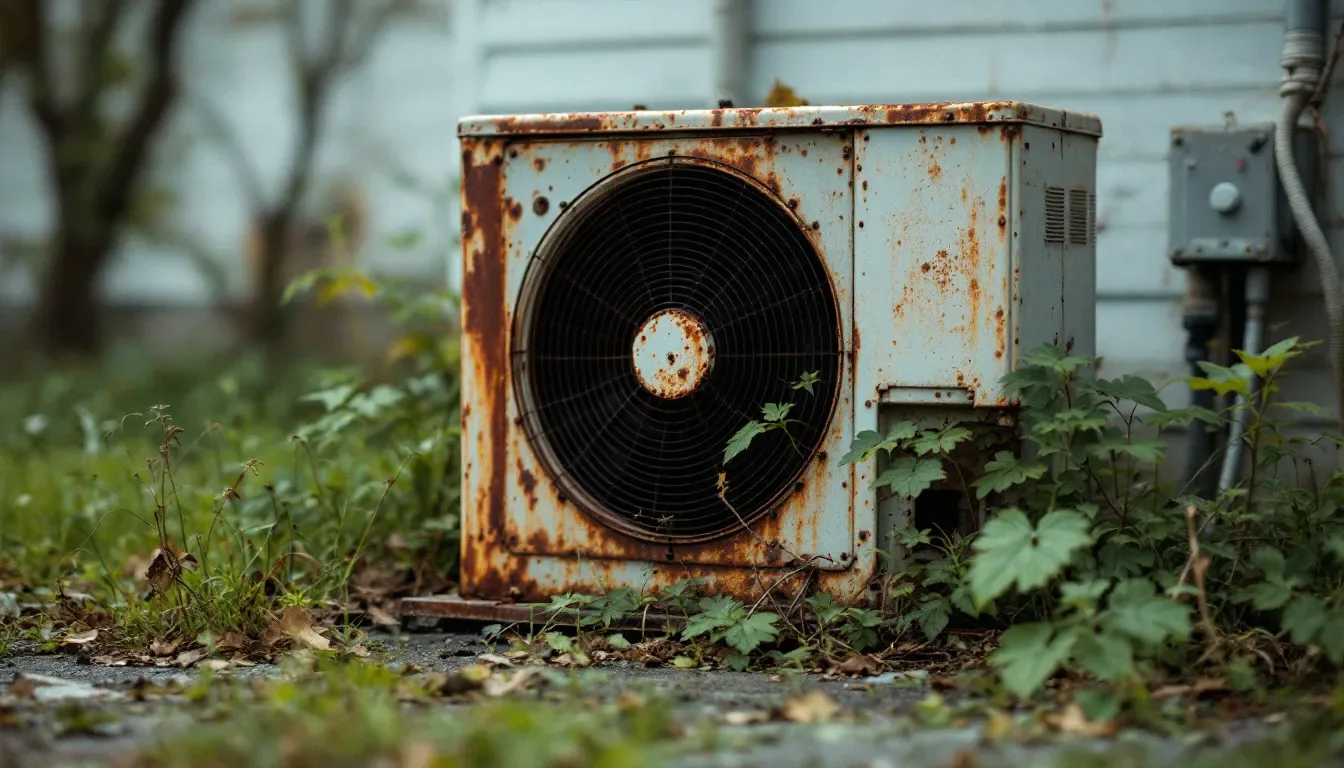
High humidity levels, often exceeding 80%, place a massive latent load on AC systems. Your air conditioner does not just cool the air; it dehumidifies it. When a system is poorly maintained, it fails to remove moisture effectively, leading to "sticky" indoor air and the potential for biological growth within the ductwork. Furthermore, for homes located closer to the Atlantic or along the North Fork of the St. Lucie River, salt air can lead to "pitting" and corrosion of the aluminum fins on the outdoor condenser coil. This corrosion reduces the system's ability to dissipate heat, forcing the compressor to work harder and eventually leading to premature failure.
The Shift to SEER2 and Modern Efficiency
By 2026, the transition to SEER2 (Seasonal Energy Efficiency Ratio 2) standards is fully mature. These regulations, which updated the testing procedures to better reflect real-world external static pressure, mean that older systems (pre-2023) are increasingly expensive to repair when major components fail. Modern repairs in Port St. Lucie often involve interfacing with variable-speed motors and communicating thermostats that require specialized diagnostic tools.
Common Reasons for AC Repair in Port St. Lucie
Identifying the root cause of an AC failure is the first step toward a permanent solution. In the Treasure Coast region, several specific issues tend to recur more frequently than others.
1. Clogged Condensate Drain Lines
This is arguably the most common service call in Port St. Lucie. Because the AC removes so much moisture from the humid Florida air, the drain line (usually a 3/4 inch PVC pipe) can become a breeding ground for algae and "sludge." When the line clogs, water backs up. Modern systems have a float switch that shuts the system down to prevent flooding, but older systems may leak water directly into the ceiling or floor.
2. Failed Capacitors and Contactors
The intense heat in St. Lucie County causes electrical components to degrade. The start/run capacitor, which provides the initial "jolt" to start the compressor and fan motor, is sensitive to heat and power surges (common during Florida’s frequent summer thunderstorms). A failed capacitor is often signaled by a humming sound from the outdoor unit while the fan remains stationary.
3. Refrigerant Leaks and the A2L Transition
In 2026, the industry has largely moved away from R-410A toward A2L refrigerants like R-454B and R-32. If you have an older system leaking R-410A, the cost of "recharging" the system has become prohibitively expensive due to production phase-downs mandated by the EPA’s AIM Act. Professional repair now focuses on locating the leak via electronic "sniffers" or ultraviolet dye rather than simply topping off the gas.
4. Evaporator Coil Corrosion (Formicary Corrosion)
Florida's indoor air can sometimes contain trace amounts of household chemicals (from cleaners or building materials) which, when combined with moisture on the copper or aluminum coils, cause formicary corrosion. This leads to microscopic pinhole leaks that are notoriously difficult to repair and often necessitate a full coil replacement.
Average Costs for AC Repair in Port St. Lucie (2026)
Pricing for HVAC services in Florida reflects the high demand and the specialized licensing required by the Florida Department of Business and Professional Regulation (DBPR). While prices vary by contractor, the following table provides a breakdown of what residents should expect for common repairs.
| Service Type | Estimated Cost Range (2026) | Urgency Level | Typical Duration |
|---|---|---|---|
| Diagnostic/Service Call Fee | $85 – $160 | Standard | 30–60 Minutes |
| Capacitor Replacement | $175 – $350 | High | 30 Minutes |
| Condensate Line Flush/Clear | $150 – $250 | High | 1 Hour |
| Blower Motor Replacement | $500 – $1,200 | Critical | 2–3 Hours |
| Refrigerant Leak Search | $250 – $500 | Medium | 1–2 Hours |
| Refrigerant Recharge (R-410A) | $150 – $300 per lb | Medium | 1 Hour |
| Contactor Replacement | $200 – $400 | High | 45 Minutes |
| Evaporator Coil Replacement | $1,800 – $3,500 | Critical | 4–6 Hours |
Note: Costs are estimates and can fluctuate based on equipment brand (e.g., Trane, Carrier, Rheem) and warranty status.
How to Choose a Licensed HVAC Contractor in St. Lucie County
With hundreds of HVAC companies serving the Port St. Lucie, Tradition, and St. Lucie West areas, selecting a trustworthy provider is essential. Florida has strict requirements for mechanical contractors, and hiring an unlicensed individual can void your equipment warranty and leave you with no legal recourse if the work is faulty.
Verify the License
Ensure the contractor holds a Certified Residential Air Conditioning Contractor (Class B) or Certified Air Conditioning Contractor (Class A) license. You can verify these credentials through the Florida DBPR portal. Class A contractors can work on any size unit, while Class B is limited to systems under a certain cooling capacity (usually sufficient for most residential homes).
Check for NATE Certification
The North American Technician Excellence (NATE) certification is the gold standard for individual technicians. While the company holds the state license, NATE certification ensures that the specific person working on your unit has passed rigorous testing on modern HVAC chemistry and physics.
Look for Local Knowledge
A contractor based in West Palm Beach may not be as familiar with the specific soil and moisture conditions in the Southbend or Sandpiper areas of Port St. Lucie. Local companies often have better response times for emergency repairs during the "peak" months of July and August when demand skyrockets.
Troubleshooting Before You Call for Repair
Before committing to a service fee, Port St. Lucie homeowners should perform a few basic checks. Many "broken" systems are actually the result of simple maintenance oversights.
- Check the Thermostat: Ensure the batteries are fresh and the setting is on "Cool" and "Auto" rather than "On" (which runs the fan continuously without cooling).
- Inspect the Air Filter: A heavily clogged filter restricts airflow so severely that the evaporator coil can freeze into a block of ice. If you see ice on the copper lines, turn the system off immediately and let it melt before the technician arrives.
- Check the Breaker Panel: Air conditioners pull a high amount of amperage. A power surge during a local storm may have tripped the circuit breaker. Flip it to "Off" and then back to "On" to reset it.
- Clear the Drain Pan: If you see water in the secondary emergency pan under your indoor unit, your drain line is clogged. Sucking out the line from the exterior with a wet/dry vac can sometimes resolve the issue instantly.
The Importance of Maintenance in the 2026 Climate
By 2026, "predictive maintenance" has become more common. Many new systems installed in Port St. Lucie homes now include sensors that alert homeowners to declining performance before a total breakdown occurs. However, manual inspections remain indispensable.
Professional maintenance, often called a "Tune-Up," should occur twice a year in Florida—once before the peak summer heat and once in the autumn. A standard maintenance visit in Port St. Lucie should include:
- Cleaning the Condenser Coil: Removing grass clippings, dirt, and salt deposits.
- Checking Refrigerant Pressures: Ensuring the system is operating within the manufacturer’s specified subcooling or superheat ranges.
- Tightening Electrical Connections: Heat causes wires to expand and contract, which can loosen terminals over time.
- Applying Algaecide Tablets: Preventing the "sludge" buildup in the condensate drain line.
High-Efficiency Upgrades and Rebates
If your AC repair estimate exceeds 50% of the cost of a new system, or if your unit is over 10-12 years old, it may be time to consider a replacement. In 2026, federal incentives and local utility programs (such as those from Florida Power & Light) often provide rebates for installing high-efficiency heat pumps.
Modern heat pumps are exceptionally efficient at cooling and provide the necessary heat for those few cold nights in January. By choosing a system with a higher SEER2 rating, Port St. Lucie residents can significantly reduce their monthly FPL bills, which can be a major factor given the rising costs of energy.
FAQ: AC Repair in Port St. Lucie
Why is my AC running but not cooling the house?
This is typically caused by either a dirty evaporator coil, a refrigerant leak, or a failing compressor. In Port St. Lucie, it is also common for the outdoor fan to fail while the compressor keeps running; this prevents heat exchange, and the system will eventually shut down on a high-pressure limit. Turn the system off to prevent compressor damage and call a technician.
How often should I change my AC filter in Florida?
In the Port St. Lucie climate, you should check your filter every 30 days. If you use standard 1-inch pleated filters, they generally need replacement every 1 to 3 months. If you have pets or allergies, or if you live near active construction (common in the Tradition area), you may need to change them more frequently to prevent airflow restriction.
Is it worth repairing an R-22 air conditioner in 2026?
Generally, no. R-22 refrigerant was phased out years ago, and by 2026, the cost of the gas alone is astronomical. Furthermore, the components in an R-22 system are likely 15+ years old. Investing thousands into an obsolete system is rarely a sound financial decision compared to the energy savings of a modern SEER2 unit.
My AC is making a loud screeching noise. What should I do?
A screeching or squealing noise usually indicates a failing bearing in the blower motor or the outdoor fan motor. If it sounds like metal-on-metal screaming, it could be the compressor's internal valves failing. Shut the system down immediately to avoid a catastrophic electrical short or fire hazard.
Does homeowners insurance cover AC repair?
Standard homeowners insurance usually only covers AC damage if it was caused by a "covered peril," such as a fire, a fallen tree during a hurricane, or theft. It does not cover wear and tear, lack of maintenance, or mechanical breakdown. For those types of issues, a separate home warranty or a service agreement with a local HVAC company is required.
Final Recommendation for Port St. Lucie Homeowners
When faced with a cooling emergency, do not settle for the first available technician without verifying their credentials. For the best results with AC repair in Port St. Lucie, look for a company that offers 24/7 emergency service, provides transparent upfront pricing, and employs NATE-certified technicians.
The most cost-effective way to manage your HVAC system is to prevent repairs before they happen. Join a local maintenance program to ensure your drain lines stay clear and your electrical components are tested before the extreme heat of the Florida summer arrives. If your system is struggling, address the issue early; a small refrigerant leak or a failing capacitor is much cheaper to fix than a burned-out compressor resulting from overwork.