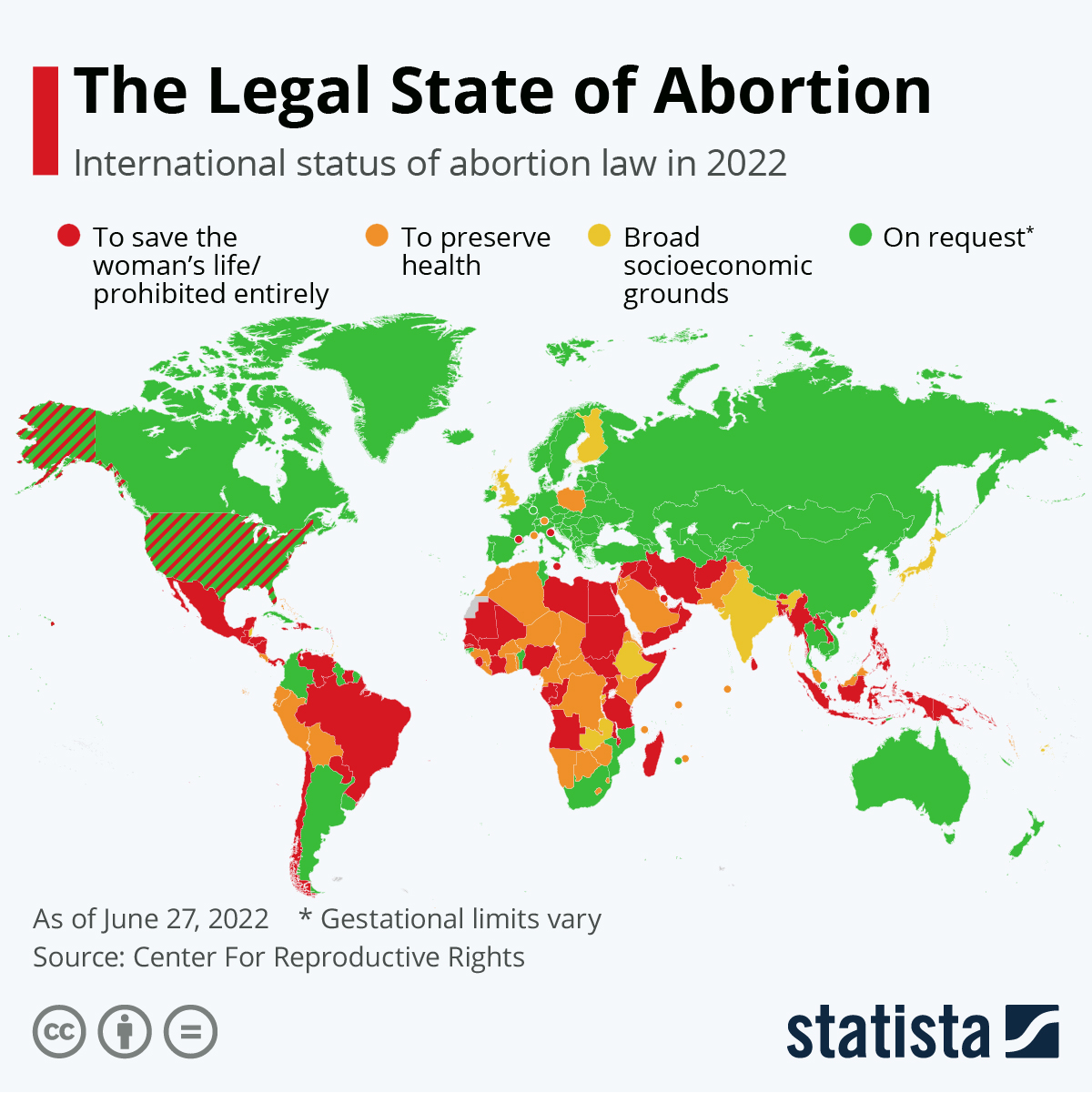
Accessing abortion in Korea involves navigating a unique post-decriminalization landscape where medical advancements like abortion pills coexist with institutional hurdles, varying hospital willingness, and evolving National Health Service coverage.
The Legal Landscape: Decriminalization and the Legislative Vacuum
The legal framework governing abortion in Korea underwent a massive transformation following a landmark 2019 ruling by the Constitutional Court. For decades, South Korea’s Criminal Act strictly outlawed abortion under Articles 269 and 270, imposing criminal penalties on both pregnant individuals and the medical professionals performing the procedures, with very narrow exceptions under the Mother and Child Health Act (such as cases involving rape, hereditary disorders, or a direct threat to the pregnant person's life).
On April 11, 2019, the Constitutional Court ruled these abortion bans unconstitutional, declaring that they infringed upon a woman's right to self-determination. The court ordered the National Assembly to revise the laws by December 31, 2020. However, political gridlock prevented lawmakers from passing a revised statute before the deadline. Consequently, the provisions criminalizing abortion lost their legal effect on January 1, 2021.
Despite this legal vacuum, the absence of a replacement statute has created a complex bureaucratic and medical environment. Without a codified legal framework specifying gestational limits for elective procedures, or explicit statutory guidelines for minors and insurance reimbursement, the medical community has operated in a gray area. While abortion is no longer a crime under South Korean criminal law, the lack of formal legislation leaves both patients and providers without clear statutory protections, resulting in inconsistent access across different regions and healthcare institutions.
Medical Abortion Pills and Pharmacy Availability
A critical development in reproductive healthcare access in Korea involves the introduction and regulatory status of medical abortion pills, most notably Mifegyne (mifepristone and misoprostol). While medical abortion has been widely used globally for decades and is approved by the World Health Organization as an essential medicine, its commercial availability in South Korea has faced prolonged administrative delays.
The pharmaceutical company Hyundai Pharm submitted an application for the import and authorization of Mifegyne to the Ministry of Food and Safety (MFDS) in July 2021. However, as of 2026, the drug remains under rolling review, pending final approval and official distribution channels.
- Current Status: Because Mifegyne has not yet received final regulatory clearance for domestic commercial distribution, it cannot be legally prescribed or dispensed through standard South Korean pharmacies.
- Alternative Acquisition Risks: Some individuals attempt to source medical abortion pills online via international mail-order services. Regulators and medical professionals caution that these online channels carry severe legal and health risks, including counterfeit medications, lack of medical supervision, and potential customs seizures under South Korean pharmaceutical laws.
- Surgical Interventions: Due to the regulatory status of medical abortion pills, the vast majority of legal pregnancy terminations in South Korea are performed via surgical methods, primarily suction curettage, administered in clinical or hospital settings by licensed obstetrician-gynecologists.
Healthcare System and Insurance Coverage
Navigating the financial and logistical aspects of obtaining an abortion in Korea requires an understanding of the National Health Service (NHS) and private hospital pricing structures. Following the 2019 decriminalization ruling, the Ministry of Health and Welfare announced intentions to integrate abortion care into the National Health Insurance system, but full implementation has lagged behind policy announcements.
Currently, health insurance coverage for abortion procedures is fragmented. While certain therapeutic abortions—such as those necessitated by severe fetal abnormalities, risk to the pregnant person’s physical health, or specific provisions under the legacy Mother and Child Health Act—may qualify for partial national health insurance subsidies, elective abortions largely remain out-of-pocket expenses.
| Procedure Type / Care Stage | National Health Insurance Coverage | Estimated Out-of-Pocket Cost (KRW) |
|---|---|---|
| Therapeutic / Medical Necessity | Partially Covered (Subject to review) | 200,000₩ – 500,000₩ |
| Elective / First Trimester (Surgical) | Generally Not Covered | 500,000₩ – 1,500,000₩ |
| Elective / Second Trimester (Surgical) | Not Covered | 1,500,000₩ – 3,500,000₩+ |
| Initial Consultation & Ultrasound | Varies (Often out-of-pocket for elective care) | 30,000₩ – 100,000₩ |
Note: Costs vary significantly depending on the gestational age, the choice between local or general anesthesia, and whether the procedure is performed in a private clinic versus a major university hospital.
Access Challenges, Hospital Refusals, and Conscientious Objection
Even though abortion is legal in South Korea, finding a provider can present significant logistical hurdles. The lack of standardized legislation has left a regulatory vacuum regarding "conscientious objection."
Many obstetrician-gynecologists and private clinics refuse to perform abortions due to personal moral beliefs, religious convictions, or a fear of professional liability in the absence of clear statutory guidelines. Hospitals are not legally mandated to provide abortion services or to refer patients to alternative providers who do. Consequently, patients often face institutional barriers, including:
- Geographic Disparities: Access is heavily concentrated in major urban centers like Seoul, whereas patients in rural provinces or smaller cities may find zero local clinics willing to perform the procedure.
- Information Asymmetry: Because hospitals are cautious about advertising abortion services due to historical stigma, patients often have to rely on word-of-mouth, specialized online communities, or direct phone inquiries to find willing practitioners.
- Gestational Limits Imposed by Clinics: In the absence of a national legal limit, individual clinics establish their own internal gestational cutoffs—frequently refusing procedures past 10 to 12 weeks of pregnancy, regardless of medical safety parameters.
Support Systems and Resources for Foreigners and Minors
Navigating reproductive healthcare in a foreign country or as a minor introduces additional layers of complexity, language barriers, and legal requirements.
Considerations for Foreign Nationals
Foreign residents in South Korea—including English teachers, corporate employees, and international students—are generally eligible to access healthcare services, provided they are enrolled in the National Health Insurance Service (NHIS). However, because elective abortion is largely uninsured, foreign patients pay the full out-of-pocket commercial rate. Language barriers can make locating a sympathetic, English-speaking obstetrician difficult; organizations such as the Seoul Global Center or local community health advocacy groups often assist in identifying foreign-friendly medical facilities.
Considerations for Minors
Under South Korean civil law, individuals under the age of 19 are classified as minors. The legal framework surrounding medical consent for minors undergoing abortion is particularly sensitive. While the Constitutional Court emphasized bodily autonomy, medical institutions typically require parental or legal guardian consent for patients under 19 before performing surgical procedures, unless exceptional emergency circumstances apply. Minors facing unplanned pregnancies can seek confidential counseling through government-funded youth support agencies, such as the Ministry of Gender Equality and Family’s designated counseling networks.
Frequently Asked Questions
Is abortion completely legal in South Korea?
Yes. Abortion was decriminalized following a 2019 Constitutional Court ruling that struck down the historical criminal penalties. However, because the National Assembly has not passed a replacement statute, the procedure operates in a legal vacuum without standardized statutory guidelines for gestational limits or mandatory insurance coverage.
Can I buy abortion pills legally at a pharmacy in Korea?
No. Medical abortion pills such as Mifegyne have not yet received final commercial approval from the Ministry of Food and Safety (MFDS) and cannot be legally prescribed or dispensed through South Korean pharmacies. Most procedures are performed surgically in clinical settings.
Does National Health Insurance cover the cost of an abortion?
Elective abortions are generally not covered by South Korea's National Health Insurance, meaning patients pay entirely out-of-pocket. Partial insurance subsidies may apply only in specific cases deemed medically necessary under legacy health guidelines.
How much does a surgical abortion cost in South Korea?
Costs vary based on gestational age and the type of clinic. First-trimester surgical procedures typically range from 500,000 to 1,500,000 Korean Won (KRW), while second-trimester procedures can exceed 3,500,000 KRW. Initial consultations, ultrasounds, and anesthesia are billed separately.
Can a hospital refuse to perform an abortion?
Yes. Due to the lack of codified legislation regulating conscientious objection, individual doctors and private medical clinics retain the right to refuse abortion services based on personal beliefs, and they are not legally required to provide patient referrals.
Are minors required to have parental consent for an abortion in Korea?
Most hospitals and medical practitioners require parental or legal guardian consent for patients under the age of 19 due to statutory minority rules regarding medical procedures, making early consultation with specialized counselors vital for unsupported minors.
Next Actions and Clinical Guidance
For individuals navigating pregnancy termination in South Korea, the most reliable first step is to schedule a confidential consultation with a licensed obstetrician-gynecologist at a private women's clinic or major medical center to confirm gestational age and evaluate health status. Because hospital policies and pricing vary widely, contacting clinics directly to confirm whether they perform the procedure is essential. Patients seeking emotional, legal, or financial guidance can also reach out to specialized advocacy organizations, women's health NGOs, or local public health centers for confidential support and resource navigation.