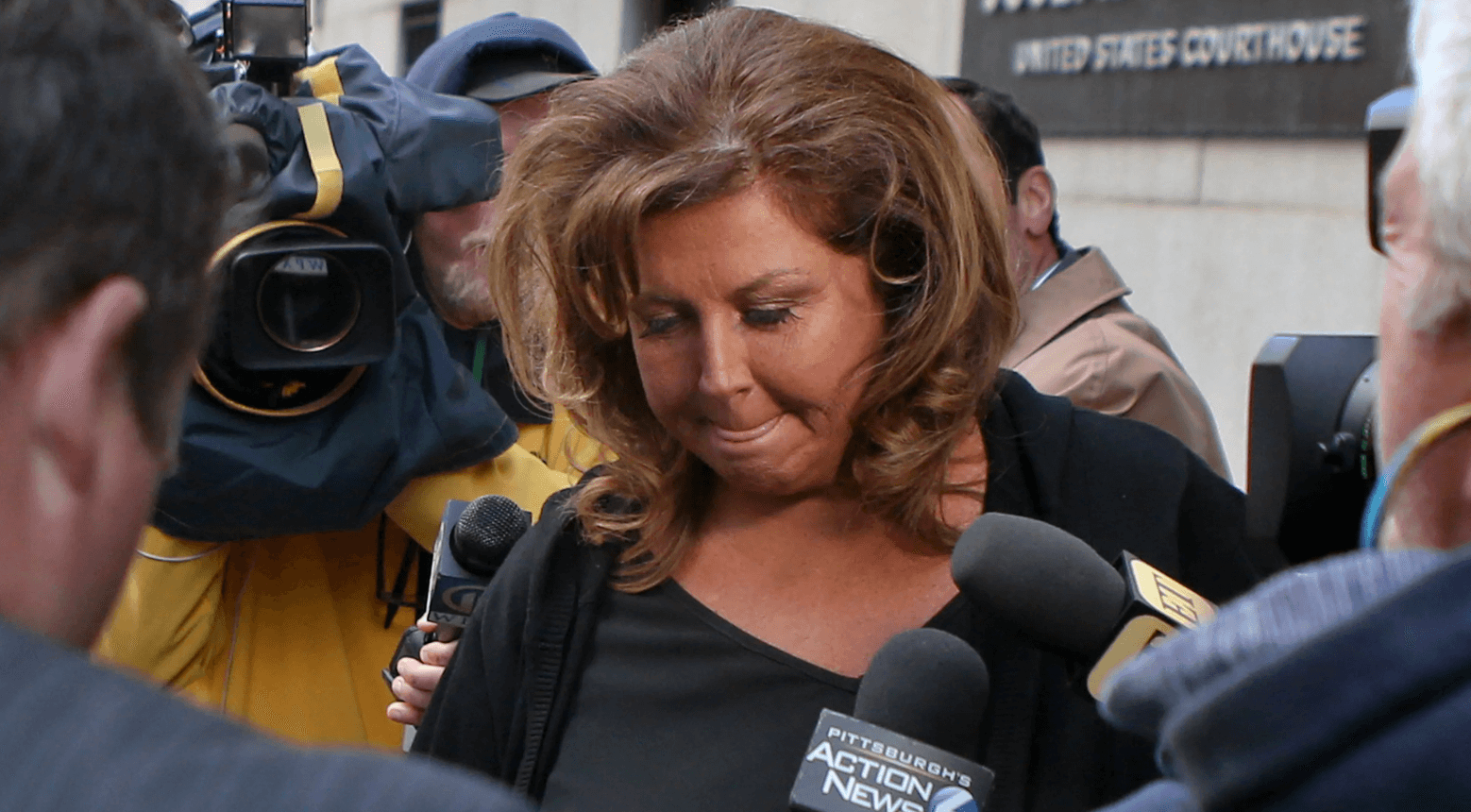
Abby Lee Miller served eight months in federal prison followed by time in a halfway house after pleading guilty to bankruptcy fraud and customs violations in 2016. The former Dance Moms star concealed over $755,000 of income during reorganization proceedings and smuggled Australian currency into the United States, resulting in a sentence of one year and one day.
The Origins of the Federal Investigation
The legal troubles for reality television personality and dance instructor Abby Lee Miller began long before federal prosecutors issued a formal indictment. In December 2010, Miller filed for Chapter 11 bankruptcy reorganization in the U.S. Bankruptcy Court for the Western District of Pennsylvania. At the time, her business, the Abby Lee Dance Company (ALDC) based in Penn Hills, Pennsylvania, was facing mounting debt, including tax liens and unpaid real estate liabilities.
Chapter 11 bankruptcy is designed to allow individuals and businesses to reorganize their financial obligations under court supervision. Debtors are legally obligated to make complete, accurate disclosures regarding all income, assets, bank accounts, and commercial contracts so the court and creditors can determine a fair repayment schedule.
However, shortly after filing her bankruptcy petition, Miller signed contracts that transformed her financial standing. In 2011, Lifetime premiered Dance Moms, a reality television show centered around Miller's dance studio. The show quickly became a pop-culture phenomenon, generating substantial revenue through talent fees, spin-off programs, masterclasses, apparel sales, and personal appearances.
How the Bankruptcy Judge Uncovered the Fraud
The fraudulent concealment might have gone unnoticed had it not been for a chance encounter by the presiding federal bankruptcy judge, Chief U.S. Bankruptcy Judge Thomas P. Agresti. In late 2012, while watching television, Judge Agresti happened to channel-surf past episodes of Dance Moms and Abby's Ultimate Dance Competition.
Recognizing Miller as the debtor in his courtroom, the judge realized that her television presence indicated earnings far exceeding the modest income reported in her bankruptcy filings. At that point, Miller had failed to update her bankruptcy schedules to disclose income from her television show contracts, spin-offs, and merchandise sales. Judge Agresti canceled a scheduled debt-rejection hearing and ordered a full audit of her finances, setting in motion a multi-year federal criminal investigation led by the Internal Revenue Service (IRS), the Federal Bureau of Investigation (FBI), and the Special Investigations Unit of the U.S. Department of Justice.
Breakdown of the Legal Charges
In October 2015, a federal grand jury in Pittsburgh returned a 20-count indictment against Abby Lee Miller. The indictment charged her with multiple financial crimes related to her bankruptcy proceedings and intentional asset concealment.
Note: Financial reporting obligations under U.S. Bankruptcy Code (11 U.S.C.) require strict disclosure of all post-petition income. Intentional failure to disclose assets constitutes a federal felony punishable under 18 U.S.C. § 152.
Bankruptcy Fraud and Asset Concealment
The core of the federal case focused on Miller's deliberate scheme to hide earnings from the bankruptcy court, her creditors, and the court-appointed trustee. Prosecutors presented evidence showing that Miller created hidden bank accounts under corporate names, such as Masterclass Productions LLC, to route television payouts, dance event proceeds, and online merchandise sales away from judicial oversight.
Specific elements of the bankruptcy charges included:
- Concealment of Bankruptcy Assets: Secretly holding over $755,000 in income generated between 2012 and 2013 from Lifetime talent fees, apparel sales, and international dance workshops.
- False Bankruptcy Declarations: Making sworn statements under penalty of perjury that omitted secondary bank accounts and ongoing income streams.
- Bankruptcy Fraud: Engaging in a continuous scheme to defraud creditors by making false representations regarding total liquid assets.
Customs Violations: The Australian Money Smuggling Incident
While awaiting trial on the bankruptcy charges, Miller incurred additional legal liability during an international tour. In June 2016, federal prosecutors filed an additional criminal information charge accusing Miller of violating federal customs law.
During a 2014 masterclass tour in Australia, Miller and her associates earned substantial cash income in foreign currency. Under federal law (31 U.S.C. § 5316), any individual transporting currency or monetary instruments exceeding $10,000 across U.S. borders must file a Financial Crimes Enforcement Network (FinCEN) Currency Reporting Form.
To bypass this reporting requirement, Miller instructed members of her entourage—including parents of her young dancers—to divide approximately $120,000 in Australian currency into smaller sums under $10,000. The cash was concealed in plastic Ziploc bags inside suitcases and brought into the United States without declaration. Federal agents uncovered the scheme after discovering correspondence where Miller discussed breaking up cash payments to avoid customs inspection.
Sentence Details: Expectations vs. Reality
In June 2016, Miller entered a guilty plea in federal court to one count of concealment of bankruptcy assets and one count of structuring international currency transactions.
Under federal sentencing guidelines, Miller faced a maximum statutory penalty of up to five years in federal prison and potential fines of $250,000 for the bankruptcy count, alongside up to five years and a $250,000 fine for the customs violation. Federal prosecutors initially sought a prison term between 24 and 30 months, citing the deliberate nature of the scheme and the substantial amount of hidden money.
The Final Court Judgment
On May 9, 2017, U.S. District Judge Joy Flowers Conti delivered the final sentence in Pittsburgh federal court. Judge Conti considered several factors, including Miller's eventual repayment of creditors prior to sentencing, her lack of prior criminal history, and her public profile.
The court imposed the following penalties:
- Incarceration: A term of one year and one day (366 days) in federal prison. The extra day beyond one year allowed Miller to become eligible for "good conduct time" credits under federal law, which reduces a sentence by up to 15 percent.
- Supervised Release: Two years of court-supervised probation following release from prison.
- Financial Penalties: A fine of $40,000, a forfeit judgment of $120,000 for the customs violation, and a mandatory $500 court assessment fee.
Key Milestones of the Abby Lee Miller Case
| Date | Event / Proceeding | Legal Impact / Ruling | Financial / Custodial Outcome |
|---|---|---|---|
| December 2010 | Chapter 11 Bankruptcy Filing | Initiated court protection from creditors | Reported debt restructuring begins |
| December 2012 | Bankruptcy Fraud Uncovered | Judge Agresti halts proceedings; federal audit ordered | Investigation into hidden revenue streams |
| October 2015 | Federal Grand Jury Indictment | Charged with 20 counts of bankruptcy fraud | Potential 5-year prison sentence |
| June 2016 | Formal Plea Agreement | Guilty plea to asset concealment and customs violation | Dismissal of remaining 19 counts |
| May 9, 2017 | Formal Federal Sentencing | Sentenced by Judge Joy Flowers Conti | 366 days prison; $160,500 total fines |
| July 12, 2017 | Prison Surrender | Surrendered to Federal Bureau of Prisons | Committed to FCI Victorville |
| March 27, 2018 | Transfer to Residential Reentry | Moved to halfway house | Commenced transitional custody |
| May 25, 2018 | Official Release from BOP Custody | Term of imprisonment completed | Began 2-year supervised release |
Time Served and Life Inside FCI Victorville
On July 12, 2017, Miller officially surrendered to federal authorities to begin serving her sentence. She was assigned to the Federal Correctional Institution (FCI) Victorville Medium Camp, a minimum-security federal prison camp for female offenders located in Victorville, California.
Prison Conditions and Early Release Mechanisms
During her tenure at FCI Victorville, Miller was housed in a dorm-style facility rather than a traditional cellblock. Like other inmates in federal prison camps, she was assigned daily institutional work details, including cleaning duties, food service tasks, and maintenance support.
Under the Federal Bureau of Prisons (BOP) system, non-violent offenders are eligible for early release credit through good conduct behavior and participation in institutional educational or vocational programs. By maintaining clean disciplinary records, Miller earned 47 days of good conduct time credit under 18 U.S.C. § 3624(b), effectively reducing her active custodial sentence from 366 days down to approximately 10 months.
Transition to the Halfway House
On March 27, 2018, after serving approximately eight and a half months at FCI Victorville, the Bureau of Prisons transferred Miller to the Long Beach Residential Reentry Center, a federal halfway house facility in Long Beach, California.
Residential Reentry Centers serve as transitional environments allowing inmates to rebuild community connections, secure employment, and access medical care while remaining under official BOP custody. While at the facility, Miller was permitted supervised day passes for approved activities, subject to strict curfews and drug testing protocols.
Medical Crisis: Burkitt Lymphoma and Paralysis
Miller’s time in federal custody was abruptly cut short not by legal interventions, but by a life-threatening medical emergency that emerged while she was residing at the halfway house.
In April 2018, Miller began experiencing excruciating neck pain, progressive weakness, and arm numbness. Initial medical evaluations attributed her symptoms to post-prison stress or muscle strain. However, as her condition rapidly deteriorated over several days, she was rushed to Emergency Care at St. John's Health Center in Santa Monica, California.
Emergency Surgery and Cancer Diagnosis
Emergency diagnostic imaging revealed a massive infection and tumor pressing against her spinal cord. An orthopedic surgeon performed an emergency ten-hour spinal laminectomy and decompression surgery to relieve pressure on her central nervous system.
Pathology results from the surgical biopsy confirmed a diagnosis of Burkitt lymphoma, an extremely rare, aggressive form of non-Hodgkin lymphoma that attacks the lymphatic system. The tumor mass had damaged her spinal nerves, leaving Miller completely paralyzed from the neck down at the time of her emergency operation.
Following the emergency surgery, Miller underwent intensive medical interventions, including:
- Chemotherapy: Multiple aggressive rounds of systemic chemotherapy targeted at eradicating the rapidly growing blood cancer cells.
- Rehabilitative Surgeries: Additional spinal stabilization procedures to replace compromised vertebrae and reinforce structural support.
- Physical and Occupational Therapy: Intensive inpatient rehabilitation aimed at regaining limited upper-body movement and mobility.
Because of her emergency hospitalization and severe medical condition, the Bureau of Prisons officially granted Miller early release from federal custody on May 25, 2018. Her official sentence concluded while she was undergoing inpatient cancer treatments, transitioning her directly to her court-mandated two-year supervised release period under medical accommodation.
Life After Prison: Legal Status and Career Rebuilding
Following her release from custody and her ongoing cancer treatments, Miller faced significant physical, legal, and professional adjustments.
Legal Supervision and Full Release
During her two-year supervised probation period, which ran from May 2018 through May 2020, Miller was required to comply with standard federal probation conditions. These included regular check-ins with a U.S. Probation Officer, restrictions on international travel, submission to financial audits, and strict prohibitions against further criminal acts.
Miller successfully completed her two years of federal probation without incident, fully satisfying all judicial penalties, financial restitutions, and criminal sentences imposed by the Western District of Pennsylvania.
Health Status and Physical Recovery
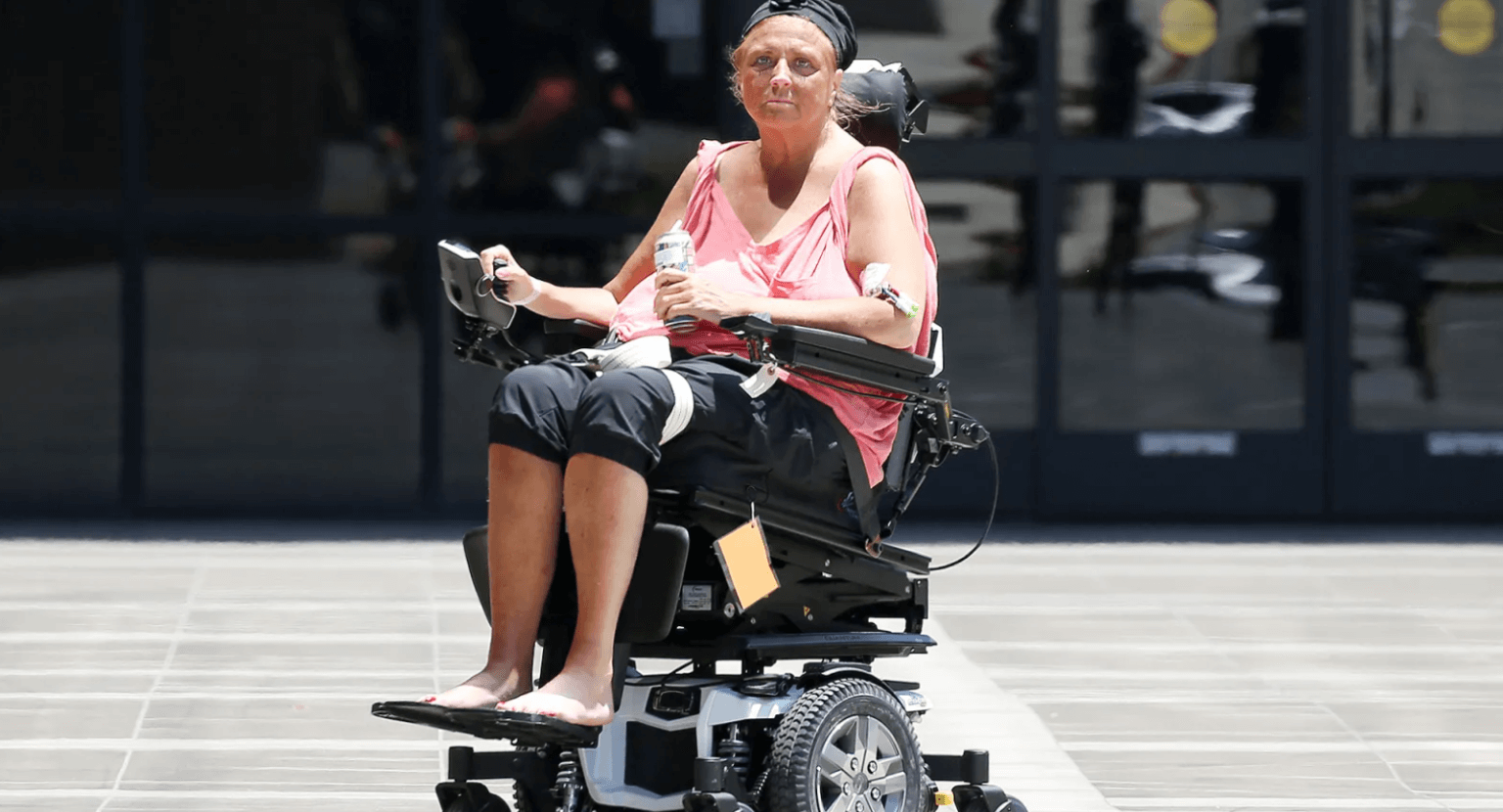
By mid-2019, following ten rounds of chemotherapy and extended rehabilitation, Miller announced that her Burkitt lymphoma was in full remission. However, due to severe nerve damage sustained prior to her initial spinal surgery, she suffered permanent physical disability.
Miller relies on an electric wheelchair for daily mobility and continues to undergo regular physical therapy to maintain upper-body strength and trunk stability. She has used her platform to advocate for accessibility awareness, medical patient self-advocacy, and early diagnostic care.
Media Return and Post-Incarceration Endeavors
Despite her conviction, prison sentence, and health crisis, Miller resumed her career in media and dance education:
- Return to Television: Miller returned to star in Season 8 of Dance Moms (subtitled Dance Moms: Resurrection), which aired on Lifetime in 2019. The season documented her return to teaching dance while utilizing a wheelchair and managing her health recovery.
- Studio Operations: She transitioned the operations of the Abby Lee Dance Company, expanding her brand into digital instruction, virtual masterclasses, direct-to-consumer online courses, and personal YouTube content creation.
- Public Speaking: Miller frequently speaks on celebrity legal challenges, life inside the federal prison system, and overcoming sudden disability.
Frequently Asked Questions
Why did Abby Lee Miller go to jail?
Abby Lee Miller went to jail after pleading guilty to federal charges of bankruptcy fraud and customs violations. She hid over $755,000 of income from the U.S. Bankruptcy Court during reorganization proceedings and instructed associates to smuggle over $120,000 of Australian currency into the U.S. without filing mandatory customs declarations.
How much time did Abby Lee Miller actually serve in prison?
Miller served approximately eight and a half months in a physical prison facility (FCI Victorville) out of her 366-day sentence. She was transferred to a federal halfway house in March 2018 and was officially released from Bureau of Prisons custody in May 2018 due to earned good behavior credits and medical emergencies.
Where did Abby Lee Miller serve her prison sentence?
Miller served the incarceration portion of her sentence at the Federal Correctional Institution (FCI) Victorville Medium Camp, a minimum-security federal prison facility for female offenders located in Victorville, California.
What disease was Abby Lee Miller diagnosed with in prison?
Shortly after being transferred from prison to a halfway house in April 2018, Miller was diagnosed with Burkitt lymphoma, a rare and aggressive form of non-Hodgkin lymphoma. The spinal tumor caused severe nerve compression, leaving her paralyzed from the chest down.
Did Abby Lee Miller pay back the money she hid?
Yes. Prior to her formal criminal sentencing in May 2017, Miller paid full restitution on the concealed bankruptcy funds to her creditors. Additionally, the federal judge ordered her to pay a $40,000 fine, a $120,000 customs forfeiture judgment, and a mandatory $500 court assessment.
Summary Takeaway
The legal case against Abby Lee Miller serves as a high-profile example of the severe consequences associated with federal bankruptcy fraud and money-structuring violations. While bankruptcy reorganization exists to assist struggling individuals and corporate entities, financial disclosures under federal law require absolute honesty.
Miller’s conviction resulted in a 366-day prison sentence, over $160,000 in direct judicial fines, and long-term consequences for her career. Despite undergoing federal imprisonment and surviving a paralyzing battle with Burkitt lymphoma, Miller fully resolved her legal obligations with the federal court system and continues her work as a public figure and dance instructor.