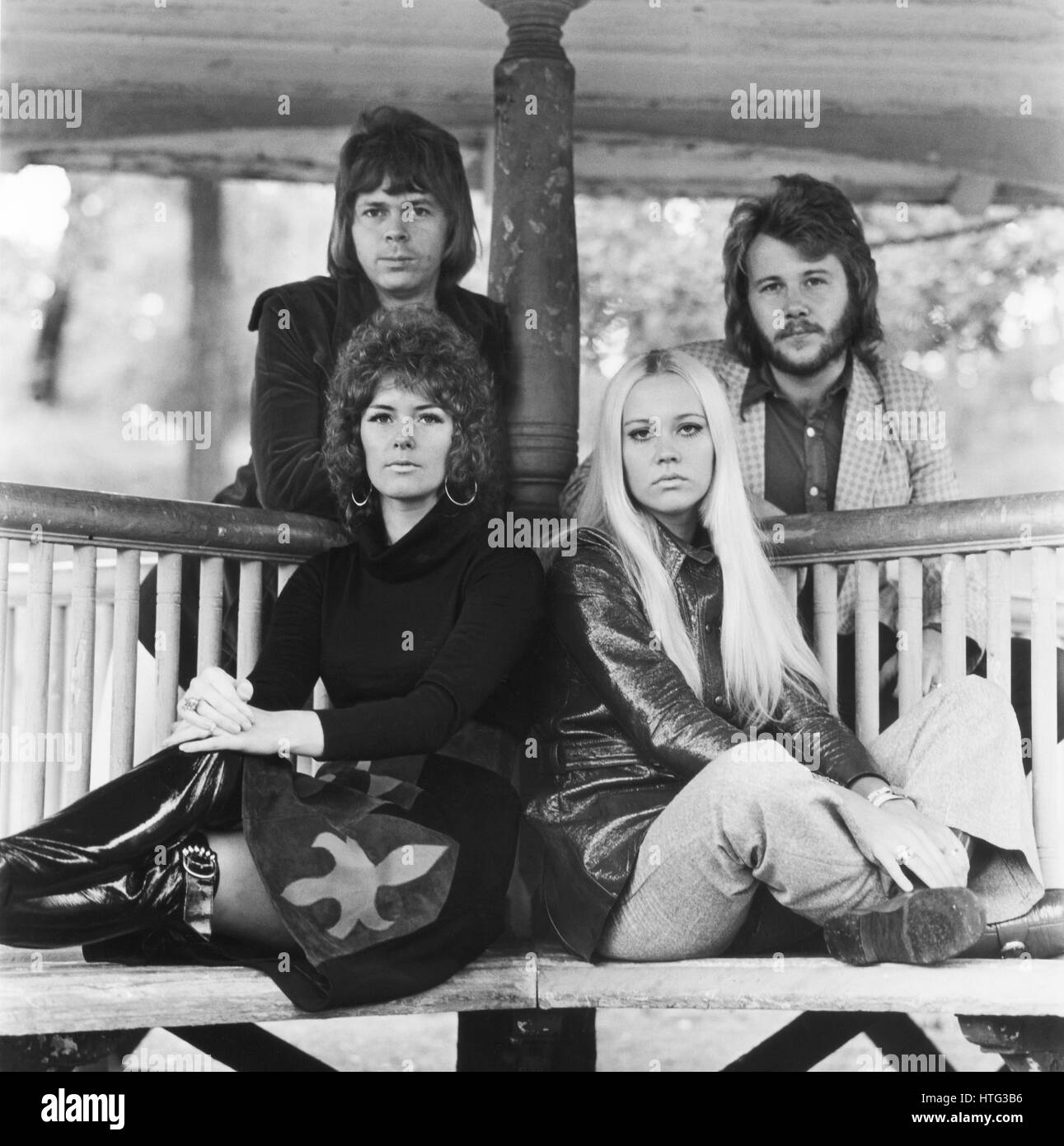
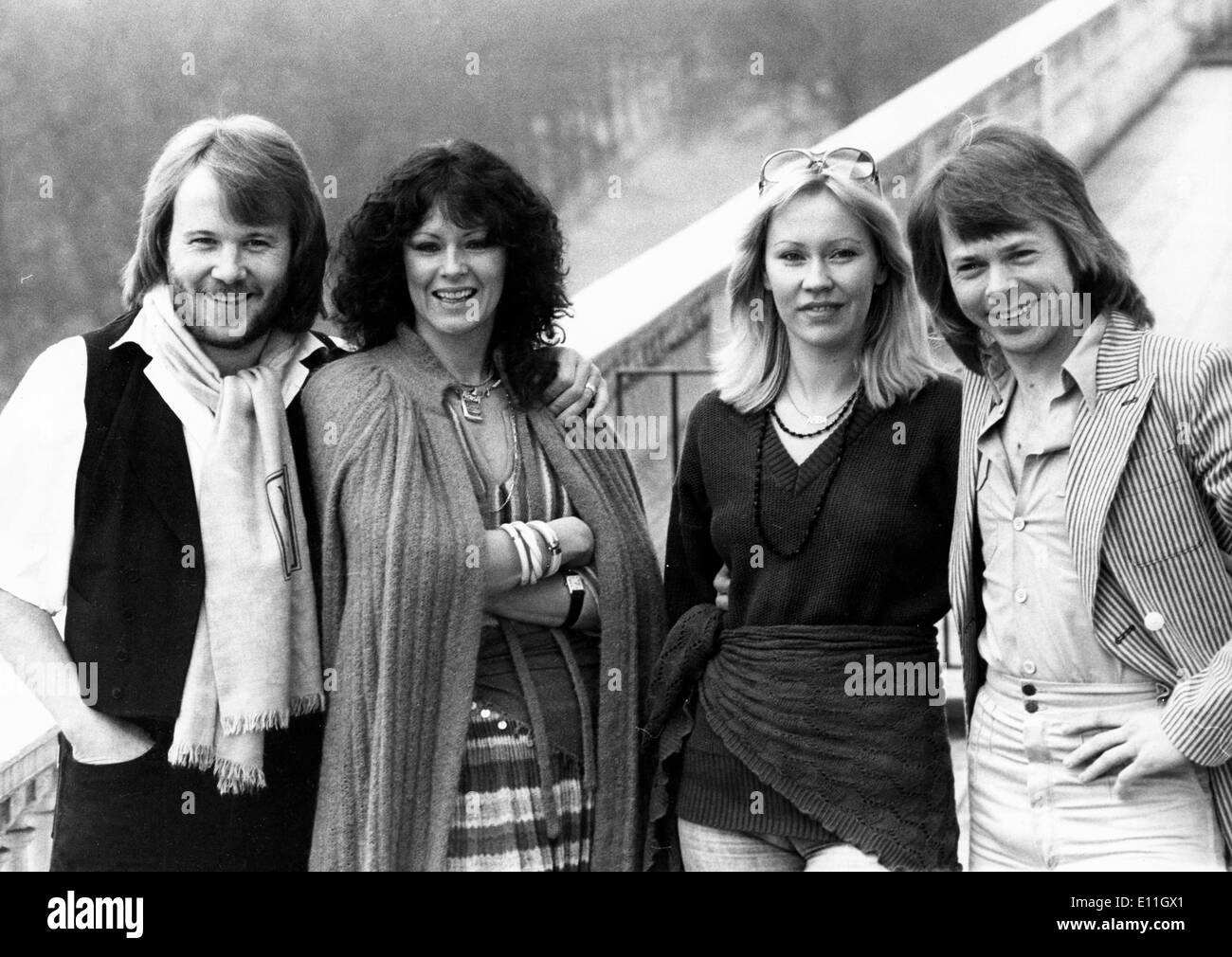
The legendary Swedish pop group ABBA consists of four primary members: Agnetha Fältskog, Björn Ulvaeus, Benny Andersson, and Anni-Frid "Frida" Lyngstad. The group's name is an acronym formed from the first letters of their first names. Since their formation in 1972, these four individuals have become global icons, defining the disco and pop genres through the 1970s and early 1980s, and continuing their legacy through the 2020s with the "Voyage" project.
The Foundation of ABBA: Understanding the Acronym
To understand the composition of ABBA, one must look at the synergy of the four individuals who brought distinct musical backgrounds to the collective. Before they were a global powerhouse, each member had already established a significant presence in the Swedish music industry. The arrangement of the name—Agnetha, Björn, Benny, Anni-Frid—was not just a marketing gimmick but a representation of the balanced dynamic between two couples who were, at various points, married to one another.
The group’s manager, Stig Anderson, played a pivotal role in branding. While the quartet initially performed under the cumbersome name "Björn & Benny, Agnetha & Anni-Frid," the transition to the acronym ABBA in 1973 streamlined their identity. This change coincided with their preparation for the Eurovision Song Contest, a move that would eventually catapult them into the international spotlight.
Agnetha Fältskog: The Iconic Soprano
Agnetha Fältskog, often referred to as "the blonde one" or the girl with the golden hair, was born on April 5, 1950, in Jönköping, Sweden. Before ABBA, she was already a successful solo artist in Sweden, having achieved a number-one hit with "Jag var så kär" (I Was So In Love) at the age of 17.
Vocal Profile and Role
Agnetha is a high soprano, known for her crystalline clarity and emotional vulnerability. In the studio, her voice was often used to provide the soaring, piercing high notes that defined the "ABBA sound." She took the lead on many of the group’s most emotionally resonant tracks, including "The Winner Takes It All" and "SOS." Her ability to convey heartbreak and longing became a cornerstone of the group’s later, more melancholic work.
Life After the Initial Breakup
Following ABBA’s hiatus in 1982, Agnetha pursued a solo career with albums like Wrap Your Arms Around Me (1983) and Eyes of a Woman (1985). She famously stepped away from the public eye for many years, leading a quiet life on the island of Ekerö. However, her return to music with the album A in 2013, and later the reunion for Voyage in 2021, reminded the world of her enduring vocal talent. By 2026, her contributions to the group’s digital residency in London continue to be celebrated as a masterclass in pop performance.
Björn Ulvaeus: The Lyricist and Guitarist
Björn Ulvaeus was born on April 25, 1945, in Gothenburg, Sweden. He began his career with the folk-pop group the Hootenanny Singers, which were immensely popular in Scandinavia during the 1960s. It was during this time that he met Benny Andersson, sparking one of the most successful songwriting partnerships in music history.
The Songwriting Powerhouse
While Björn provided vocals for several tracks (most notably "Does Your Mother Know"), his primary contribution to ABBA was as a lyricist and guitarist. Together with Benny, he crafted melodies that were deceptively simple yet musically sophisticated. Björn’s lyrics often explored the complexities of relationships, moving from the youthful optimism of "Honey, Honey" to the mature reflections of "Knowing Me, Knowing You."
Musical Theatre and Business Ventures
Post-ABBA, Björn’s career expanded into musical theatre. Alongside Benny, he composed the scores for Chess (featuring the hit "One Night in Bangkok") and Kristina från Duvemåla. He was also a driving force behind the Mamma Mia! stage musical and its subsequent film adaptations. In recent years, Björn has become a prominent advocate for the rights of creators in the digital age and was instrumental in the technological development of the ABBA Voyage virtual concert experience.
Benny Andersson: The Melodic Architect
Benny Andersson, born December 16, 1946, in Stockholm, was the keyboardist and primary composer for the group. He came from a background with The Hep Stars, often dubbed "The Swedish Beatles" due to their massive popularity in the 1960s.
Musical Mastery
Benny’s influence on ABBA’s sound cannot be overstated. He was responsible for the intricate arrangements, the wall-of-sound production techniques, and the fusion of Swedish folk traditions with contemporary pop and disco. His use of synthesizers and grand piano became signatures of the band’s aesthetic. Tracks like "Dancing Queen" and "Gimme! Gimme! Gimme! (A Man After Midnight)" showcase his ability to create infectious hooks that transcend cultural and linguistic barriers.
Continued Artistic Evolution
After the group disbanded, Benny formed Benny Anderssons Orkester (BAO), a group that focuses on traditional Swedish music, polkas, and waltzes. His work remains deeply respected in the classical and folk communities. Benny’s commitment to musical excellence ensured that when ABBA reunited for their final studio album in 2021, the production quality met the incredibly high standards set decades earlier.
Anni-Frid "Frida" Lyngstad: The Versatile Mezzo-Soprano
Anni-Frid Lyngstad, known to millions simply as Frida, was born on November 15, 1945, in Bjørkåsen, Norway, but raised in Sweden. Like her bandmates, she had a flourishing career before ABBA, winning a national talent contest in 1967 and appearing on major television programs.
Vocal Contrast and Stage Presence
Frida is a mezzo-soprano, providing a warmer, richer tone that perfectly complemented Agnetha’s higher register. The blend of their two voices is what created the distinctive "third voice" of ABBA. Frida took the lead on tracks such as "Fernando," "Knowing Me, Knowing You," and "Money, Money, Money." Her sophisticated stage presence and fashion-forward style added a layer of glamour to the group’s public image.
Royal Ties and Philanthropy
Frida’s life took a dramatic turn post-ABBA. In 1992, she married Prince Heinrich Ruzzo Reuss of Plauen, becoming Princess Reuss, Countess of Plauen. Although she faced personal tragedies, including the loss of her daughter and husband in the late 1990s, she remained active in environmental and charitable causes. Her solo album Something's Going On (1982), produced by Phil Collins, remains a cult favorite among pop aficionados.
The Collective Dynamic: Two Couples, One Band
What made ABBA unique among their peers was the internal romantic dynamics. For much of their peak success, the group consisted of two married couples: Agnetha and Björn (married 1971–1980) and Benny and Frida (married 1978–1981).
The Influence of Personal Life on Music
The dissolution of these marriages provided the raw material for some of the greatest "breakup songs" ever written. While many fans initially viewed ABBA as a purveyor of "happy" pop music, a closer look at the lyrics from 1979 to 1982 reveals a deep, poignant exploration of divorce and the end of intimacy.
The professional tension of working together while their personal lives were changing contributed to the group's eventual hiatus in 1982. However, it is also what gave their music a layer of authenticity that allowed it to age more gracefully than many of their contemporaries.
ABBA Career Overview and Key Statistics
The following table outlines the foundational elements and milestones of the group, highlighting the roles and achievements of the four members.
| Member Name | Vocal Range | Primary Instrument | Key Solo/Lead Tracks |
|---|---|---|---|
| Agnetha Fältskog | Soprano | Vocals | "The Winner Takes It All", "SOS", "Chiquitita" |
| Björn Ulvaeus | Baritone | Guitar | "Does Your Mother Know", "Rock Me" |
| Benny Andersson | N/A | Keyboards / Piano | Composer of all major hits |
| Anni-Frid Lyngstad | Mezzo-Soprano | Vocals | "Fernando", "Dancing Queen", "Money, Money, Money" |
Historical Milestones
- 1974: Won the Eurovision Song Contest with "Waterloo," marking the start of their international dominance.
- 1977: The group embarked on a massive Australian tour, captured in ABBA: The Movie.
- 1982: Their last public performance as a group for nearly 40 years occurred on The Late, Late Breakfast Show.
- 2010: Inducted into the Rock & Roll Hall of Fame.
- 2021: Released Voyage, their first studio album in 40 years, which topped charts globally.
The ABBA Sound: Technical Depth and Innovation
The "ABBA sound" was not an accident; it was the result of Benny and Björn’s meticulous work in the studio, primarily at Polar Studios in Stockholm. They utilized a technique called "multi-tracking," where Agnetha and Frida would record their vocal lines multiple times. These layers were then played back simultaneously, creating a lush, choral effect that sounded far larger than just two singers.
Furthermore, Benny’s use of the Yamaha GX-1 synthesizer—a rare and complex instrument often called a "dream machine"—allowed the group to create textures that were ahead of their time. This commitment to production value is a significant reason why their tracks remain staples on radio and streaming platforms in 2026. The sonic clarity of their recordings allowed for a seamless transition into the digital era, making their catalog a gold standard for audio engineering.
ABBA in 2026: The Legacy Continues
As of 2026, ABBA remains as relevant as ever. The ABBA Voyage residency in London, featuring digital versions of the members (ABBAtars) as they appeared in 1979, has revolutionized the concept of live performance. This project, which required years of motion-capture work by the four original members, ensures that their performances can be experienced by future generations long after they have retired from physical touring.
The group’s influence persists through various media:
- Musical Theatre: Mamma Mia! continues to run in major cities worldwide.
- Cinema: The films remain popular on streaming services, introducing the music to Gen Z and Alpha.
- Digital Avatars: The success of Voyage has led other legendary artists to explore similar technology, but ABBA remains the pioneer of the high-fidelity "virtual" concert.
Frequently Asked Questions
Who are the four members of ABBA?
The four members are Agnetha Fältskog, Björn Ulvaeus, Benny Andersson, and Anni-Frid "Frida" Lyngstad. They are two women and two men, originally forming two married couples within the group.
What does the name ABBA stand for?
ABBA is an acronym of the first letters of the members' first names: Agnetha, Björn, Benny, and Anni-Frid. It was officially adopted as the group's name in 1973.
Are the members of ABBA still alive in 2026?
Yes, all four members of ABBA are alive and remain active in various creative and business capacities as of 2026. While they no longer perform live in person, they were heavily involved in the creation of the ABBA Voyage digital experience.
Which members of ABBA were married?
Agnetha Fältskog and Björn Ulvaeus were married from 1971 to 1980. Benny Andersson and Anni-Frid Lyngstad were a couple for many years and were married from 1978 to 1981. Both couples eventually divorced, which influenced the lyrical content of their later music.
Who was the main singer in ABBA?
ABBA did not have one single "main" singer. Lead vocal duties were primarily shared between Agnetha Fältskog and Anni-Frid Lyngstad. Occasionally, Björn Ulvaeus sang lead on specific tracks. The combination of Agnetha and Frida's voices in harmony is the defining characteristic of their sound.
Summary of Next Actions for Fans
If you are looking to explore the work of these four iconic singers further, the best place to start is the ABBA Gold: Greatest Hits compilation, which provides a comprehensive overview of their peak years. For those interested in their most recent work, the 2021 album Voyage showcases how their voices have matured while maintaining their signature harmonic blend. Finally, attending the ABBA Voyage concert in London remains the premier way to see the "names in the group" brought to life through cutting-edge technology.