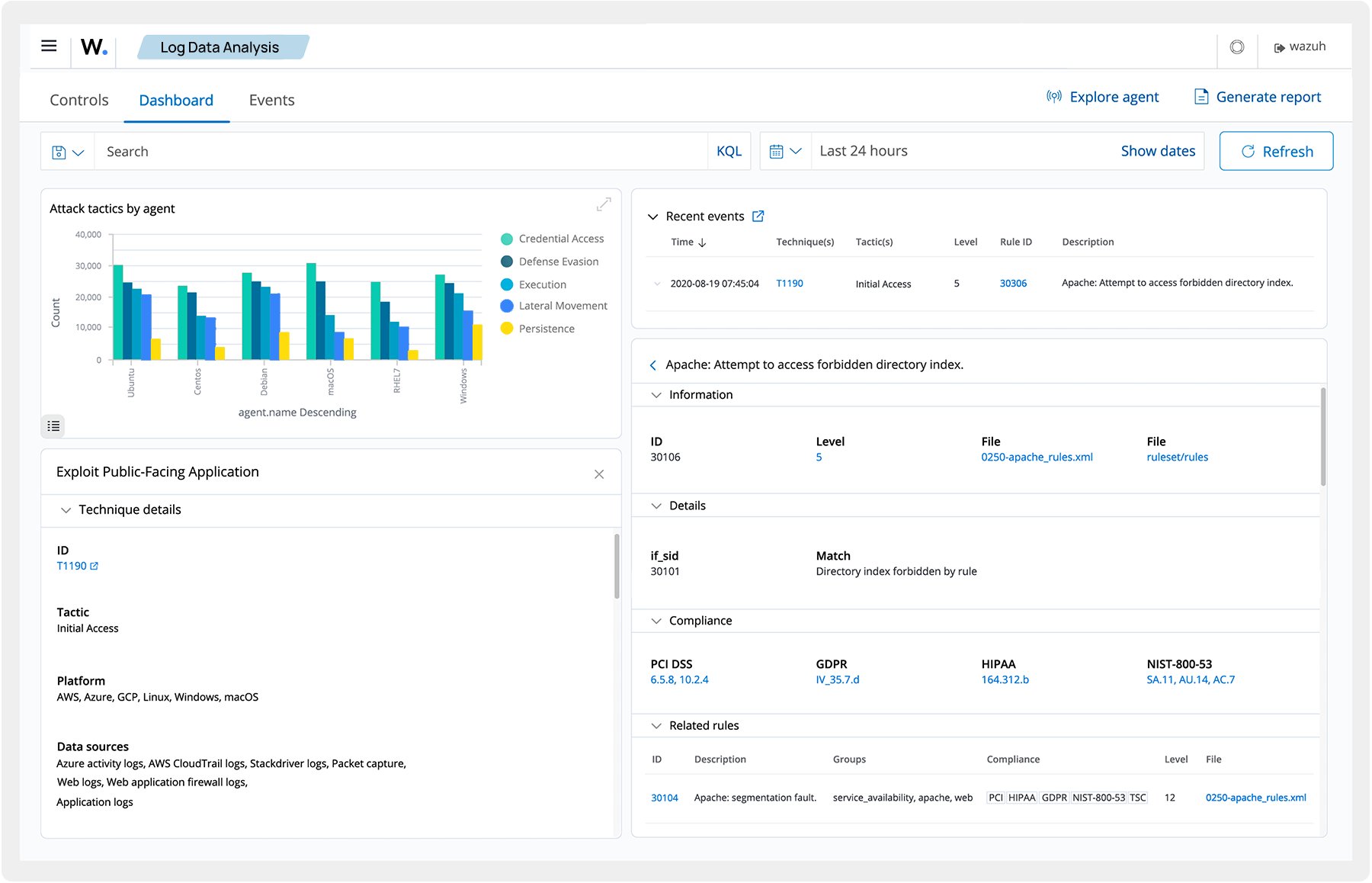
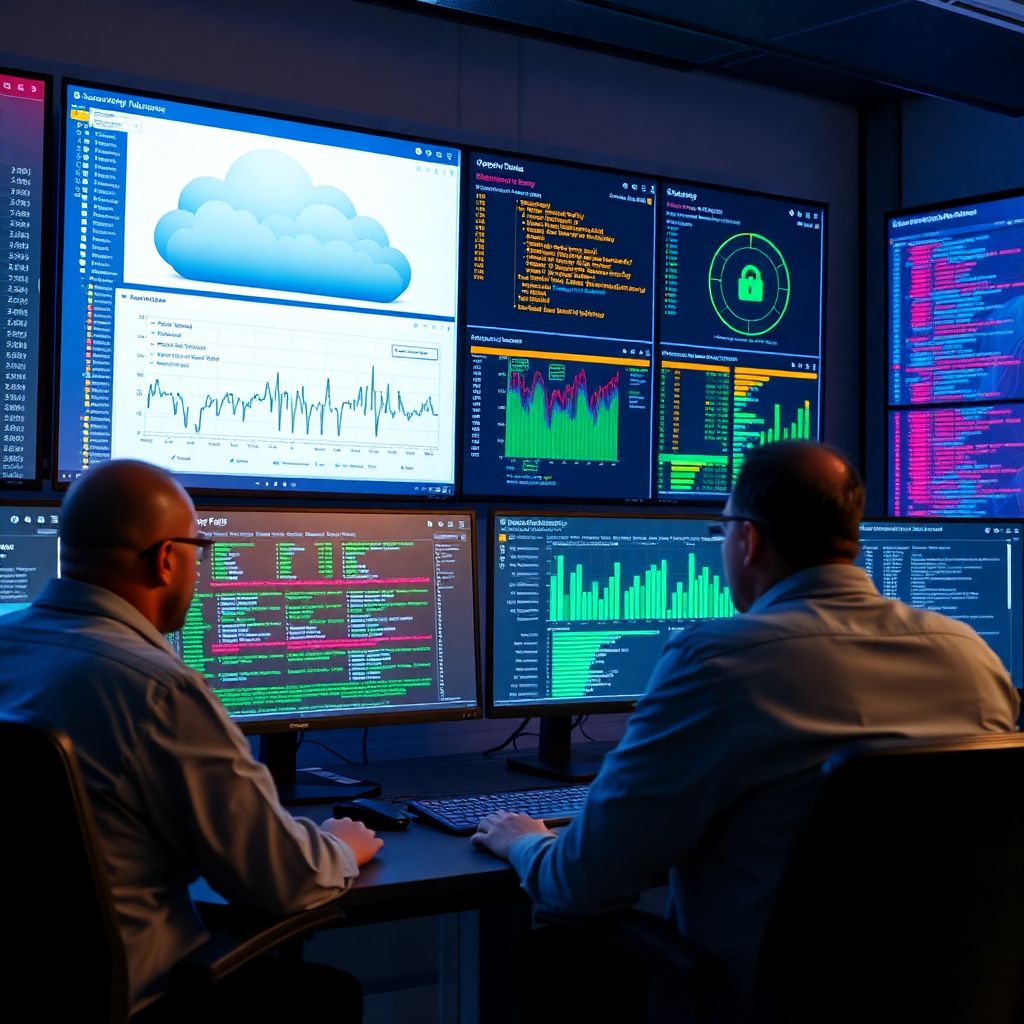
Abacus insights into cloud SIEM, cloud security management, and security monitoring provide a framework for organizations to centralize visibility across dispersed digital environments. By integrating security information and event management (SIEM) with native cloud security posture management (CSPM) tools, security teams can effectively detect threats, manage cloud configurations, and ensure compliance within complex, multi-cloud architectures.
Defining the Role of Cloud SIEM in Modern Infrastructure
Cloud SIEM (Security Information and Event Management) has evolved from traditional on-premises logging solutions into a cloud-native, scalable engine capable of ingesting massive volumes of telemetry data. Unlike legacy systems that struggled with the ephemeral nature of cloud resources, modern cloud SIEM platforms are built to interface directly with APIs from major cloud service providers (CSPs) such as AWS, Azure, and Google Cloud Platform.
The core objective of utilizing cloud SIEM is to achieve a single source of truth for security operations. In a fragmented cloud environment, data exists across VPC flow logs, identity and access management (IAM) events, container orchestrators like Kubernetes, and serverless function logs. Cloud SIEM platforms ingest this heterogeneous data, normalize it into a common schema, and apply correlation rules to surface high-fidelity alerts. Without this centralization, security teams are often left chasing "alert fatigue," where the sheer volume of disparate security notifications masks critical breaches.
The Synergy Between Security Monitoring and Cloud Management
Effective security monitoring in 2026 requires an understanding that security and operations are inextricably linked. Cloud security management encompasses not only monitoring for external threats but also maintaining the integrity of the cloud environment itself.
Security Monitoring serves as the "eyes" of the organization, providing continuous observation of user activities and system performance. This includes tracking privileged account access, detecting abnormal API calls, and auditing configuration changes. Meanwhile, Cloud Security Management—often facilitated by Cloud Security Posture Management (CSPM) tools—acts as the "hands," allowing for the automated remediation of misconfigurations.
The "Abacus insights" perspective emphasizes the quantification and calculated assessment of risk. By feeding CSPM findings directly into the Cloud SIEM, organizations create a feedback loop where an insecure bucket policy (a management issue) is treated with the same urgency as a brute-force attack (a monitoring issue). This holistic approach reduces the window of exposure, ensuring that security policies are not just defined in documentation but enforced through active monitoring.
Critical Components of a Cloud-Native Security Stack
To implement a robust monitoring and management strategy, organizations must balance several technical pillars. Each component must be integrated to ensure that data flows seamlessly from the infrastructure layer to the security operations center (SOC).
- Log Aggregation and Normalization: The ability to collect logs from various services—such as CloudTrail, CloudWatch, and platform-specific audit logs—and map them to a standardized format (like OCSF or ECS).
- Identity and Access Monitoring: Because identity is the new perimeter in cloud environments, monitoring IAM usage for anomalous behavior (e.g., impossible travel, mass credential harvesting) is paramount.
- Endpoint and Workload Protection: Integrating EDR (Endpoint Detection and Response) data with cloud logs to provide a narrative that follows a threat from the cloud host to the underlying virtual machine or container.
- Automated Incident Response (SOAR): Using Security Orchestration, Automation, and Response to trigger playbooks based on findings—for example, automatically isolating a compromised instance when the SIEM identifies command-and-control communication.
Comparison of Security Approaches
The following table contrasts the traditional on-premises security model with the modern cloud-native approach, highlighting why integrated management and monitoring are necessary for the cloud.
| Feature | Traditional Security | Cloud-Native Security |
|---|---|---|
| Visibility | Per-device/network segment | API-driven, full-stack visibility |
| Scaling | Fixed hardware constraints | Elastic, consumption-based scaling |
| Data Retention | Local storage, high overhead | Cloud-based object storage, tiered costs |
| Threat Focus | Malware and perimeter defense | Identity, configuration, and API abuse |
| Updates | Manual patches/upgrades | Automated continuous deployment |
Strategic Implementation and Operational Requirements
Deploying a cloud SIEM and management framework is not merely a procurement task; it requires operational maturity. Organizations should follow a phased approach to implementation to avoid over-collecting data, which can lead to excessive costs and "noise."
Phase 1: Asset Discovery and Data Mapping
Before any monitoring begins, security teams must define what they are protecting. This involves mapping out all cloud accounts, services, and workloads. Identify which logs are critical for compliance (e.g., PCI-DSS, SOC2) and which are necessary for threat detection. Avoid the "collect everything" mentality, as cloud egress and ingestion costs can quickly become prohibitive in 2026.
Phase 2: Establishing Baseline Behavior
You cannot detect an anomaly if you do not know what "normal" looks like. Utilize the machine learning (ML) capabilities inherent in modern SIEM tools to baseline user and entity behavior. By observing patterns over a 30-day period, the system can automatically flag deviations—such as a developer accessing production databases outside of standard working hours or an unusual volume of data egress from a storage bucket.
Phase 3: Configuration and Hardening
Management tools should enforce "Security as Code." This means that infrastructure deployments are scanned for vulnerabilities before they go live. If a developer attempts to deploy a public storage bucket, the management tool should intercept the request and trigger a policy violation warning, effectively preventing the misconfiguration before the monitoring system even needs to alert on it.
Common Pitfalls and Troubleshooting
Even with the best tools, teams often encounter systemic failures that undermine their monitoring efforts. A common issue is "Log Siloing," where developers, DevOps, and Security teams maintain separate dashboards. This creates a friction point during incident response. To resolve this, ensure that the cloud SIEM platform provides role-based access control (RBAC) that allows all stakeholders to view the same underlying truth while tailoring the interface to their specific technical needs.
Another frequent challenge is the failure to rotate credentials or manage API tokens properly. In a cloud-native architecture, hardcoded credentials or long-lived keys are the primary vectors for initial access. If the SIEM reports an uptick in unauthorized API errors, immediate troubleshooting should focus on rotated service account keys and the temporary suspension of high-privilege IAM roles.
Scalability and Cost Management
As organizations scale their cloud footprint, the volume of security events grows exponentially. A primary challenge in 2026 is managing the "Cloud Security Tax"—the rising cost of log storage and ingestion. To mitigate this:
- Implement Tiered Storage: Store high-priority logs in "hot" storage for active hunting and transition older, compliant-only logs to "cold" or archive storage.
- Use Data Filtering at the Edge: Filter out benign telemetry or repetitive heartbeat logs before they reach the SIEM ingestion pipeline.
- Optimize Query Performance: Index only the fields necessary for correlation to reduce the computational cost of threat hunting queries.
Frequently Asked Questions
What is the difference between CSPM and Cloud SIEM? CSPM tools identify misconfigurations and policy violations in the cloud environment, acting as a preventative measure. Cloud SIEMs ingest logs to provide a security operations view, focusing on detecting active threats and post-compromise behavior.
How does cloud security monitoring handle ephemeral resources? Cloud-native security tools use metadata-rich logs and identity-centric tracking rather than static IP addresses. This allows the system to maintain a continuous security narrative even as instances, containers, and serverless functions are spun up and down.
What is the primary benefit of centralized security management? Centralization eliminates the blind spots that occur when security logs are isolated within specific cloud accounts or services. It allows for cross-service correlation, which is vital for identifying sophisticated multi-stage attacks.
Do I need a hybrid approach if I have both on-premises and cloud workloads? Yes. Most modern organizations operate in a hybrid reality. A unified SIEM platform that supports both local log collectors and cloud API connectors is essential for achieving a holistic view of the entire threat landscape.
How often should I review my cloud monitoring policies? Given the rapid pace of change in cloud environments, policies should be audited at least quarterly. As new cloud services are adopted by your organization, the associated logging and monitoring rules must be updated to maintain visibility.
Next Steps for Security Teams
To move forward with optimizing your security posture, begin by conducting a gap analysis of your current visibility. Identify which critical cloud services are currently generating logs and which are operating in the dark. Once identified, prioritize the integration of those "dark" assets into your primary SIEM. Finally, move from reactive alerting to proactive threat hunting by dedicating time each month to analyze long-term trends in your aggregated data, looking for subtle signals that automated rules might miss.