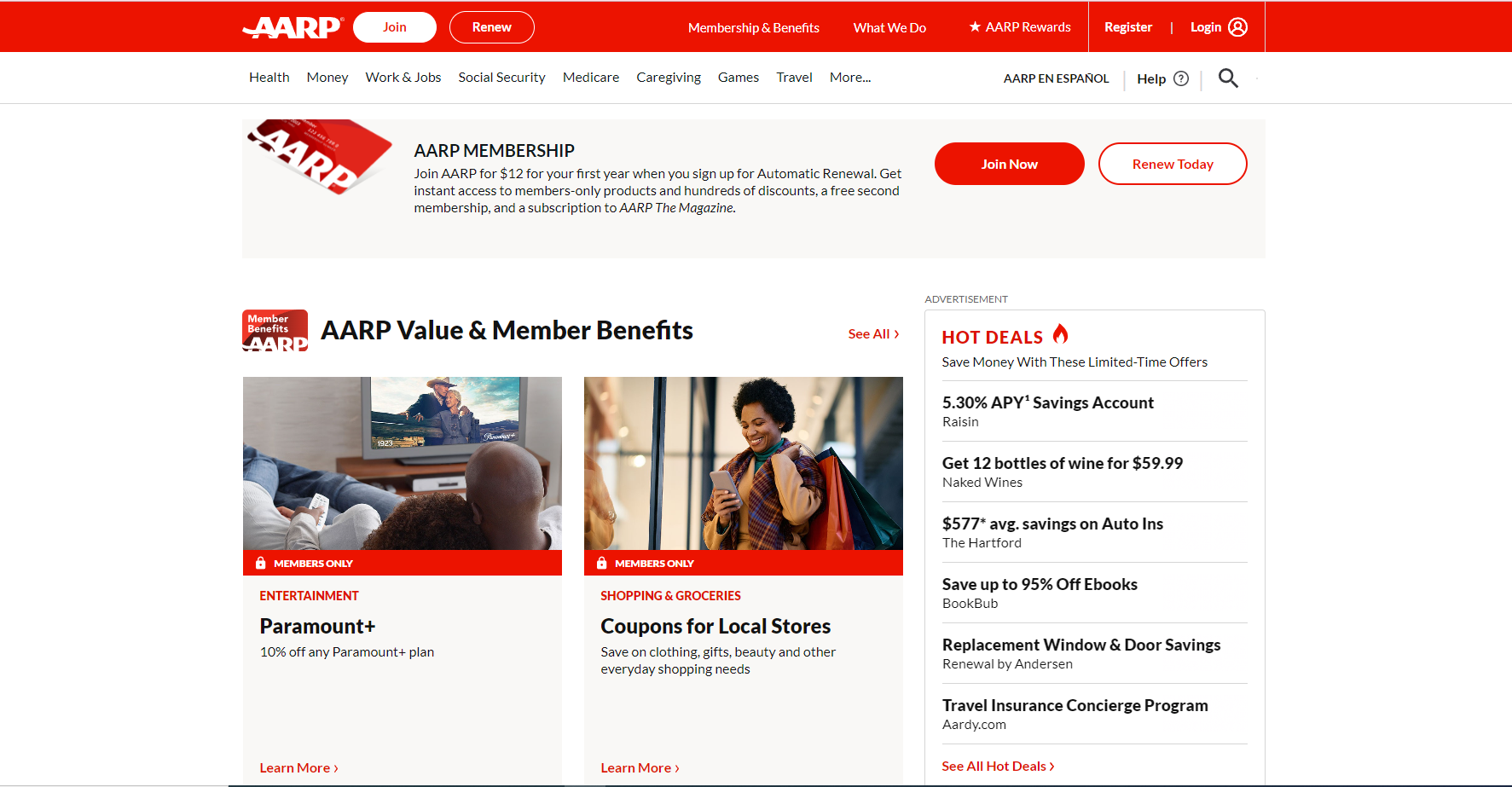
To obtain AARP life insurance for a spouse, the primary member or the spouse must be between ages 50 and 80 (age limits vary by plan). Spouses can apply for individual Term, Permanent, or Guaranteed Acceptance Life Insurance through the AARP Life Insurance Program, underwritten by New York Life Insurance Company, regardless of their own membership status.
In 2026, securing financial stability for a surviving partner remains a cornerstone of retirement planning. For many couples, the AARP Life Insurance Program, provided by New York Life, offers a streamlined way to obtain coverage without the rigorous medical examinations required by traditional insurers. While AARP is often associated with the primary member, the program provides robust options specifically tailored for spouses. Understanding the nuances of these policies—including how "simplified underwriting" works and the differences between term and permanent protection—is essential for making an informed decision for your household.
The AARP and New York Life Partnership
Before examining spouse-specific options, it is important to understand the structure of this insurance. AARP is not an insurance company; it is an advocacy organization that brands and markets products for its members. The actual insurer is the New York Life Insurance Company, one of the oldest and most financially stable mutual life insurance companies in the United States.
When you apply for "AARP life insurance" for your spouse, you are entering into a contract with New York Life. This partnership is significant because it allows AARP members and their spouses access to "simplified issue" policies. Unlike standard life insurance that might require blood draws, physical exams, and extensive physician statements, these policies typically rely on a series of health questions and a review of prescription drug databases.
Eligibility Requirements for Spouses
Eligibility for spousal coverage is primarily determined by age, membership status, and residency. For the year 2026, the following criteria generally apply to those seeking to cover a spouse:
AARP Membership Status
To apply for spousal coverage, the primary applicant must be an AARP member. However, the spouse does not necessarily need their own separate membership account to be eligible for coverage under the program's umbrella. The program recognizes the "Associate Member" status of spouses. If the primary member is in good standing, the spouse is eligible to apply for their own individual policy through the program.
Age Limitations
The AARP Life Insurance Program targets individuals in the 50-to-80 age bracket. Specifically:
- Term Life Insurance: Generally available to spouses aged 50 through 74 (some states allow applications up to age 80).
- Permanent (Whole) Life Insurance: Available to spouses aged 50 through 80.
- Guaranteed Acceptance: Available to spouses aged 50 through 80 (minimum age may be 55 in some jurisdictions).
Residency and Legal Status
The spouse must be a legal resident of the United States. It is important to note that specific policy availability, maximum coverage amounts, and premium rates can vary significantly based on the state of residence. New York Life adheres to state-specific regulations, which may alter the "free look" period or the specific definitions of "guaranteed" coverage.
Primary Insurance Options for Spouses
The AARP program offers three distinct types of life insurance for spouses. Each serves a different financial purpose, ranging from covering short-term debts to providing a legacy or covering final expenses.
1. AARP Term Life Insurance
Term life insurance provides coverage for a specific period, or "term." In the AARP program, this coverage typically lasts until the insured reaches age 80, though it can be renewed.
- How it Works for Spouses: This is an individual policy. Your spouse applies based on their own health history.
- Coverage Amounts: In 2026, spouses can typically apply for coverage amounts up to $100,000 or $150,000, depending on the current offer and state regulations.
- Underwriting: This is a "Simplified Issue" policy. There are no medical exams. The spouse must answer a few health questions. If they have serious pre-existing conditions, they may be denied this specific type of policy.
- Premiums: Premiums are structured in five-year age bands. This means the monthly cost will stay the same for five years and then increase as the spouse enters a new age bracket (e.g., moving from age 64 to 65).
2. AARP Permanent Life Insurance
Often referred to as Whole Life Insurance, this policy is designed to stay in place for the spouse’s entire life, provided premiums are paid.
- Cash Value Accumulation: One of the primary benefits of the Permanent Life option is that it builds cash value over time. The spouse can potentially borrow against this cash value if needed.
- Fixed Premiums: Unlike Term Life, the premiums for Permanent Life Insurance are fixed. Once the spouse is accepted, the monthly rate will never increase, regardless of their age or changes in health.
- Coverage Amounts: Generally lower than Term Life, often capping at $50,000. This makes it an ideal choice for covering funeral costs, small debts, or leaving a modest gift to grandchildren.
- Underwriting: Similar to Term Life, this requires answering health questions but no medical exam.
3. AARP Guaranteed Acceptance Life Insurance
This option is specifically designed for spouses who may have health issues that would disqualify them from Term or Permanent life insurance.
- No Health Questions: There are absolutely no health questions or medical exams. Acceptance is guaranteed for AARP members and spouses within the eligible age range (typically 50-80).
- Graded Death Benefit: This is a crucial detail for 2026 applicants. Because the insurer takes on high risk by not asking health questions, there is a "waiting period." If the spouse dies from natural causes within the first two years of the policy, the beneficiary will not receive the full face value. Instead, they will receive the premiums paid plus a percentage of interest (usually 10%). If death occurs by accident, the full benefit is typically paid immediately.
- Coverage Limits: These policies usually offer lower face values, often maxing out at $25,000.
Comparing Spouse Insurance Options
To help visualize which plan fits your spouse’s needs, consider the following comparison of the 2026 program features:
| Feature | Term Life Insurance | Permanent Life Insurance | Guaranteed Acceptance |
|---|---|---|---|
| Ideal For | Large debts, mortgages | Final expenses, legacy | Those with poor health |
| Age Range | 50 – 74 (varies by state) | 50 – 80 | 50 – 80 |
| Max Coverage | Up to $150,000 | Up to $50,000 | Up to $25,000 |
| Premiums | Increase every 5 years | Fixed for life | Fixed for life |
| Medical Exam | None | None | None |
| Health Questions | Yes | Yes | No |
| Cash Value | No | Yes | No |
| Benefit Payout | Full benefit from day 1 | Full benefit from day 1 | Graded (2-year wait) |
The Application Process for Spouses
Applying for coverage in 2026 is a streamlined process that can be completed online, via mail, or over the phone. Here is the typical step-by-step progression:
- Verification of Membership: Ensure your AARP membership is active. You will need your membership number to start the spouse's application.
- Selection of Plan: Based on your spouse’s health and your financial goals, choose between Term, Permanent, or Guaranteed Acceptance.
- Completing the Health Questionnaire: For Term and Permanent plans, the spouse must answer questions regarding their tobacco use, recent hospitalizations, and chronic conditions (e.g., cancer, heart disease, or diabetes).
- Authorization for Data Review: The spouse must authorize New York Life to access their Medical Information Bureau (MIB) report and prescription drug history. This is how the insurer verifies the health answers provided without a physical exam.
- Review Period: New York Life typically processes these simplified applications quickly. Approval can often be granted within days, though some cases may take a few weeks if further clarification is needed.
- Beneficiary Designation: The spouse will name a beneficiary. While this is often the other spouse, it can be children, a trust, or a charitable organization.
Cost Considerations and Premium Factors
In 2026, the cost of life insurance for a spouse through AARP is influenced by several standardized factors. Unlike "fully underwritten" insurance, which might look at your specific cholesterol levels or BMI, AARP rates are more generalized.
- Age at Issue: The older the spouse is when they apply, the higher the starting premium.
- Gender: In most states, rates differ between men and women based on actuarial life expectancy tables.
- Tobacco Use: Smokers or those using tobacco products will pay significantly higher premiums than non-smokers.
- Coverage Amount: Naturally, a $100,000 policy will cost more than a $10,000 policy, though the "price per thousand" often decreases with higher coverage amounts.
It is vital to note that AARP premiums are "community-rated" to an extent, meaning they are designed to be competitive for the 50+ demographic specifically. However, if your spouse is in excellent health, they might find lower rates through a fully underwritten policy outside of the AARP program. The value of the AARP program lies in its convenience and accessibility for those who prefer not to undergo medical exams.
Common Challenges and Troubleshooting
Even with simplified underwriting, some couples encounter hurdles when applying for spousal coverage.
Denial of Coverage
If a spouse is denied Term or Permanent insurance due to health history, do not panic. The Guaranteed Acceptance plan is specifically designed as a safety net for this scenario. If the denial was based on a mistake in the MIB report or prescription history, you have the right to dispute the information with New York Life.
State-Specific Availability
Some states, such as New York or Montana, have unique insurance laws that affect how AARP policies are structured. For example, some states may not allow the "age band" premium increases for term insurance or may have different maximum coverage limits. Always check the specific disclosures for your state on the New York Life AARP portal.
Lapse in Membership
If the primary AARP membership lapses, it can complicate the renewal or maintenance of the insurance policy. While New York Life generally allows policies to continue if they are already in force, it is always best to keep the membership active to ensure access to member-only rates and customer service features.
Why Choose AARP Spousal Coverage?
The decision to use AARP for a spouse's life insurance often comes down to the balance of cost and ease. In 2026, the primary advantages include:
- No Medical Exams: This is the biggest draw. Avoiding needles and physicals is a priority for many seniors.
- Brand Trust: New York Life has an A++ (Superior) financial strength rating from A.M. Best (as of recent evaluations leading into 2026), providing peace of mind that claims will be paid.
- Portability: The coverage stays with the spouse even if they change jobs or move to a different state.
- Customer Support: The program offers specialized tools for beneficiaries, helping survivors navigate the claims process during difficult times.
Frequently Asked Questions
Can I buy life insurance for my spouse if I am not an AARP member?
No. The primary applicant must be an AARP member to access these specific New York Life products. However, becoming a member is a simple process available to anyone age 50 or older, and once you are a member, your spouse is eligible to apply regardless of their own age (though they must fall within the plan's specific age limits, usually 50-80).
What happens to my spouse’s policy if I die first?
The spouse’s policy is an individual contract. If the primary AARP member passes away, the spouse’s life insurance policy remains in effect as long as the premiums continue to be paid. The spouse may need to take over the membership or ensure the policy is correctly linked to their own information to maintain seamless service.
Is the "Guaranteed Acceptance" really guaranteed for my spouse?
Yes, provided your spouse meets the age requirements (usually 50-80) and lives in a state where the product is offered. There are no health questions. However, keep in mind the two-year graded death benefit period, during which full benefits are only paid for accidental death.
Can my spouse have more than one AARP life insurance policy?
Generally, an individual can hold multiple policies (for example, a Term policy and a Permanent policy), but the total combined coverage amount cannot exceed the program's maximum limits for that individual. New York Life monitors these limits during the application process.
How do I file a claim for my spouse’s policy?
In 2026, claims can be initiated online through the AARP Life Insurance Program website or by calling New York Life's dedicated claims department. You will typically need a certified copy of the death certificate and the policy number.
Next Actions and Recommendations
If you are considering AARP life insurance for your spouse, your first step should be to assess your financial gap. Determine if you need coverage for immediate expenses (like a funeral) or long-term needs (like paying off a mortgage).
- Get a Quote: Visit the official New York Life AARP website to run a quick quote for your spouse. This will give you the exact premium based on their current age and tobacco status.
- Review Existing Health Records: Before starting the application, have a list of your spouse’s current medications and recent medical procedures ready. This ensures the "Simplified Issue" questions are answered accurately.
- Compare with Permanent Options: If your spouse is over 65, look closely at the Permanent Life option. While the premiums are higher than Term initially, the fact that they never increase can save significant money over a 15-to-20-year period.
Securing coverage for a spouse is an act of foresight that ensures the surviving partner is not burdened by financial strain during a period of grief. The AARP program continues to be a leading choice for its simplicity and the financial backing of New York Life.