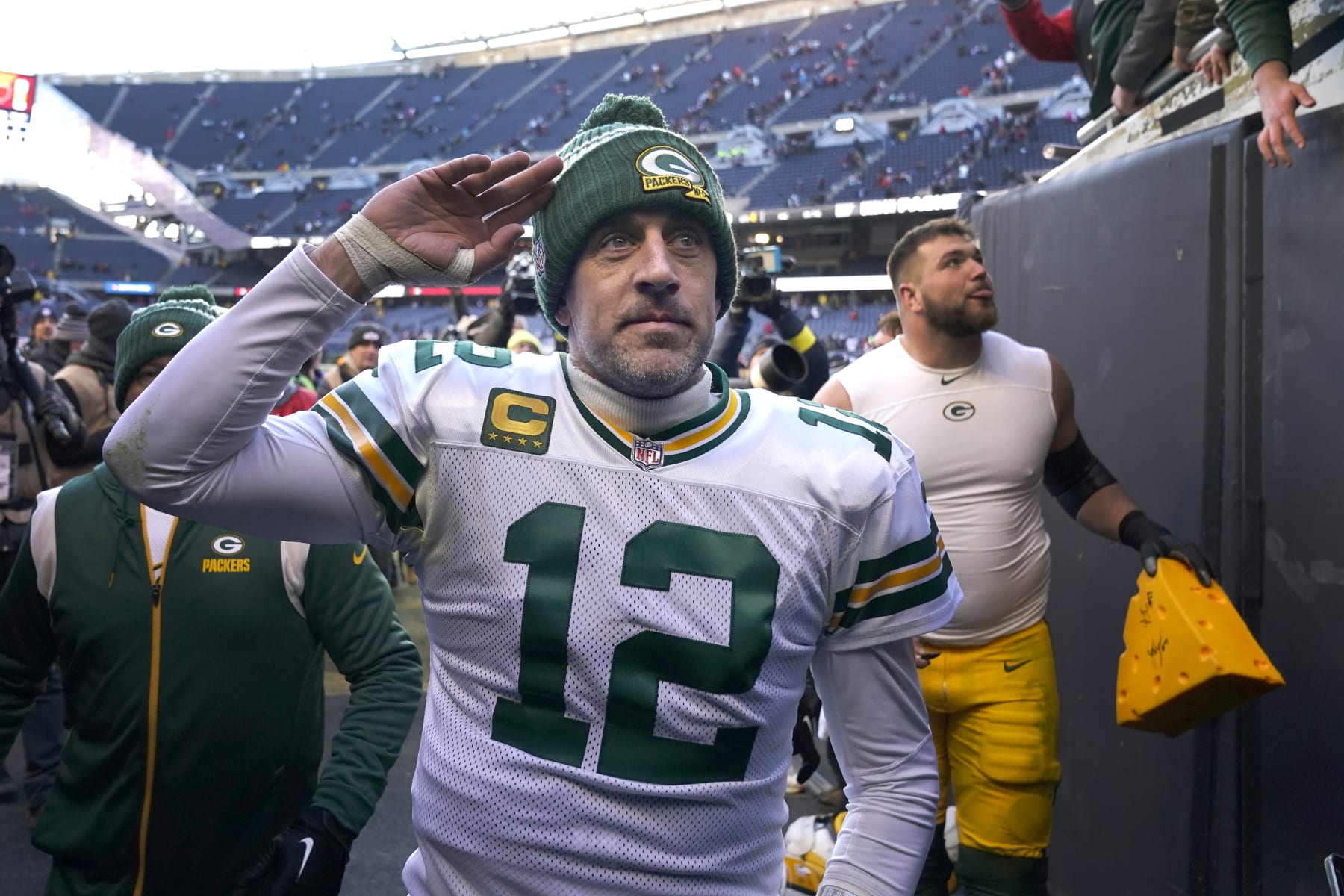
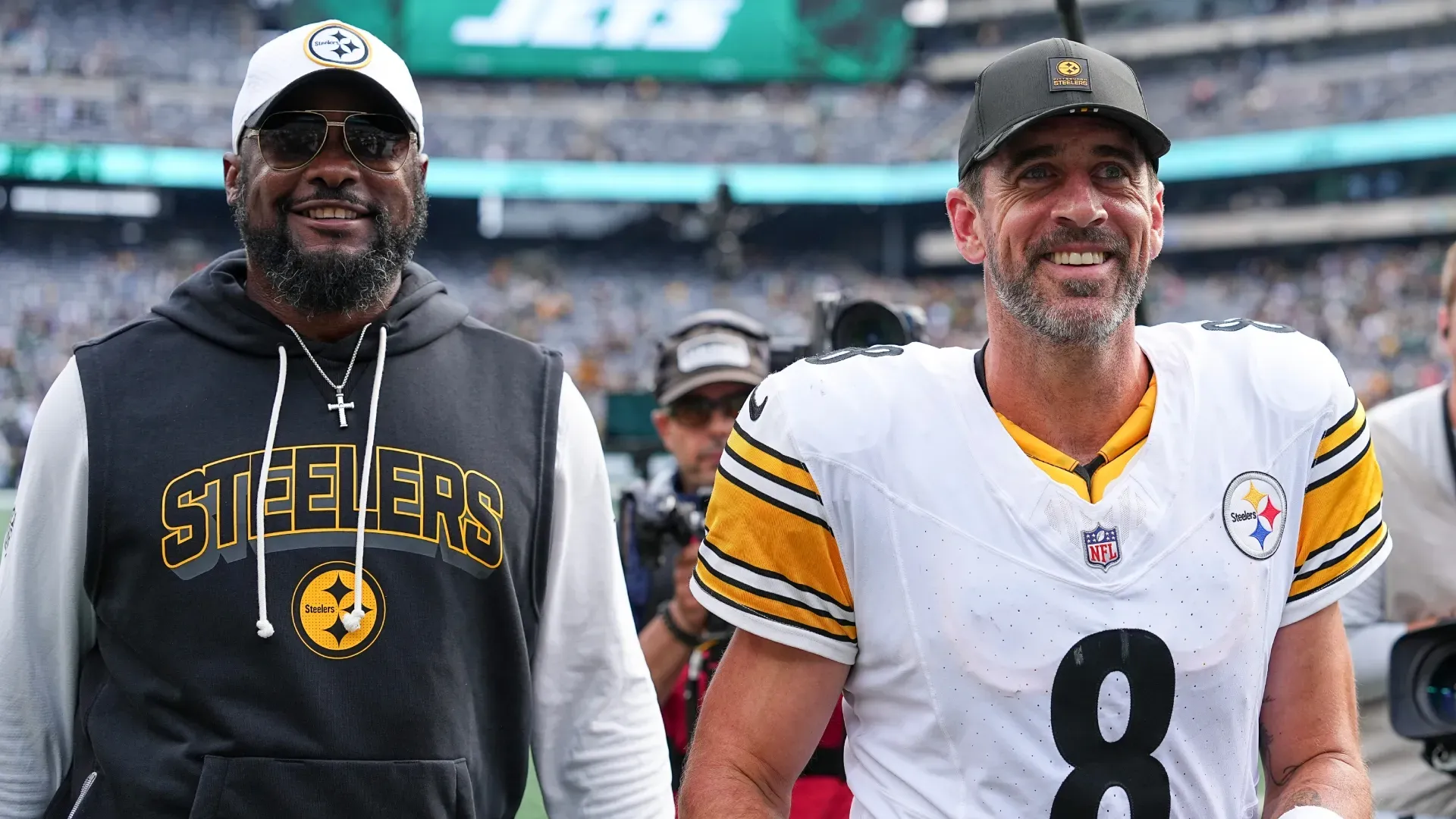
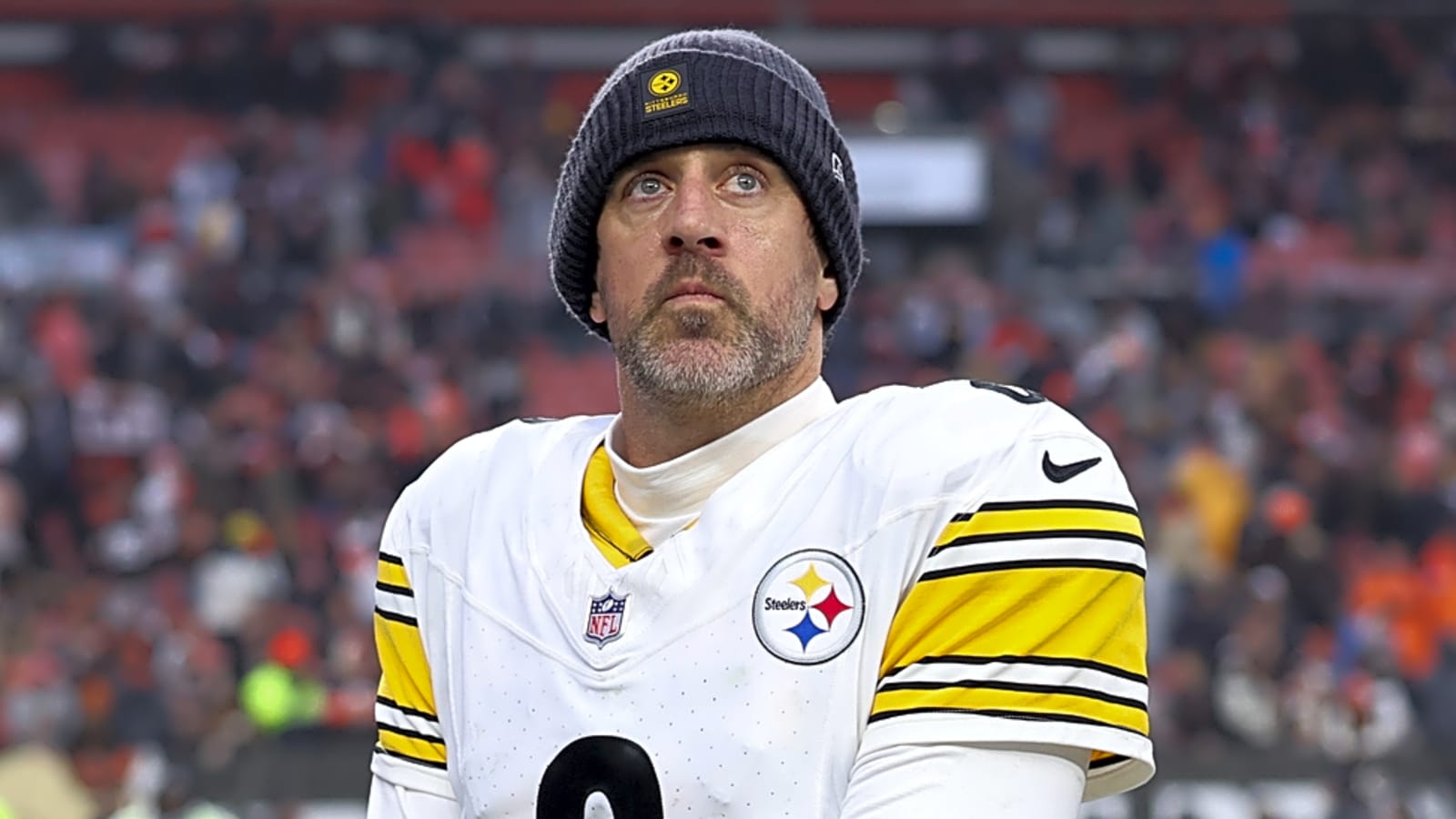
The search intent behind the "Aaron Rodgers selfie" often reflects public curiosity regarding the NFL quarterback’s social media presence, viral photo moments, or specific fan encounters documented online. Because Rodgers maintains a high-profile public life, these queries typically seek verified photographic evidence of his interactions, lifestyle updates shared via his personal accounts, or instances where his image has been captured by fans and circulated across digital media platforms.
Understanding the Digital Footprint of High-Profile Athletes
In the era of professional sports, the "selfie" has evolved into a standard medium for athlete-fan interaction and personal branding. When fans search for an "Aaron Rodgers selfie," they are rarely looking for a singular, static image. Instead, they are often searching for the most recent updates on his life, his participation in media events, or instances where he has engaged with his fan base during public appearances or team-related travel.
For a figure like Aaron Rodgers, whose career spans decades of NFL history, the term serves as a broad umbrella for different types of imagery. This includes official posts from his verified social media accounts, candid shots taken by fans in public, and sometimes images that have gained traction on sports news platforms due to their cultural context. Understanding what constitutes an authentic, public-facing image versus a private moment is essential for researchers and fans alike.
Categorizing the Types of Aaron Rodgers Imagery
Not all images featuring the quarterback are identical in origin or intent. To effectively navigate these searches, it is helpful to distinguish between the primary categories of digital photography associated with his public persona.
1. Official Social Media Content
Rodgers utilizes various platforms to communicate directly with his audience. Official content typically offers the highest resolution and context, as these are curated moments intended for public consumption. These images often include promotional material, glimpses into his training regimen, or off-season lifestyle updates. When searching for "official" content, the primary sources are his verified social media handles rather than third-party aggregators, which may host lower-quality versions or re-shares.
2. Fan-Sourced Documentation
The "fan selfie" represents a different technical and social category. These are typically captured on mobile devices in non-studio environments. These images often serve as personal mementos for supporters. From a research or SEO perspective, these photos usually appear in the metadata of social media platforms or news aggregations following public events, charity galas, or training camp sessions.
3. Media-Circulated Captures
Occasionally, a photo of Rodgers is captured by professional photographers or journalists in a way that mimics the style of a selfie or shows him participating in the trend. These are often repurposed by media outlets to accompany stories about his career status, team affiliation, or public statements.
Technical Considerations for Searching and Verifying Images
When searching for specific imagery, the quality of the result is highly dependent on the precision of the search query and the platform utilized. Using advanced search operators and verifying the source are critical steps for those looking for accurate historical or current data.
Verification Standards
In 2026, the rise of synthetic media necessitates a cautious approach to digital photography. To verify the authenticity of an "Aaron Rodgers selfie," consider the following:
- Source Integrity: Does the image originate from a verified account (denoted by a blue checkmark or platform-specific equivalent)?
- Metadata Analysis: While most social media platforms strip EXIF data (the data containing camera settings and location), the original file might still hold clues if provided by a source.
- Temporal Context: Ensure the image matches the known timeline of his career. For instance, if an image claims to show him in a specific team’s uniform, it should align with his confirmed contract dates and team rosters for that year.
Troubleshooting Search Results
If your search for an "Aaron Rodgers selfie" yields irrelevant results, consider these adjustments:
- Refine by Platform: Add "Instagram" or "Twitter" (X) to your query to isolate content from his primary channels.
- Use Date Filters: Use search engine date range tools to restrict results to a specific year if you are looking for an event from the past.
- Exclude Aggregators: Use the minus sign operator (e.g., -pinterest) to remove low-quality image aggregators from your search results, allowing more room for authoritative media sources.
Comparison of Image Source Reliability
The table below outlines the relative reliability of different sources when attempting to verify an image of Aaron Rodgers.
| Source Type | Reliability | Content Characteristics | Primary Use Case |
|---|---|---|---|
| Verified Social Handles | High | High-res, controlled, authoritative | Contextualizing public statements |
| News Outlets (AP, Reuters) | High | Professionally captured, verified | Historical accuracy, journalism |
| Fan Social Media Feeds | Moderate | Candid, often low quality | Social engagement, timeline tracking |
| Third-Party Image Galleries | Low | Variable, often mislabeled | Browsing, general visual interest |
Common Misconceptions Regarding Athlete Photography
A frequent issue in the digital space is the misattribution of images. Because public figures are often photographed by hundreds of individuals at events, it is common for photos of lookalikes or older, out-of-context images to circulate as "new" or "viral" content.
As an editor, the recommendation is to always cross-reference the date of the image with the official calendar of events for the NFL. If a claim arises about a "new selfie" appearing at an event where Rodgers was not physically present, the content should be treated as suspicious. Misinformation often spreads through the improper recycling of old content under the guise of current news.
The Evolution of the Athlete-Fan Relationship
The "selfie" represents a shift in how fans interact with sports icons. In the past, autographs were the primary currency of fan-athlete interaction. Today, the digital photo has largely supplanted this. For high-profile athletes like Rodgers, this requires a delicate balance of managing privacy while maintaining the public accessibility that modern fan engagement demands.
When analyzing the search trends for an "Aaron Rodgers selfie," one observes a cyclical pattern. Interest typically spikes during the NFL off-season, when the lack of game-day coverage leads to an increased focus on the player’s personal life and social media activity. During the regular season, the focus tends to shift back to performance-based data, though viral moments on the sidelines or in the locker room can briefly reclaim the focus of the digital audience.
Frequently Asked Questions
1. Where can I find the most recent photos of Aaron Rodgers?
The most reliable source is his verified personal social media account. Secondary sources include official NFL team pages and recognized sports journalism outlets that provide coverage of team events, press conferences, and charitable functions.
2. Can I use an image of Aaron Rodgers for my own project?
Most images of professional athletes are protected by copyright. Using an image found online for commercial purposes without permission from the photographer or the entity holding the rights is a violation of copyright law. Always check the licensing terms of any image before usage.
3. How do I know if an image is a deepfake or AI-generated?
In 2026, AI-generated content is increasingly sophisticated. Look for physical inconsistencies, such as abnormal skin textures, distorted background elements, or lighting that does not match the environment. When in doubt, check for the same image on multiple reputable news outlets.
4. Why are some "Aaron Rodgers selfies" labeled as viral?
Content becomes viral when it creates a strong emotional response or provides unique insight into a public figure’s life. Often, a photo is labeled viral because it shows the athlete in a humorous, controversial, or highly relatable situation that fans feel compelled to share on their own feeds.
5. Is there a database of all images featuring Aaron Rodgers?
There is no single, centralized, public database for all photos of the athlete. While services like Getty Images or the Associated Press maintain vast archives for media professionals, a comprehensive collection of every fan-taken photo does not exist due to the sheer volume of personal devices used at every public event.
Recommendation for Further Exploration
For those conducting serious research into Aaron Rodgers' public appearances or visual history, the best next action is to utilize professional media archives like the Associated Press or NFL.com’s internal image library. These platforms provide indexed, dated, and verified photographic records that avoid the pitfalls of unverified social media content. If you are a fan looking for a specific moment, searching through the tagged photos on his official social media profile remains the most effective method for locating the primary, authentic version of any given image.