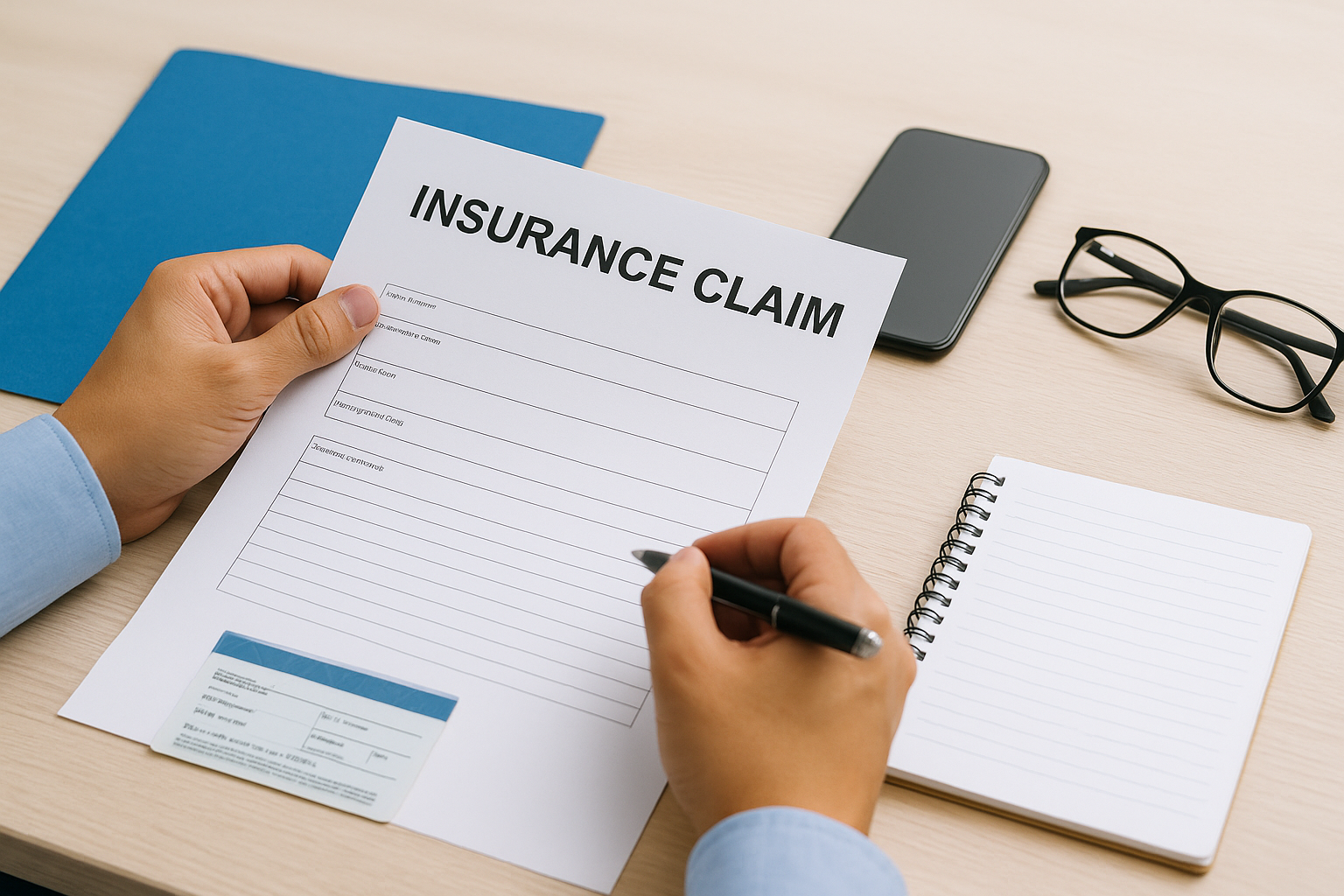
Navigating an accident claim involving AAA (American Automobile Association) requires understanding whether you are dealing with AAA's roadside assistance services, their travel insurance products, or their auto insurance policies provided through their regional motor clubs and partner insurance underwriters. Because AAA operates as a federation of independent regional clubs rather than a single monolithic national insurance carrier, the precise claims process, coverage terms, and administrative procedures depend heavily on your specific geographic location and the exact type of policy or service agreement you hold.
Understanding the Structure of AAA Auto Insurance and Membership Claims
To manage an accident claim successfully, you must first distinguish between a standard AAA membership claim (such as emergency roadside assistance or reimbursement for towing) and a formal AAA auto insurance claim resulting from a vehicular collision. These two scenarios trigger entirely different operational pathways, policy structures, and contractual obligations.
Membership Services vs. Insurance Policies
Many members confuse the benefits included with a standard AAA roadside membership with formal motor vehicle insurance.
- Roadside Assistance Claims: These typically involve mechanical breakdowns, flat tires, dead batteries, or minor towing incidents. Filing a claim here usually involves requesting dispatch through the mobile app or calling the regional roadside number for direct service or subsequent out-of-pocket reimbursement.
- Auto Insurance Claims: These involve property damage, bodily injury, or liability resulting from a traffic collision. These claims are handled by the insurance underwriting affiliate associated with your regional AAA club (such as the Auto Club Enterprises, AAA Northern California, Nevada & Utah Insurance Exchange, or AAA Auto Club Group).
Regional Club Variances
Because AAA is structured as a federation of independent clubs across the United States, policy language, underwriting companies, and claims processing centers vary by state. For example, a policy issued in Florida through the Auto Club Group operates under different regulatory frameworks and claims adjusters than a policy issued in Southern California by the Automobile Club of Southern California. When you file an accident claim, you are interacting with the specific subsidiary or partner carrier underwriting your policy, not a universal national office.
Types of Claims Handled Under AAA Auto Policies
When a motor vehicle collision occurs, policyholders may need to file several different types of claims depending on fault, the vehicles involved, and the specific coverages selected at the time of purchase. Understanding these categories helps you communicate effectively with your claims adjuster.
- Collision Coverage
- Damage to your car from a crash with a vehicle or object.
- Comprehensive Coverage
- Non-collision events like theft, fire, or animal strikes.
- Liability Coverage
- Injury or damage you cause to other parties.
- Uninsured/Underinsured Motorist
- Protection when the at-fault driver lacks adequate insurance.
Collision and Comprehensive Claims
Collision coverage pays for damage to your insured vehicle when it hits another car or an object, such as a guardrail or tree, regardless of fault. Comprehensive coverage handles damage caused by incidents other than traditional collisions, including vandalism, windshield cracks from flying debris, theft, fire, or striking an animal. Both types of claims require you to pay your pre-selected deductible before AAA covers the remaining repair costs.
Liability Claims
If you are at fault in an accident, your property damage liability and bodily injury liability coverages step in to pay for the other party's medical bills, property repairs, and legal defense costs if you are sued. Your AAA insurance adjuster will investigate the crash, review police reports, and negotiate settlements with the third party or their legal representation.
Uninsured and Underinsured Motorist Claims
In situations where you are hit by a driver who carries no insurance or does not have enough coverage limits to pay for your medical expenses and vehicle repairs, your Uninsured/Underinsured Motorist (UM/UIM) coverage applies. Filing this claim involves your own insurer stepping into the shoes of the at-fault driver to compensate you up to your policy limits.
Step-by-Step Guide to Filing an AAA Accident Claim
Acting methodically immediately following a motor vehicle collision protects your legal rights and ensures compliance with your insurance contract's cooperation clause.
Immediate Post-Accident Priorities
- Ensure Safety: Move to a safe location out of active traffic if possible, check all passengers for injuries, and call 911 immediately if emergency medical or police assistance is required.
- Document the Scene: Take photographs of all vehicle damage, license plates, road conditions, traffic signs, and skid marks. Collect contact and insurance information from all involved drivers and gather details from eyewitnesses.
- File a Police Report: Obtain an official police report number, as insurance adjusters rely heavily on law enforcement documentation to establish the timeline and official record of the event.
Initiating the Claim
Contact your regional AAA insurance provider as soon as possible after the accident. Most regional clubs allow you to report a claim 24/7 through multiple channels:
- Mobile Application: Use the official regional AAA mobile app to upload photos, input accident details, and submit a digital notice of loss.
- Online Portal: Log into your member account on your regional AAA club's official website and navigate to the claims center.
- Phone Reporting: Call the dedicated claims hotline provided on your insurance card or declarations page to speak directly with a customer service representative who will open your file.
Information Required to File
When you contact AAA to open your accident claim, ensure you have the following information readily available to prevent processing delays:
- Your AAA membership and policy numbers.
- The date, time, and exact geographic location of the accident.
- A detailed narrative description of how the collision occurred.
- Contact information, insurance details, and license plate numbers of all other drivers involved.
- Contact information for any independent witnesses.
- Police department name, report number, and investigating officer's badge number.
- Photographs of the vehicle damage and accident scene, if available.
The Investigation and Vehicle Inspection Process
Once your claim is logged, AAA assigns a professional claims adjuster to manage your case. The adjuster's primary role is to investigate the facts of the accident, determine coverage applicability, and assess liability.
Liability Determination
The adjuster reviews the police report, interviews you and any available witnesses, and may examine photographic or video evidence. If the other driver's insurance company is involved, the adjusters will often conduct a liability conference to assign percentages of fault based on state comparative or contributory negligence laws.
Vehicle Damage Appraisal
For property damage claims, AAA utilizes direct repair program (DRP) networks or independent appraisal methods to evaluate your vehicle:
- Drive-In Inspection Centers: You may be asked to drive your vehicle to a designated AAA claims service center where an estimator inspects the damage on-site.
- Shop Inspections: You can take the vehicle to a repair shop of your choice or one within AAA’s network, where the shop works directly with your adjuster to submit a supplement if hidden damage is discovered during teardown.
- Virtual Appraisals: Many regional clubs allow you to upload specific photographs of the damage through an app or secure link, enabling an adjuster to write an initial estimate remotely within 24 to 48 hours.
Factors Impacting Claim Payouts and Timelines
Every accident claim possesses unique characteristics that influence how quickly it resolves and how much financial compensation is provided under the policy.
| Factor | Description and Impact on Claim |
|---|---|
| Policy Limits | Maximum payout caps defined in your contract; damages exceeding these limits are out-of-pocket expenses unless secondary coverage applies. |
| Deductibles | The predetermined out-of-pocket amount subtracted from your property damage payout on comprehensive and collision claims. |
| Comparative Fault | State laws that reduce your compensation proportionally if you share a percentage of the blame for the accident. |
| Repair Supply Chain | Availability of OEM (Original Equipment Manufacturer) or aftermarket parts, which can cause delays in body shop repair schedules. |
| Injury Treatment Duration | For bodily injury claims, payouts are typically delayed until you reach maximum medical improvement (MMI) so all medical costs are accounted for. |
Common Mistakes to Avoid When Filing an AAA Claim
Navigating an insurance claim can be stressful, and minor missteps can complicate your payout or result in coverage denials. Keep the following pitfalls in mind:
- Delaying Notification: Waiting weeks to report an accident can violate the "notice of loss" provision found in most insurance policies, giving adjusters grounds to question the validity or origin of the damage.
- Giving Recorded Statements Without Preparation: While you must cooperate with your own insurer, providing a speculative or rushed statement about your injuries or fault before you have gathered your thoughts can harm your claim. Stick strictly to verified facts.
- Accepting the First Settlement Offer Too Quickly: Initial estimates or settlement offers often fail to account for hidden internal structural or mechanical damage that only becomes visible once a body shop disassembles the vehicle.
- Failing to Document Medical Treatment: If you sustained injuries, failing to seek immediate medical evaluation or skipping prescribed follow-up appointments creates gaps in documentation that make it difficult to substantiate bodily injury claims.
Frequently Asked Questions About AAA Accident Claims
Can I choose my own body shop for repairs after a AAA accident claim?
Yes. In most states, insurance regulations legally allow you to have your vehicle repaired at any licensed auto body shop of your choice. While AAA maintains a network of preferred or direct repair program shops that offer guaranteed workmanship and streamlined billing, you are never strictly forced to use them.
Will filing an accident claim automatically increase my AAA insurance rates?
Not necessarily, but it depends on the circumstances of the accident and your state's regulations. If you are found to be primarily at fault for the collision, your insurer may assess a surcharge or remove accident-free discounts upon policy renewal. If you are determined to be completely blameless and the other driver's insurance covers the loss, your rates are less likely to be impacted.
What should I do if the other driver's insurance denies liability?
If the at-fault driver's insurance carrier denies liability or delays processing, you can utilize your own AAA collision coverage to repair your vehicle immediately. You will need to pay your deductible, but your AAA claims department will typically pursue subrogation against the other insurance company to recover your deductible on your behalf.
How long does it take for AAA to process an accident claim?
Simple property damage claims with clear liability can often be investigated, appraised, and settled within a few days to a week. Complex claims involving severe bodily injuries, disputed liability, multiple vehicles, or extensive accident reconstruction can take several weeks or even months to resolve fully.
Does AAA roadside assistance cover towing after an accident?
Standard AAA roadside assistance membership benefits are primarily intended for mechanical breakdowns, flat tires, and dead batteries. While some membership tiers include limited towing mileage, towing resulting from a major traffic collision is typically handled through your auto insurance policy's collision coverage rather than your standard membership benefits.
Conclusion and Next Actions
Successfully resolving an accident claim through AAA requires prompt communication, thorough documentation of the incident, and a clear understanding of your specific policy coverages and regional club guidelines. Begin by filing your notice of loss through your regional AAA mobile app, online portal, or phone line while keeping detailed records of all repair estimates, medical receipts, and communications with your adjuster. If you encounter complex disputes regarding liability or coverage limits, consult with your claims representative or seek independent professional legal advice tailored to your state's insurance laws.