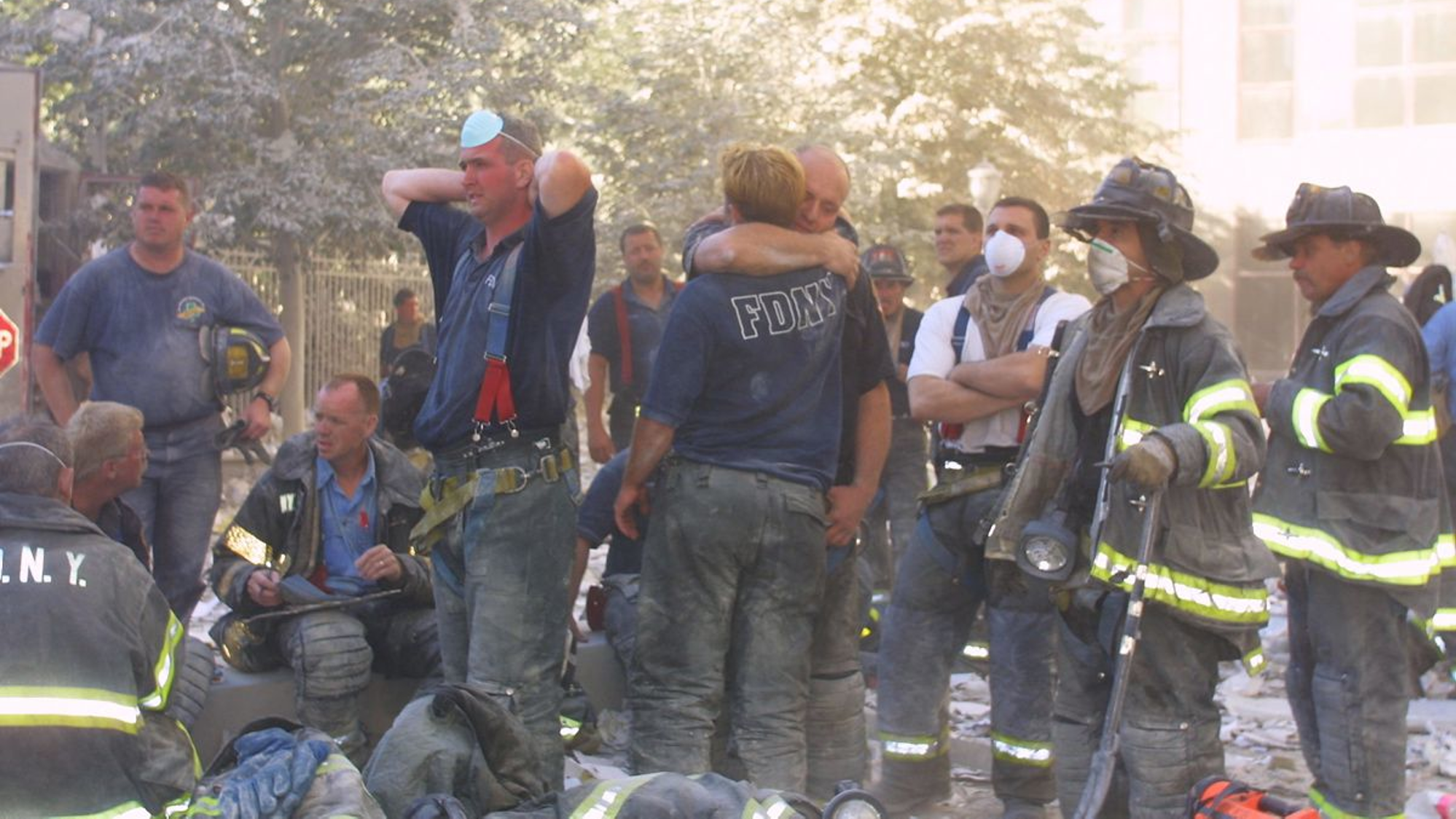
The term "911 responders bill" refers to the collective federal legislation, primarily the James Zadroga 9/11 Health and Compensation Act and its subsequent reauthorizations, designed to provide medical monitoring, healthcare treatment, and financial compensation to emergency responders and survivors affected by the September 11, 2001, terrorist attacks. As of 2026, these programs remain active, offering lifelong support for those with certified 9/11-related illnesses.
The Legislative Foundation: The James Zadroga Act
The cornerstone of all 9/11 responder legislation is the James Zadroga 9/11 Health and Compensation Act of 2010. Named after a New York City Police Department detective who died of respiratory disease linked to his work at Ground Zero, this bill was the culmination of years of advocacy by responders, survivors, and activists. Before this act, the medical needs of those who breathed in the toxic dust of Lower Manhattan, the Pentagon, and Shanksville were largely unaddressed by the federal government.
The original 2010 bill established two distinct but related entities: the World Trade Center (WTC) Health Program and the September 11th Victim Compensation Fund (VCF). However, the initial legislation was only funded for five years. This created a cycle of political advocacy and legislative "fixes" that defined the subsequent decade. In 2015, Congress reauthorized the WTC Health Program through 2090 and extended the VCF for an additional five years.
By 2019, the VCF was facing a massive funding shortfall due to the rising number of claims as latent cancers began to emerge. This led to the passage of the "Never Forget the Heroes: James Zadroga, Ray Pfeifer, and Luis Alvarez 11th Victim Compensation Fund Act," which effectively made the compensation fund permanent, authorizing it through the year 2092. In 2026, the focus has shifted from "extension" to "funding adequacy," as medical inflation and increasing enrollment continue to put pressure on the WTC Health Program’s budget.
The World Trade Center (WTC) Health Program
The WTC Health Program is the medical arm of the 9/11 responder legislation. It provides no-cost medical monitoring and treatment for a specific list of certified conditions. Unlike traditional insurance, there are no co-pays or deductibles for treatment received through the program’s network of Clinical Centers of Excellence (CCEs) and the Nationwide Provider Network (NPN).
Scope of Coverage
The program covers four main categories of individuals:
- WTC Responders: Firefighters, police officers, and recovery workers who worked at Ground Zero, the Staten Island Landfill, or the NYC Chief Medical Examiner’s Office.
- WTC Survivors: Residents, students, and workers who were in the NYC Exposure Zone during or after the attacks.
- Pentagon Responders: Those who participated in the rescue and recovery efforts in Arlington, Virginia.
- Shanksville Responders: Those who participated in the recovery efforts at the Flight 93 crash site.
Certified Conditions
To receive treatment, a member’s condition must be "certified" by the program. This means a program doctor must determine that the illness is "at least as likely as not" related to 9/11 exposure. Covered conditions include:
- Aerodigestive Disorders: Chronic rhinosinusitis, GERD, asthma, and sleep apnea.
- Mental Health Conditions: PTSD, depression, and anxiety disorders.
- Cancers: Over 70 types of cancer are covered, including prostate, breast, skin (melanoma and non-melanoma), lung, and various blood cancers like leukemia and multiple myeloma.
- Musculoskeletal Disorders: Specifically for responders who suffered injuries during the recovery operations.
As we move through 2026, the program continues to evaluate new scientific evidence to determine if additional conditions, such as certain cardiovascular issues or autoimmune diseases, should be added to the covered list.
The September 11th Victim Compensation Fund (VCF)
While the WTC Health Program pays for doctors and medicine, the VCF provides financial "awards" to compensate for the economic and non-economic impact of 9/11-related illnesses. The VCF is administered by the Department of Justice and operates under a specific set of legal guidelines to ensure fairness across thousands of claimants.
Types of Compensation
The VCF awards are generally divided into two categories:
- Non-Economic Loss: Often referred to as "pain and suffering." The VCF has established "caps" for these awards depending on the severity of the illness. For example, a non-cancer condition typically carries a lower maximum than a terminal cancer diagnosis.
- Economic Loss: This covers lost earnings, loss of employment benefits (such as pensions), and out-of-pocket expenses related to the illness. For many responders who were forced into early retirement due to disability, the economic loss portion of the claim is the most significant.
The 2092 Extension
The 2019 "Never Forget the Heroes" Act was a landmark piece of legislation because it removed the constant threat of the VCF running out of money. By extending the claim filing deadline to October 1, 2090, and authorizing the payment of all valid claims through 2092, the federal government signaled a long-term commitment to those who served. In 2026, this stability allows claimants to file at their own pace as illnesses are diagnosed, rather than rushing to meet an artificial deadline.
Recent Legislative Updates (2024–2026)
In the years leading up to 2026, several key legislative adjustments have been made to address gaps in the original Zadroga Act.
The 9/11 Health Program Funding Supplemental Act
Despite the long-term authorization, the WTC Health Program faced a projected funding gap starting around 2024. This was due to the unexpected rise in the cost of specialty cancer drugs and an influx of new survivors enrolling in the program. Recent 2025-2026 budget reconciliations have included supplemental funding to ensure that the program does not have to implement "priority categories" or waitlists for treatment.
The 9/11 Notice Act
Signed into law in late 2023, the 9/11 Notice Act has had a major impact on the landscape in 2026. This law requires businesses and institutions that were located in the NYC Exposure Zone in the months following the attacks to notify their former employees about their potential eligibility for the WTC Health Program and the VCF. This has led to a significant increase in enrollment among "survivors"—individuals who were not first responders but worked in offices or attended schools near the Twin Towers.
Eligibility and the "Exposure Zone"
Eligibility for benefits is strictly tied to geographic location and time spent on-site. The "NYC Exposure Zone" is generally defined as the area of Manhattan south of Canal Street, as well as certain areas in Brooklyn that were under the dust cloud.
| Group | Location Requirement | Timeframe Requirement |
|---|---|---|
| NYC Responders | Ground Zero, Landfill, or Morgue | At least 4 hours between 9/11/01 and 9/14/01, or 24 hours in September 2001, or 80 hours total through 7/31/02. |
| NYC Survivors | South of Canal St or certain BK areas | Presence in the zone between 9/11/01 and 7/31/02 for a minimum of 4 to 80 hours depending on the date. |
| Pentagon/Shanksville | The immediate crash sites or debris areas | Presence during the immediate rescue and recovery phase (specific hours vary). |
Verification of presence is one of the most rigorous parts of the application process. Applicants must provide contemporaneous documents such as employment records, school transcripts, rent receipts, or sworn affidavits from witnesses who can attest to their presence in the zone during the required timeframes.
Common Challenges and Troubleshooting
Even with the "911 responders bill" firmly in place, navigating the bureaucracy can be difficult.
- The Certification Gap: A patient may be diagnosed with cancer by their private oncologist, but the WTC Health Program will not pay for treatment or provide a VCF letter until the condition is "certified" by their program doctor. This process can take several months.
- Latent Illnesses: Many responders are only now, 25 years later, developing conditions like COPD or rare cancers. The challenge in 2026 is often proving "nexus"—the link between the 9/11 exposure and the new diagnosis—especially if the individual has other risk factors (like a history of smoking).
- Deceased Claims: If a responder or survivor has already passed away from a 9/11-related illness, their family may still be eligible to file a claim with the VCF. This requires the appointment of a Personal Representative through surrogate's court, a process that can be legally complex.
Comparison: WTC Health Program vs. Victim Compensation Fund
It is vital to understand that these are two different programs with different application processes.
| Feature | WTC Health Program | Victim Compensation Fund (VCF) |
|---|---|---|
| Primary Purpose | Medical monitoring and treatment. | Financial compensation for losses. |
| Administering Agency | CDC / NIOSH (Dept. of Health) | Department of Justice. |
| Cost to Participant | $0 (No premiums or co-pays). | $0 (Legal fees are capped at 10%). |
| Eligibility | Diagnosis of a covered condition. | Certification by WTC Health Program. |
| Deadline | Authorized through 2090. | Claims must be filed by 10/1/2090. |
| Benefit Type | Direct medical services. | Monetary award (check/wire). |
Frequently Asked Questions
Can I still apply for 9/11 benefits in 2026?
Yes. Both the WTC Health Program and the VCF are open for new applications. Because many 9/11-related cancers have long latency periods, the programs were designed to remain open for decades. If you were present in the exposure zone and have recently been diagnosed with a covered condition, you are encouraged to begin the enrollment process immediately.
What if I wasn't a "First Responder" but I lived in Lower Manhattan?
You are classified as a "Survivor." Under the 911 responders bill, survivors have the same access to healthcare for covered conditions as responders. While the eligibility hours for survivors are slightly different, the medical treatment and the ability to seek compensation through the VCF remain essentially the same.
Is the 911 responders bill fully funded?
As of 2026, the VCF is fully funded through 2092. The WTC Health Program receives annual funding based on a formula set by the Zadroga Act. While there have been concerns about medical cost inflation, Congress has historically passed supplemental bills to ensure the program remains solvent and capable of providing care without interruption.
Do I need a lawyer to file a claim?
No, you are not required to have a lawyer. The VCF and the WTC Health Program are designed to be accessible to individuals. However, many people choose to hire specialized 9/11 attorneys because the documentation requirements for "presence" and "economic loss" can be burdensome. Legal fees for VCF claims are legally capped at 10% to protect the claimants.
What happens if my condition isn't on the "covered" list?
The WTC Health Program has a formal petition process. If new scientific studies suggest that a specific illness is prevalent in the 9/11-exposed population, the Program Administrator can add it to the list of certified conditions. This is how many cancers were added years after the original bill was passed.
Practical Recommendations for Responders and Survivors
If you believe you are eligible under the 911 responders bill, your first step should be to register for the WTC Health Program, even if you are currently healthy. The program provides annual monitoring exams that can catch 9/11-related illnesses in their early, more treatable stages. Early detection is not only a health priority but also creates a medical record that simplifies future VCF claims.
Once you have a certified condition, you should register with the VCF. Registration is not the same as filing a claim; it simply preserves your right to file a claim in the future. In 2026, with the 9/11 Notice Act in full effect, many individuals are discovering their eligibility for the first time. Do not wait for a severe illness to document your presence in the NYC Exposure Zone, the Pentagon, or Shanksville. Secure your affidavits and employment records now, while witnesses and documents are still available.