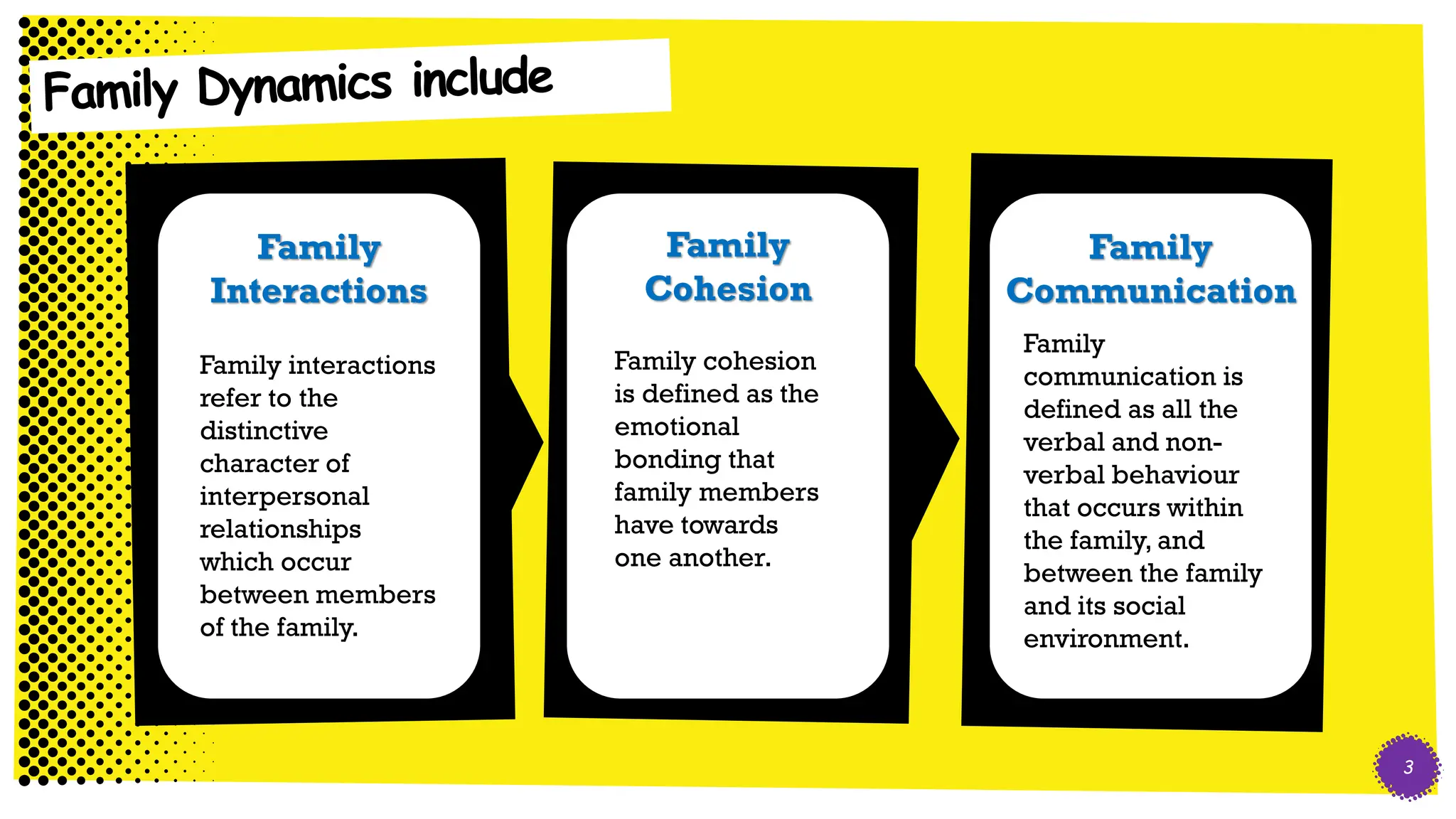
When examining how serialized media portrays domestic relationships, a compact structure spanning precisely seven episodes offers a focused lens through which family dynamics unfold, escalate, and resolve. This structured approach allows creators to dissect generational trauma, sibling rivalries, and parental pressures with acute precision, providing viewers with an intense, digestible character study that mirrors real-world psychological complexities.
The Anatomy of a Seven-Episode Arc
The architecture of a seven-episode television run represents a distinct sweet spot in contemporary storytelling. Unlike feature-length films that must compress generational conflict into two hours, or sprawling twenty-episode network seasons that risk narrative drift, a seven-part structure provides a precise timeline for dramatic progression. This length aligns closely with the British miniseries model and the modern streaming limited series format, which has been widely adopted by networks and platforms such as HBO, Netflix, and BBC.
Within this framework, writers can establish a baseline of familial dysfunction in the opening hours, escalate tensions through the middle acts, and drive toward a definitive, high-stakes reckoning by the finale. Every single scene must advance both the plot and the psychological undercurrents between family members. There is minimal room for filler content, meaning that interactions carry heavier weight, and minor gestures—a lingering glance at the dinner table, an unreturned phone call, or a defensive outburst—take on profound significance.
| Episode Phase | Primary Narrative and Psychological Function | |-------------------+---------------------------------------------------| | Episodes 1-2 | Introduction of baseline dysfunction, secrets, | | | and surface-level stability. | | Episodes 3-4 | Inciting incidents that rupture facades; shifting | | | alliances among siblings and parents. | | Episodes 5-6 | Climax of confrontation; exposure of buried pasts;| | | breaking points for individual characters. | | Episode 7 | Resolution, systemic change, or cyclical relapse; | | | thematic synthesis for the viewer. |
This structural discipline forces creators to prioritize authenticity over melodrama. When audiences invest their time in a compact narrative, they expect a clear exploration of cause and effect within a family unit. The limited runtime ensures that character motivations remain transparent, making it easier for viewers to analyze the behavioral loops that keep families bound together or tear them apart.
Deconstructing Generational Trauma and Inheritance
One of the most compelling aspects of serialized family dramas is their ability to visualize generational trauma. In a compressed narrative, the past is never truly past; it actively dictates the choices of the present generation. Through flashbacks, inherited heirlooms, and deeply ingrained behavioral patterns, stories told across seven episodes demonstrate how emotional wounds are passed down from parents to children like physical property.
Consider how parental expectations shape adult children. In many acclaimed limited series, a controlling matriarch or patriarch serves as the emotional anchor of the household, exerting influence even when physically absent. The seven-episode format allows writers to show the gradual dismantling of this authority. Characters who begin the series bending over backward to win parental approval gradually realize the futility of their efforts, leading to dramatic shifts in family alliances.
- Emotional Inheritance: Characters inherit not just wealth or debts, but specific coping mechanisms, avoidance strategies, and verbal abuse patterns.
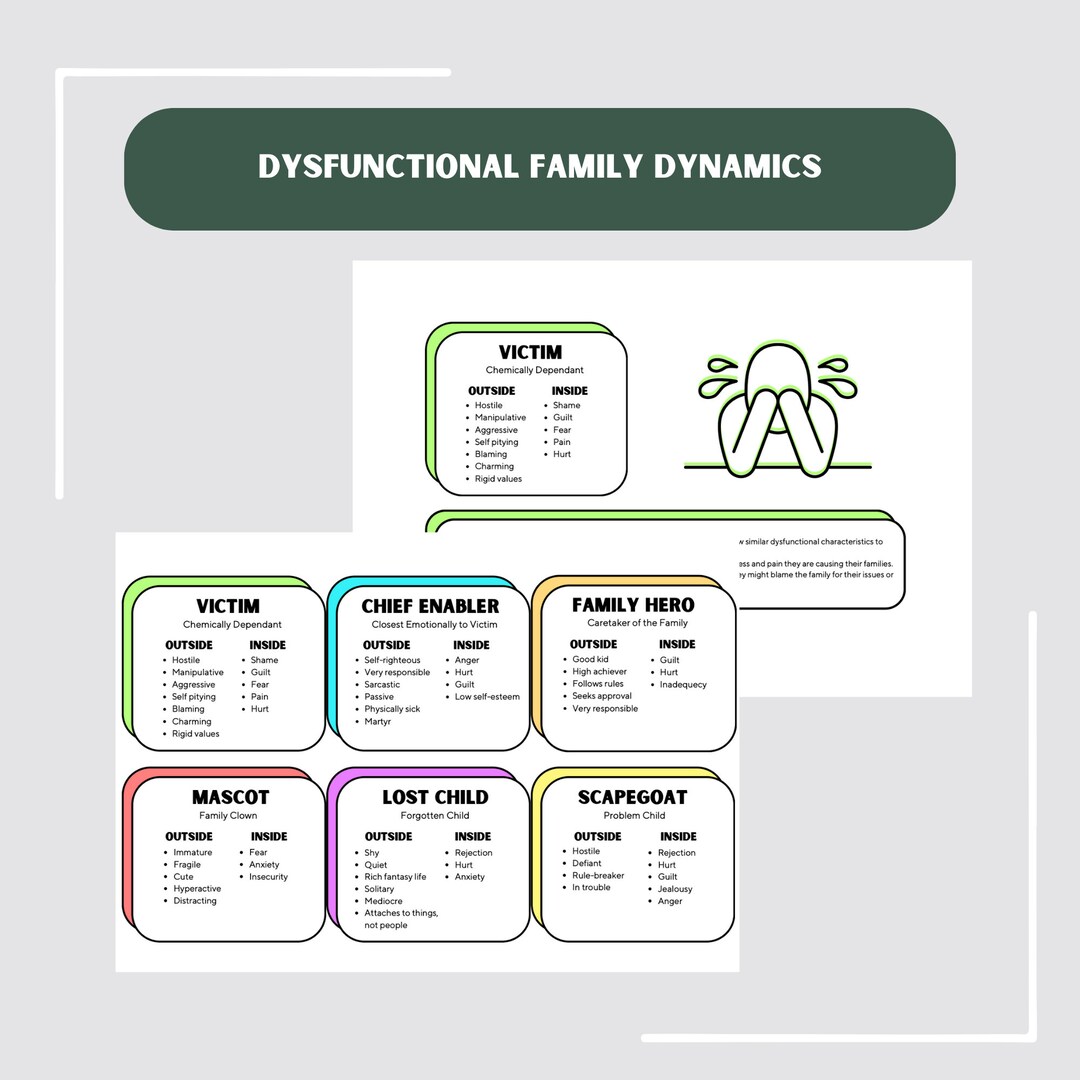
- The Golden Child and The Scapegoat: Rigid family roles are established early in the narrative, but the pressure of compressed storytelling forces these roles to fracture under stress.
- Unspoken Rules: Every household operates under unwritten laws. The narrative arc exposes these rules and shows what happens when a family member dares to break them.
By focusing on these psychological dynamics, writers provide a mirror for audiences. Viewers often recognize their own family quirks, communication barriers, and reconciliation attempts within the fictional struggles on screen, making the viewing experience both cathartic and analytical.
Sibling Rivalry and the Fight for Validation
Sibling relationships form the core tension of many multi-episode family studies. Unlike friendships chosen by adults, family bonds are involuntary, creating a unique pressure cooker of resentment, shared history, and competing desires for parental validation. A seven-episode sequence allows for a thorough exploration of how childhood hierarchies persist into adulthood.
When an inciting incident—such as a parent's illness, a death, a financial crisis, or a disputed inheritance—disrupts the family status quo, the fragile peace among siblings shatters. The narrative structure permits a deep dive into individual perspectives. One episode might highlight the eldest sibling's crushing burden of responsibility, while another explores the youngest sibling's resentment at being infantilized.
- The Burden of Legacy: Siblings often find themselves fighting to run a family business or uphold a family reputation, leading to professional sabotage and personal betrayal.
- Secret Keeping: Trust is tested as siblings discover that certain family members were privy to secrets, favoritism, or abuse that others managed to miss.
- Conditional Loyalty: The breaking point usually arrives when characters must choose between protecting their immediate nuclear family and standing by their siblings.
These conflicts resonate deeply because they expose the vulnerability beneath adult facades. Successful dramas do not paint siblings as purely good or evil; instead, they show how childhood vulnerabilities manifest as adult aggression, defensiveness, and emotional withdrawal.
The Role of Setting and Environment in Family Tension
Physical spaces in family-centric narratives often function as characters in their own right. Whether it is an isolated estate, a cramped suburban home, or a historic family business, the setting confines the characters, physically trapping them together while they process emotional turmoil. In a seven-episode arc, the chosen environment shapes the tone of the interactions.
Confined spaces amplify claustrophobia and tension. When family members cannot easily escape an environment, passive-aggressive comments escalate into full-blown confrontations. Furthermore, the history embedded in the walls—childhood bedrooms left untouched, dining tables marked by decades of arguments, and hiding spots from youth—reminds characters of who they used to be and how little they have changed in the eyes of their relatives.
- Domestic Isolation: Country houses and remote properties cut characters off from outside support systems, forcing them to confront internal demons without distraction.
- Urban Disconnect: Conversely, fast-paced city settings highlight how modern life strains traditional family expectations and obligations.
- Inherited Objects: Physical items, from real estate portfolios to family heirlooms, become battlegrounds for emotional grievances and proof of worthiness.
Paying attention to these environmental details enhances the viewing experience, demonstrating how external conditions mirror internal psychological states. The physical decay of a family home frequently parallels the moral or emotional decay of the family unit residing within it.
Common Misconceptions About Serialized Family Dramas
When analyzing television and media formats that explore domestic relationships, several common misunderstandings often cloud critical discussion. Recognizing these misconceptions helps viewers and aspiring writers appreciate the nuance required to execute a compelling family narrative.
First, audiences sometimes assume that a short episode count implies a superficial treatment of complex themes. In reality, the opposite is true. Constrained formats require extreme narrative efficiency. Every line of dialogue must perform multiple functions, revealing character history while driving current plot developments.
Second, viewers frequently mistake realistic portrayals of toxic behavior for glorification or endorsement. Dramas that depict manipulation, gaslighting, and emotional abuse are designed to dissect these pathologies, not normalize them. The characters who exhibit toxic traits are rarely rewarded by the narrative; instead, the story tracks the collateral damage they inflict on those around them.
Finally, there is a common belief that family dramas require explosive, cataclysmic events to remain engaging. While high-stakes conflicts certainly occur, the most resonant moments often derive from quiet, mundane interactions—a passive-aggressive remark over breakfast, a silent car ride, or a withheld embrace. These subtle details frequently reveal more about family dynamics than any dramatic plot twist ever could.
Frequently Asked Questions
Why is a seven-episode structure popular for deep character studies?
A seven-episode run strikes an ideal balance between depth and pacing. It offers enough time to develop complex backstories and multi-generational conflicts without the narrative bloat or filler episodes common in longer twenty-episode network seasons.
How do limited series portray generational trauma effectively?
They use recurring behavioral patterns, dialogue echoes, and physical symbols—such as family homes or inherited businesses—to show how unresolved parental wounds manifest in the lives of adult children.
What makes sibling dynamics such a compelling focal point in television?
Involuntary relationships combined with shared childhood histories create a natural pressure cooker. Competition for parental validation and lingering childhood roles provide endless fuel for dramatic tension.
Are family dramas based on real psychological principles?
Many acclaimed series work closely with consultants or draw from established family systems theory, exploring concepts such as triangulation, emotional cutoffs, and role assignment within dysfunctional households.
How does the setting influence the mood of a family drama?
Confined or historically significant settings amplify emotional claustrophobia. Physical spaces often hold memories that prevent characters from adopting new adult identities in front of their relatives.
Conclusion and Next Actions
Examining how a compact narrative sequence dissects domestic relationships offers valuable insight into both storytelling craft and human psychology. Whether analyzing a critically acclaimed limited series or reviewing a new streaming release, pay close attention to structural pacing, the weight of unspoken history, and how physical environments shape character choices. To deepen your understanding, select a focused seven-episode drama, observe how the central conflict escalates from the premiere to the midpoint, and evaluate how the resolution addresses the root causes of the family's dysfunction.