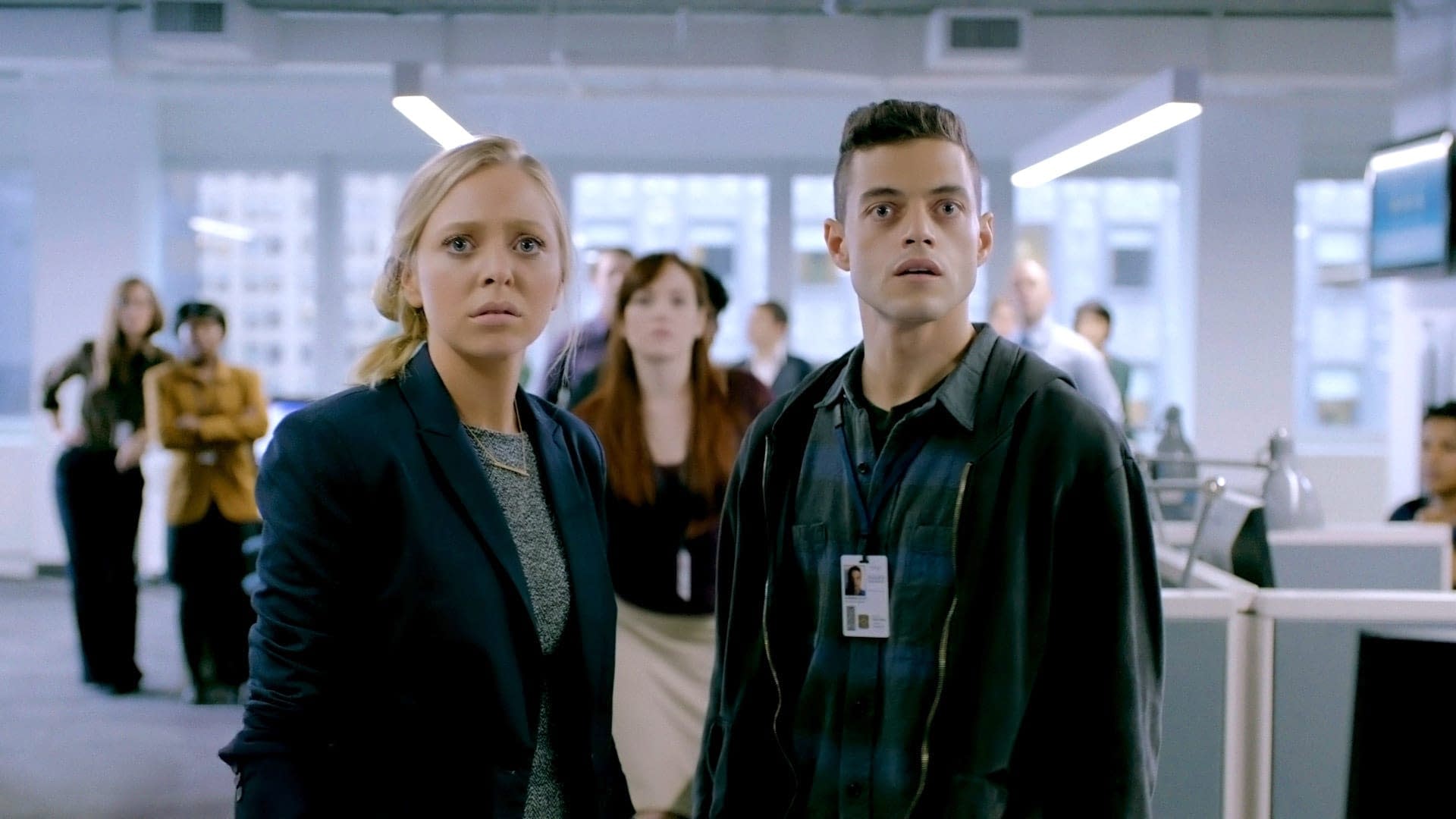
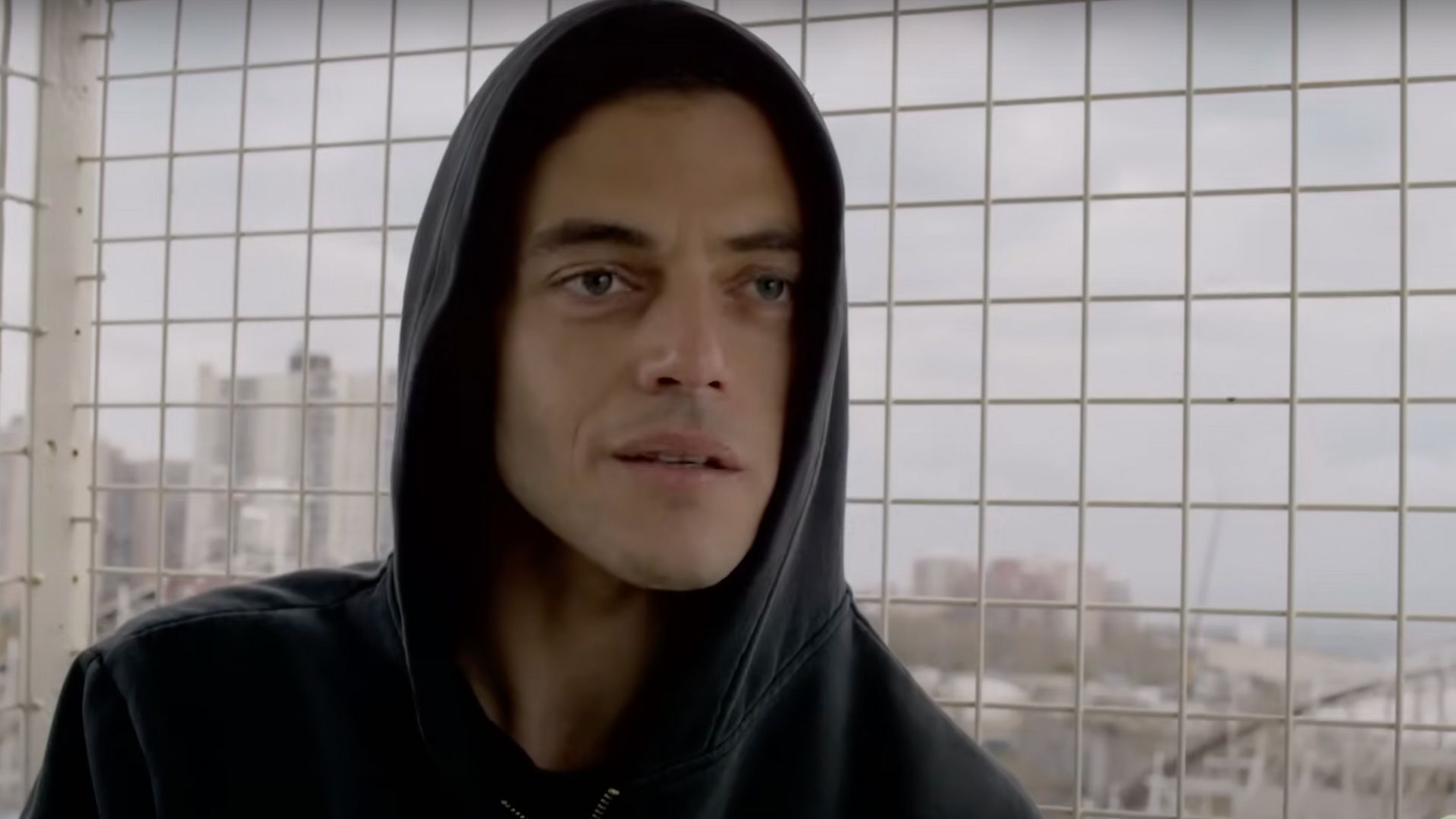
In "eps1.5_br0ke.mkv," the sixth episode of Mr. Robot's first season, the narrative shifts from corporate espionage to a high-stakes personal thriller. Key details include the technical execution of the prison hack, the tragic death of Shayla Nico, Angela’s pursuit of the E Corp lawsuit, the introduction of the Dark Army’s requirements, Tyrell Wellick’s increasing instability, and the thematic exploration of Elliot’s powerlessness.
Contextualizing "eps1.5_br0ke.mkv" in the 2026 Landscape
As we look back at Mr. Robot from the vantage point of 2026, Season 1 remains a masterclass in blending technical realism with psychological depth. Episode 6, titled "eps1.5_br0ke.mkv," serves as the season’s midpoint turning point. Until this moment, Elliot Alderson (Rami Malek) operated under the illusion that he could control the chaos he initiated. This episode shatters that illusion, transitioning the show from a "hack of the week" procedural into a dark, consequences-driven drama.
The episode's title uses the ".mkv" file extension, a container format often used for high-quality video rips, while "br0ke" serves as a double entendre for the prison break and Elliot’s emotional state. Understanding these six key details is essential for any viewer or researcher analyzing the series’ structural evolution and its impact on the cyber-thriller genre.
1. The Technical Realism of the Prison Break Hack
One of the most praised aspects of Mr. Robot is its commitment to technical accuracy, and Episode 6 features one of the series' most daring exploits. To save Shayla, Elliot is forced to hack a prison’s security system to release the drug dealer Fernando Vera.
The Vulnerability Exploited
Elliot targets the prison’s Programmable Logic Controllers (PLCs). Unlike many Hollywood depictions of hacking that rely on "magic" buttons, Elliot utilizes a malicious script delivered via a dropped USB drive—a classic social engineering tactic. When a prison guard picks up the drive and plugs it into a networked computer, Elliot gains an entry point.
The Bluetooth Vector
When the initial plan fails, Elliot is forced to pivot in real-time. He uses a "rubber ducky" style attack and attempts to exploit the prison’s Wi-Fi and Bluetooth vulnerabilities using a specialized antenna. This scene highlights the "security vs. convenience" trade-off; the prison's shift to digital locks and networked monitoring created a centralized point of failure. From a 2026 perspective, this remains a foundational example of how Industrial Control Systems (ICS) remain vulnerable to air-gap jumps through human error.
2. The Tragic Trajectory of Shayla Nico
The emotional core of this episode is the kidnapping and eventual death of Shayla Nico (Frankie Shaw). Her character served as the only grounded, "normal" connection Elliot had to the world outside of fsociety and E Corp.
The Kidnapping and Leverage
Fernando Vera, despite being behind bars, orchestrated Shayla’s abduction through his brother and associates. This detail highlights a recurring theme in the show: the digital world cannot fully insulate a person from the physical brutality of the "real" world. Elliot’s god-like power behind a keyboard is rendered useless when confronted with a knife to a loved one’s throat.
The Final Reveal
The episode concludes with one of the most gut-wrenching twists in television history. After Elliot successfully opens the prison cells and Vera walks free, Vera hands Elliot the keys to a car trunk. Elliot discovers that Shayla had been dead in the trunk the entire time. This detail is crucial because it marks the end of Elliot’s innocence. The realization that he performed the hack for a woman who was already gone permanently alters his psychological landscape, leading to the increased dissociation seen in later episodes.
3. Angela Moss and the Antara Nayar Connection
While Elliot is occupied with the prison break, Angela Moss (Portia Doubleday) continues her arc of corporate defiance. This episode deepens the world-building regarding the "Washington Township" scandal, which killed both Elliot’s father and Angela’s mother.
Meeting Antara Nayar
Angela seeks out Antara Nayar, the lawyer who originally handled the class-action suit against E Corp. This detail is significant because it shifts Angela from a passive victim to an active investigator. Antara represents the "old guard" of justice—weary, defeated, and cynical.
The Moral Choice
Angela's decision to pursue the case despite the overwhelming power of E Corp (or "Evil Corp") mirrors Elliot's struggle. However, where Elliot uses illegal means to take down the system, Angela initially tries to use the system against itself. Her journey in this episode sets the stage for her eventual infiltration of E Corp, a plot point that defines the middle seasons of the series.
4. The Dark Army’s Influence and the Postponement
Episode 6 provides essential clues about the scale of the conspiracy Elliot has stumbled into. Fsociety is not the only player on the board; the Dark Army, a mysterious Chinese hacking collective, becomes a primary factor.
The Meeting with Darlene
Darlene (Carly Chaikin) spends much of the episode stressed about the Dark Army’s silence. We learn that the Dark Army has backed out of the coordinated attack on E Corp’s backup facilities (Steel Mountain). This detail introduces the concept of "Whiterose," the leader of the Dark Army, although she has not yet appeared on screen.
The Significance of Timing
The Dark Army’s refusal to move forward without specific conditions emphasizes that Elliot is a small part of a much larger, global geopolitical game. Their insistence on precision and timing introduces the theme of "time" that becomes central to the series' philosophy. By the year 2026, fans still analyze this episode's breadcrumbs regarding the Dark Army's long-term goals.
5. Tyrell Wellick’s Increasing Instability
Tyrell Wellick (Martin Wallström), the ambitious E Corp executive, experiences a parallel breakdown in this episode. While he is not involved in the prison break, his actions highlight the "breaking" theme of the title.
The CTO Ambition
Tyrell is obsessed with becoming the Chief Technology Officer of E Corp. In this episode, his desperation becomes palpable. He is rejected by Scott Knowles, the man who ultimately gets the job. Tyrell’s reaction—an outburst of primal rage and a lack of emotional control—contrasts sharply with his polished, "American Psycho"-esque exterior.
The Role of Joanna Wellick
A key detail in this episode is the influence of Tyrell’s wife, Joanna. She acts as the "Lady Macbeth" of the series, pushing Tyrell toward more extreme measures to secure power. Their relationship is depicted as a partnership of ambition and fetishism, suggesting that the "evil" in "Evil Corp" isn't just corporate policy, but the personal pathologies of the people running it.
6. The Thematic Significance of "Powerlessness"
The final key detail of Episode 6 is its philosophical shift. Until this point, Mr. Robot felt like a story about a hero with "superpowers" (hacking). "eps1.5_br0ke.mkv" is the episode that strips those powers away.
The Illusion of Control
Elliot believes that if he can just solve the "code" of the prison, he can save the girl. The episode's structure—a literal ticking clock—reinforces this. However, the ending proves that the universe does not follow the logic of a computer program. There are variables (like Vera’s sociopathy) that cannot be accounted for in a script.
The Breaking Point
The "6th detail" is the literal "breaking" of Elliot's spirit. When the police sirens wail and Elliot stands over Shayla's body, the show transitions from a heist/hacker thriller to a tragedy. This is the moment fsociety’s mission becomes personal and messy, rather than ideological and clean.
Summary of Stakes in "eps1.5_br0ke.mkv"
The following table outlines the shifts in character status and narrative stakes that occur during this pivotal episode.
| Character | Status at Start of Episode | Status at End of Episode | Primary Conflict |
|---|---|---|---|
| Elliot Alderson | Trying to balance hacking and personal life. | Emotionally destroyed; Shayla is dead. | Human vs. Technical limits. |
| Shayla Nico | Kidnapped; leverage against Elliot. | Deceased. | Victim of collateral damage. |
| Fernando Vera | Incarcerated; seeking freedom. | Fugitive; successfully escaped. | Manipulation of the justice system. |
| Angela Moss | Searching for a way to fight E Corp. | Reconnected with Antara Nayar. | Legal battle vs. Corporate power. |
| Tyrell Wellick | Professional climber at E Corp. | Rebuffed; emotionally volatile. | Ambition vs. Reality. |
| Darlene | Managing fsociety logistics. | Anxious about Dark Army abandonment. | Organizational survival. |
Historical and Production Context (2026 Retrospective)
In the years since the show's conclusion, Episode 6 has been cited by showrunner Sam Esmail as a "point of no return." Production-wise, the episode is notable for its claustrophobic cinematography. The use of "short-siding"—where characters are framed looking toward the edge of the screen rather than into the open space—is used to amplify the feeling of Elliot being trapped by Vera’s demands.
Technically, the "dropped USB" attack featured in this episode remains a standard case study in cybersecurity training as of 2026. While modern OS security has improved (e.g., auto-run being disabled by default), the human tendency to curiosity remains a persistent vulnerability. The episode's depiction of a "vanilla" prison network being vulnerable to localized SDR (Software Defined Radio) attacks was also ahead of its time, predicting the rise of radio-based exploits in the late 2010s and early 2020s.
FAQ
Why did Vera kill Shayla if he needed Elliot’s help?
Vera’s decision to kill Shayla was a move of pure psychological dominance. By killing her before the hack even started, he ensured that Elliot would have no leverage over him once he was free. Vera viewed Elliot as a "warrior" and believed that by taking away what Elliot loved, he was "freeing" Elliot to become his true self. It was an act of brutal, distorted philosophy.
How did the prison guard’s computer get infected?
The guard found a USB drive on the ground outside the prison (planted by Elliot). Out of curiosity, he plugged it into his workstation. Elliot had loaded the drive with a payload that executed as soon as the drive was accessed, giving Elliot a reverse shell into the prison's internal network. This is a real-world technique often called "The Lost USB Drive" attack.
Does the Dark Army appear in this episode?
The Dark Army does not physically appear in Episode 6, but their presence is felt through their communication (or lack thereof) with fsociety. They serve as a "shadow antagonist" here, demonstrating that Elliot and Mr. Robot do not have full control over the planned "Five/Nine" hack.
What is the significance of the car Elliot uses?
The car where Shayla’s body is found was provided by Vera’s brother. It was a cruel irony; Elliot spent the entire episode trying to "get to the car" to save her, only to realize the car was her coffin. The keys Vera tosses to Elliot symbolize the "payment" for the hack—not a life saved, but a body returned.
Was the prison hack actually possible?
Yes, the methods shown (social engineering via USB and exploiting networked PLC systems) are based on real-world vulnerabilities. While the speed at which Elliot performs the hack is heightened for television, the underlying logic—accessing a closed network through a compromised peripheral—is entirely grounded in cybersecurity reality.
Practical Recommendations for Viewers
For those re-watching Mr. Robot in 2026, pay close attention to the musical score by Mac Quayle during the prison break sequence. The tempo mimics a heartbeat, accelerating as Elliot faces technical hurdles and slowing down to a haunting, low drone when the trunk is finally opened.
If you are a cybersecurity student, this episode serves as an excellent prompt to research Air-Gap Jumping and Social Engineering. While the tools have evolved, the fundamental principle that "the human is the weakest link in any security chain" remains the most important takeaway from "eps1.5_br0ke.mkv." After finishing this episode, it is recommended to immediately watch Episode 7, as the fallout from Shayla’s death becomes the primary catalyst for Elliot’s worsening mental health and his eventual confrontation with his own identity.