A hemoglobin level of 6.8 g/dL (grams per deciliter) is classified as severe anemia and is considered a critical medical value. This level indicates that your blood's oxygen-carrying capacity is significantly compromised, often necessitating immediate medical evaluation and, in many clinical scenarios, a blood transfusion to prevent organ strain or failure.
Hemoglobin is the iron-rich protein found in red blood cells (RBCs) responsible for transporting oxygen from the lungs to the rest of the body and returning carbon dioxide to the lungs. When these levels drop as low as 6.8 g/dL, the heart and lungs must work substantially harder to compensate for the lack of oxygen delivery. In the context of 2026 medical standards, this measurement falls below the common "restrictive transfusion threshold" of 7.0 g/dL used by most hospitals, marking it as a level that requires urgent intervention.
The Physiological Significance of 6.8 g/dL Hemoglobin
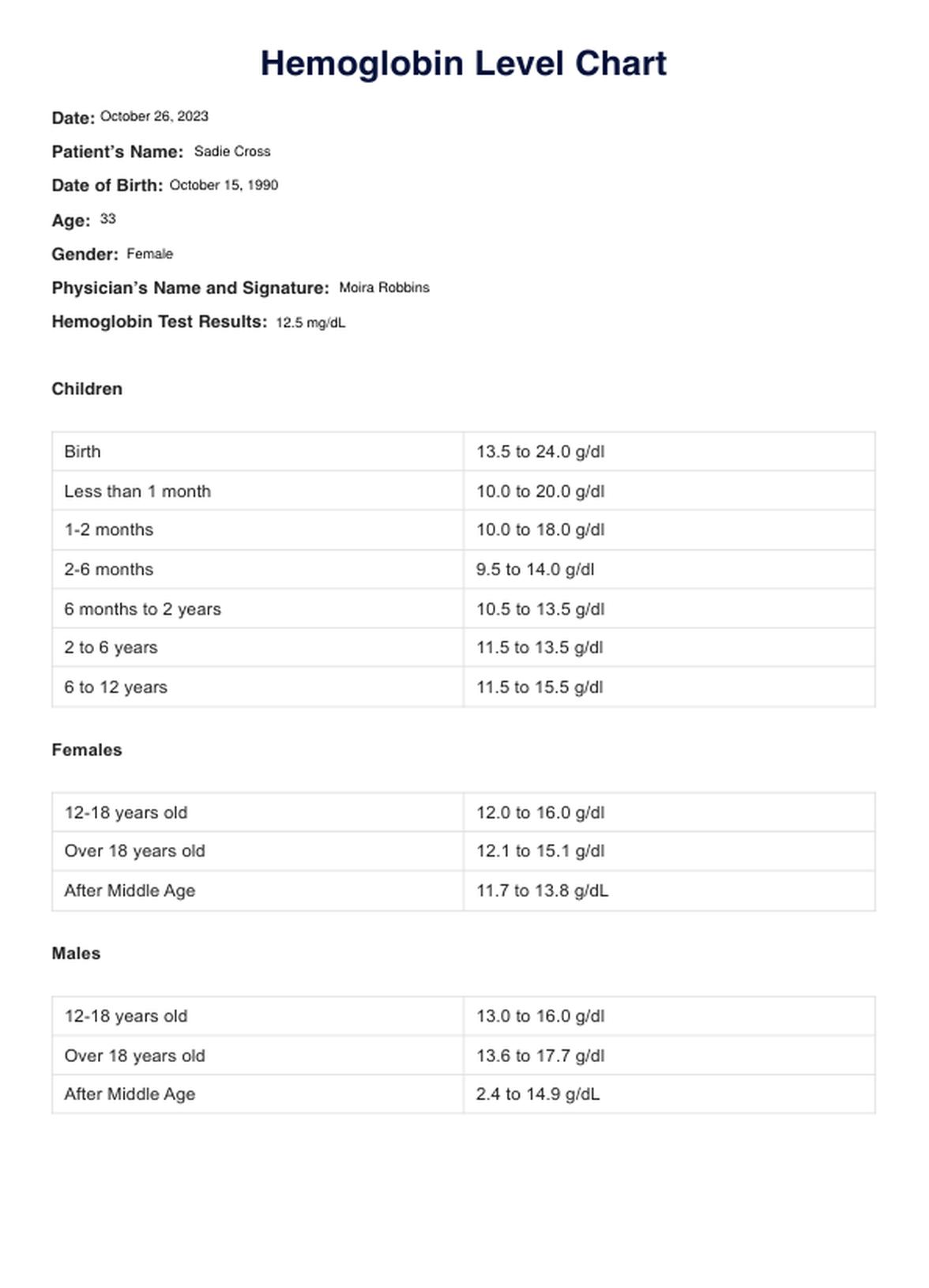
To understand why 6.8 g/dL is concerning, one must compare it to standard reference ranges. While these ranges vary slightly by laboratory and individual factors, the general benchmarks are:
- Adult Males: 13.5 to 17.5 g/dL
- Adult Females: 12.0 to 15.5 g/dL
- Pregnant Individuals: 11.0 g/dL or higher
At 6.8 g/dL, an individual has roughly half the hemoglobin of a healthy adult. This state, known as severe anemia, triggers a cascade of physiological responses. The body attempts to maintain oxygenation by increasing the heart rate (tachycardia) and the volume of blood pumped with each beat (stroke volume). Over time, this "hyperdynamic state" can lead to cardiac hypertrophy or heart failure if the anemia is not corrected.
Oxygen Delivery and Tissue Hypoxia
The primary danger of a 6.8 g/dL level is tissue hypoxia—a condition where tissues do not receive enough oxygen to maintain normal cellular function. While the body is remarkably resilient and can adapt to slow, chronic drops in hemoglobin, an acute drop to this level (such as from sudden bleeding) can lead to rapid decompensation, fainting, and metabolic acidosis.
Identifying the Symptoms of Severe Anemia
When hemoglobin reaches 6.8 g/dL, symptoms are usually prominent and debilitating. While some patients with chronic conditions (like chronic kidney disease) may "acclimatize" to lower levels, most individuals will experience significant physical limitations.
Cardiovascular and Respiratory Symptoms
- Palpitations and Tachycardia: You may feel your heart racing or pounding, even while resting.
- Shortness of Breath (Dyspnea): This often occurs during mild exertion, such as walking across a room or climbing a few stairs. In severe cases, it can occur at rest.
- Chest Pain: If the heart muscle is not receiving enough oxygen, it can lead to angina, particularly in older adults or those with pre-existing coronary artery disease.
Neurological and Systemic Symptoms
- Extreme Fatigue and Lethargy: A profound sense of exhaustion that does not improve with sleep.
- Dizziness and Lightheadedness: This is especially common when moving from a sitting to a standing position (orthostatic hypotension).
- Cognitive Impairment: Difficulty concentrating, "brain fog," or irritability due to reduced cerebral oxygenation.
- Pica: A strange craving for non-food items, such as ice, dirt, or paper, which is specifically associated with severe iron deficiency anemia.
Visible Physical Signs
- Pallor: Notable paleness in the skin, but more specifically in the conjunctiva (the lining of the eyelids), the nail beds, and the creases of the palms.
- Cold Extremities: Hands and feet may feel unusually cold as the body shunts blood toward vital organs.
Potential Causes of a 6.8 g/dL Hemoglobin Level
A hemoglobin level this low is rarely a primary diagnosis; rather, it is a symptom of an underlying pathology. Identifying the "why" is the most critical step in 2026 clinical practice.
1. Acute or Chronic Blood Loss
The most common cause of a sudden drop in hemoglobin is hemorrhage.
- Gastrointestinal (GI) Bleeding: This can result from ulcers, diverticulitis, or colorectal malignancies.
- Trauma: Internal or external injuries.
- Menorrhagia: Exceptionally heavy menstrual bleeding can gradually deplete iron stores until hemoglobin crashes to severe levels.
2. Nutritional Deficiencies
The body requires specific building blocks to create hemoglobin.
- Iron Deficiency: The most common cause worldwide. Without iron, the body cannot produce the "heme" part of hemoglobin.
- Vitamin B12 and Folate Deficiency: Required for DNA synthesis in red blood cells. Deficiency leads to megaloblastic anemia, where cells are large but dysfunctional and few in number.
3. Chronic Kidney Disease (CKD)
The kidneys produce a hormone called erythropoietin (EPO), which signals the bone marrow to create red blood cells. As kidney function declines, EPO production drops, often leading to severe anemia that requires synthetic EPO injections.
4. Bone Marrow Disorders
Conditions such as aplastic anemia, leukemia, or myelodysplastic syndromes (MDS) interfere with the "factory" where red blood cells are made. If the marrow is crowded out by malignant cells or damaged by toxins, RBC production ceases.
5. Hemolysis
This occurs when the body destroys red blood cells faster than it can produce them. This can be caused by autoimmune disorders, certain medications, or genetic conditions like Sickle Cell Disease or Thalassemia.
Comparison of Hemoglobin Severity Levels
| Hemoglobin Level (g/dL) | Classification | Typical Clinical Presentation | Common Action Taken |
|---|---|---|---|
| 12.0 - 17.5 | Normal | Asymptomatic | None (Monitor) |
| 10.0 - 11.9 | Mild Anemia | Mild fatigue, often asymptomatic | Nutritional screening, oral supplements |
| 8.0 - 9.9 | Moderate Anemia | Noticeable fatigue, pale skin | Investigation of cause, IV/Oral iron |
| 6.5 - 7.9 | Severe Anemia | Shortness of breath, tachycardia | Possible transfusion, urgent workup |
| Below 6.5 | Life-Threatening | Fainting, chest pain, organ strain | Emergency transfusion, hospitalization |
Clinical Management and Treatment Strategies
When a laboratory returns a result of 6.8 g/dL, the medical team initiates a standardized protocol to stabilize the patient and identify the source of the drop.
The Decision to Transfuse
In 2026, many healthcare systems follow a restrictive transfusion strategy. Clinical trials have shown that for most stable patients, waiting until hemoglobin drops below 7.0 g/dL to transfuse is safer and results in fewer complications than a "liberal" strategy (transfusing at 9 or 10 g/dL).
However, because 6.8 g/dL is below that 7.0 threshold, a physician will likely order a transfusion of Packed Red Blood Cells (PRBCs), especially if the patient is symptomatic (chest pain, dizziness). One unit of blood typically raises the hemoglobin by approximately 1 g/dL.
Diagnostic Testing (The Workup)
To find the cause, doctors will order:
- Reticulocyte Count: Measures how fast the bone marrow is producing new RBCs. A low count suggests a production problem; a high count suggests blood loss or hemolysis.
- Iron Studies: Includes ferritin, transferrin saturation, and total iron-binding capacity (TIBC).
- Peripheral Blood Smear: A manual look at the cells under a microscope to check for abnormal shapes.
- Fecal Occult Blood Test (FOBT) or Endoscopy: To check for bleeding in the digestive tract.
Non-Transfusion Treatments
- Intravenous (IV) Iron: If the cause is iron deficiency, IV iron can raise levels faster than oral pills and is often used in 2026 for patients with severe anemia to bypass GI absorption issues.
- Erythropoiesis-Stimulating Agents (ESAs): Used primarily for patients with CKD or those undergoing chemotherapy.
- B12/Folate Injections: Required if the anemia stems from a malabsorption of these vitamins.
Potential Complications of Untreated Severe Anemia
Ignoring a 6.8 g/dL hemoglobin level is dangerous. The lack of oxygenated blood can lead to:
- High-Output Heart Failure: The heart wears out from the constant stress of pumping faster to compensate for low oxygen levels.
- Myocardial Infarction (Heart Attack): Especially in patients with existing arterial blockages.
- Cognitive Decline: Prolonged hypoxia can lead to permanent neurological impacts or worsening of dementia symptoms in elderly patients.
- Pregnancy Complications: If found in a pregnant individual, this level poses a severe risk of preterm birth, low birth weight, and maternal hemorrhage.
FAQ: Frequently Asked Questions
Is 6.8 g/dL a "critical" lab value?
Yes. Most hospitals define a hemoglobin level below 7.0 g/dL as a "critical value." This means the laboratory is often required to call the ordering physician immediately, regardless of the time of day, to ensure the patient receives urgent care.
Can I raise my hemoglobin from 6.8 to normal through diet alone?
Generally, no. While iron-rich foods (red meat, spinach, lentils) are helpful for maintaining levels, a level of 6.8 g/dL indicates a severe deficit that usually cannot be corrected by diet alone in a timeframe that is safe for the patient. Medical intervention—such as blood transfusions or IV iron—is almost always necessary.
How long does it take to recover from 6.8 g/dL hemoglobin?
Recovery time depends on the cause and the treatment. A blood transfusion provides an immediate boost within hours. If the cause is iron deficiency and IV iron is used, you may begin to see significant improvement in your energy levels within 1 to 2 weeks, though it may take several months for the body to fully replenish its iron stores and stabilize the hemoglobin in the normal range.
Can I drive or work with a hemoglobin of 6.8 g/dL?
It is strongly advised against driving or performing strenuous work. At 6.8 g/dL, you are at a high risk for fainting (syncope), which can lead to accidents. Most physicians will recommend bed rest or limited activity until the level is stabilized above 8.0 g/dL.
Does 6.8 g/dL always mean I have cancer?
No. While certain cancers (like colon cancer or leukemia) can cause low hemoglobin, there are many non-cancerous causes, including heavy menstrual bleeding, stomach ulcers, kidney disease, and simple nutritional deficiencies. A thorough medical workup is required to determine the actual cause.
Practical Recommendations and Next Actions
If you or someone you are caring for has received a lab result showing a hemoglobin level of 6.8 g/dL, the following steps are essential:
- Seek Immediate Medical Attention: If you are not already in a hospital setting, go to an emergency room or contact your primary care provider immediately. This is not a "wait and see" situation.
- Limit Physical Activity: Do not exercise or engage in heavy lifting. Stay seated or lying down if you feel dizzy to prevent falls.
- Prepare for Hospitalization: Given that this level is below the standard transfusion threshold of 7.0 g/dL, be prepared for a possible stay in the hospital for monitoring and treatment.
- Gather Your Medical History: Be ready to tell the doctor about any recent dark or bloody stools, heavy periods, changes in your diet, or new medications (especially blood thinners like aspirin or anticoagulants).
- Follow-up Testing: Once the initial crisis is managed, ensure you follow up with a hematologist or your primary physician to find the root cause, as treating the symptoms (the low hemoglobin) without addressing the cause will likely lead to the problem recurring.
Disclaimer: This information is for educational purposes only and does not constitute medical advice. A hemoglobin level of 6.8 g/dL is a serious medical condition. Always consult with a qualified healthcare professional for diagnosis and treatment.