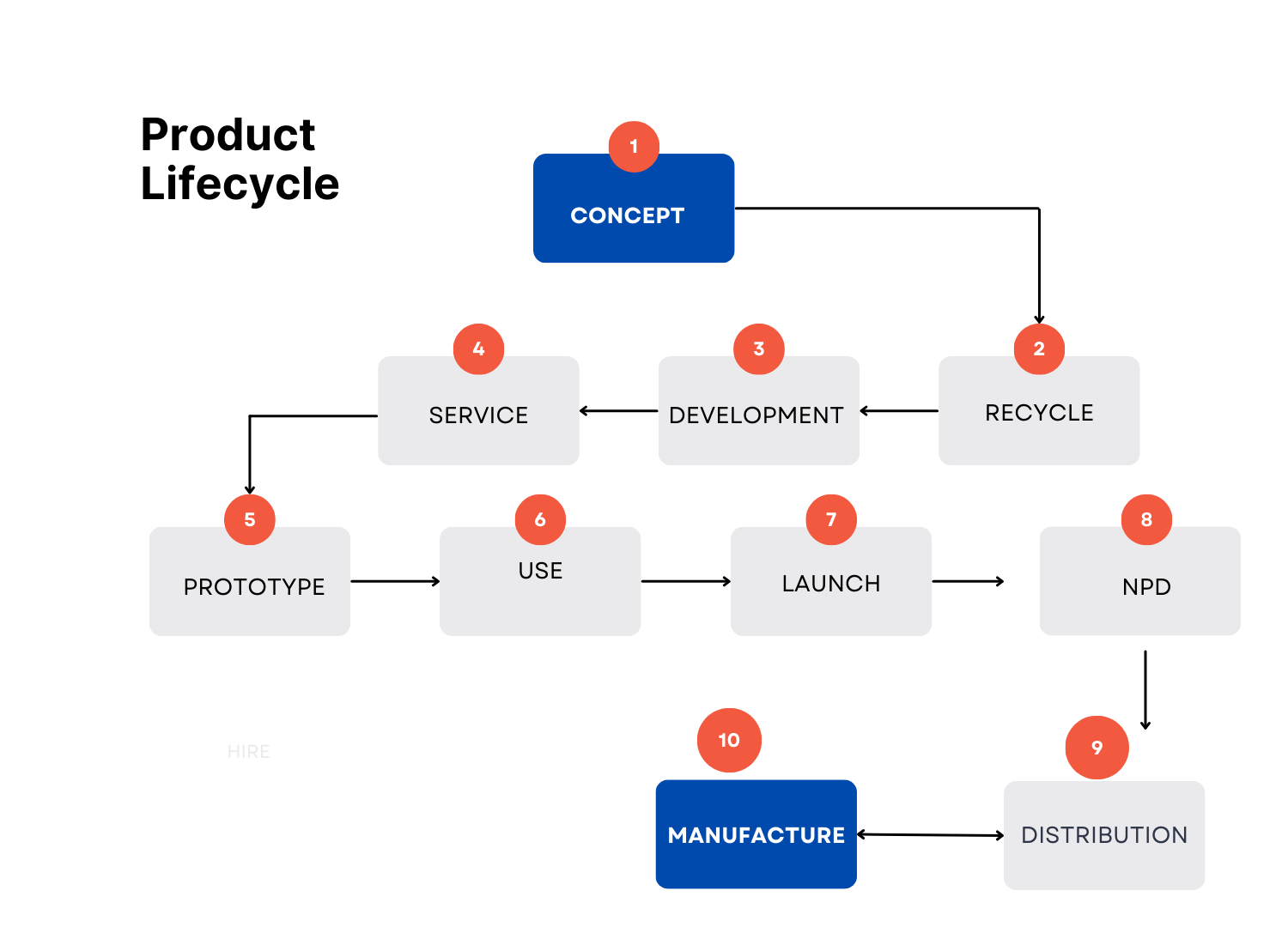
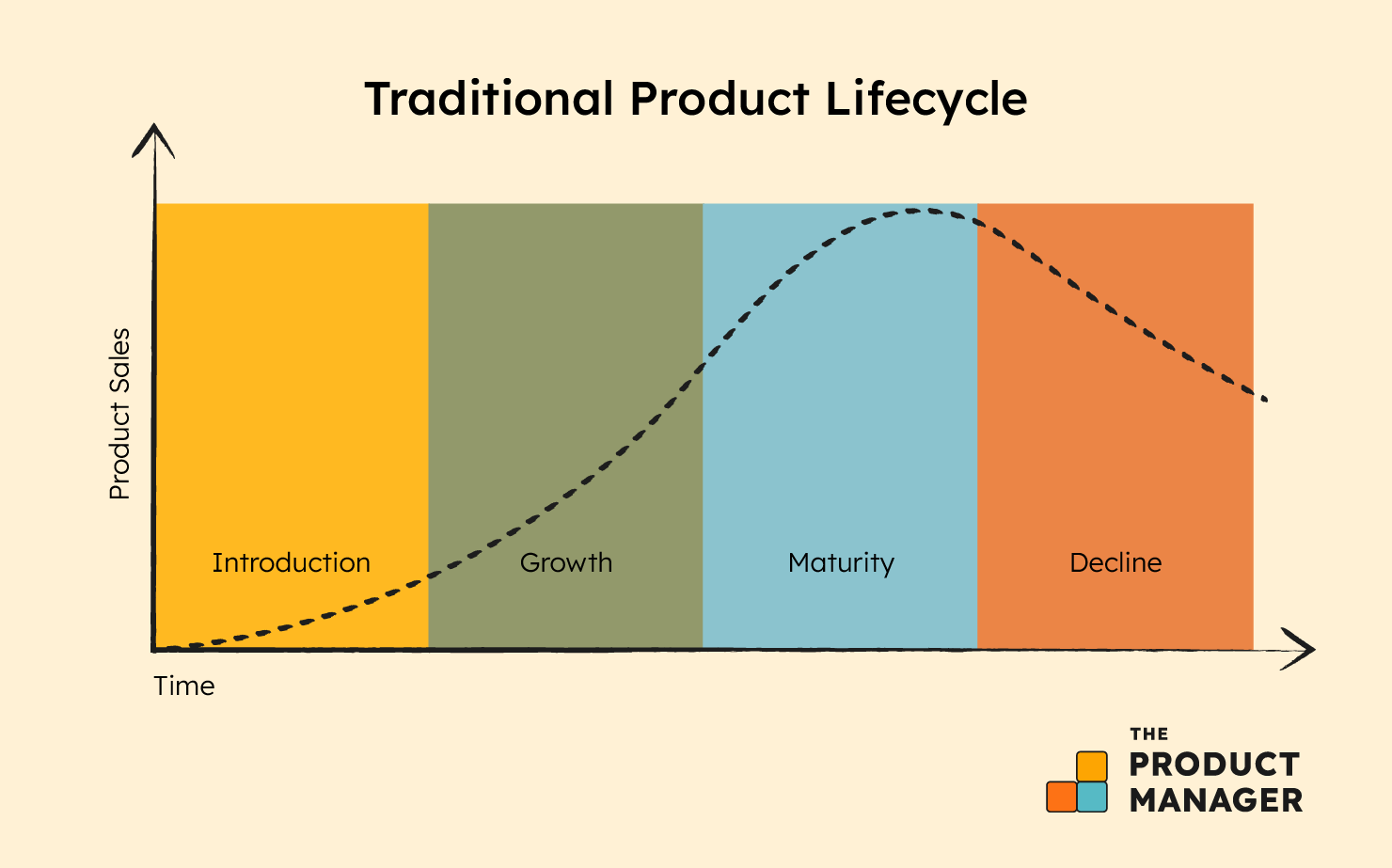
Product Lifecycle Management (PLM) is the integrated, information-driven approach to all aspects of a product's life, from its design and manufacture to its service and disposal. Prominent examples include automotive digital twins, aerospace compliance tracking, consumer electronics supply chain management, medical device traceability, and sustainable fashion lifecycle monitoring.
In 2026, PLM has evolved from a simple data repository into a dynamic, AI-enhanced ecosystem that connects every stakeholder in the value chain. As global markets demand faster innovation cycles and stricter environmental accountability, understanding how different industries implement PLM is essential for any organization seeking to remain competitive. Below, we examine five comprehensive examples of PLM in action, detailing the technical requirements, strategic benefits, and operational workflows of each.
1. The Automotive Industry: Digital Twins and Software-Defined Vehicles
The automotive sector represents perhaps the most complex application of PLM. Modern vehicles are no longer just mechanical machines; they are sophisticated "computers on wheels." This shift toward software-defined vehicles (SDVs) requires a PLM system that can manage mechanical parts, electronic hardware, and millions of lines of software code simultaneously.
The Challenge of Complexity
Automotive manufacturers face the daunting task of coordinating thousands of suppliers while adhering to rigorous safety standards like ISO 26262. A single vehicle platform may have hundreds of variants depending on the region, engine type, and trim level. Without a robust PLM strategy, managing these configurations leads to production delays, expensive recalls, and data silos.
The PLM Solution: Digital Twin Integration
Leading manufacturers like Toyota and Tesla utilize the "Digital Twin" concept within their PLM frameworks. A digital twin is a virtual representation of the physical vehicle that remains connected throughout its life.
- Design Phase: Engineers use high-fidelity CAD (Computer-Aided Design) and CAE (Computer-Aided Engineering) tools integrated into the PLM to simulate crash tests and aerodynamics before a single physical prototype is built.
- Manufacturing Phase: The PLM system coordinates the Bill of Materials (BOM) with the factory floor, ensuring that the correct components are delivered to the assembly line at the precise moment they are needed.
- Service Phase: In 2026, PLM systems track real-time performance data from vehicles on the road. If a sensor identifies a recurring fault, the data is fed back into the PLM system, allowing engineers to develop a software patch or hardware update for future models.
By maintaining a "single source of truth," automotive companies reduce time-to-market and ensure that engineering changes are reflected across all departments instantly.
2. Aerospace and Defense: The Digital Thread and Long-Term Maintenance
Aerospace and Defense (A&D) companies, such as Boeing and Airbus, deal with product lifecycles that can span 30 to 50 years. This longevity creates a unique set of challenges regarding data preservation, regulatory compliance, and Maintenance, Repair, and Overhaul (MRO).
Ensuring Safety and Traceability
In aerospace, every single bolt, wing flap, and software module must be traceable back to its origin. Regulatory bodies like the FAA require meticulous documentation of every design change and maintenance action. If a component fails ten years after an aircraft is delivered, the manufacturer must be able to identify every other aircraft that contains parts from that same production batch.
The PLM Solution: The Digital Thread
The "Digital Thread" is a PLM concept that creates a continuous communication stream from initial requirements to the end of the product’s life.
- Requirements Management: PLM tracks thousands of government and safety requirements, ensuring that every design choice is validated against these rules.
- Configuration Management: Because aircraft are frequently upgraded, the PLM system must track the "as-built," "as-maintained," and "as-flying" configurations.
- MRO Integration: When an aircraft lands for service, technicians access the PLM database to see its specific maintenance history, reducing downtime and preventing human error.
This level of integration is critical for safety. It ensures that when a design improvement is made, it is systematically applied to the global fleet, maintaining the integrity of the aircraft over decades of operation.
3. Consumer Electronics: Rapid Prototyping and Global Supply Chains
Unlike aerospace, the consumer electronics industry (e.g., Apple, Samsung, or Sony) operates on incredibly short lifecycles. A smartphone designed today might be obsolete in 18 months. Here, PLM is focused on speed, cost-efficiency, and global collaboration.
The Pressure of "First to Market"
In the electronics world, being three months late to market can result in millions of dollars in lost revenue. Companies must manage rapid iterations, frequent Engineering Change Notices (ECN), and a supply chain that spans multiple continents and dozens of specialized vendors.
The PLM Solution: Collaborative BOM Management
Modern electronics PLM systems focus on the Bill of Materials (BOM) as the central hub of activity.
- Concurrent Engineering: Designers in California, hardware engineers in Taiwan, and software developers in India all work on the same PLM platform in real-time. This prevents the "over-the-wall" syndrome where one team finishes their work and passes it to the next without prior consultation.
- Supplier Collaboration: PLM portals allow suppliers to upload their component specifications directly into the manufacturer’s system. This ensures that the components being ordered actually fit the latest design revisions.
- Sustainability and Recycling: With increasing "Right to Repair" legislation and electronic waste (e-waste) regulations in 2026, PLM systems now track the materials used in every component, facilitating easier disassembly and recycling at the end of the device's life.
4. Fashion and Apparel: Seasonal Agility and Circularity
The fashion industry has traditionally been seen as a creative endeavor, but in 2026, it is a data-driven powerhouse. Brands like Nike and Zara use PLM to bridge the gap between creative design and industrial manufacturing.
Solving the "Fast Fashion" Dilemma
Fashion brands must manage hundreds of "styles" every season, each with multiple sizes and colors (SKUs). Furthermore, there is immense pressure from consumers and regulators to move toward a "circular economy"—where clothes are designed to be reused or recycled rather than discarded.
The PLM Solution: Design to Shelf Integration
PLM in fashion focuses on the concept-to-retail workflow.
- Trend Analysis and Ideation: Creative teams use PLM to organize mood boards, color palettes, and fabric libraries.
- Sourcing and Costing: As a designer selects a specific fabric, the PLM system automatically calculates the cost based on current market rates and transport logistics.
- Sustainability Tracking: Modern fashion PLM tools include "Life Cycle Assessment" (LCA) modules. These calculate the carbon footprint and water usage of a garment before it is even manufactured, allowing brands to choose more sustainable options during the design phase.
By automating the administrative side of design, fashion houses can reduce the "lead time" from a trend appearing on social media to the product appearing in stores, while simultaneously improving their environmental credentials.
5. Medical Devices: Regulatory Compliance and Patient Safety
The medical device industry (e.g., Medtronic or Siemens Healthineers) operates in one of the most strictly regulated environments in the world. Whether it is a simple syringe or a complex MRI machine, the product must be proven safe and effective through every stage of its lifecycle.
The Burden of Documentation
Medical device companies must maintain a Design History File (DHF) and a Device Master Record (DMR). These are massive collections of documents that prove the device was designed and manufactured according to regulatory standards like the FDA 21 CFR Part 11 or the EU MDR.
The PLM Solution: Automated Traceability
For medical device manufacturers, PLM is a compliance engine.
- Risk Management: PLM tools integrate Failure Mode and Effects Analysis (FMEA) directly into the design process. If a potential risk is identified, the PLM ensures that a mitigation strategy is documented and tested.
- Unique Device Identification (UDI): Every device is assigned a unique ID in the PLM system. If a surgeon reports a problem with a hip implant, the manufacturer can use the PLM to trace that specific unit back to the exact manufacturing date, the raw material batch used, and the quality control tests it passed.
- CAPA Integration: Corrective and Preventive Action (CAPA) workflows are built into the PLM. When a defect is found, the system guides the team through the steps required to fix it and prevents the product from being shipped until the issue is resolved.
This rigorous control is not just about avoiding fines; it is about protecting human life by ensuring that every medical product is as safe as it can possibly be.
Comparison of PLM Implementation by Industry
The following table summarizes how the priorities of PLM shift depending on the industry and the nature of the product.
| Industry | Primary Focus | Key PLM Feature | Lifecycle Length | Major Regulation |
|---|---|---|---|---|
| Automotive | Complexity & Software | Digital Twin | 10–15 Years | ISO 26262 |
| Aerospace | Safety & Longevity | Digital Thread | 30–50 Years | FAA / EASA |
| Consumer Electronics | Speed to Market | BOM Collaboration | 1–3 Years | RoHS / WEEE |
| Fashion | Style & Sustainability | Concept-to-Shelf | < 1 Year | ESG / Circularity |
| Medical Devices | Quality & Compliance | DHF / CAPA | 5–15 Years | FDA / EU MDR |
Common Challenges in PLM Implementation
While the benefits of PLM are clear, implementation is often fraught with technical and cultural hurdles. Organizations frequently underestimate the amount of work required to migrate legacy data and align different departments.
Data Silos and Resistance to Change
One of the most significant barriers is "departmental tribalism." Engineering, manufacturing, and marketing teams often use different software tools and have different goals. Breaking down these silos requires a cultural shift where every employee understands that the PLM system is the central authority for data.
Integration with ERP and MES
A PLM system does not exist in a vacuum. It must communicate seamlessly with the Enterprise Resource Planning (ERP) system (which handles finances and orders) and the Manufacturing Execution System (MES) (which controls the factory floor). In 2026, the use of standardized APIs (Application Programming Interfaces) has made this integration easier, but it still requires careful planning to ensure data remains synchronized across all platforms.
Data Security and Intellectual Property
Because PLM systems contain the "crown jewels" of a company—its designs and trade secrets—they are prime targets for cyberattacks. Secure PLM implementation involves multi-factor authentication, end-to-end encryption, and strict access controls to ensure that only authorized personnel can view or modify sensitive designs.
Frequently Asked Questions
What is the difference between PLM and ERP?
PLM (Product Lifecycle Management) focuses on the "how" and "what" of a product—its design, engineering, and technical specifications. ERP (Enterprise Resource Planning) focuses on the "when" and "how many"—handling the logistics, finances, inventory, and orders. While they overlap, PLM usually begins at the ideation stage, whereas ERP typically begins once the product is ready for mass production.
Can small businesses benefit from PLM?
Yes. While large corporations use massive PLM suites from companies like Siemens, PTC, or Dassault Systèmes, there are now cloud-based PLM solutions specifically designed for small and medium enterprises (SMEs). These tools offer core features like BOM management and revision control without the high upfront costs of on-premise infrastructure.
How does AI impact PLM in 2026?
By 2026, AI has become a core component of PLM. Generative design AI can suggest optimal product shapes to reduce weight or material use. Predictive analytics in PLM can forecast when a part might fail in the field, allowing companies to issue proactive maintenance alerts. Furthermore, AI-driven "smart assistants" help engineers find existing parts in the database, preventing the redundant design of components that already exist.
Is PLM only for physical products?
While PLM originated in physical manufacturing, the principles are increasingly applied to "digital products" and services. The concept of managing a product from requirement to disposal is equally valid for software platforms or complex service agreements, though the specific tools (like version control systems for code) may differ from traditional CAD-based PLM.
How does PLM support sustainability?
PLM supports sustainability by providing visibility into the entire lifecycle of a product. It allows designers to select materials with lower carbon footprints, simulate energy efficiency during the design phase, and plan for "end-of-life" disposal. By 2026, many regions require a "Digital Product Passport," which is essentially a PLM-generated record of a product's environmental impact.
Practical Recommendation for Choosing a PLM Strategy
If your organization is looking to implement or upgrade a PLM system, start by identifying your "primary pain point." If your main issue is slow time-to-market, focus on Collaborative BOM Management. If your concern is safety and legal risk, prioritize Traceability and Compliance modules.
Always choose a system that offers open integration capabilities (APIs) to ensure it can grow with your company and connect with your other business tools. Finally, remember that PLM is a strategy, not just a software purchase; it requires clear leadership and a commitment to data integrity across the entire organization.