In 2026, a 5 percent interest rate represents a significant psychological and financial threshold for both savers and borrowers. For investors, it serves as a high-water mark for "safe" yields in cash-equivalent accounts, while for borrowers, it often defines the boundary between affordable financing and high-cost debt. Achieving or paying 5 percent requires a nuanced understanding of compounding, inflation, and market liquidity.
The Significance of the 5 Percent Benchmark
In the current economic landscape of 2026, 5 percent interest is more than just a number; it is a primary indicator of the "neutral rate" where the economy neither accelerates nor decelerates aggressively. For over a decade leading into the early 2020s, interest rates were historical anomalies, often hovering near zero. However, the structural shifts in global markets have cemented 5 percent as a realistic target for low-risk investments like High-Yield Savings Accounts (HYSA) and Certificates of Deposit (CD).
When you earn 5 percent on your capital, you are effectively outpacing the standard inflation targets set by central banks, which typically aim for 2 percent. This creates a "real rate of return" of approximately 3 percent, allowing your purchasing power to grow rather than just remain stagnant. Conversely, when borrowing at 5 percent—such as for a mortgage or a high-tier personal loan—you are accessing capital at a rate that is historically moderate, though significantly higher than the floor seen years ago.
Understanding APY vs. APR
To navigate 5 percent interest effectively, you must distinguish between Annual Percentage Yield (APY) and Annual Percentage Rate (APR).
- APY (Savings): This includes the effect of intra-year compounding. If an account offers a 5 percent APY, it means that after one year, a $10,000 deposit will have grown to exactly $10,500, assuming no further deposits or withdrawals.
- APR (Loans): This represents the yearly cost of borrowing funds, including fees, but does not typically account for the compounding of interest in the same way APY does for savings.
Where to Find 5 Percent Interest on Savings
In 2026, several financial instruments consistently offer yields at or near the 5 percent mark. The choice between them depends largely on your need for liquidity—how quickly you can access your cash—and your tolerance for minor fluctuations in market rates.
High-Yield Savings Accounts (HYSA)
The most common way to earn 5 percent interest today is through online-centric banks. Because these institutions lack the overhead of physical branches, they pass the savings to consumers in the form of higher rates.
- Liquidity: High. You can usually transfer funds to a checking account within 1–3 business days.
- Stability: Rates are variable. If the central bank lowers the federal funds rate, your 5 percent could drop to 4.5 percent or lower overnight.
- Security: Ensure the institution is backed by the Federal Deposit Insurance Corporation (FDIC) or the National Credit Union Administration (NCUA), which protects deposits up to $250,000 per depositor.
Certificates of Deposit (CDs)
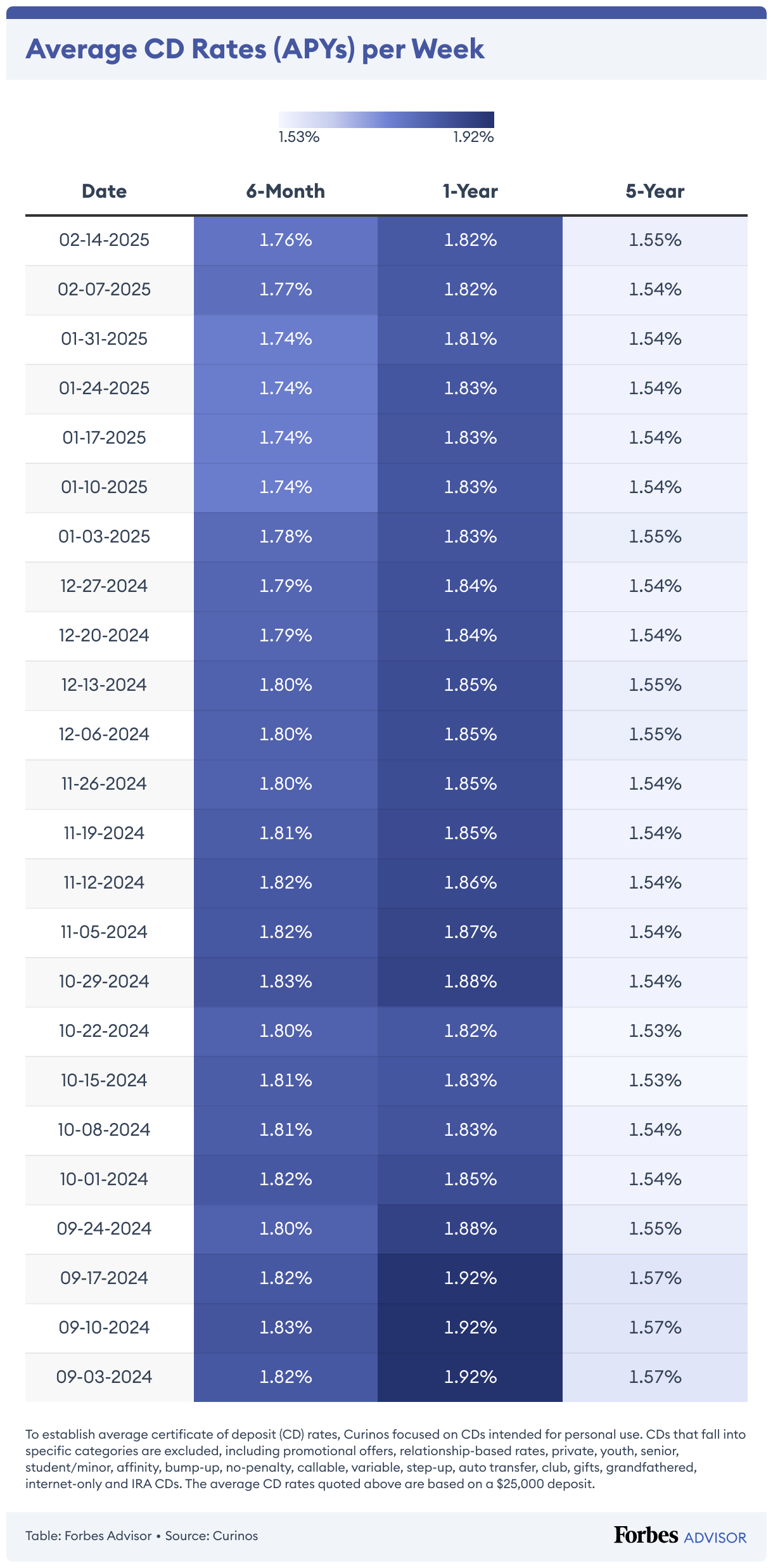
If you do not need immediate access to your money, a CD allows you to "lock in" a 5 percent rate for a set term, ranging from six months to five years. This protects you against falling interest rates in the broader market.
- The CD Ladder Strategy: Rather than putting $50,000 into a single 5 percent CD, savvy investors in 2026 use a "ladder." They might put $10,000 into a 1-year CD, $10,000 into a 2-year CD, and so on. This ensures that a portion of the money becomes available every year while still capturing the high interest rate.
Treasury Bills (T-Bills)
U.S. Treasury Bills are short-term debt obligations backed by the federal government. In 2026, T-bills with maturities of 4, 8, 13, or 26 weeks frequently yield around 5 percent.
- Tax Advantage: Interest earned on T-bills is exempt from state and local taxes, making a 5 percent Treasury yield more valuable than a 5 percent bank interest rate in high-tax states like California or New York.
The Mathematics of 5 Percent: How Your Money Grows
Understanding the "Why" behind 5 percent interest requires looking at the power of compounding. Compounding occurs when the interest you earn begins to earn interest on itself.
The Rule of 72
A quick way to estimate the impact of 5 percent interest is the "Rule of 72." By dividing 72 by your interest rate, you can determine approximately how many years it will take for your money to double.
- 72 / 5 = 14.4 years. At a 5 percent interest rate, your initial investment will double in roughly 14 and a half years without you adding another cent to the principal.
Daily vs. Monthly Compounding
The frequency of compounding can slightly alter your total return. Most high-yield accounts in 2026 compound interest daily and credit it to your account monthly.
- Example: On a $100,000 balance at 5 percent interest:
- Simple Interest: You would earn $5,000 in a year.
- Monthly Compounding: You would earn approximately $5,116.
- Daily Compounding: You would earn approximately $5,127.
While the differences seem small on a monthly basis, over a decade, the gap between simple and compound interest represents thousands of dollars in "free" growth.
Comparison of 5 Percent Interest Vehicles in 2026
The following table compares the most common financial products currently offering a 5 percent return or costing 5 percent in interest.
| Product Type | Typical Term | Liquidity | Risk Level | Tax Considerations |
|---|---|---|---|---|
| High-Yield Savings | Ongoing | Very High | Very Low (FDIC) | Subject to Federal & State tax |
| 12-Month CD | 1 Year | Low (Penalty for early withdrawal) | Very Low (FDIC) | Subject to Federal & State tax |
| 26-Week T-Bill | 6 Months | Moderate (Secondary market) | Lowest (Govt Backed) | Federal tax only (No State/Local) |
| Money Market Fund | Ongoing | High | Low (Not FDIC insured) | Subject to Federal & State tax |
| Fixed Mortgage | 15-30 Years | N/A (Debt) | Low (Collateralized) | Interest may be tax-deductible |
Borrowing at 5 Percent: Is it a Good Deal?
In 2026, a 5 percent interest rate on a loan is generally considered "prime" or "excellent." However, the context of the loan determines its actual value.
Mortgages
A 5 percent mortgage rate is often the "sweet spot" for the 2026 housing market. While it is higher than the 3 percent rates seen in the early 2020s, it is significantly lower than the 7 or 8 percent rates that characterized the mid-2020s inflationary period. At 5 percent, a $400,000 mortgage costs approximately $2,147 per month in principal and interest.
Auto Loans
Securing a 5 percent interest rate on a new vehicle in 2026 is an indicator of a high credit score (typically 740 or above). For a 60-month loan, this rate keeps the total interest paid over the life of the loan manageable, usually amounting to less than 13 percent of the total vehicle price.
Personal Loans and Credit
If you are offered a personal loan at 5 percent in 2026, it is an exceptionally low rate, likely reserved for debt consolidation for those with impeccable credit. Most credit cards in 2026 still carry rates between 18 and 24 percent, making a 5 percent alternative an excellent tool for reducing interest expenses.
The Impact of Inflation on Your 5 Percent Yield
One of the most common mistakes investors make is looking at "nominal" interest instead of "real" interest. In 2026, if you are earning 5 percent on your savings but the cost of living (inflation) is rising by 3 percent, your real rate of return is only 2 percent.
To protect your wealth, you must ensure that your 5 percent interest is not being eroded by a high Consumer Price Index (CPI). If inflation were to spike to 6 percent, your 5 percent savings account would actually be losing 1 percent of its purchasing power every year. This is why financial advisors in 2026 recommend a diversified portfolio that includes assets like equities or real estate alongside 5 percent cash instruments, as these assets have a better historical track record of outperforming high inflation.
Common Pitfalls and How to Avoid Them
When chasing or managing a 5 percent interest rate, several technicalities can derail your financial goals.
- Maintenance Fees: Some traditional banks claim to offer high rates but charge monthly maintenance fees if your balance falls below a certain threshold. A $15 monthly fee on a $5,000 account will completely wipe out the 5 percent interest you earn. Always opt for "no-fee" high-yield accounts.
- Teaser Rates: Be wary of accounts that offer "5 percent for the first three months." After the introductory period, these rates often drop significantly. Always check the "ongoing" APY.
- Inflation Neglect: As mentioned, 5 percent is only "good" if inflation is low. In 2026, stay informed on the Federal Reserve's monthly inflation reports to gauge if your 5 percent yield is still doing its job.
- Tax Drag: Forgetting that interest is taxable income can lead to a surprise bill in April. If you are in a high tax bracket, a 5 percent yield might only be 3.5 percent after-tax. Consider tax-advantaged accounts like IRAs or 401(k)s for long-term growth.
Practical Steps to Secure a 5 Percent Rate
If you are looking to move your money into a 5 percent vehicle today, follow these steps:
- Audit Your Current Accounts: Most "big box" national banks still offer 0.01 percent to 0.10 percent interest. Moving $20,000 from a 0.10 percent account to a 5 percent account earns you an extra $980 per year.
- Check Your Credit Score: If you are looking for a 5 percent loan, ensure your score is above 740. Lower scores will likely result in rates of 7 percent or higher.
- Open an Online Brokerage Account: Many brokerages in 2026 offer "purchased money market funds" that yield 5 percent or more, providing a convenient place to park cash while waiting for investment opportunities in the stock market.
- Monitor the Treasury Direct Website: For the highest level of security, buying T-bills directly from the government allows you to capture 5 percent yields without any middleman fees.
Frequently Asked Questions
Is 5 percent interest high or low?
In a historical context, 5 percent is considered moderate. During the 1980s, rates reached nearly 20 percent, while in the 2010s, they were near 0 percent. In 2026, 5 percent is viewed as a "healthy" rate that rewards savers without making borrowing impossible for the average consumer.
Can I lose money in a 5 percent savings account?
If the account is FDIC-insured, your principal is protected up to $250,000. You cannot "lose" money due to market fluctuations. However, you can lose "purchasing power" if the inflation rate exceeds 5 percent.
How much will $10,000 earn at 5 percent interest in one year?
With an APY of 5 percent, $10,000 will earn $500 in interest over one year. If the interest is compounded daily and you do not withdraw any funds, the total will be slightly higher (approximately $512.70) due to the compounding effect.
Are there any 5 percent interest checking accounts?
Yes, in 2026, several "Neo-banks" and fintech platforms offer 5 percent on checking balances, though they often require a minimum number of debit card transactions per month or a recurring direct deposit to qualify for the rate.
Will 5 percent rates last through 2027?
Interest rates are determined by economic data, specifically inflation and employment figures. While 5 percent is stable in 2026, a significant economic slowdown could lead the Federal Reserve to cut rates, which would cause HYSA and CD rates to fall accordingly.
Final Recommendation
To make the most of 5 percent interest in 2026, prioritize flexibility and tax efficiency. If you have an emergency fund, move it to a 5 percent High-Yield Savings Account immediately to benefit from daily compounding and high liquidity. For long-term savings where you can afford to lock away funds, consider a 5 percent CD or a Treasury Bill to protect your yield against potential future rate cuts. If you are a borrower, treat 5 percent as a target rate; if you are offered significantly more, it may be worth improving your credit score or shopping around for a different lender.