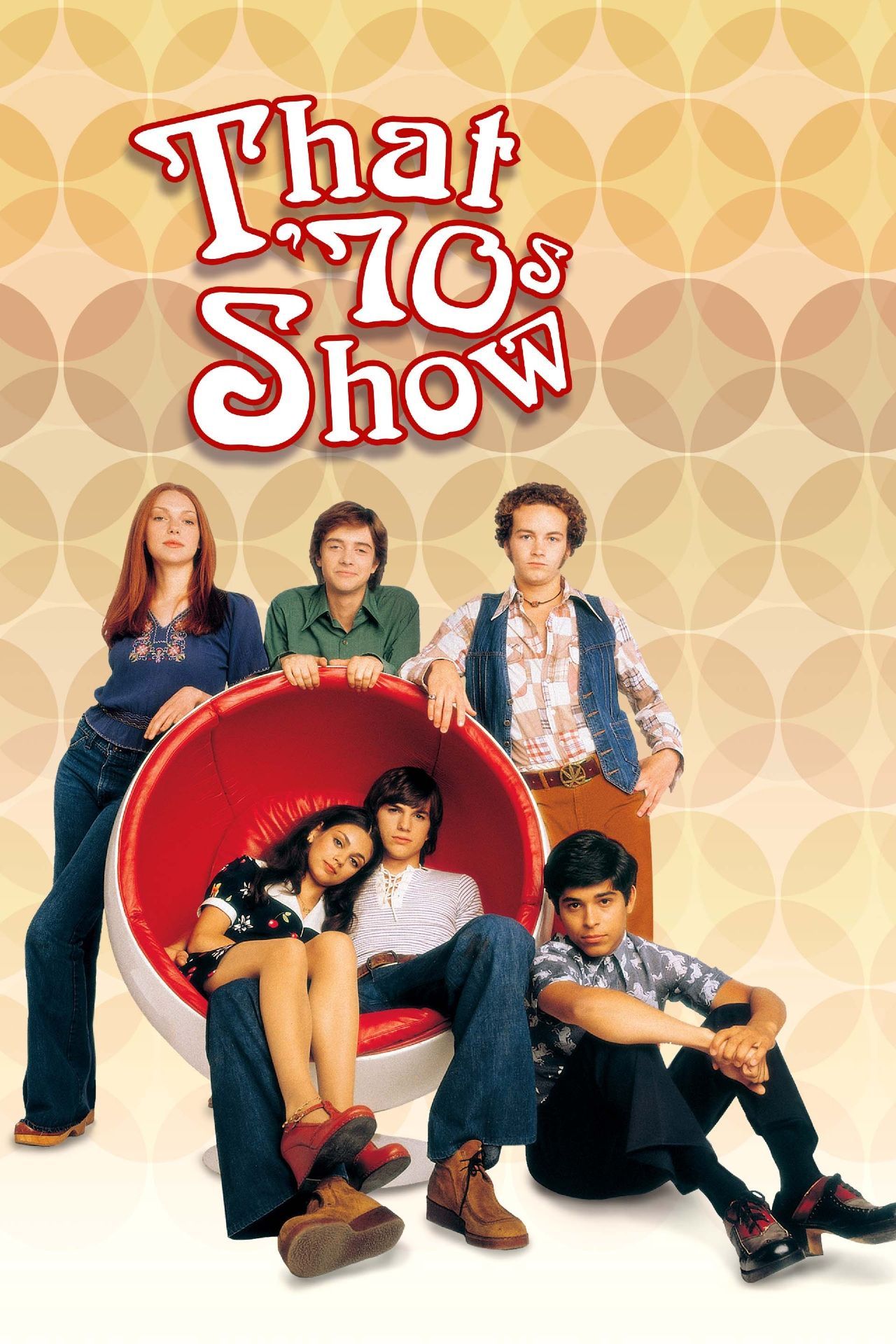
Steven Hyde, portrayed by Danny Masterson, stands out as one of the most complex, culturally resonant, and intellectually sharp characters in the classic television sitcom That '70s Show. Spanning eight seasons from 1998 to 2006 on Fox, the series captured the lives of six teenagers growing up in the fictional Wisconsin suburb of Point Place. Amidst the bell-bottoms, disco tracks, and suburban ennui, Hyde provided a distinct cynical edge, functioning as the quintessential counterculture icon of the group. Understanding his background, ideological leanings, family dynamics, and ultimate trajectory requires examining the narrative choices made by the show's creators, Bonnie and Terry Turner, along with co-creator Mark Brazill.
Below is a detailed examination of five defining facts about Steven Hyde, exploring his character arc, ideological identity, domestic relationships, and the structural role he played within the ensemble cast.
1. The Cynical Intellectual and Counterculture Advocate
From his introduction in the pilot episode, Steven Hyde is established as the resident cynic and intellectual rebel of the basement crew. While characters like Eric Forman grapple with teenage awkwardness and Michael Kelso focuses on his appearance, Hyde approaches the world through a lens of sharp sarcasm and systemic suspicion. He serves as the primary conduit for counterculture ideology within the show, frequently introducing his friends to alternative music, underground literature, and anti-establishment viewpoints.
Hyde’s worldview is heavily shaped by his early introduction to political and social dissent. Unlike his peers, who enjoy the safety of stable nuclear family structures, Hyde is forced to navigate life with a high degree of self-reliance. This independence fosters a skepticism toward authority figures, including teachers, police officers, and government institutions. His political beliefs often lean toward libertarianism and skepticism of mainstream media, drawing heavy inspiration from 1970s rock culture, particularly artists who challenged traditional American values.
Moreover, Hyde functions as a literary and cultural touchstone for the group. He introduces Eric, Fez, and Kelso to classic rock bands, underground comic books, and philosophical concepts that expand their worldview beyond the confines of Point Place. Despite his tough exterior and abrasive delivery, Hyde often demonstrates a deeper understanding of human behavior than his friends, positioning him as an unofficial mentor figure during moments of adolescent crisis.
2. Adoption by the Forman Family
One of the most defining narrative arcs of Steven Hyde's life in Point Place occurs when he is taken in by Red and Kitty Forman. In the early seasons, it is revealed that Hyde has been effectively abandoned by his mother, Edna Hyde, who leaves town without notice, forcing him to live in squalor. Recognizing his plight, the Forman family steps in, offering him a spare bedroom and integrating him into their household.
This domestic shift transforms Hyde from an isolated outsider into an adopted brother figure to Eric Forman and Laurie Forman. Red Forman, despite his initial gruff demeanor and generational clashes with the teenagers, provides Hyde with the structural stability, discipline, and paternal guidance he has never experienced. Kitty Forman embraces Hyde with unconditional maternal affection, frequently defending him against Red’s harsh criticisms and ensuring he is fed and cared for.
| Household Member | Relationship to Hyde | Primary Impact on Character Arc |
|---|---|---|
| Red Forman | Surrogate Father | Provides discipline, tough love, and a stable work ethic. |
| Kitty Forman | Surrogate Mother | Offers emotional security, warmth, and unconditional acceptance. |
| Eric Forman | Adopted Brother / Best Friend | Serves as his primary peer bond and verbal sparring partner. |
| Laurie Forman | Adopted Sister | Engages in mutual playful antagonism and sibling rivalry. |
This integration into the Forman household provides Hyde with a profound sense of belonging, though he frequently masks his gratitude behind sarcasm. The storyline highlights the socioeconomic realities of the 1970s working-class Midwest, showcasing how community and chosen family can mend the fractures left by parental neglect.
3. Complex Paternity and Family Background
Hyde's biological parentage is a recurring source of dramatic tension throughout the series. For the first several seasons, Hyde believes his father is Bud Hyde, an absent, alcoholic truck driver who occasionally drifts in and out of his life. Bud’s unreliability deepens Hyde’s emotional scars, reinforcing his core fear of abandonment.
Later in the series, a major plot twist reveals that Bud is not Hyde's biological father. Through a series of investigations, Hyde discovers that his biological father is an African American man named William Barnett, portrayed by Tim Reid. This revelation introduces a significant cultural and racial dimension to Hyde's identity. Raised in a predominantly white Wisconsin suburb with a white mother and adoptive white family, Hyde must reconcile his heritage with his established worldview.
William Barnett is a successful businessman who owns a chain of record stores. This relationship provides Hyde with financial opportunities and career direction he previously lacked. Working with Barnett allows Hyde to transition from a cynical adolescent drifting through odd jobs to a focused entrepreneur. The storyline also allows the show to explore themes of identity, race, and self-discovery within a comedic framework, broadening Hyde's personal narrative well beyond his initial archetype.
4. Professional Evolution and Entrepreneurial Ambitions
While many characters on That '70s Show struggle to find direction beyond high school, Steven Hyde exhibits a strong work ethic and a clear aptitude for business. His professional life begins with various odd jobs around Point Place, but his true calling emerges within the music and retail industry.
His partnership with Leo Chingkeed, played by Tommy Chong, at the Foto Hut and later at a local record store defines his mid-series career arc. Despite Leo’s perpetually distracted and bohemian demeanor, Hyde manages the operational aspects of their business ventures with surprising competence. When his biological father, William Barnett, offers him the opportunity to manage and eventually inherit a local music store, Hyde steps into a genuine leadership role.
- Key milestones in Hyde's professional development include:
- Working various low-wage service jobs in early seasons to maintain financial independence.
- Partnering with Leo Chingkeed to manage a local retail storefront.
- Transitioning into music retail management under the guidance of William Barnett.
- Achieving financial self-sufficiency and professional stability by the final seasons.
This career trajectory underscores Hyde's underlying ambition. Beneath the rebellious exterior and cynical commentary lies a pragmatic individual capable of seizing economic opportunities to secure his independence and escape the cycle of poverty that defined his early years.
5. Romantic History and Relationship Dynamics
Steven Hyde's romantic relationships reflect his deep-seated fear of vulnerability. Throughout the series, Hyde maintains a reputation as a commitment-phobic lothario, utilizing detachment as a defense mechanism against emotional pain. His most significant romantic entanglement is with Jackie Burkhart, portrayed by Mila Kunis.
The relationship between Hyde and Jackie develops gradually, evolving from mutual annoyance into a genuine, albeit rocky, romance. Their pairing subverts expectations: Jackie is high-maintenance, superficial, and obsessed with social status, while Hyde is anti-materialistic, cynical, and emotionally guarded. Yet, their dynamic reveals unexpected depths in both characters. Hyde provides Jackie with stability and challenges her superficiality, while Jackie pushes Hyde to express genuine affection and commit to a shared future.
Although their relationship ultimately concludes without a permanent marriage, the arc demonstrates Hyde's capacity for emotional growth. It proves that his cynicism is not absolute, and that he is capable of deep, empathetic attachment when he feels safe from abandonment.
Frequently Asked Questions
Who played Steven Hyde on That '70s Show?
Steven Hyde was played by actor Danny Masterson throughout the show's eight-season run from 1998 to 2006. His performance defined the character's signature deadpan delivery, anti-establishment attitude, and distinctive 1970s aesthetic.
Why did Steven Hyde live with the Formans?
Hyde moved in with the Formans because his biological mother, Edna Hyde, abandoned him and left town. Finding him living alone in deplorable conditions, Red and Kitty Forman took him in, providing him with shelter, food, and paternal guidance.
Who is Steven Hyde's biological father?
While Hyde initially believed Bud Hyde was his father, a later plotline reveals that his biological father is William Barnett, an African American businessman and owner of a local record store chain, played by actor Tim Reid.
How does Steven Hyde's career develop in the show?
Hyde transitions from working miscellaneous low-wage jobs to managing a retail business alongside Leo Chingkeed. Eventually, he enters the music retail industry through his biological father, William Barnett, achieving financial independence and managerial responsibility.
What is the nature of Steven Hyde and Jackie Burkhart's relationship?
Hyde and Jackie share one of the series' most prominent romantic relationships. Despite their contrasting personalities—Jackie's obsession with social status versus Hyde's anti-materialistic cynicism—the relationship exposes Hyde's capacity for emotional vulnerability and long-term commitment.
Final Recommendation
To fully appreciate the narrative complexity of Steven Hyde, viewers should examine how his character evolves from a standard sitcom rebel into a grounded, self-sufficient adult. Focus on his interactions with Red and Kitty Forman to understand the core emotional healing at the center of his arc, and observe how his career in music retail serves as the physical manifestation of his journey toward independence.