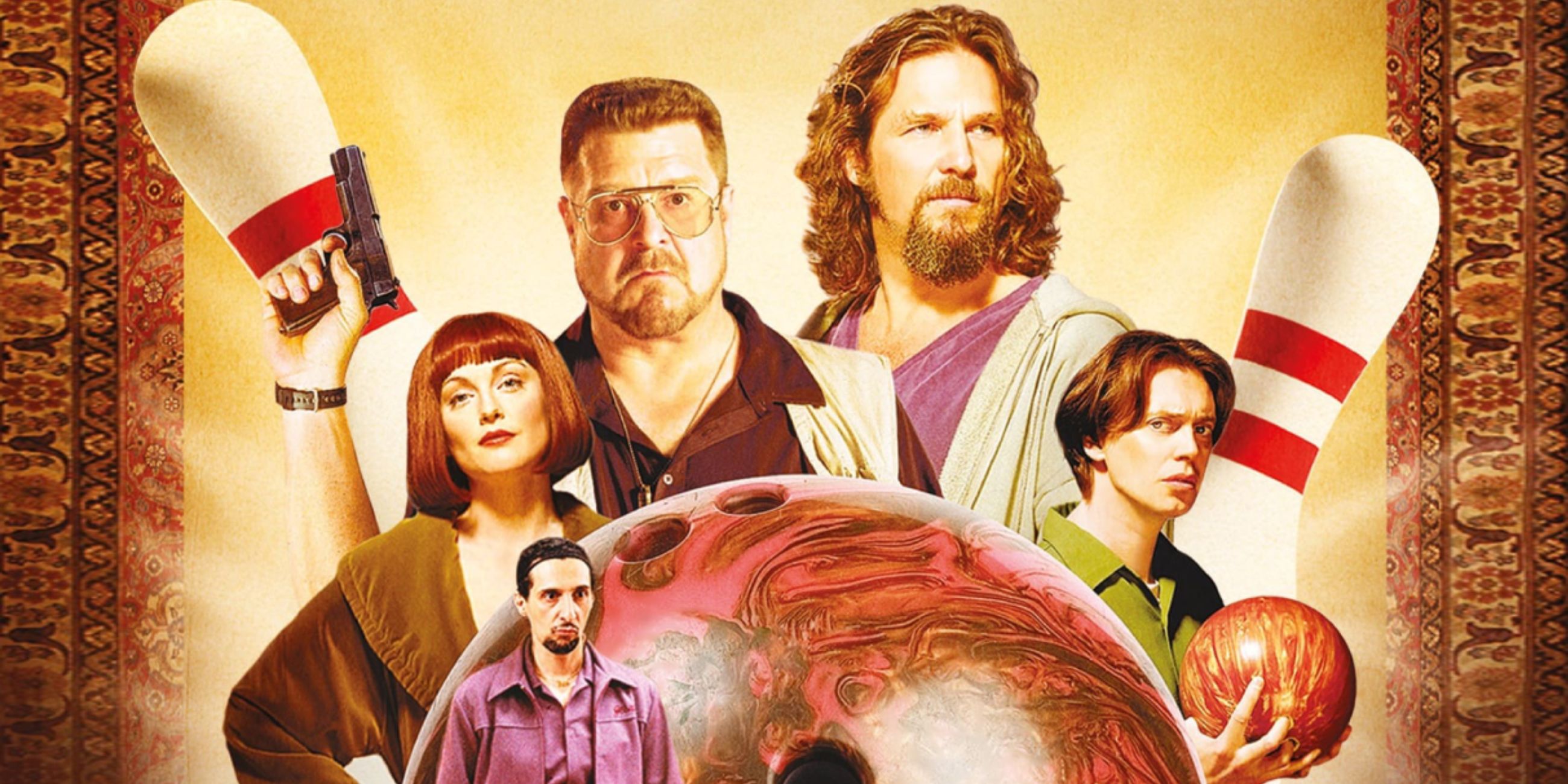
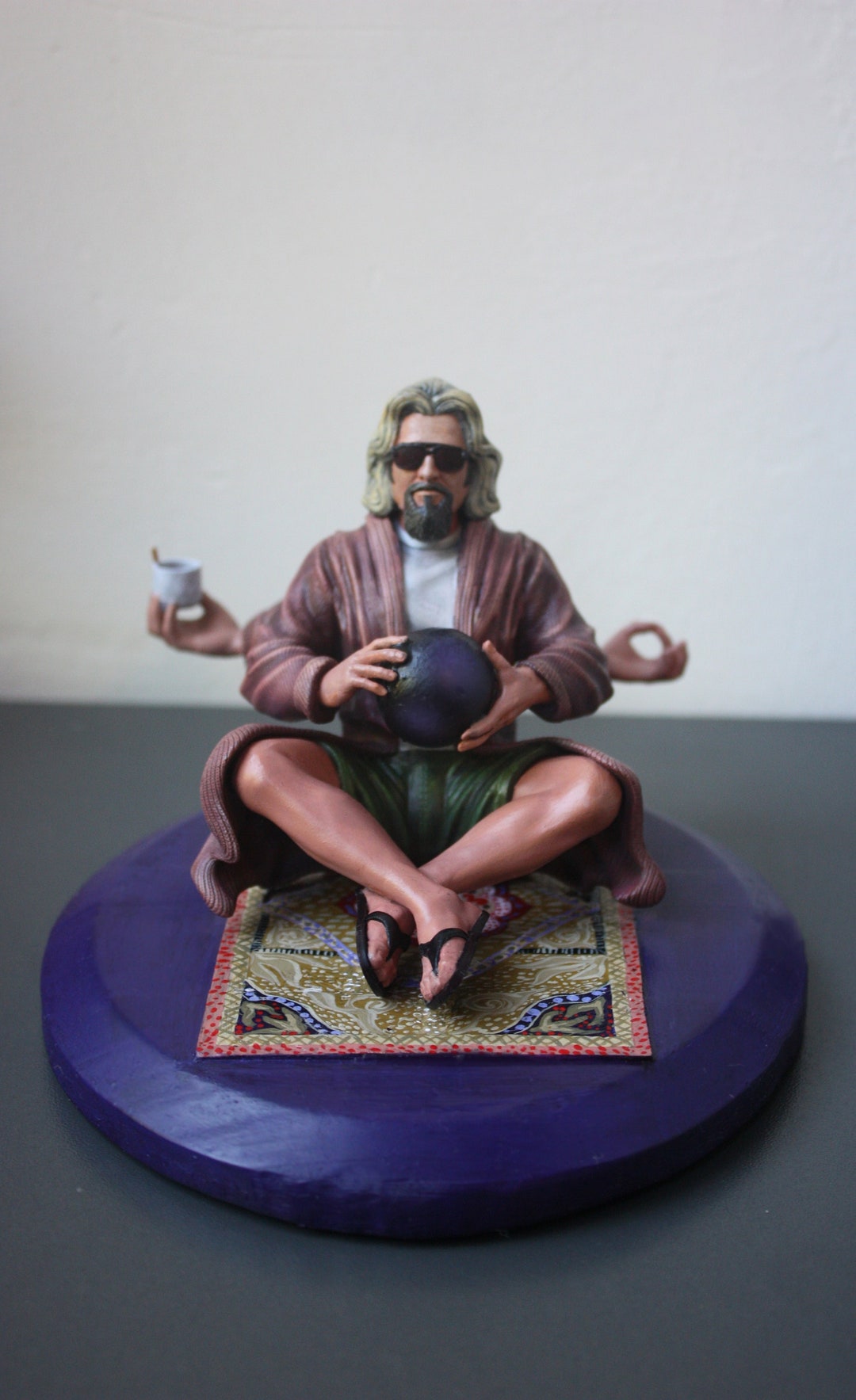
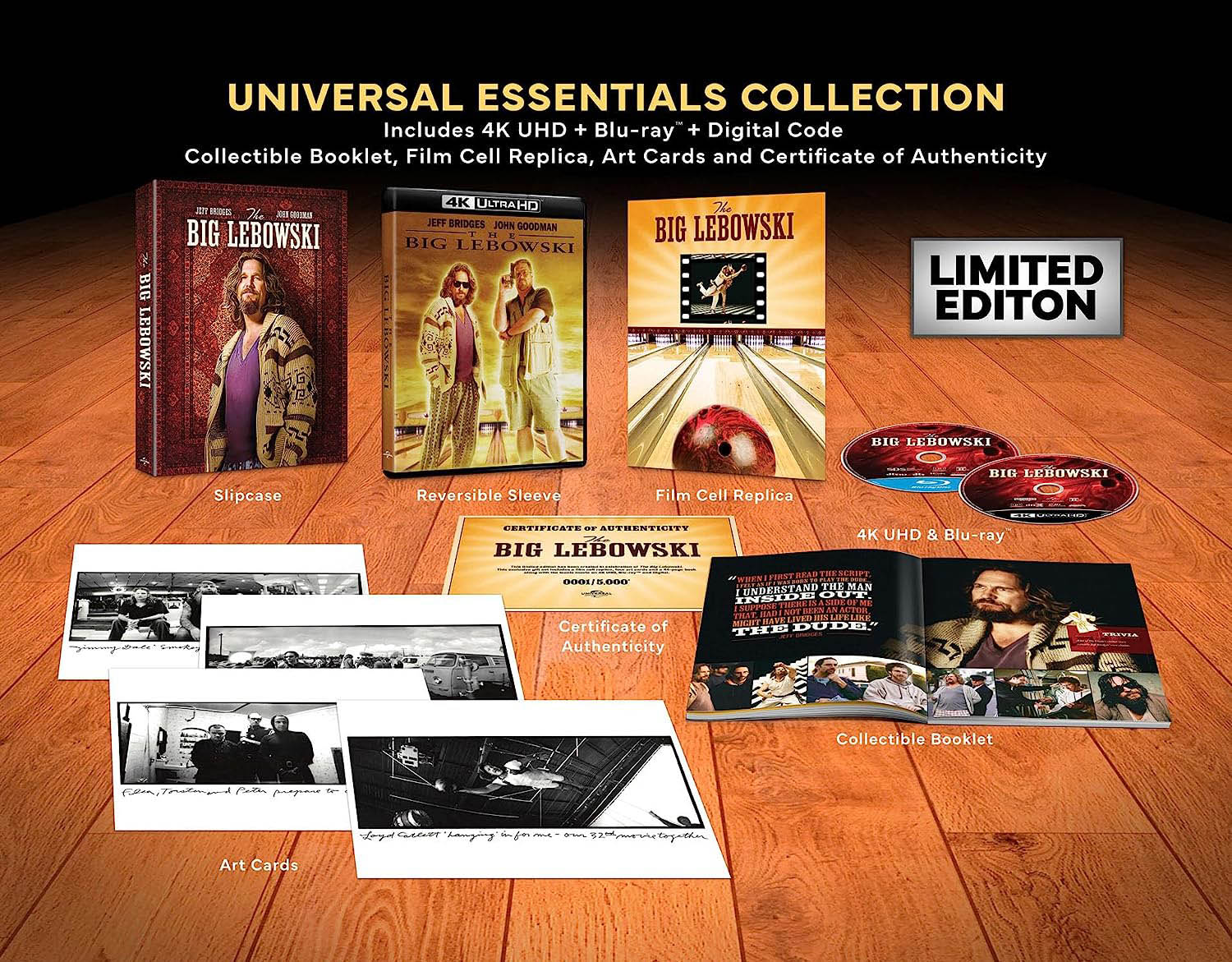
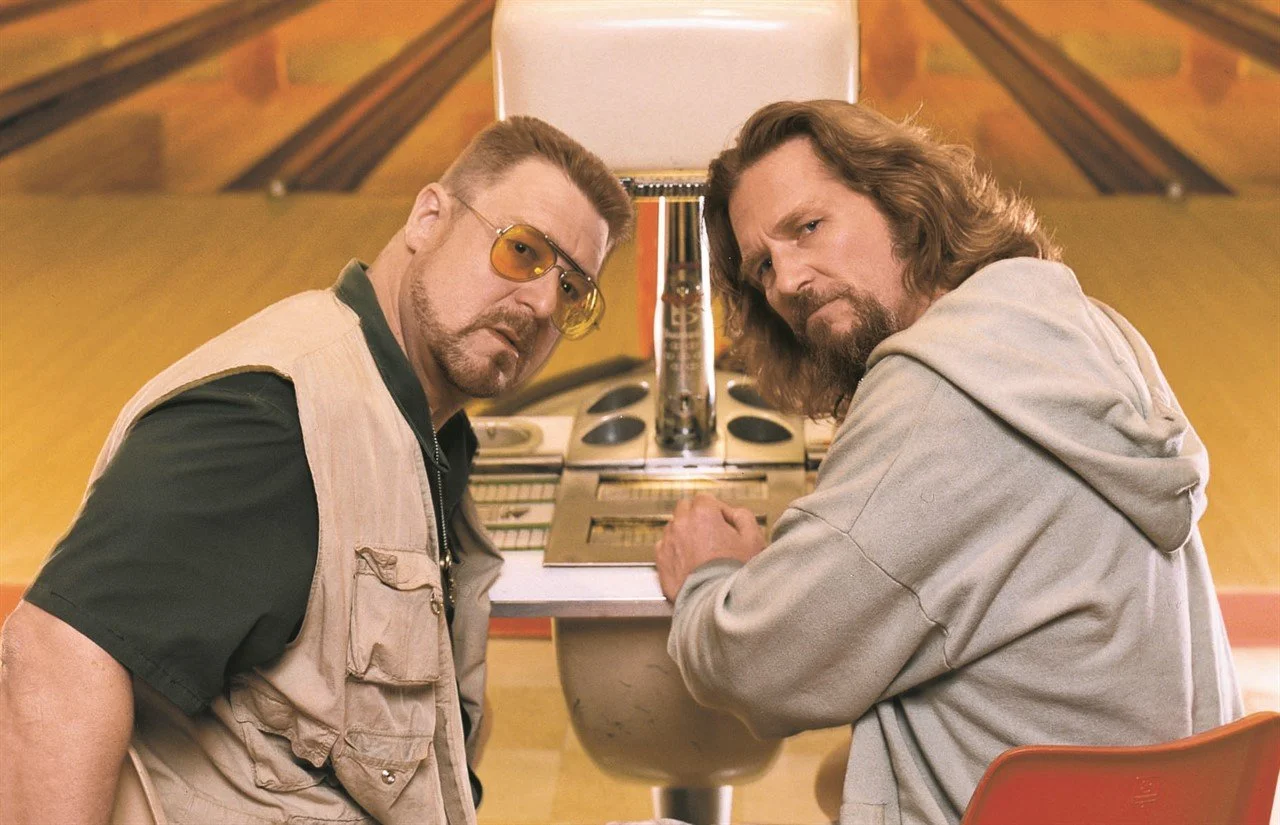
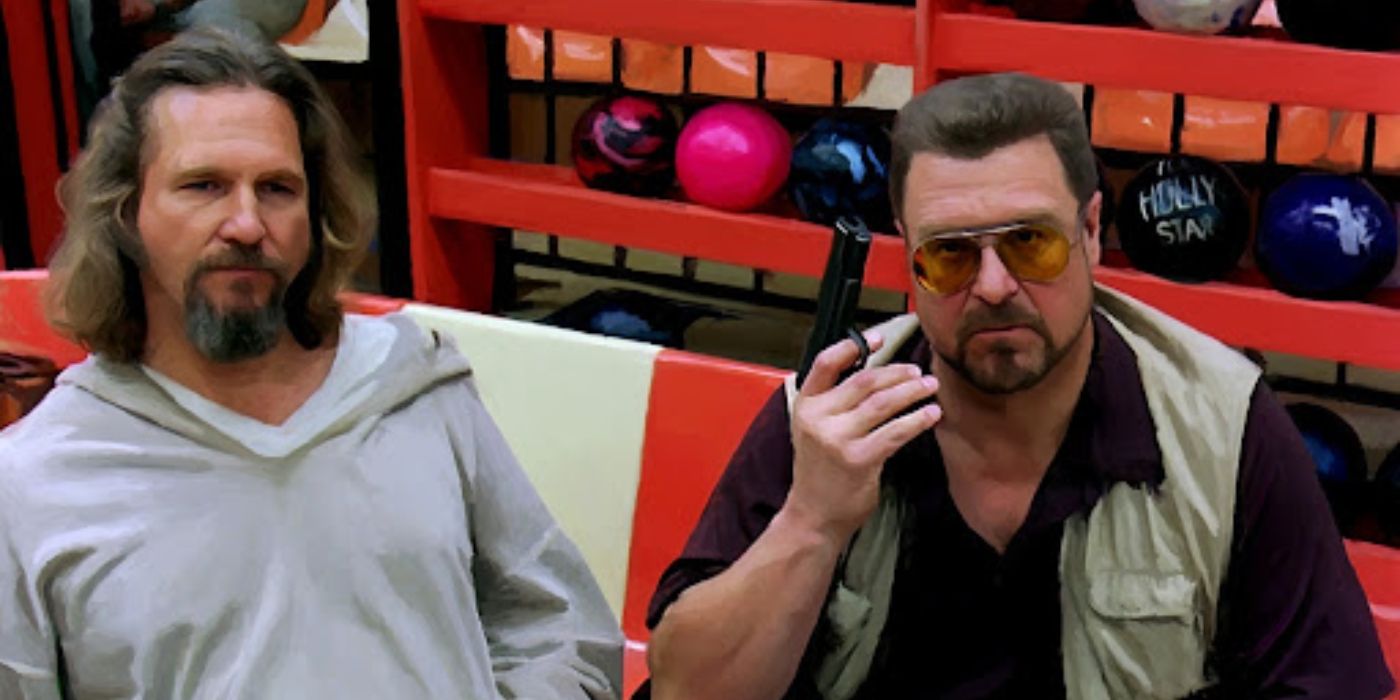
The Big Lebowski remains one of the most culturally enduring comedies of the modern era, anchored by a labyrinthine plot, distinct character archetypes, and an obsessive attention to material detail. While the film’s narrative follows Jeffrey "The Dude" Lebowski through a comedic neo-noir misadventure in Los Angeles, its true texture is built upon the physical objects, recurring motifs, and idiosyncratic items that populate its frames.
Introduction: The Material Culture of The Big Lebowski
When Joel and Ethan Coen released The Big Lebowski in 1998, contemporary box-office returns hardly predicted its evolution into a massive cultural touchstone. Part of its longevity stems from its meticulous world-building, which relies on a precise array of props, beverages, clothing items, and philosophical touchstones. Analyzing the film through its prominent objects and narrative artifacts reveals a meticulously constructed universe where a simple rug can genuinely tie a room together.
Rather than treating props as mere background dressing, the Coen brothers use physical items to anchor character psychology. The Dude's faded bathrobe signifies total detachment from societal ambition, while Jackie Treehorn’s stylized notepad represents the slick, superficial underbelly of Malibu wealth. Examining these elements provides a deeper appreciation for how cinematic mise-en-scène establishes tone, satire, and thematic resonance without relying solely on dialogue.
1. The Rug That Tied the Room Together
At the literal and metaphorical center of the film's inciting incident is the inexpensive, Persian-style rug that two thugs mistakenly urinate upon. For The Dude, this floor covering is not merely decorative; it is the vital anchor of his domestic sanctuary.
- Narrative Function: The rug serves as the MacGuffin that sets the entire plot into motion, prompting The Dude to seek compensation from the "other" Jeffrey Lebowski, the millionaire philanthropist.
- Symbolic Meaning: It represents the fragile ecosystem of The Dude's life—unpretentious, comfortable, and easily ruined by external chaos.
- Cultural Impact: "That rug really tied the room together" has entered the cultural lexicon as shorthand for any minor, specific element that gives a chaotic situation a semblance of order.
2. The White Russian Cocktail
The signature beverage of Jeffrey Lebowski is the White Russian, a rich mixture of vodka, coffee liqueur, and heavy cream (or milk). The Dude orders and mixes this drink across various settings, from his home blender to bowling alley bars.
| Ingredient | Role in the Drink | Thematic Significance |
|---|---|---|
| Vodka | Base spirit | Delivers the necessary intoxication without a harsh flavor profile. |
| Kahlúa | Coffee liqueur | Adds sweetness and a comforting, dessert-like quality. |
| Dairy (Milk/Cream) | Emulsifier and softener | Subverts hard-boiled noir detective tropes with domestic softness. |
The drink reflects The Dude's aversion to bitter realities. While hard-boiled detectives in classic noir films drink straight rye whiskey or martinis, The Dude prefers a sweet, caloric, and comforting beverage that mirrors his childlike approach to adult responsibilities.
3. The Bowling Ball and Alley Culture
Hollywood Park Lanes and other Los Angeles bowling alleys serve as the primary social hub for The Dude, Walter Sobchak, and Donny Kerabatsos. Bowling is not just a pastime for them; it is an organized ritual with strict league rules and uniforms.
The physical props—the custom-drilled bowling balls, the worn leather shoes, the scoring consoles, and the polyester league shirts—create an authentic subcultural environment. Bowling acts as a metaphor for life in the film: you roll your ball down a narrow, predictable path, aiming for a clean strike, yet external variables often result in an unpredictable gutter ball.
4. The Chevy Gran Torino
The Dude’s primary mode of transportation is a beat-up, brown 1973 Ford Torino (frequently misidentified or noted for its specific battered aesthetic). The car is a character in its own right, suffering multiple indignities throughout the film.
- Interior State: Cluttered with cassette tapes, empty cans, and casual debris.
- Mechanical Incidents: It sustains a broken window, a fire from an errant joint, and ultimately gets stolen and trashed by local teenagers.
- Symbolism: The vehicle represents the fading remnants of 1970s American automotive history, breaking down piece by piece alongside its driver's frayed nerves.
5. The Cash-Filled Briefcase
The ransom drop orchestrated by the eccentric millionaire Jeffrey Lebowski involves a battered leather briefcase ostensibly containing one million dollars in unmarked bills.
In classic noir fashion, the briefcase becomes a focal point of greed, deception, and incompetence. Walter Sobchak’s misguided attempt to substitute the ransom money with a briefcase full of dirty laundry highlights the film’s central theme: regular people stumbling blindly into high-stakes criminal plots they are entirely unequipped to navigate.
6. The Marmalade Kitty and Feline Companionship
Though The Dude's apartment is largely disorganized, it accommodates a ginger tabby cat that observes the chaotic proceedings with feline indifference.
The cat represents domestic tranquility amidst the madness of kidnappers, nihilists, and pornographers. When intruders break into The Dude's home, the cat remains unfazed, acting as a quiet observer of human absurdity.
7. The Creedence Clearwater Revival Cassette Tapes
Music is essential to The Dude’s lifestyle, broadcast primarily through his car stereo via a collection of cassette tapes. His strict devotion to Creedence Clearwater Revival—and his explicit disdain for the Eagles—defines his generational identity.
Listening to "Lookin' Out My Back Door" while navigating the neon-lit streets of Los Angeles grounds the film in a specific temporal and cultural nostalgia, positioning The Dude as a lingering hippie out of step with 1990s commercialism.
8. The Bowling League Uniforms
The team name "The Jesus" (prior to their matchup with Jesus Quintana's team) and their matching yellow bowling shirts with stylized bowler names embroidered on the pocket emphasize the communal aspect of league play. These uniforms provide a temporary sense of professional pride and identity for men who otherwise exist on the margins of conventional society.
9. Jackie Treehorn’s Doodling Pad
When The Dude visits adult film producer Jackie Treehorn in his Malibu beach house, Treehorn hands him a cylindrical leather notepad to write down his phone number. The Dude later uses a pencil and shading technique to reveal an abstract drawing of a policeman with a nightstick, echoing classic detective tropes.
This prop showcases the production design's attention to detail, blending sleek 1990s Malibu wealth with juvenile artistry and subtextual menace.
10. The Nihilist Marmot
The German nihilists, led by Uli Kunkel (or "Karl"), employ psychological warfare against The Dude by tossing a live ferret (referred to as a "marmot") into his bathtub while he is relaxing.
The marmot represents the bizarre, surreal obstacles thrown into The Dude’s path. It subverts traditional cinematic threats—such as guns or knives—with an eccentric, bizarre creature that underscores the comedic absurdity of the extortion plot.
Frequently Asked Questions
What is the significance of the bowling theme in The Big Lebowski?
Bowling serves as a structural framework and a philosophical metaphor for the film. It provides a routine and a community for characters who lack traditional career stability, while its win-and-lose mechanics mirror the haphazard nature of the plot.
Why does The Dude refuse to listen to the Eagles?
The Dude's vehement hatred of the Eagles is a running comedic gag that highlights his rigid adherence to 1960s and 1970s counterculture purity. For him, the Eagles represent the commercialization and corporate blandness of late-1970s rock music.
Is the plot of The Big Lebowski intended to make sense?
The plot is famously convoluted and intentionally secondary to character interactions and atmosphere. Co-writer and director Joel Coen noted that they wanted a story that moved from one situation to the next like a classic Raymond Chandler mystery, though the protagonist has no idea what is actually happening.
What inspired the character of The Dude?
The character was partially inspired by Jeff Dowd, an American film producer and political activist whom the Coen brothers met while promoting Blood Simple. Dowd was known as "The Dude," enjoyed White Russians, and shared several personality traits with the cinematic icon.