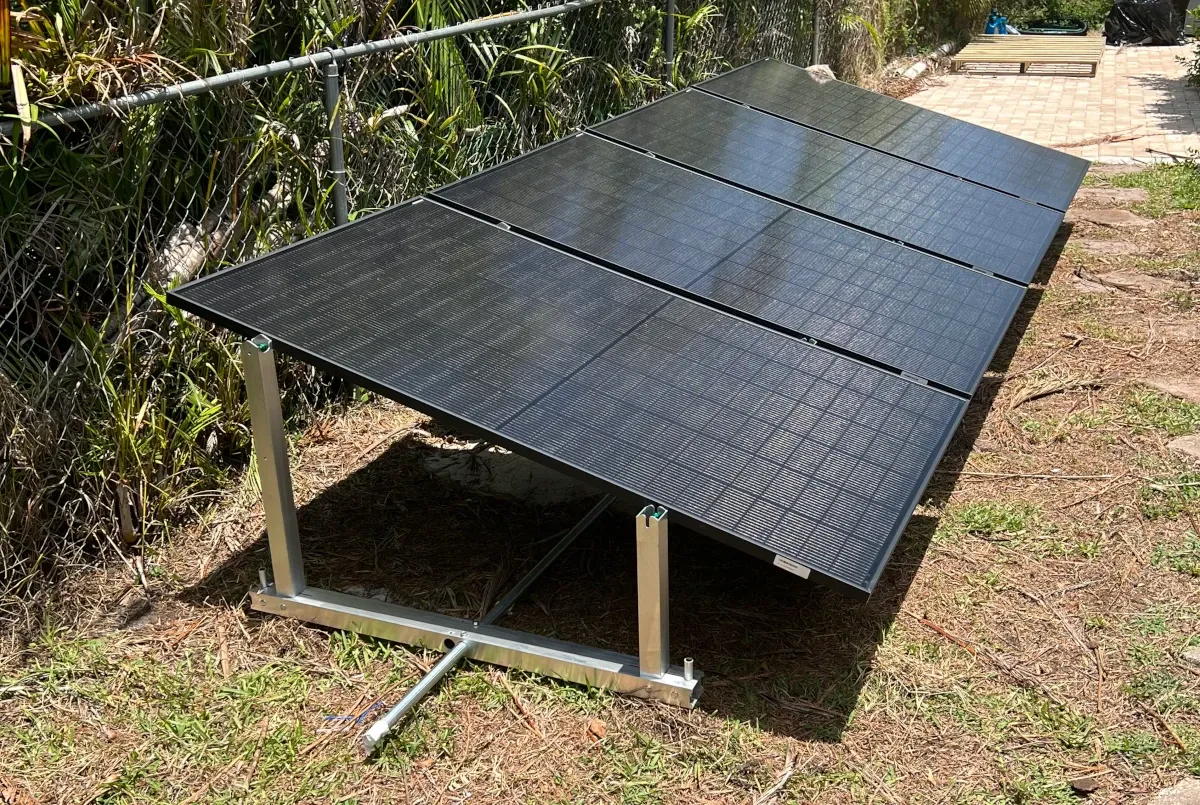
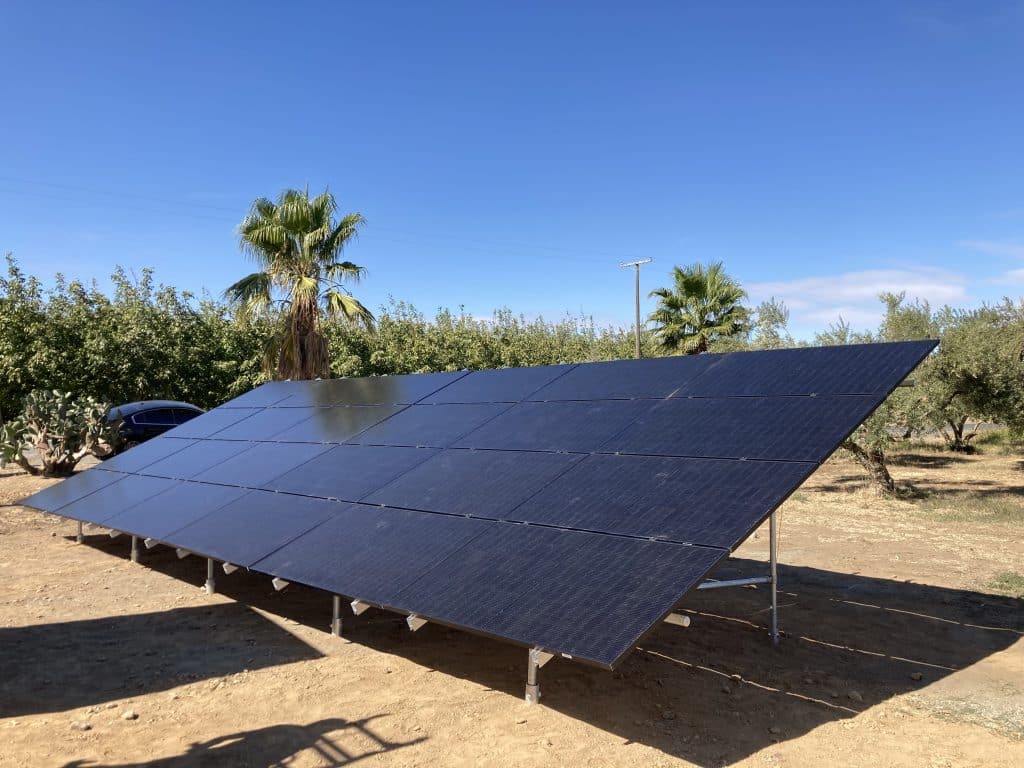
Investing in a 20kW solar panel ground mount installation kit by GoGreenSolar provides a comprehensive, scalable hardware solution for large residential properties, agricultural applications, and small commercial sites looking to offset substantial energy consumption through clean, renewable generation.
Understanding the 20kW Solar Ground Mount System
The transition toward commercial-scale residential and light commercial solar arrays requires robust engineering, reliable hardware, and structural integrity capable of withstanding decades of environmental exposure. A 20kW solar panel ground mount installation kit by GoGreenSolar is designed to bridge the gap between complex custom-engineered commercial arrays and pre-packaged residential kits. By supplying a coordinated package of structural mounting components, racking rails, hardware fasteners, and often complementary electrical balance-of-system components, these kits simplify the procurement phase of a large-scale photovoltaic (PV) project.
When evaluating a system of this magnitude, understanding the physical scale is vital. A typical 20kW system comprises roughly 40 to 50 individual high-efficiency solar panels, depending on the wattage of each module (e.g., 400W to 500W per panel). Spreading this many panels across a rooftop is frequently impractical or structurally impossible due to roof geometry, ventilation requirements, and weight loads. Ground-mounted systems bypass these constraints, offering optimal tilt angles, unobstructed southern or northern exposures depending on hemisphere, and easier ongoing maintenance access.
GoGreenSolar structures its ground mount kits to utilize heavy-duty galvanized steel or structural aluminum framing. These materials resist rust and structural degradation over decades of outdoor exposure. However, acquiring the kit is only the first step; buyers must navigate structural engineering reviews, local permitting processes, geotechnical soil assessments, and professional electrical integration to bring a 20kW system online safely and legally.
Core Components and Technical Specifications
A thorough examination of the 20kW solar panel ground mount installation kit requires looking closely at what hardware is included and how the physical architecture holds up against environmental loads. Ground mounts endure significantly higher wind shear forces than roof-mounted arrays because wind can pass both over and under the elevated panels.
Structural Framing and Racking
The skeletal backbone of any ground mount kit consists of vertical support posts, horizontal beams, and vertical rails. GoGreenSolar typically utilizes high-grade structural steel for ground posts—often schedule 40 steel pipes—which are either driven directly into the earth, embedded in concrete piers, or anchored via helical piles depending on the soil mechanics.
- Vertical Posts: Provide the primary load-bearing elevation, keeping the lower edge of the panels safely clear of vegetation, snow accumulation, and ground splash.
- Mounting Rails: Extruded aluminum rails secure directly to the support structure, acting as the track upon which individual solar modules are clamped using mid-clamps and end-clamps.
- Hardware and Fasteners: Marine-grade stainless steel bolts, nuts, and washers prevent galvanic corrosion between dissimilar metals, ensuring the structural joints do not fail over time.
Foundation and Engineering Requirements
A 20kW array footprint is substantial, often requiring between 800 and 1,200 square feet of unobstructed land. Because of this surface area, wind uplift is a primary engineering concern. The kit’s documentation outlines span charts and embedment depths, but local building departments universally require site-specific structural engineering stamps.
- Geotechnical Evaluation: Soil load-bearing capacity dictates whether standard concrete footings or driven piles are necessary.
- Wind and Snow Load Ratings: Kits are typically rated for specific wind speeds (e.g., 90 to 130 mph) and ground snow loads (e.g., 30 to 50 psf), which installers must cross-reference against local municipal codes.
Planning, Site Assessment, and Pre-Installation Requirements
Proper site preparation dictates the long-term energy yield and structural safety of a 20kW ground-mounted solar installation. Skipping or rushing the preliminary assessment phase frequently leads to costly engineering delays, shading issues, or structural failure.
Sunlight Access and Shading Analysis
Unlike rooftops where shading is dictated by neighboring trees or architectural features, ground mounts offer flexibility in placement but remain vulnerable to horizon obstructions. A professional solar site assessment using a solar pathfinder or digital horizon measurement tool is essential. Even minor morning or evening shading across a string inverter configuration can disproportionately degrade overall system output unless mitigated by module-level power electronics (MLPEs) like microinverters or DC optimizers.
Utility Interconnection and Permitting
A 20kW system falls well above standard residential thresholds for plug-and-play net metering in many jurisdictions.
- Interconnection Application: Must be submitted to the local electric utility provider well in advance of construction. The utility evaluates grid capacity and may require a CESIR (Coordinated Electric System Interconnection Review) or the installation of a dedicated production meter and an external visible AC disconnect switch.
- Permitting: Building, electrical, and zoning permits are legally mandatory. The local authority having jurisdiction (AHJ) will review stamped structural engineering plans, electrical single-line diagrams, and property setbacks.
Step-by-Step Installation Overview
While actual physical assembly must be performed by qualified solar professionals, experienced contractors, or knowledgeable owner-builders complying with local labor laws, understanding the workflow clarifies the complexity of the project.
| Phase | Key Tasks & Considerations | Critical Verification Points |
|---|---|---|
| Site Layout & Excavation | Clear vegetation, grade soil if necessary, and stake out precise post locations based on engineering blueprints. | Verify property setbacks, underground utility lines (Call 811 before digging), and true south alignment. |
| Foundation Installation | Dig holes for concrete piers, set steel support posts plumb and square, or drive structural piles. | Ensure concrete cure times are fully observed before mounting structural weight (typically 7 to 28 days). |
| Rack Assembly | Bolt horizontal support beams and vertical rails to the foundation posts, ensuring correct tilt angle. | Check diagonal measurements to ensure the framing squareness prevents frame stress during panel placement. |
| Electrical & Module Mounting | Secure solar panels to rails using grounding lugs and clamps; run conduit and wire Homeruns to the inverter. | Verify continuous equipment grounding conductor (EGC) continuity across all rails and frames to prevent shock hazards. |
Cost Considerations, Financial Incentives, and Return on Investment
A 20kW solar installation represents a significant capital investment. Evaluating the total financial picture involves examining equipment costs, labor, utility interconnection fees, and federal or state incentives.
Upfront Capital and Ongoing Expenses
The GoGreenSolar kit provides the foundational racking hardware and solar panels (if purchased as a bundled package), but the total project budget must account for additional line items:
- Inverters (String inverters with optimizers or microinverters)
- Balance of System (BOS) electrical components (conduit, wire, combiner boxes, rapid shutdown devices)
- Heavy machinery rental (augers, trenchers, or small excavators)
- Professional engineering stamps and municipal permit fees
- Labor costs for electrical and structural assembly if not self-installed
Incentives and Tax Credits
In the United States, photovoltaic installations qualify for federal financial mechanisms such as the Residential Clean Energy Credit (formerly Section 25D) or the Commercial Energy Investment Tax Credit (Section 48), depending on whether the installation serves a residential home or a commercial enterprise. Additionally, state-level Solar Renewable Energy Certificates (SRECs) or performance-based incentives can significantly shorten the payback period, often returning the initial capital outlay within 5 to 9 years depending on local electricity rates.
Advantages and Operational Limitations
Every solar mounting solution involves engineering trade-offs. Weighing the pros and cons of a ground-mounted system helps determine if it suits a specific property.
Advantages
- Optimal Tilt and Orientation: Unlike fixed roofs, ground mounts can be engineered at the exact ideal tilt angle for the site's latitude, maximizing annual energy harvest.
- Enhanced Thermal Performance: Ground mounts benefit from superior passive airflow underneath the panels. Cooler operating temperatures increase photovoltaic conversion efficiency compared to flush roof mounts trapped against hot shingles.
- Scalability and Maintenance Access: Cleaning dust, removing heavy snow, or servicing electrical components does not require walking on a slippery or sloped roof surface.
- Roof Preservation: Eliminates roof penetrations, avoiding potential long-term leak risks on aging shingle or tile roofs.
Operational Limitations
- Land Footprint: Requires a substantial area of clear, usable land that cannot be used for other structural purposes.
- Trenching and Wire Runs: Because the array is detached from the main building, long underground conduit runs are required to bridge the distance to the main electrical panel, increasing material and labor costs.
- Zoning Restrictions: Some municipal residential zones strictly prohibit front-yard or side-yard ground-mounted arrays, restricting placement to rear yards or requiring specialized screening landscaping.
Frequently Asked Questions
Can I install the GoGreenSolar 20kW ground mount kit myself?
While the kit is engineered for accessibility with standard mechanical tools, a 20kW system involves high-voltage direct current (DC) electricity and heavy structural steel. Local building codes almost universally require certified electricians for the AC grid tie-in and structural engineers or licensed contractors for foundation verification and permitting.
How much land space is required for a 20kW ground-mounted solar array?
A standard 20kW system using 450W panels requires approximately 45 modules. Accounting for spacing between rows to prevent self-shading, the physical footprint generally ranges from 800 to 1,200 square feet of unobstructed, flat-to-gently-sloped land.
What type of foundation is best for a ground mount kit?
The ideal foundation depends entirely on geotechnical soil conditions. Concrete-poured piers or augered footings are standard for most soils, while driven steel piles or helical anchors are often used in commercial or rocky applications to minimize excavation.
How do ground-mounted solar panels withstand high winds?
Ground mounts are engineered to withstand site-specific wind loads through deep subsurface foundations, robust cross-bracing, and rigid structural steel posts. Engineering wind calculations provided with the kit must be validated against local building codes during the permitting phase.
Do ground mounts require special grounding?
Yes. Because they are isolated structures sitting directly on the earth, ground-mounted systems require a dedicated grounding electrode system (such as copper-clad ground rods driven deep into the soil) bonded directly to the racking rails and module frames in accordance with the National Electrical Code (NEC).
Conclusion and Next Actions
Selecting a 20kW solar panel ground mount installation kit by GoGreenSolar provides a reliable structural pathway toward energy independence and substantial utility bill reduction. Success hinges on rigorous preparation: verify your property zoning setbacks, commission a professional shade and geotechnical assessment, engage a licensed electrician for the utility interconnection paperwork, and secure all mandatory municipal building permits before breaking ground. By approaching the project with thorough planning and professional oversight, you ensure a safe, high-performing renewable energy asset for decades to come.