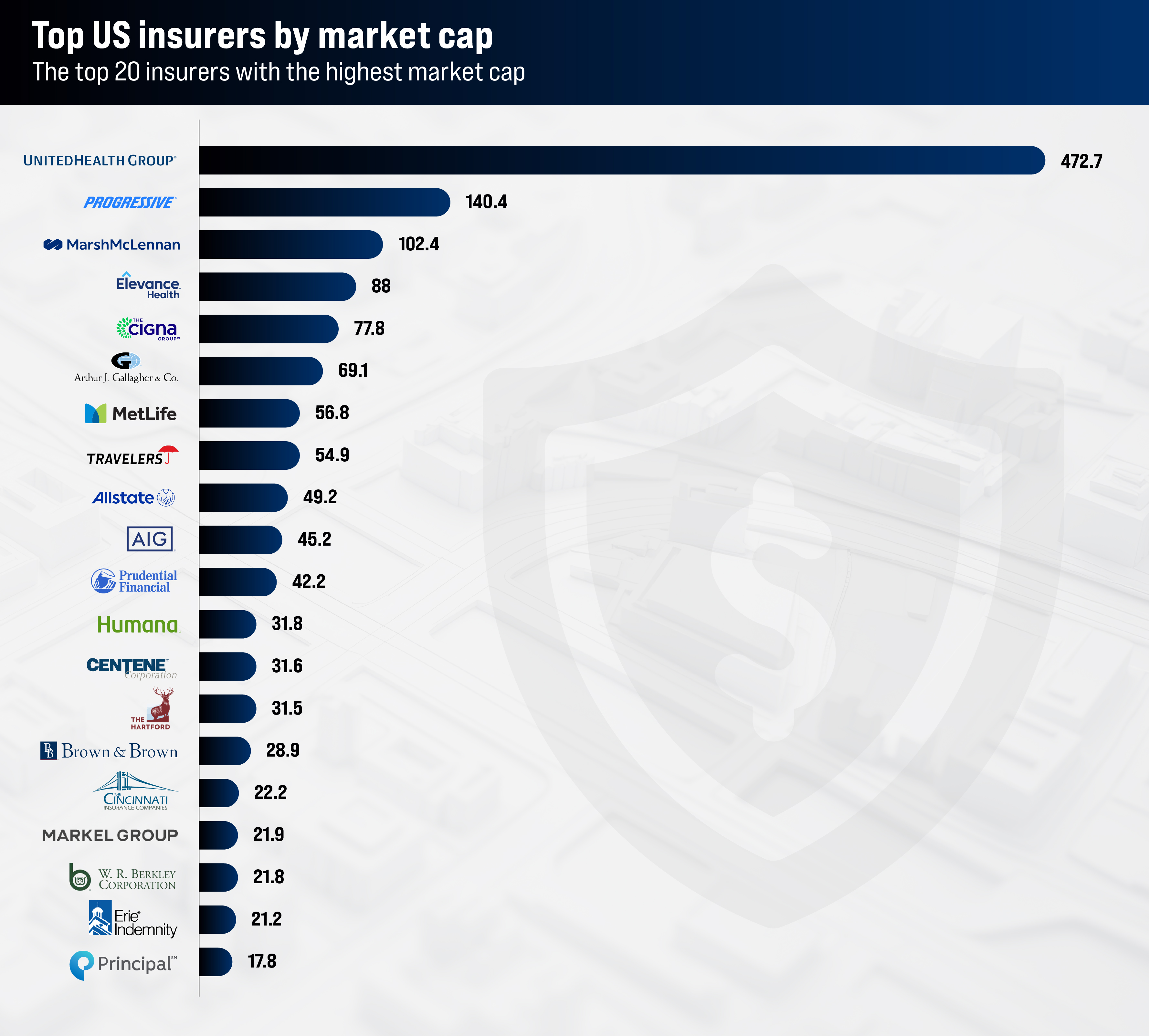
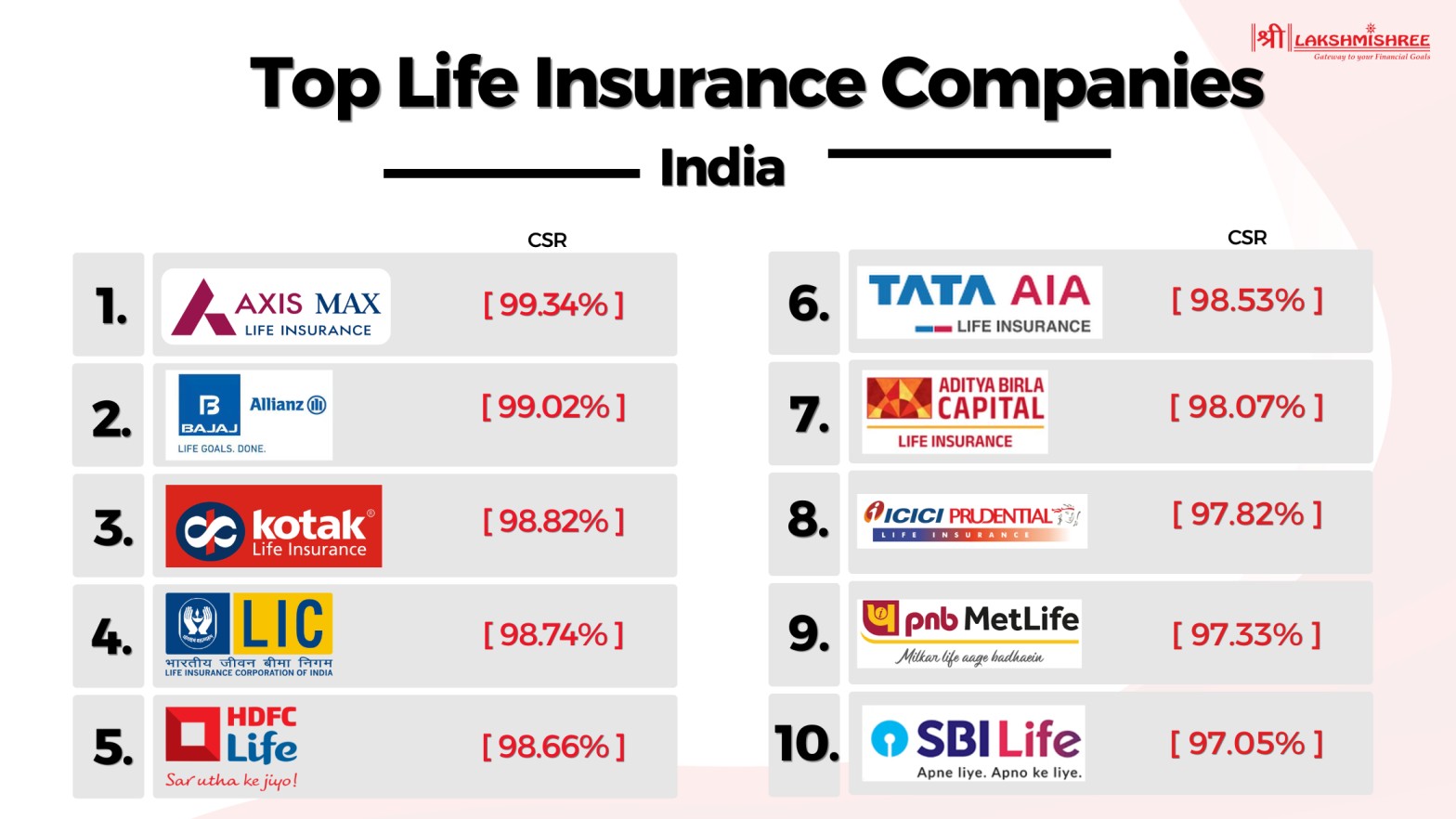
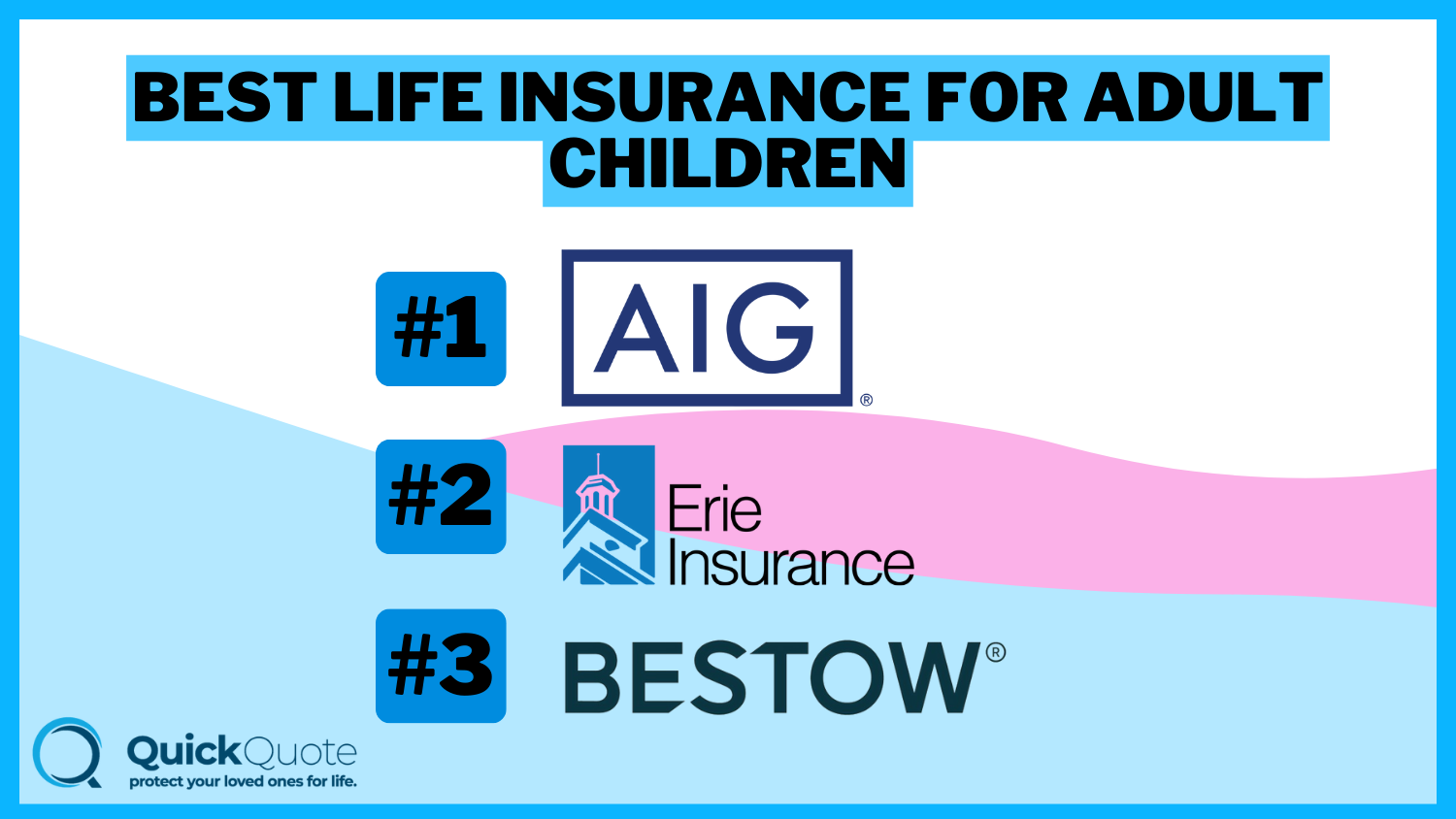
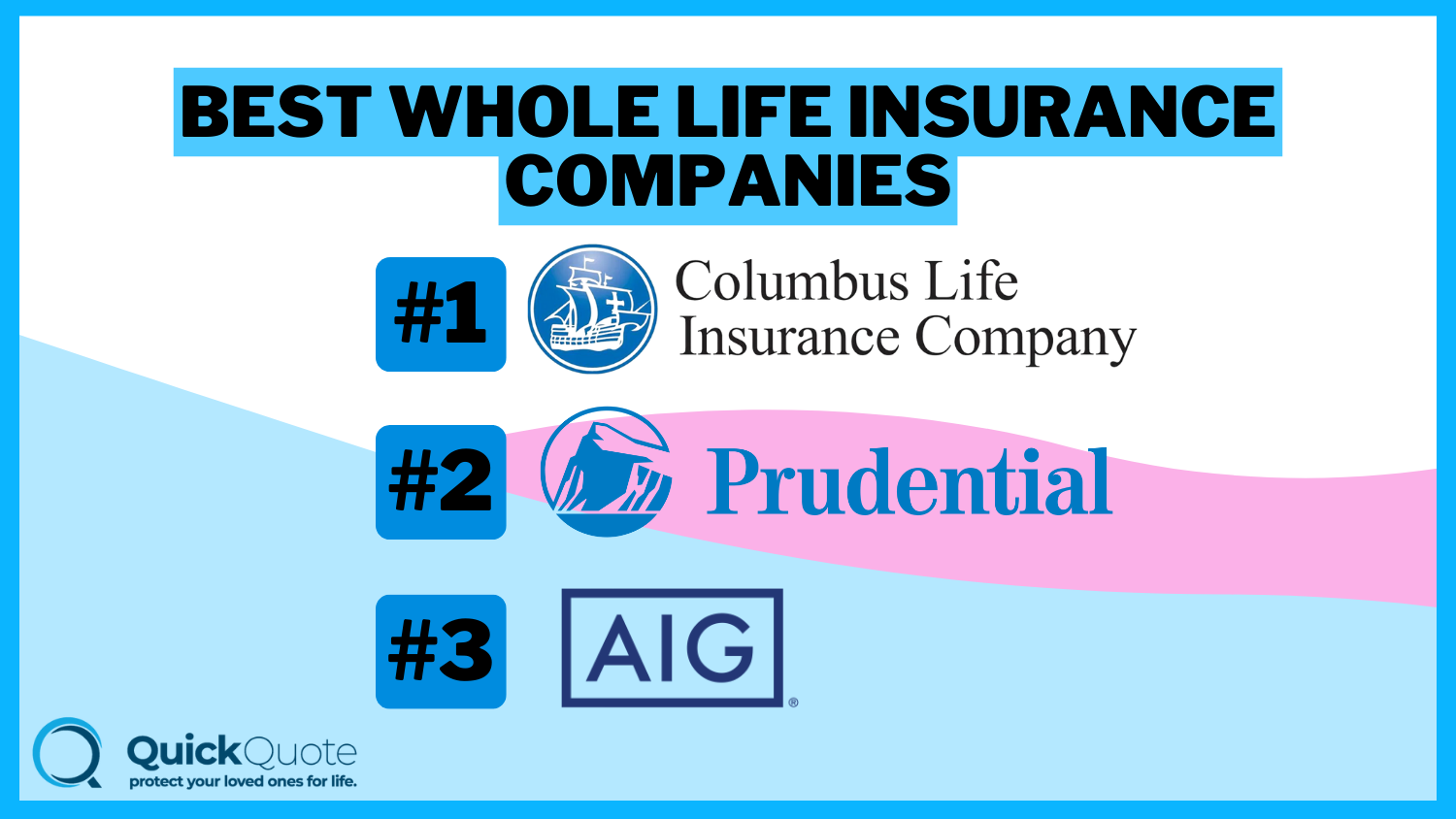
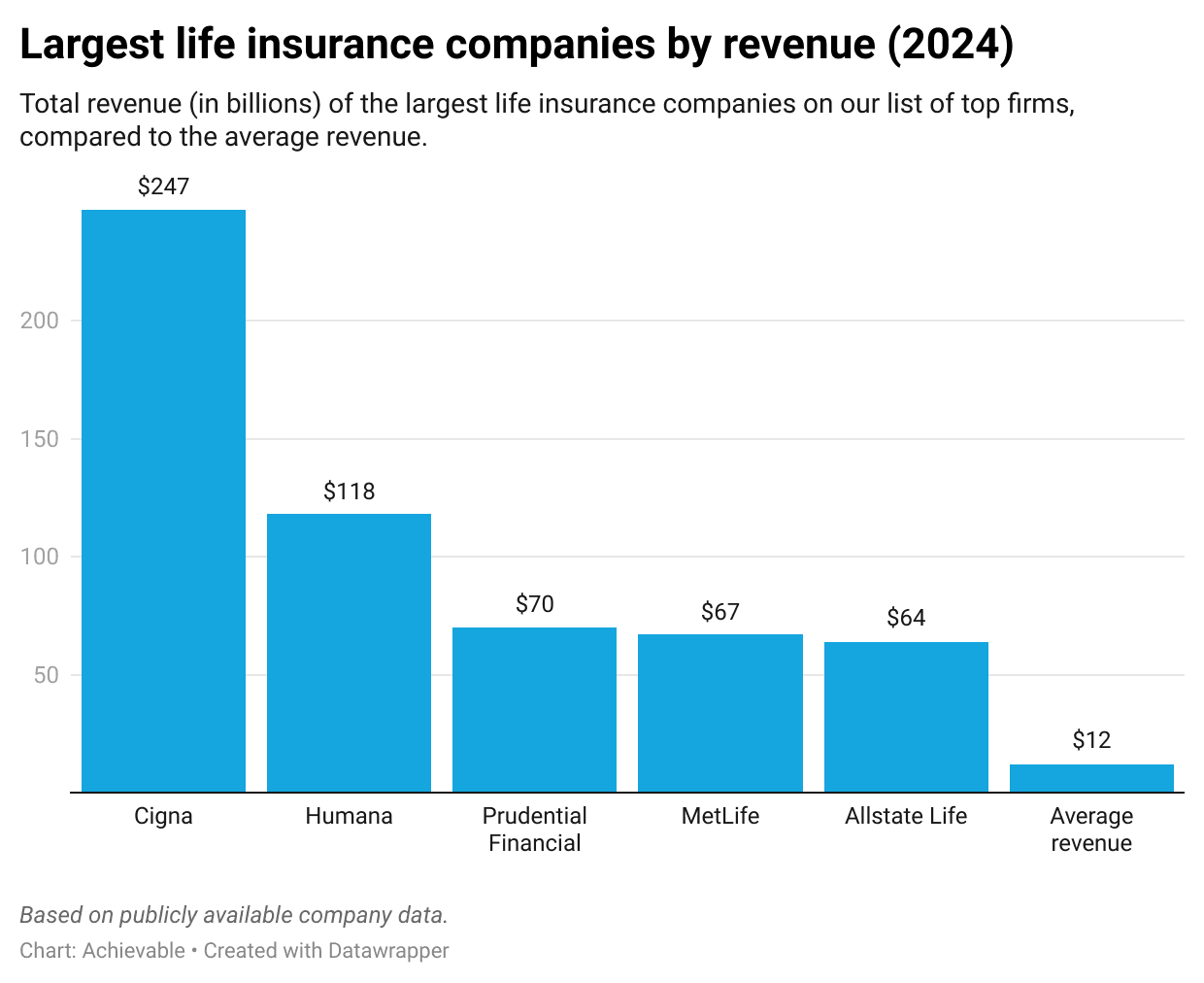
The 2024 rankings of top life insurers provide a retrospective benchmark for evaluating the financial stability, product diversity, and customer satisfaction levels of the industry’s leading firms. These rankings serve as essential tools for policyholders and analysts to assess how established carriers performed against economic volatility, interest rate shifts, and evolving consumer demand during that specific fiscal period.
Understanding the Methodology Behind Insurance Rankings
To interpret the 2024 rankings of top life insurers effectively, one must first understand how these assessments are constructed. Most authoritative rankings—such as those published by A.M. Best, Moody’s, or S&P Global—do not rely on a single metric. Instead, they utilize a composite score that balances financial strength with operational performance.
The primary indicators include:
- Financial Strength Ratings (FSR): These ratings reflect an insurer's ability to meet its long-term policyholder obligations. A high rating, such as an "A++" from A.M. Best, indicates superior capability to pay claims, which remains the single most important factor for life insurance holders.
- Market Share: This represents the percentage of total premiums written by a company relative to the entire market. In 2024, the landscape remained dominated by a small group of mutual and stock companies that have maintained significant market presence for decades.
- Customer Complaint Ratios: Compiled by the National Association of Insurance Commissioners (NAIC), these ratios provide insight into service quality. A lower ratio suggests that the company handles grievances efficiently and avoids predatory practices.
- Product Breadth: The diversity of offerings—ranging from traditional term life to complex universal and variable life products—plays a role in how companies are ranked. Companies with robust digital underwriting platforms often ranked higher due to improved accessibility and customer experience.
Key Players and Market Dominance in 2024
During 2024, the life insurance industry was characterized by the continued dominance of large, legacy carriers. While newer insurtech companies made strides in specific niche markets—such as simplified issue term life—the "top" rankings remained anchored by firms with deep capital reserves.
The following table summarizes the types of companies that consistently occupied the top tiers of 2024 performance reviews based on common criteria:
| Category | Typical Strengths | Primary Focus |
|---|---|---|
| Mutual Insurers | Long-term stability, policyholder dividends | Permanent, whole life insurance |
| Stock Insurers | Product innovation, market agility | Term life and investment-linked products |
| Bancassurance | Ease of access, bundled services | Simple, low-face-value policies |
| Insurtech/Digital | Speed of underwriting, UI/UX | Streamlined, affordable term life |
It is crucial to note that "top" is a relative term. A company might be ranked "top" for its financial solvency, which is critical for a person purchasing a whole life policy they intend to keep for forty years. Conversely, a different company might be ranked "top" for speed and cost-effectiveness, which is ideal for a young professional seeking a 10-year term policy to cover a specific debt.
Prerequisites for Evaluating Life Insurers
Before relying on rankings, a prospective buyer must determine their own specific needs. Rankings are generalized data sets, while your insurance needs are personal.
- Define Your Coverage Goal: Are you looking to replace income for a family, cover a mortgage, or provide for estate taxes? The objective dictates whether you need a high-liquidity permanent policy or a low-cost term policy.
- Assess Your Health Profile: Rankings rarely account for the fact that a company might be "top-tier" for healthy individuals but highly restrictive or expensive for those with chronic conditions. Underwriting guidelines vary significantly between providers.
- Financial Longevity: Since life insurance is a multi-decade contract, prioritize the financial strength rating (FSR) over consumer sentiment scores. The ability of the insurer to exist and pay out a claim in 2050 is more significant than their mobile app interface in 2026.
The Role of Financial Strength Ratings in 2024 Data
The 2024 rankings heavily favored companies that managed interest rate fluctuations effectively. When market interest rates rise, insurers that hold high-quality, long-term bonds in their general accounts generally perform better.
Investors and policyholders should verify that the companies featured in 2024 lists have maintained their ratings into 2026. Financial ratings are not static; they are subject to annual review. If a company was ranked at the top in 2024 but has undergone a downgrade due to management changes or poor investment returns, the 2024 ranking should be viewed as historical data rather than a predictive indicator of future performance.
Common Mistakes When Interpreting Rankings
A frequent error is conflating marketing reach with institutional reliability. Many companies spend heavily on advertising, appearing frequently in "best-of" lists that are sponsored or affiliate-driven.
- Ignoring the "Fine Print" of Rankings: Always check if the ranking includes the methodology. Does it favor volume of sales (size) or claim payout speed (quality)?
- Overlooking Jurisdiction: Life insurance is regulated at the state level. A company ranked highly on a national list may not be licensed or have strong service infrastructure in your specific state.
- Ignoring Dividend History: For whole life insurance, the "top" ranking should be secondary to the company’s history of paying dividends. A company with a lower rank might provide better long-term cash value growth than a highly-ranked company that has underperformed in dividend distributions.
Comparative Analysis: Term vs. Permanent Insurance Needs
When looking at the 2024 top insurer landscape, it is helpful to categorize companies by their area of expertise.
- For Term Life: The best-ranked companies in 2024 focused on algorithmic underwriting. These insurers reduced the need for paramedical exams, enabling many applicants to receive a decision within days. These companies are usually preferred by younger, healthy demographics.
- For Permanent (Whole/Universal) Life: The highest-ranked companies are typically those with a conservative investment strategy and a long history of solvency. These firms focus on the secondary, investment-like benefits of life insurance.
Troubleshooting Your Search for a Provider
If you find that your preferred insurer from the 2024 rankings is no longer appearing in current top lists, do not immediately assume they are failing. Instead, investigate the following:
- Regulatory Changes: Did the state insurance commissioner release a new audit or action against the firm?
- Mergers and Acquisitions: Many life insurers were consolidated between 2024 and 2026. A top-rated firm might have been acquired by a larger entity, changing its policy administration procedures.
- Strategic Pivot: The company might have exited a specific product line. If they stopped selling term insurance to focus on annuities, they will drop out of term insurance rankings despite remaining financially sound.
Professional Advice and Regulatory Limitations
While rankings provide a helpful starting point, they do not constitute financial or legal advice. Every state provides resources through its Department of Insurance (DOI) to verify that an insurer is licensed to operate in your jurisdiction.
Before committing to a policy based on a ranking list, it is advisable to consult with a licensed life insurance producer or a fee-only financial planner. They can provide a "force-ranked" comparison based on your specific health data and financial goals, which no general-purpose 2024 ranking could provide.
Frequently Asked Questions
1. Are 2024 rankings still relevant for purchasing insurance in 2026? While the 2024 rankings offer a valuable historical view of company stability and market position, they should not be your sole source of information in 2026. Use them to identify strong contenders, then verify their current financial strength ratings through agencies like A.M. Best or Fitch to ensure their solvency remains intact.
2. Why do different publications have different top insurers? Ranking methodologies vary significantly. Some prioritize customer service and online user experience, while others prioritize raw financial strength and premium volume. A publication focusing on consumer advocacy will likely rank insurers differently than one focused on industry investment trends. Always review the "Methodology" section of any ranking report.
3. Does being an industry leader in 2024 guarantee payout in the future? No guarantee exists in insurance; however, the top-ranked companies in 2024 generally possess large capital reserves and diversified investment portfolios, which are designed to withstand significant economic shocks. Long-term performance is best assessed through multi-decade history rather than a single year's ranking.
4. Can I rely on NAIC complaint data from 2024? NAIC data from 2024 is an excellent indicator of a company’s historical commitment to customer satisfaction. However, check current, year-to-date data for 2026, as management or policy administration shifts can cause sudden changes in complaint volume.
5. How do I know if an insurer is right for my specific health condition? Rankings are based on average performance. If you have a specific health issue, the "top" insurer might actually be the most expensive or restrictive for you. Seek out a broker who specializes in "impaired risk" underwriting, as they will know which insurers have the most favorable guidelines for your specific profile, regardless of general rankings.
Recommendation for Next Actions
If you are currently evaluating life insurers, begin by accessing the official website of your state’s Department of Insurance to ensure the firms you are considering are fully authorized to conduct business in your area. Next, utilize the 2024 rankings to create a shortlist of 3–5 companies that demonstrate high financial strength ratings. Finally, request a personalized illustration from a broker for each of these companies. Compare these illustrations not just on premium cost, but on the guaranteed cash value growth (for permanent products) or the depth of the term conversion options (for term products). This personalized approach transforms a general market ranking into a tailored financial strategy.