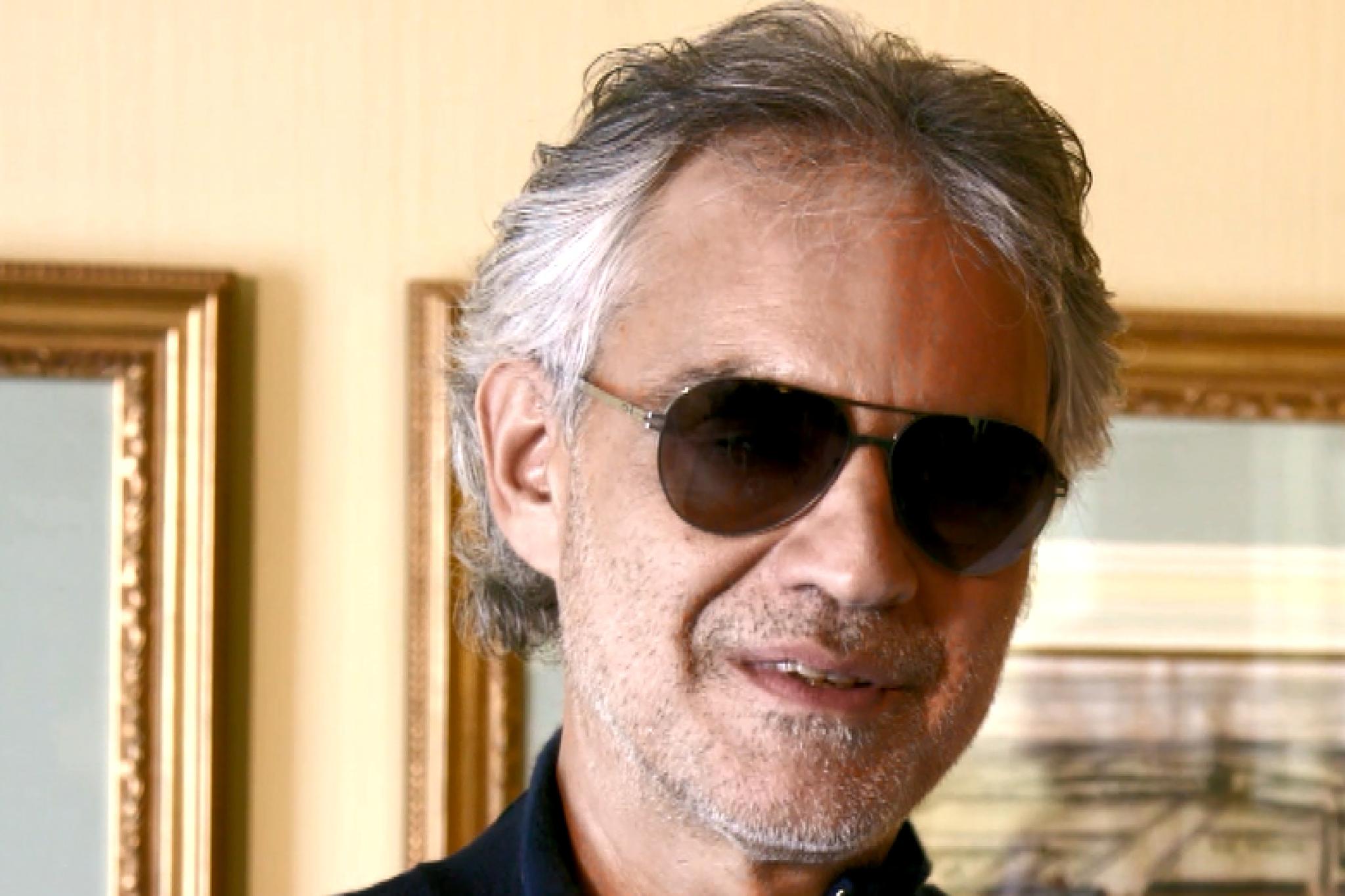
Andrea Bocelli is 67 years old, having been born on September 22, 1958. As one of the most celebrated classical crossover tenors in modern music history, his remarkable life spans over six decades of artistic evolution, overcoming visual impairment, and achieving global acclaim.
Understanding the current age of a legendary cultural figure like Andrea Bocelli often serves as a gateway to exploring a vast, multi-decade career that has redefined the boundaries between classical opera and mainstream popular music. From his early days in rural Tuscany to headlining sold-out arenas across every major continent, Bocelli’s timeline is a testament to perseverance, vocal mastery, and an enduring artistic vision. This comprehensive examination looks at his current age, chronological milestones, formative years, career evolution, cultural impact, and ongoing contributions to the global music community.
Early Life and the Foundations of a Musical Journey in Tuscany
Born in Lajatico, a small agricultural village in the hills of Tuscany, Italy, Andrea Bocelli entered the world on September 22, 1958. From an early age, he exhibited severe visual impairments due to congenital glaucoma, a condition that left him completely blind by the age of twelve following a football accident. Despite these challenges, his parents encouraged his passion for music, recognizing a profound auditory sensitivity and an innate attraction to sound.
Bocelli began piano lessons at the age of six, later expanding his musical repertoire to include the flute, saxophone, trombone, harp, guitar, and drums. Music served as a profound sanctuary and a primary mode of expression. While his family expected him to pursue a stable profession, Bocelli enrolled at the University of Pisa, eventually earning a Doctor of Law degree. He even worked briefly as a court-appointed lawyer before fully committing to his true vocation. To support himself during his studies and early musical pursuits, he performed in piano bars across Tuscany, honing his stage presence, interpretive range, and ability to connect with diverse audiences.
Chronological Milestones and Career Breakthrough
The trajectory of Bocelli’s career shifted dramatically in 1992 when Italian rock star Zucchero Fornaciari sought a tenor to record a demo of his song "Miserere." The demo reached legendary tenor Luciano Pavarotti, who praised Bocelli's voice, declaring that no finer voice existed. This endorsement opened doors to international stages.
In 1994, Bocelli won the prestigious Sanremo Music Festival in the newcomer section with his performance of "Miserere" (performed live) and later "Il mare calmo della sera," launching him into mainstream European prominence. His breakout global hit, "Time to Say Goodbye" (Con te partirò), recorded as a duet with English soprano Sarah Brightman in 1996, shattered sales records across Europe and became one of the best-selling singles of all time.
Key Milestones in Bocelli’s Discography and Live Performances
| Year / Period | Milestone Event | Significance |
|---|---|---|
| 1994 | Sanremo Music Festival Victory | catapulted him from regional Italian recognition to national stardom. |
| 1996 | Release of "Time to Say Goodbye" | Established his international crossover appeal, dominating charts globally. |
| 1999 | Sacred Arias Release | Became the best-selling classical album by a solo artist in music history. |
| 2010 | Star on the Hollywood Walk of Fame | Recognized his massive cultural contribution to live theater and recording. |
| 2020 | Music for Hope Concert | Performed a historic Easter Sunday solo concert at the Duomo di Milano during global lockdowns, uniting millions. |
Vocal Technique, Repertoire, and Crossover Appeal
Andrea Bocelli occupies a unique niche in the music industry. He is neither solely an opera singer nor a pop artist, but rather a master of classical crossover. His voice possesses a distinctive warm, vibrant timbre that bridges the rich tradition of Italian bel canto with the accessible melodies of contemporary pop balladry.
Training under the legendary Italian tenor Franco Corelli further refined Bocelli’s vocal discipline. While critics occasionally debate the categorization of his voice—distinguishing between lyric tenor repertoire and dramatic operatic demands—his technical execution, breath control, and emotional sincerity have won over both high-art purists and casual listeners. He has recorded complete opera albums, including La Bohème, Tosca, Il Trovatore, and Turandot, while simultaneously filling stadiums with pop-infused anthems like "Vivo per lei" and "Fall on Me."
Family Life, Personal Values, and Philanthropy
Outside of his punishing international touring schedules, Bocelli maintains a grounded personal life centered around his family and philanthropic endeavors. He resides primarily in Italy with his wife, Veronica Berti, whom he married in 2014, and their daughter, Virginia. He also shares two sons, Amos and Matteo, from his first marriage to Enrica Cenzatti. Both sons have occasionally collaborated with their father, marking a multi-generational musical continuation.
Bocelli’s philanthropic work is channeled primarily through the Andrea Bocelli Foundation (ABF), established in 2011. The foundation focuses on empowering people and communities overcoming poverty, illiteracy, and distress caused by illness and social exclusion. ABF operates globally, building schools in earthquake-stricken regions, funding medical research, and supporting initiatives that harness the arts as a tool for personal empowerment and social integration.
Cultural Legacy and Continued Relevance in the Modern Era
As Bocelli navigates his late sixties, his artistic stamina remains formidable. He continues to record new studio albums, perform high-profile televised events, and sell out concert tours worldwide. His ability to adapt to modern media, collaborate with contemporary pop stars like Ed Sheeran, Ariana Grande, and Dua Lipa, and maintain a rigorous live performance schedule demonstrates an enduring relevance that few artists from his generation achieve.
The ongoing fascination with Bocelli’s age and career longevity reflects a broader cultural appreciation for enduring craftsmanship. In an industry often dominated by ephemeral trends and rapid turnover, Bocelli represents a steadfast commitment to emotional authenticity, vocal discipline, and the unifying power of music across cultural and linguistic divides.
Frequently Asked Questions
When was Andrea Bocelli born?
Andrea Bocelli was born on September 22, 1958, in Lajatico, Italy. This date establishes his age at 67 years old. Growing up in rural Tuscany, he developed an early appreciation for traditional Italian music and agriculture before dedicating his life fully to vocal arts.
How did Andrea Bocelli lose his eyesight?
Bocelli was diagnosed with congenital glaucoma as an infant, which impaired his vision from a very early age. When he was twelve years old, a severe accident during a soccer match—where he was struck in the head by a ball—caused a brain hemorrhage that resulted in total and permanent blindness.
Is Andrea Bocelli still performing actively?
Yes, Andrea Bocelli maintains an active global touring schedule. He regularly performs at major arenas, stadiums, and special cultural events worldwide, often collaborating with symphony orchestras, guest vocalists, and members of his own family.
What is Andrea Bocelli's most famous song?
His most famous and commercially successful recording is "Time to Say Goodbye" (Con te partirò), originally performed in Italian and later as a bilingual duet with Sarah Brightman. The single sold over 12 million copies globally, making it one of the best-selling physical singles of all time.
Does Andrea Bocelli have children who are musicians?
Yes, his eldest son, Amos, is a talented pianist and engineer who has occasionally performed on his father's albums, and his younger son, Matteo, is a rising singer-songwriter and tenor who has recorded major duets and toured extensively with his father.
Conclusion and Next Actions
Andrea Bocelli stands as a towering figure in modern musical history, bridging the gap between classical opera and popular culture with remarkable grace and resilience. For fans wishing to explore his artistry further, examining his extensive discography—ranging from his foundational operatic recordings to contemporary crossover albums—offers a profound look into a singular career. To experience his work firsthand, consider listening to his seminal albums such as Bocelli, Romanza, or Sacred Arias, or look for upcoming live performance dates in your region.