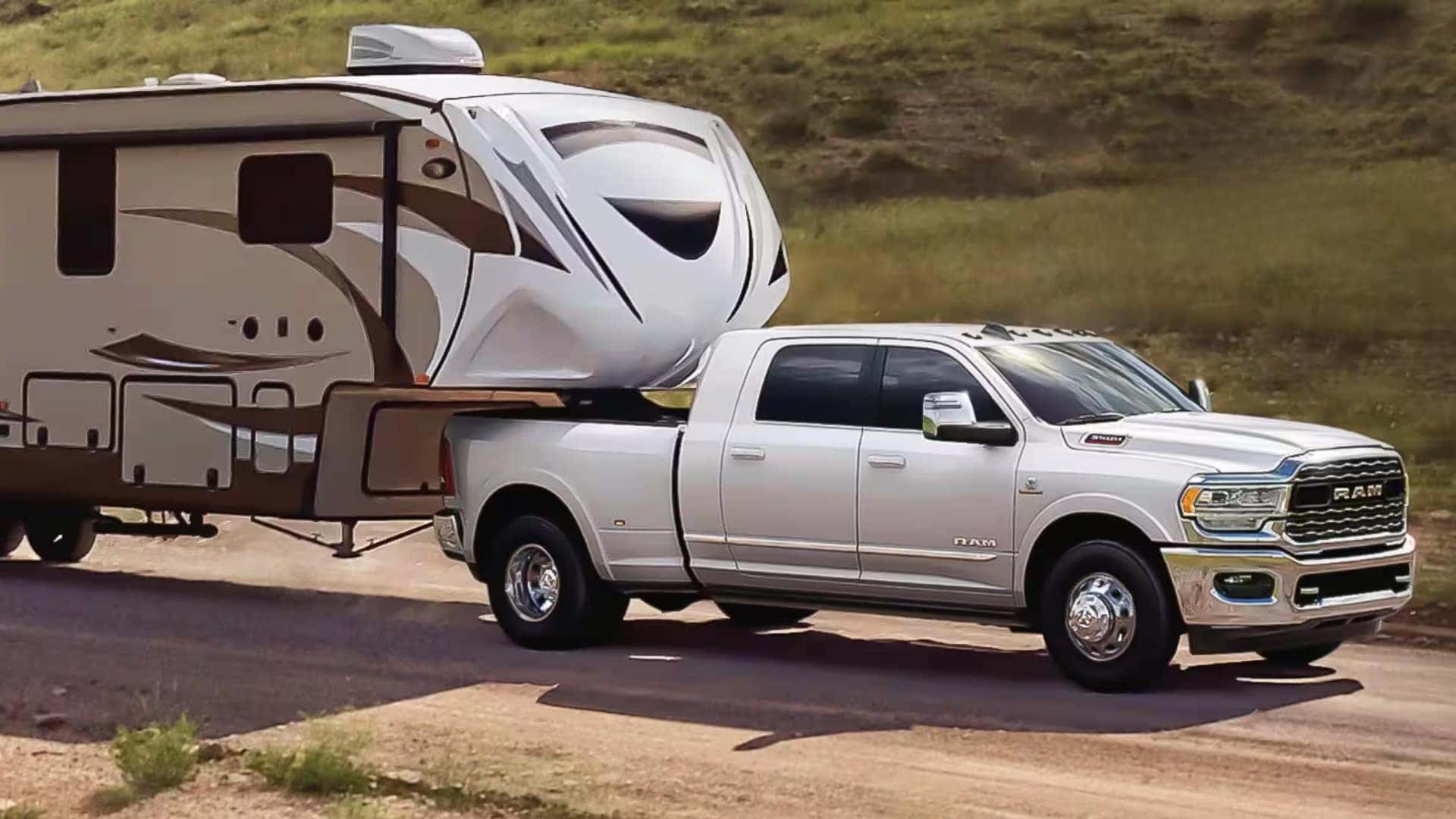
The 2024 Chevrolet Silverado 3500HD offers a maximum payload capacity reaching up to 7,290 pounds when properly equipped. This figure varies significantly based on chassis configuration, engine choice, cab style, and drivetrain. Understanding these specifications is essential for operators to ensure safe loading, vehicle longevity, and compliance with Department of Transportation regulations regarding gross vehicle weight ratings.
Understanding Payload Capacity in Heavy-Duty Trucks
Payload capacity is the total weight a truck can carry in its bed and cabin, including passengers, cargo, and aftermarket equipment. For the 2024 Chevrolet Silverado 3500HD, this figure is determined by subtracting the curb weight—the truck's weight when empty—from the Gross Vehicle Weight Rating (GVWR). The GVWR is the maximum weight the vehicle is legally and mechanically allowed to sustain.
In the heavy-duty segment, payload is often confused with towing capacity. While towing capacity refers to the weight a vehicle can pull via a trailer hitch, payload refers to the downward pressure and mass placed directly on the vehicle's frame and suspension. The 3500HD series is specifically engineered for high-payload operations, utilizing a beefier frame, high-capacity leaf springs, and robust axle designs to manage loads that would exceed the limits of a 1500 or 2500 series truck.
Factors Influencing 2024 Silverado 3500HD Payload
Several variables dictate the exact payload capacity of a specific unit. Consumers often make the mistake of looking at "maximum" ratings provided in marketing materials, which represent the lightest possible chassis configuration—typically a regular cab, two-wheel drive model with a gas engine.
- Engine Selection: The standard 6.6L V8 gasoline engine is lighter than the optional 6.6L Duramax Turbo-Diesel V8. Consequently, gas-powered trucks often have a higher payload capacity because the truck’s curb weight is lower, leaving more "room" under the GVWR limit.
- Drivetrain (2WD vs. 4WD): Four-wheel-drive systems add significant weight to the front end of the vehicle. A 4WD truck will inherently have a lower payload capacity than its 2WD counterpart, all other factors remaining equal.
- Cab and Bed Configuration: The Regular Cab provides the lightest footprint, allowing for the highest payload ratings. Crew Cab configurations, while offering more utility for personnel, add structural steel and interior weight, which deducts from the available payload capacity.
- Trim Levels: Higher trim levels, such as the High Country or LTZ, include added amenities like power-adjusting seats, premium sound systems, and additional insulation. These features increase the curb weight of the vehicle, thereby reducing the net payload capacity.
The Role of GVWR and Curb Weight
The relationship between GVWR and curb weight is the cornerstone of safe hauling. The GVWR for a 2024 Silverado 3500HD is generally capped at 14,000 pounds for many standard configurations. However, operators must verify the specific tag located on the driver-side door jamb. This tag provides the most accurate and legally binding data for the specific vehicle in question.
When you add aftermarket equipment—such as a heavy-duty tool box, ladder racks, a brush guard, or a gooseneck hitch assembly—you are effectively reducing the truck's available payload capacity. If an owner adds 500 pounds of equipment to the bed, their available payload is reduced by exactly 500 pounds. Ignoring this "upfitter" weight is a common cause of overloaded suspensions and premature tire failure.
Comparing Configuration Impacts
The following table illustrates how different configurations affect payload limits. Note that these are baseline maximums; individual vehicle payloads will vary based on optional equipment.
| Configuration | Engine | Drive Type | Max Payload (Approx.) |
|---|---|---|---|
| Regular Cab DRW | 6.6L Gas | 2WD | 7,290 lbs |
| Regular Cab DRW | 6.6L Diesel | 2WD | 6,500 lbs |
| Crew Cab SRW | 6.6L Gas | 4WD | 4,200 lbs |
| Crew Cab DRW | 6.6L Diesel | 4WD | 5,800 lbs |
DRW: Dual Rear Wheel; SRW: Single Rear Wheel.
Dual Rear Wheel (DRW) vs. Single Rear Wheel (SRW)
The decision between SRW and DRW is perhaps the most significant choice for an operator concerned with payload. The dual-rear-wheel setup, often called a "dually," provides a wider footprint and increased tire contact patch. Beyond the added stability for trailering, the DRW configuration is designed to support higher vertical loads.
The SRW configuration is generally preferred by those who need high payload capacity for occasional heavy lifting but desire better maneuverability and easier parking in standard stalls. If your primary task involves hauling heavy palletized loads, landscaping materials, or heavy machinery in the bed, the DRW is almost always the superior choice for stability and weight distribution.
Safety Implications of Exceeding Payload Limits
Operating a vehicle beyond its manufacturer-rated payload capacity is not merely a mechanical risk; it is a significant safety hazard. Overloading creates several critical failure points:
- Braking Performance: The 3500HD braking system is calibrated to stop the vehicle safely at its maximum GVWR. Exceeding this weight increases stopping distances and puts immense strain on the pads, rotors, and brake lines.
- Tire Integrity: Each tire has a load index rating. If the combined weight on the rear axle exceeds the combined load rating of the two (or four) rear tires, a blowout becomes a high probability, especially at highway speeds.
- Steering Control: When the rear is overloaded, the front end can become "light," leading to reduced steering precision and compromised handling in emergency maneuvers.
- Suspension Stress: Constant overloading leads to the fatigue of leaf springs and dampers, resulting in a sagged rear end, which further disrupts the headlight aim and proper weight distribution of the vehicle.
Verifying Your Specific Truck's Capacity
Never rely solely on a manual or website range for your specific hauling job. To determine your precise payload capacity, follow these steps:
- Locate the Certification Label: Open the driver’s side door. Look for the white and silver sticker on the door jamb.
- Identify GVWR: This is the maximum weight your truck can handle.
- Visit a Scale: Take the truck to a local weigh station (public scales, truck stops, or recycling centers). Weigh the truck with a full tank of fuel and your typical daily load (tools, driver, etc.).
- Calculate: Subtract your current weight (from the scale) from the GVWR (from the sticker). The result is your actual remaining payload capacity.
Frequently Asked Questions
How does adding a heavy-duty hitch affect my payload? A heavy-duty hitch assembly often weighs between 100 and 200 pounds. This weight is counted against your payload capacity. If you have a 7,000-pound payload rating, installing a 150-pound hitch immediately reduces your available cargo payload to 6,850 pounds.
Does 4WD always mean lower payload? Yes. In the 2024 Silverado 3500HD lineup, the inclusion of the front differential, transfer case, and additional driveshaft components increases the vehicle’s base curb weight. Because the GVWR is fixed, this added weight directly reduces the amount of payload you can carry in the bed.
Can I modify my suspension to increase payload capacity? No. While aftermarket air bags or helper springs can help the truck sit level under a heavy load, they do not increase the vehicle's legal GVWR or payload rating. These products can improve comfort and stability, but they do not change the structural limits certified by the manufacturer.
Is diesel fuel heavier than gasoline? Yes, diesel fuel weighs approximately 7 pounds per gallon, while gasoline weighs about 6 pounds per gallon. Furthermore, the Duramax diesel engine itself is significantly heavier than the gasoline engine. These factors contribute to the lower payload capacity of diesel-equipped trucks compared to gas-equipped models.
How do I know if my truck is overloaded while driving? Signs of overloading include a rear end that sits lower than the front, sluggish acceleration, a "mushy" feel in the steering, and the feeling that the suspension is "bottoming out" over bumps. If you experience these, reduce your load immediately.
Next Steps for Owners
If you are currently planning a heavy haul, take the time to visit a local commercial vehicle scale. Do not guess your load weight based on volume or estimated material density. Whether you are transporting construction materials or specialized equipment, confirming your available payload against the door-jamb GVWR is the only way to ensure your 2024 Chevy 3500HD remains safe, reliable, and compliant with safety regulations. If your typical daily requirements frequently push the limits of your current configuration, consider consulting with a commercial upfitter regarding the legal requirements for upgrading your vehicle's registration class or exploring a chassis-cab model if your business needs expand.