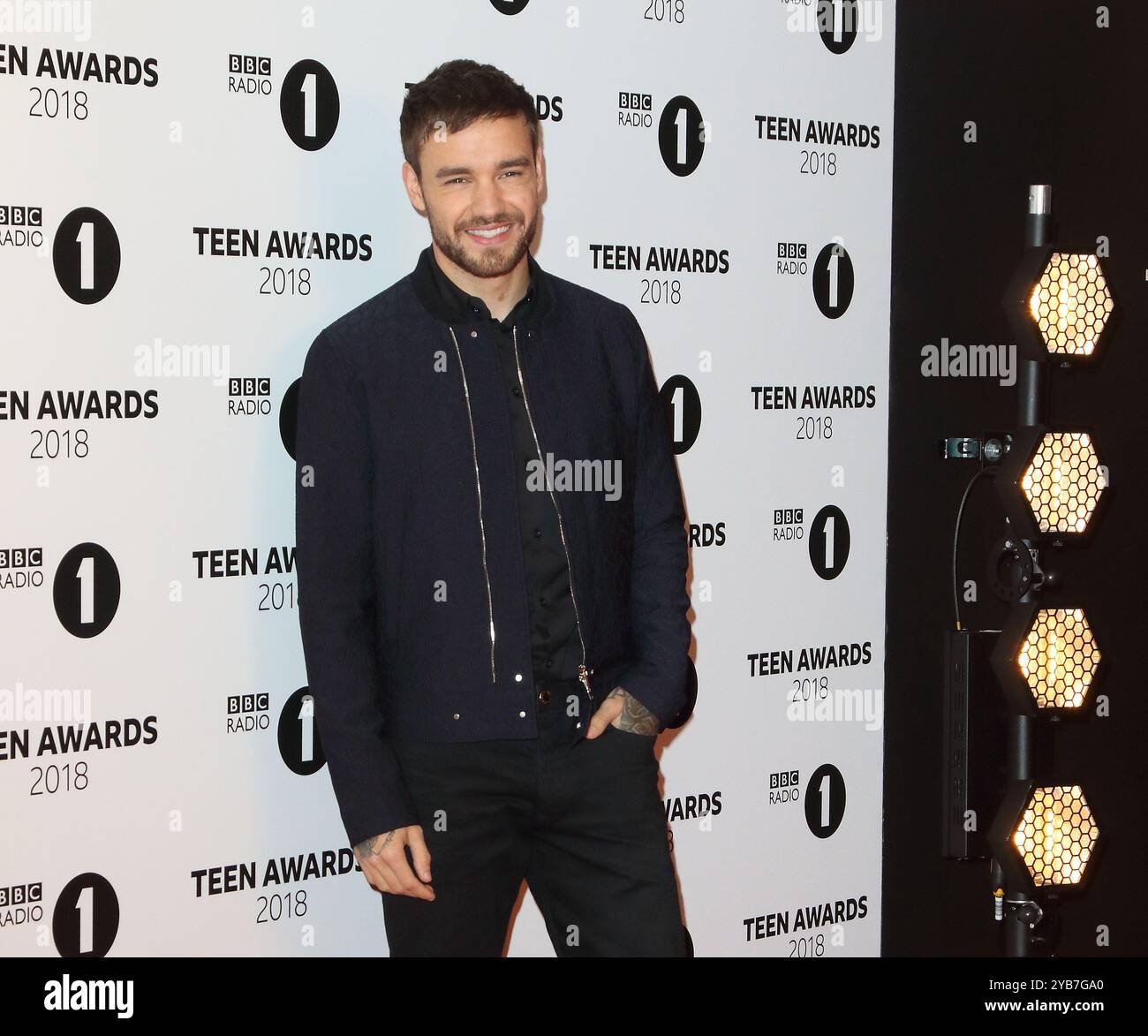
The 2019 Radio 1 Teen Awards, held on November 24, 2019, at the SSE Arena in London, was a high-profile celebration organized by BBC Radio 1 to recognize the inspirational achievements of teenagers across the United Kingdom. The event blended musical performances with an awards ceremony honoring young "Teen Heroes" alongside popular figures in entertainment, sports, and social media.
The Purpose and Significance of the Radio 1 Teen Awards
The BBC Radio 1 Teen Awards served as a bridge between the network’s mainstream programming and the specific interests of its younger demographic. Unlike traditional award ceremonies that focus primarily on industry insiders, the core identity of the Teen Awards was the "Teen Hero" category. This initiative was designed to shine a light on individuals aged 12 to 17 who have demonstrated extraordinary resilience, bravery, or commitment to helping others in their communities.
By elevating these stories alongside A-list celebrities, the event provided a platform that validated the contributions of young people. It fostered a sense of community among the audience, proving that the network valued the lived experiences of its listeners as much as the content they consumed for entertainment.
2019 Event Structure and Production
The 2019 ceremony followed a proven structure that balanced entertainment value with substantive recognition. Held at the SSE Arena, Wembley, the event was hosted by a rotating roster of prominent BBC Radio 1 presenters. This ensured that the tone remained familiar, energetic, and aligned with the network’s brand identity.
The Venue and Logistics
The SSE Arena provided a massive capacity, allowing thousands of young fans to witness the proceedings live. The production was a significant logistical undertaking, involving high-end lighting, audio-visual stage setups, and complex choreography for the performing artists. For the audience, the event functioned as a hybrid of a live concert and a formal awards gala.
Integration of Talent
The talent lineup for the 2019 iteration was carefully curated to reflect the music tastes of the Gen Z demographic. Artists who were peaking in the charts at the time were invited to perform, ensuring high engagement levels both in the arena and via the BBC’s digital broadcast streams.
The "Teen Hero" Awards: The Heart of the Ceremony
The most prestigious segment of the evening was undoubtedly the presentation of the Teen Hero awards. These awards were not based on popularity or social media presence but were instead decided by a panel of judges following a rigorous nomination and vetting process.
The Selection Process
Nominations were opened months in advance, requiring stories to be submitted via the BBC website. Each story underwent a verification process to ensure the accuracy of the claims. The judges looked for specific qualities:
- Impact: How did the teenager’s actions improve the lives of others?
- Resilience: Did the nominee overcome significant personal challenges to achieve their goals?
- Altruism: Was the motivation behind the action selfless and sustained over time?
By 2019, the Teen Hero awards had become a highly anticipated segment, often resulting in emotional moments where the winners were surprised by their idols or guest presenters.
Musical Performances and Guest Appearances
In 2019, the performances were designed to maximize the "event" factor. The BBC utilized its strong relationships with the music industry to secure acts that were at the forefront of the global conversation. Performances were high-energy, utilizing the full scale of the Wembley stage.
Beyond the music, guest presenters included popular YouTubers, athletes, and actors who resonated with the 12–17 age bracket. This cross-pollination of celebrity culture helped maintain the pace of the show and provided ample content for social media clips, which served as a crucial promotional engine for the network.
Comparative Overview: The 2019 Landscape
The following table summarizes the key components that made the 2019 ceremony a distinct entry in the history of the event.
| Feature | Description | Importance |
|---|---|---|
| Primary Goal | Recognition of youth community impact | Validates youth contributions |
| Host Format | Multi-presenter team (Radio 1 talent) | Maintains brand voice and consistency |
| Primary Venue | The SSE Arena, London | Accommodates large-scale production |
| Selection Criteria | Independent judging panels | Ensures merit-based recognition |
| Core Audience | Ages 12 to 17 | Aligned with BBC Radio 1 target demographic |
Technical and Operational Challenges
Organizing an event of this magnitude involves navigating complex operational requirements. For the 2019 team, the primary challenge was keeping the production pace brisk enough to hold the attention of a young, digital-native audience. This required meticulous scheduling of the transitions between awards segments and musical numbers.
Audio and Broadcast Quality
Because the event was broadcast across BBC platforms, audio engineering was critical. Ensuring the clarity of presenters while balancing the heavy bass and high-volume output of pop concerts required significant real-time adjustments. The 2019 production team utilized multi-track recording to ensure that the broadcast version of the show maintained the same sonic quality as a studio-produced broadcast.
Security and Crowd Management
When dealing with a high-profile event targeting young people, security protocols were rigorous. The BBC worked closely with the venue’s management to handle everything from ticket verification to crowd surge prevention, ensuring a safe environment for the thousands of attendees.
The Role of Social Media in the 2019 Awards
The 2019 Radio 1 Teen Awards functioned as a "social-first" production. The success of the event was measured not just by the in-arena attendance, but by the volume of interactions across platforms like Twitter (now X), Instagram, and YouTube.
- Real-time Engagement: The network utilized live-tweeting and behind-the-scenes "story" updates to keep those at home connected.
- Viral Moments: Clips of celebrities interacting with the Teen Heroes were specifically edited to be easily shareable, ensuring the event’s reach extended far beyond the traditional broadcast window.
- User-Generated Content: Encouraging attendees to use event-specific hashtags created an organic archive of the event from the perspective of the audience.
Frequently Asked Questions
Who were the Teen Heroes in 2019?
The Teen Heroes in 2019 were individuals selected for their courage and community service. Notable winners included teenagers who had championed mental health awareness, supported those with disabilities, or provided care for family members in challenging circumstances.
How were the winners of the celebrity categories decided?
Unlike the Teen Hero categories, which were judged by a panel, the entertainment and music categories were largely decided by the public. Listeners and fans voted via the BBC Radio 1 website, allowing the audience to feel directly involved in the awarding process.
Was the 2019 event available for viewing after it finished?
Yes, the BBC made significant portions of the ceremony available via the BBC iPlayer and provided highlights on their official YouTube channel. This allowed for long-term access to the content and ensured the stories of the Teen Heroes had a life beyond the night of the event.
Can individuals nominate themselves for the awards?
The nomination process typically allowed for self-nominations, provided the nominee met the age criteria. However, most nominations were submitted by peers, teachers, or family members who wanted to highlight the achievements of a young person they knew.
What is the age limit to attend the Radio 1 Teen Awards?
The event is specifically tailored for teenagers, with age restrictions set to ensure the audience aligns with the Radio 1 brand. Usually, children under a certain age must be accompanied by an adult, but the core target remains the 12–17 age bracket.
Next Actions for Fans and Historians
If you are researching the 2019 Radio 1 Teen Awards for historical or analytical purposes, the best next step is to access the official BBC archive. The BBC frequently retains legacy content on its digital platforms, including high-quality video highlights, press releases from the time, and follow-up interviews with the winners.
For those interested in how these events are produced, reviewing the publicly available tender documentation or press statements from 2019 can provide deeper insights into the technical requirements and the strategic goals the network aimed to achieve that year. Understanding the 2019 event provides a clear look at how traditional broadcast media attempted to stay relevant in a landscape increasingly dominated by independent digital creators.