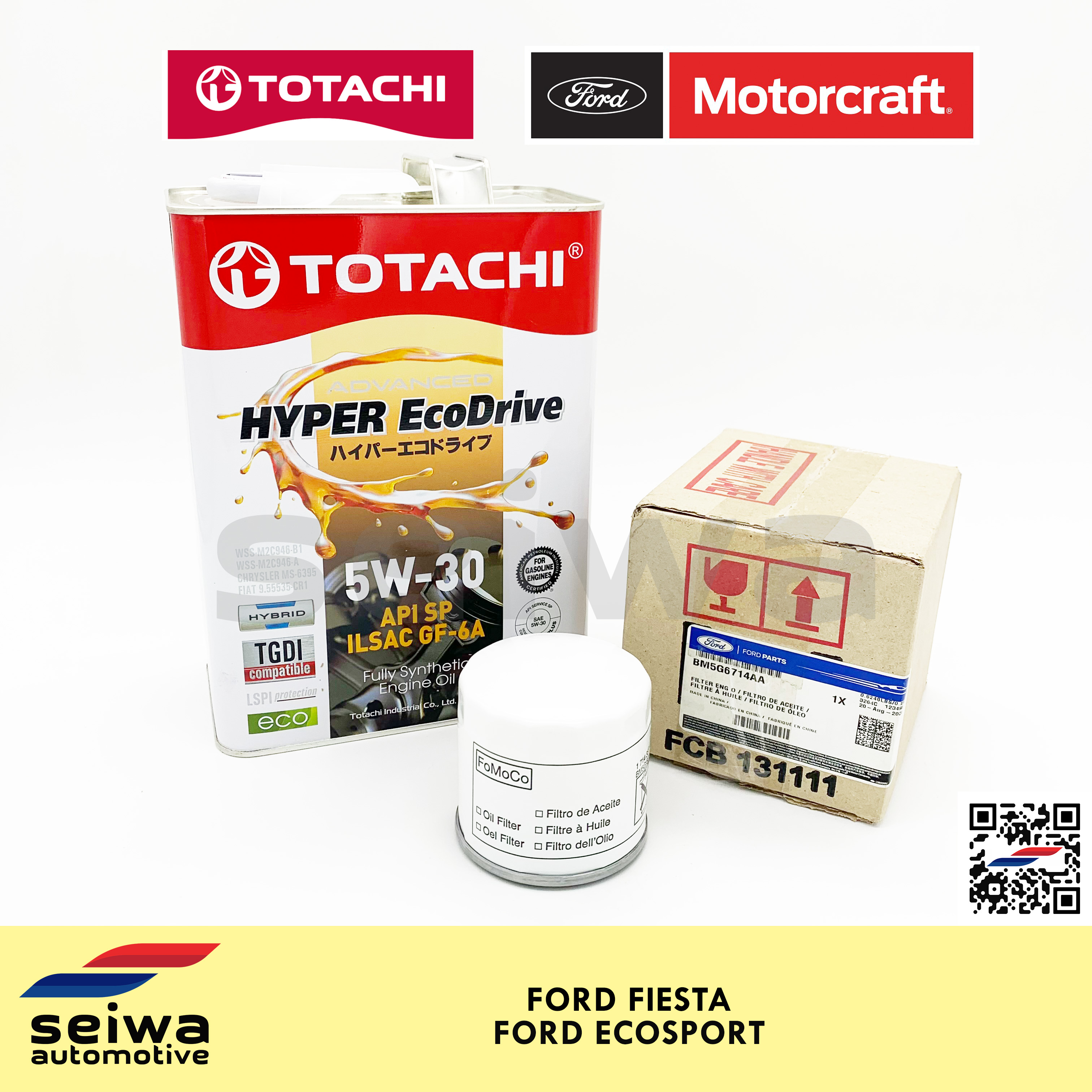
The 2019 Ford EcoSport features two distinct engine configurations, each requiring a specific oil capacity and viscosity grade to maintain peak operational efficiency. The 1.0L EcoBoost engine requires 4.6 quarts (4.4 liters) of 5W-20 engine oil, while the 2.0L Duratec engine requires 5.7 quarts (5.4 liters) of 5W-20 engine oil. Both capacities include the oil filter volume, and strict adherence to these specifications is critical for engine longevity.
Understanding Engine Configurations in the 2019 Ford EcoSport
The 2019 Ford EcoSport was marketed as a compact crossover, designed to balance urban agility with fuel efficiency. Ford provided this vehicle with two primary powertrain options for the North American market. Because engine displacement and internal architecture dictate the volume of lubrication required, correctly identifying your specific engine is the mandatory first step before performing any maintenance.
The 1.0L EcoBoost I-3 engine utilizes a turbocharged three-cylinder design. Due to the high-stress nature of turbocharged direct injection, the oil serves not only to lubricate moving parts but also to assist in cooling the turbocharger unit. Consequently, the oil circulation system is calibrated to handle 4.6 quarts.
The 2.0L Duratec I-4 engine, by contrast, is a naturally aspirated four-cylinder engine. This powerplant features a larger oil pan capacity to manage the heat and friction generated by the additional cylinder and the increased displacement. This engine requires 5.7 quarts of oil. Attempting to use a universal "one size fits all" approach to filling these engines will lead to either significant pressure drops or potential damage caused by overfilling.
Technical Specifications for Oil Selection
Beyond the capacity, the viscosity and chemical composition of the oil are governed by Ford’s engineering standards. For the 2019 Ford EcoSport, the manufacturer specifies 5W-20 motor oil. In the United States and Canada, owners should look for oil that meets the Ford specification WSS-M2C945-A.
Viscosity Explained
Viscosity refers to the oil's resistance to flow. The "5W" indicates the oil's flow characteristics during cold starts—the "W" stands for Winter. A 5W rating ensures the oil remains fluid enough to circulate rapidly during the initial seconds of startup, which is when the majority of engine wear occurs. The "20" represents the oil's viscosity at normal operating temperatures. Using an oil with the incorrect viscosity can lead to increased friction, decreased fuel economy, and, in modern engines with variable valve timing, potential mechanical malfunctions.
Synthetic vs. Conventional
Given the tight tolerances of both the 1.0L EcoBoost and 2.0L Duratec engines, the use of full synthetic motor oil is highly recommended, if not required for optimal performance. Synthetic oils provide superior thermal stability, resisting breakdown at the high temperatures common in modern turbocharged engines. They also maintain their flow properties better over extended drain intervals.
Oil Capacity and Specifications Table
| Engine Type | Engine Displacement | Oil Capacity (with filter) | Recommended Viscosity |
|---|---|---|---|
| EcoBoost I-3 | 1.0 Liter | 4.6 Quarts (4.4 L) | 5W-20 |
| Duratec I-4 | 2.0 Liter | 5.7 Quarts (5.4 L) | 5W-20 |
The Role of the Oil Filter
The oil filter is an inseparable component of the oil change process. The capacity figures provided by Ford include the volume held within the filter itself. When selecting a replacement filter for the 2019 EcoSport, it is essential to ensure it matches the OEM (Original Equipment Manufacturer) specifications.
An inferior filter may have a lower flow rate, which can trigger the oil pressure warning light, or a faulty internal bypass valve, which could allow unfiltered oil to circulate through the engine if the media becomes clogged. Always check the gasket interface during installation to ensure the old O-ring has been removed, as a "double-gasket" situation is a common cause of catastrophic oil loss immediately following an oil change.
Step-by-Step Verification and Filling Procedure
Performing an oil change on a 2019 Ford EcoSport follows standard automotive procedures, but precision is key.
- Warm the Engine: Operate the vehicle for a few minutes to bring the oil to operating temperature. This reduces the oil's viscosity, allowing it to drain more completely and carry away suspended contaminants.
- Safety First: Elevate the vehicle using jack stands or a professional-grade lift. Never rely solely on a hydraulic floor jack while working beneath a vehicle.
- Drain the Oil: Remove the drain plug and allow the old oil to drain into a suitable collection container. While the oil drains, inspect the drain plug gasket; replace it if it appears flattened or cracked to prevent slow leaks.
- Replace the Filter: Remove the old filter, clean the mounting surface, and lightly lubricate the new filter’s gasket with fresh motor oil. Tighten the new filter by hand as specified—usually three-quarters of a turn after initial contact. Do not overtighten with a tool.
- Refill the Engine: Add the manufacturer-recommended amount of oil based on your engine type. Start with approximately 0.5 quarts less than the total capacity, then check the level using the dipstick.
- Final Verification: After adding the oil, run the engine for two minutes, shut it down, and wait an additional five minutes for the oil to settle into the pan. Check the dipstick again. The level should fall within the crosshatched area.
Common Mistakes and Troubleshooting
One of the most frequent errors in maintaining the 2019 Ford EcoSport is the misidentification of the engine type, leading to an incorrect volume of oil being added. If you are unsure which engine your vehicle possesses, consult the Vehicle Identification Number (VIN) decoder provided by Ford or check the engine cover, which typically indicates the engine displacement.
Overfilling: If you accidentally exceed the recommended capacity, the oil level in the pan may become too high. The crankshaft can strike the surface of the oil, causing it to "aerate" or foam. Foamy oil does not lubricate effectively and can cause the hydraulic lifters in the engine to collapse or result in oil being forced into the intake system through the PCV (Positive Crankcase Ventilation) valve.
Underfilling: Running the engine with insufficient oil is equally dangerous. It prevents the oil pump from maintaining consistent pressure. In turbocharged models, this is particularly hazardous because the turbo bearings rely on a constant, high-pressure stream of oil for both lubrication and heat dissipation.
Environmental Considerations and Disposal
Used motor oil is a regulated substance. It contains heavy metals and toxic chemicals absorbed from the engine environment. Never dispose of used oil in the trash, on the ground, or down storm drains. Most auto parts retailers and municipal recycling centers offer free disposal programs for used motor oil. When transporting the oil for disposal, ensure it is in a secure, leak-proof container, ideally the same one that held the new oil.
Frequently Asked Questions
How often should I change the oil in my 2019 Ford EcoSport?
Ford recommends following the Intelligent Oil-Life Monitor (IOLM) system located in your instrument cluster. This system tracks engine revolutions, temperatures, and mileage to determine the actual health of the oil. Under typical driving conditions, this usually equates to every 7,500 to 10,000 miles, but frequent short trips or extreme weather may shorten this interval.
Can I use 5W-30 instead of 5W-20?
It is not recommended. Modern engines are built with strict tolerances designed for 5W-20 oil. Using a thicker oil like 5W-30 can increase internal friction and potentially impede the oil circulation system, especially during cold startup, which may negatively impact fuel efficiency and long-term engine health.
Why is my oil pressure light flickering after an oil change?
This usually indicates either an incorrect oil level, the wrong filter type, or an issue with the oil pressure sensor. Immediately check your oil level on the dipstick. If the level is correct, ensure the oil filter is tight and the correct part number was used. If the issue persists, consult a certified technician, as this may indicate a failed pump or a blockage.
Does the 1.0L EcoBoost engine require a specific oil additive?
Ford does not recommend the use of aftermarket oil additives. Modern synthetic 5W-20 oil is engineered with a specific chemical balance of detergents and friction modifiers. Adding external substances can disrupt this chemistry and may void your powertrain warranty if engine damage occurs.
Where can I find the exact oil capacity for my vehicle?
The most reliable source for your specific vehicle is the Owner’s Manual provided by Ford. You can also access digital versions of the manual through the official Ford Owner website by entering your vehicle’s VIN, ensuring the information is tailored exactly to your trim level and engine configuration.
Next Actions for Owners
If you are planning an oil change for your 2019 Ford EcoSport, begin by verifying your engine type—either the 1.0L EcoBoost or 2.0L Duratec—via the vehicle’s VIN or engine bay placard. Once confirmed, acquire the exact amount of 5W-20 synthetic oil and the correct OEM-spec oil filter. If you do not have the necessary tools or experience to perform the change safely, schedule an appointment with a certified service center to ensure the task is performed according to Ford’s technical guidelines.