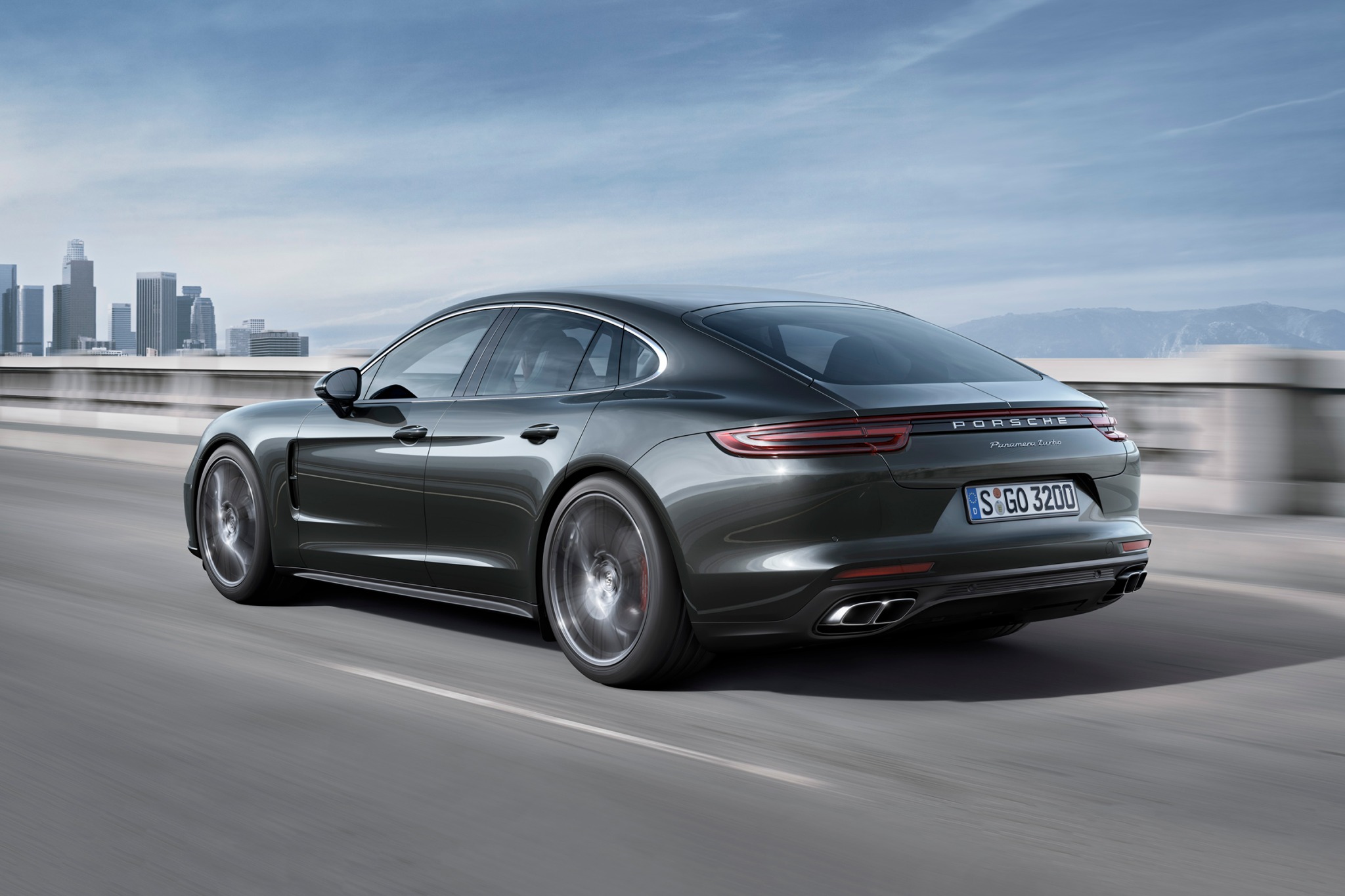
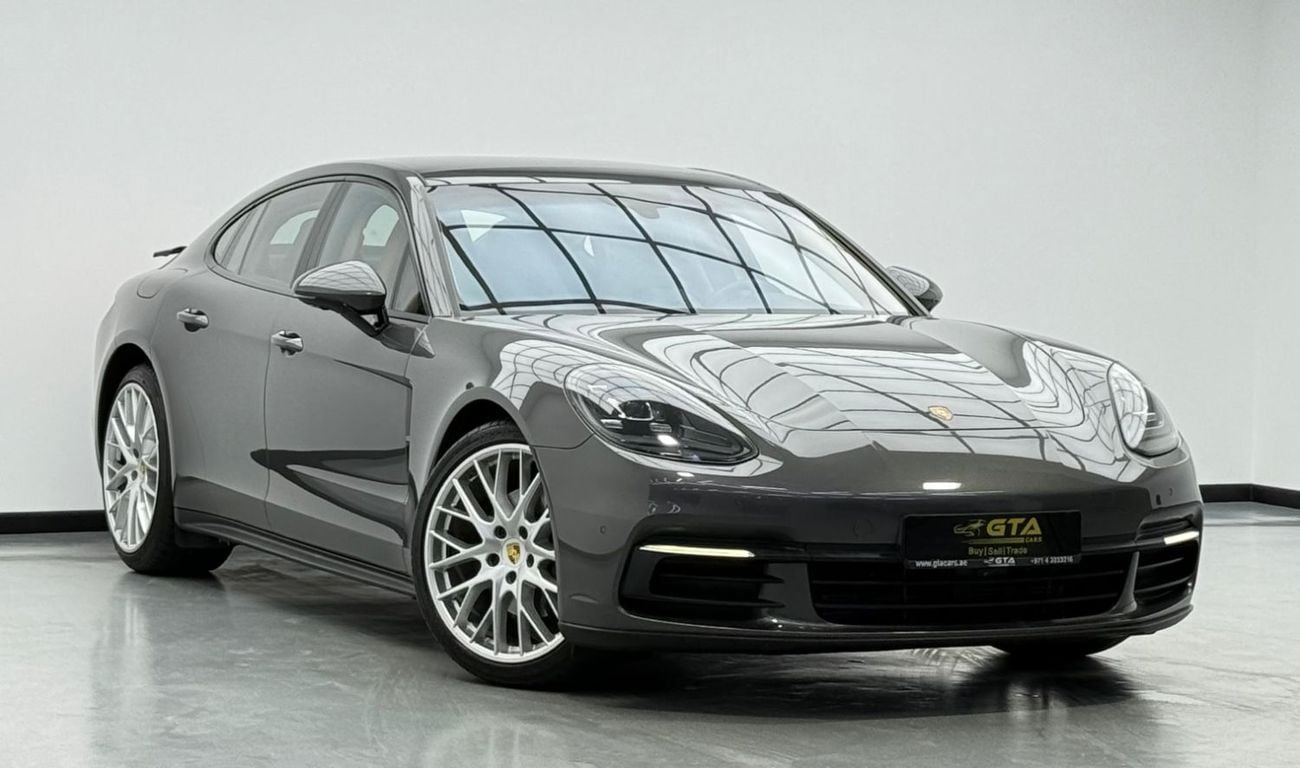
The 2018 Porsche Panamera offers a tiered performance architecture with horsepower ranging from 330 hp in the base model to 680 hp in the Turbo S E-Hybrid. Achieving optimal performance requires understanding the distinct powertrain configurations—ranging from turbocharged V6 units to high-output V8s and plug-in hybrid systems—that define this model year’s engineering capability.
Understanding the 2018 Porsche Panamera Powertrain Hierarchy
The 2018 model year represents a significant chapter in the evolution of the Panamera, utilizing the second-generation MSB (Modular Standard Drivetrain) platform. This platform was engineered to accommodate various propulsion methods, allowing Porsche to offer an exceptionally wide spectrum of horsepower figures. To evaluate performance potential, one must distinguish between the base, S, 4S, GTS, Turbo, and E-Hybrid variants, as each utilizes different induction systems and forced-induction cooling strategies.
The baseline performance begins with a 3.0-liter single-turbocharged V6 engine. While it provides the entry point for the model, the performance intent is vastly different when moving into the 4S, which features a 2.9-liter twin-turbocharged V6. The physical arrangement of these turbos—nestled within the "hot V" of the engine block—is a critical technical detail. By placing the turbochargers between the cylinder banks, Porsche effectively reduces the distance exhaust gases must travel, which minimizes turbo lag and improves throttle response, a hallmark of the 2018 performance profile.
Analyzing Horsepower Output by Engine Configuration
To accurately assess the performance of a 2018 Panamera, owners and prospective buyers must look at the specific engine displacement and power-adder configuration. The following breakdown illustrates the variance in output across the primary lineup.
The Turbocharged V6 Variants
The entry-level 3.0L V6 produces 330 horsepower. While modest by modern supercar standards, the engine’s torque curve is specifically tuned for mid-range acceleration. The 2.9L twin-turbo V6, found in the 4S models, jumps significantly to 440 horsepower. This engine was co-developed with Audi and represents a high-efficiency performance solution, utilizing higher boost pressure and sophisticated valvetrain management to sustain power delivery through the upper RPM range.
The V8 Powerplants
The 4.0L twin-turbocharged V8, utilized in the Turbo and Turbo S E-Hybrid models, represents the pinnacle of 2018 performance. In the standard Turbo trim, this engine outputs 550 horsepower. This is not merely a high-horsepower engine; it is a high-torque unit designed to move a heavy luxury vehicle with the agility of a sports car. The use of twin-scroll turbochargers ensures that the torque remains flat, allowing for consistent acceleration across varying gear ratios in the 8-speed PDK (Porsche Doppelkupplung) transmission.
The E-Hybrid Factor
The 2018 Panamera Turbo S E-Hybrid deserves specific attention. It combines the 4.0L twin-turbo V8 with an electric motor integrated into the transmission housing. The electric motor provides an additional 136 horsepower, bringing the combined system output to 680 horsepower. This is a crucial distinction for performance enthusiasts: the electric motor does not just add raw power; it fills the torque gaps that naturally occur during initial acceleration or shifts, creating an almost instantaneous power delivery system.
Technical Specifications: Horsepower and Torque Comparison
The table below outlines the primary configurations found in the 2018 Porsche Panamera lineup. Understanding these figures is essential for maintenance, tuning, and verifying vehicle performance.
| Model Variant | Engine Type | Horsepower | Peak Torque (lb-ft) |
|---|---|---|---|
| Panamera | 3.0L Turbo V6 | 330 hp | 331 lb-ft |
| Panamera 4S | 2.9L Twin-Turbo V6 | 440 hp | 405 lb-ft |
| Panamera Turbo | 4.0L Twin-Turbo V8 | 550 hp | 567 lb-ft |
| Turbo S E-Hybrid | 4.0L V8 + Electric | 680 hp | 626 lb-ft |
Performance Engineering and The Role of the Transmission
Horsepower figures are only as effective as the transmission’s ability to translate that energy to the road. The 2018 Panamera exclusively utilizes the 8-speed PDK transmission. Unlike traditional torque-converter automatics, the PDK uses two separate clutches for odd and even gear sets. This design allows for "pre-selection" of the next gear, meaning power delivery is never interrupted during upshifts.
When assessing the "performance" of the horsepower, consider the Launch Control function. Available in the Sport Chrono Package, this system manages the engine's launch RPM and clutch engagement to ensure the tires maintain maximum grip. The effectiveness of the horsepower in a standing start—often quoted as 0-60 mph times—is heavily dependent on the synchronization between the engine’s power peak and the PDK’s shift logic.
Prerequisites for Maintaining Peak Performance
Achieving the rated horsepower of a 2018 Porsche Panamera requires rigorous adherence to manufacturer specifications. Performance degradation is often the result of failing to maintain the specific systems that support forced induction.
- Air Intake Integrity: Because the Panamera utilizes complex twin-turbo layouts, any breach in the intake tract or dirty air filters will immediately result in a loss of boost pressure.
- Cooling System Efficiency: The 4.0L V8 engines rely on multiple heat exchangers. Ensuring these remain free of debris is vital to prevent the Engine Control Unit (ECU) from pulling timing to protect the engine from heat soak, which would cause a noticeable drop in power.
- High-Octane Fuel Requirements: The compression ratios and boost pressures used in the 2.9L and 4.0L engines require 93-octane (AKI) gasoline. Using lower-grade fuel triggers the knock sensors, causing the ECU to retard ignition timing, effectively lowering the horsepower output to prevent engine damage.
Common Performance Myths and Troubleshooting
A common misconception regarding the 2018 Panamera is that the "Sport" button increases engine horsepower. In reality, the Sport and Sport Plus modes modify throttle mapping, transmission shift points, and suspension damping. The actual peak horsepower remains unchanged; however, the usability of that power is drastically altered. If a user feels the vehicle is "slow," it is rarely a lack of horsepower but rather the transmission operating in a fuel-efficient map that prioritizes higher gears and lower RPM.
If a vehicle is underperforming, owners should verify if the vehicle is in "Limp Mode." This state is triggered by the ECU when it detects a critical fault in the emission control system, the turbocharger wastegate actuator, or the high-pressure fuel pump. If the car feels sluggish, scan for fault codes (DTCs) related to boost pressure deviations. Frequently, a faulty pressure sensor or a leaking diverter valve will limit the turbochargers' ability to hit target boost, leading to a perceived lack of power.
Frequently Asked Questions
Does the 2018 Panamera have more horsepower in Sport Plus mode?
No. The engine’s maximum rated horsepower remains identical regardless of the drive mode selected. Sport Plus mode improves performance by sharpening throttle response and holding lower gears longer, keeping the engine in the most effective part of the power band.
Why is the E-Hybrid the most powerful 2018 Panamera?
The Turbo S E-Hybrid utilizes a parallel hybrid system. By adding an electric motor that provides immediate torque at zero RPM alongside the twin-turbo V8, the system achieves a higher cumulative power output than the internal combustion engine could produce alone.
Can I increase my Panamera’s horsepower through software?
While ECU tuning exists, it is critical to understand the risks. Modifying the engine management software can exceed the torque limits of the PDK transmission or overwhelm the cooling system. Porsche factory performance ratings are optimized for long-term engine reliability and thermal management.
How do I know if my Panamera is reaching its full power potential?
Verification is best done through a chassis dynamometer (dyno) session or by monitoring "actual" vs. "requested" boost pressure values via an OBD-II diagnostic tool. If the actual boost pressure matches the manufacturer's target for a given load, the engine is producing its rated power.
What is the most critical maintenance item for maintaining engine power?
The high-pressure fuel system and the ignition coils. Direct-injection engines, like those in the 2018 Panamera, are sensitive to fuel delivery issues. Replacing spark plugs and ensuring fuel injectors are clean are the two most impactful maintenance steps for sustaining consistent performance.
Practical Recommendation for Owners
If you are evaluating your 2018 Porsche Panamera for performance, prioritize a full diagnostic scan followed by an inspection of the turbocharger wastegate actuators. Many performance-related grievances in high-mileage examples are traced to these actuators becoming sluggish, which prevents the turbos from spooling to their full potential. For the best experience, ensure that your vehicle is running the latest factory software calibration, as Porsche occasionally issues updates that optimize transmission shift logic and engine response. Always prioritize high-quality fuel and strict adherence to the service intervals for the PDK transmission fluid, as the dual-clutch unit is the essential link between your engine’s power and the road.