The 2018 Alfa Romeo Stelvio Sport balances Italian design flair and sports-car handling with the everyday utility of a compact luxury crossover, though buyers must weigh its dynamic driving characteristics against long-term reliability concerns, a stiff ride quality, and a rapidly depreciating resale value.
Introduction to the 2018 Alfa Romeo Stelvio Sport
When Alfa Romeo introduced the Stelvio for the 2018 model year, it marked a monumental shift for the storied Italian brand: the arrival of its very first production sport utility vehicle. Named after the famous Stelvio Pass in the Alps—boasting dozens of hairpin turns—the vehicle was engineered to prove that utility and driving passion are not mutually exclusive. Positioned within the highly competitive compact luxury crossover segment, the Stelvio had to contend with established heavyweights like the BMW X3, Audi Q5, and Mercedes-Benz GLC.
Within the lineup, the Sport trim bridges the gap between the base model and the performance-focused Ti (Turismo Internazionale) packages or the fire-breathing Quadrifoglio. The Stelvio Sport package introduces distinct exterior styling enhancements, larger wheels, and unique interior appointments that elevate the vehicle's visual drama without altering its mechanical core. For prospective buyers evaluating a used 2018 model in 2026, understanding what the Sport trim offers—as well as its mechanical eccentricities and common failure points—is essential for making an informed purchasing decision.
Design Philosophy and Exterior Styling
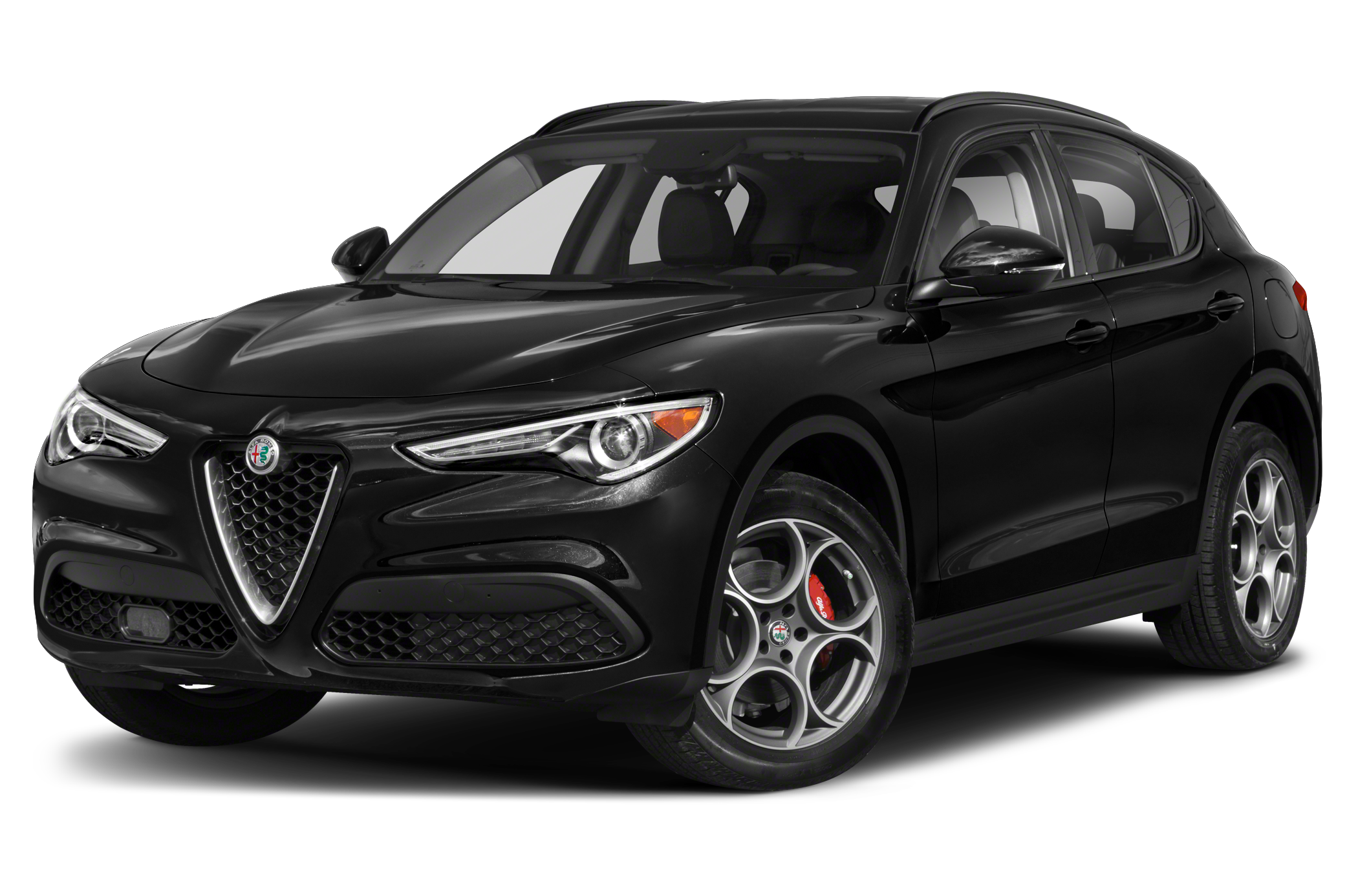
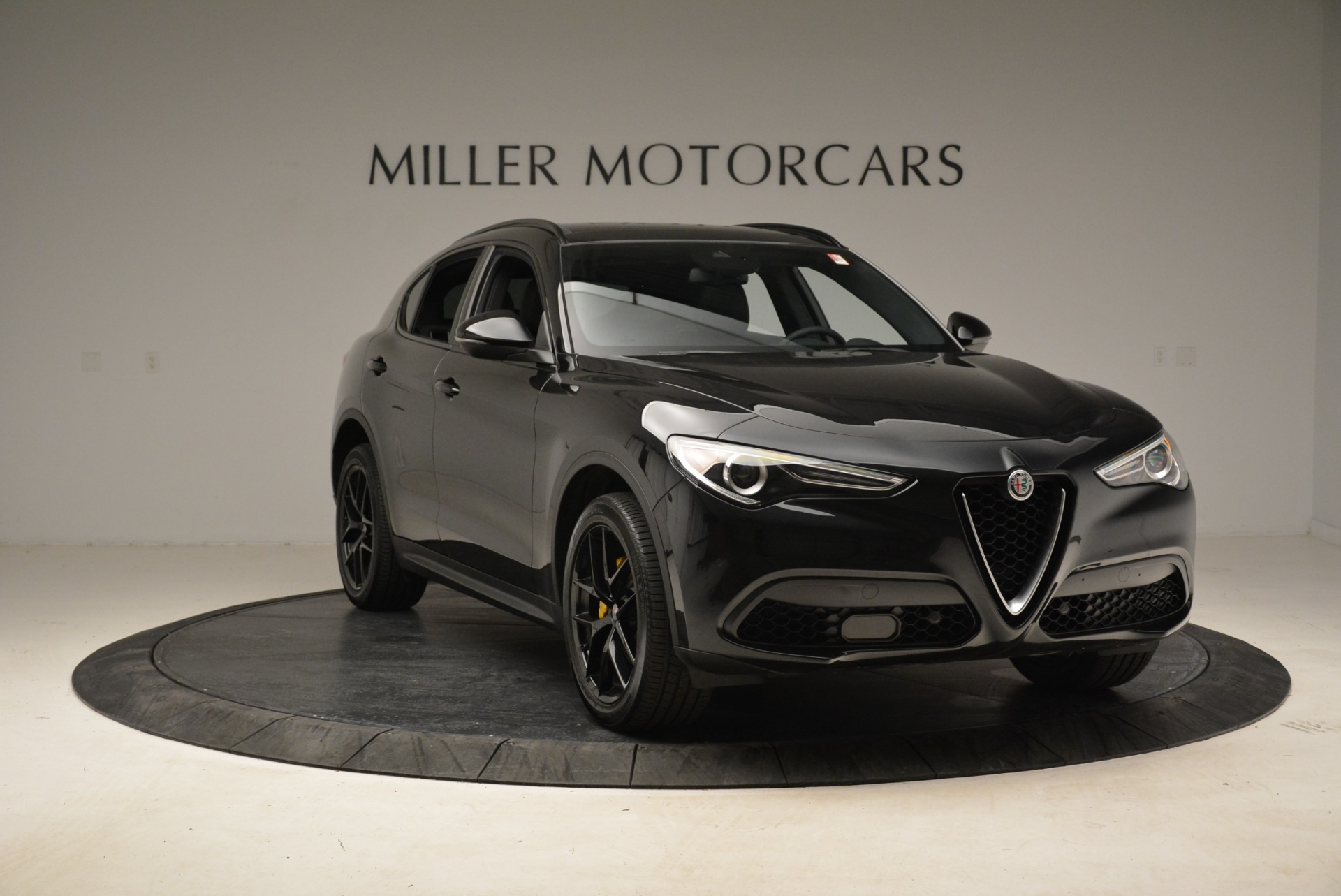
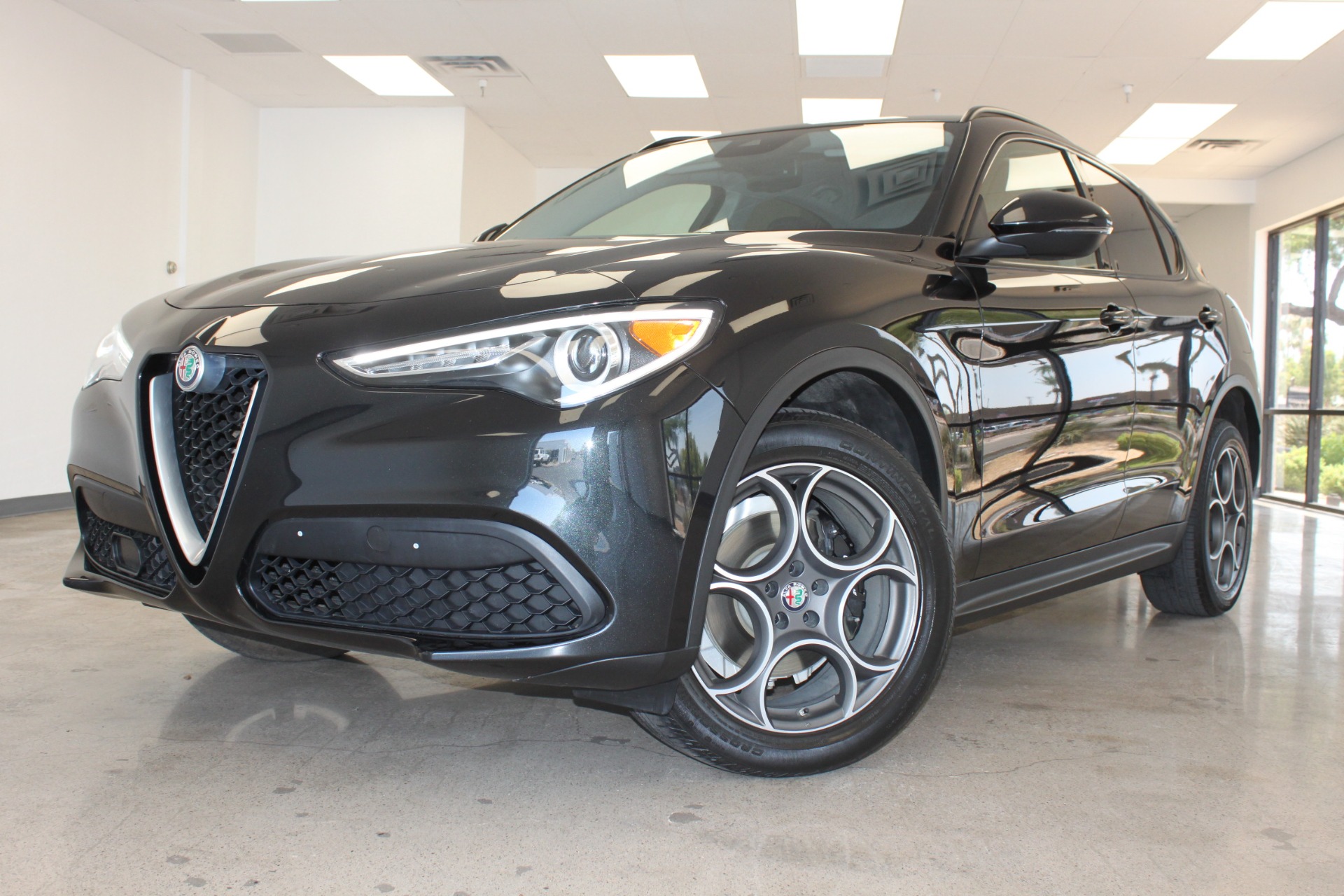
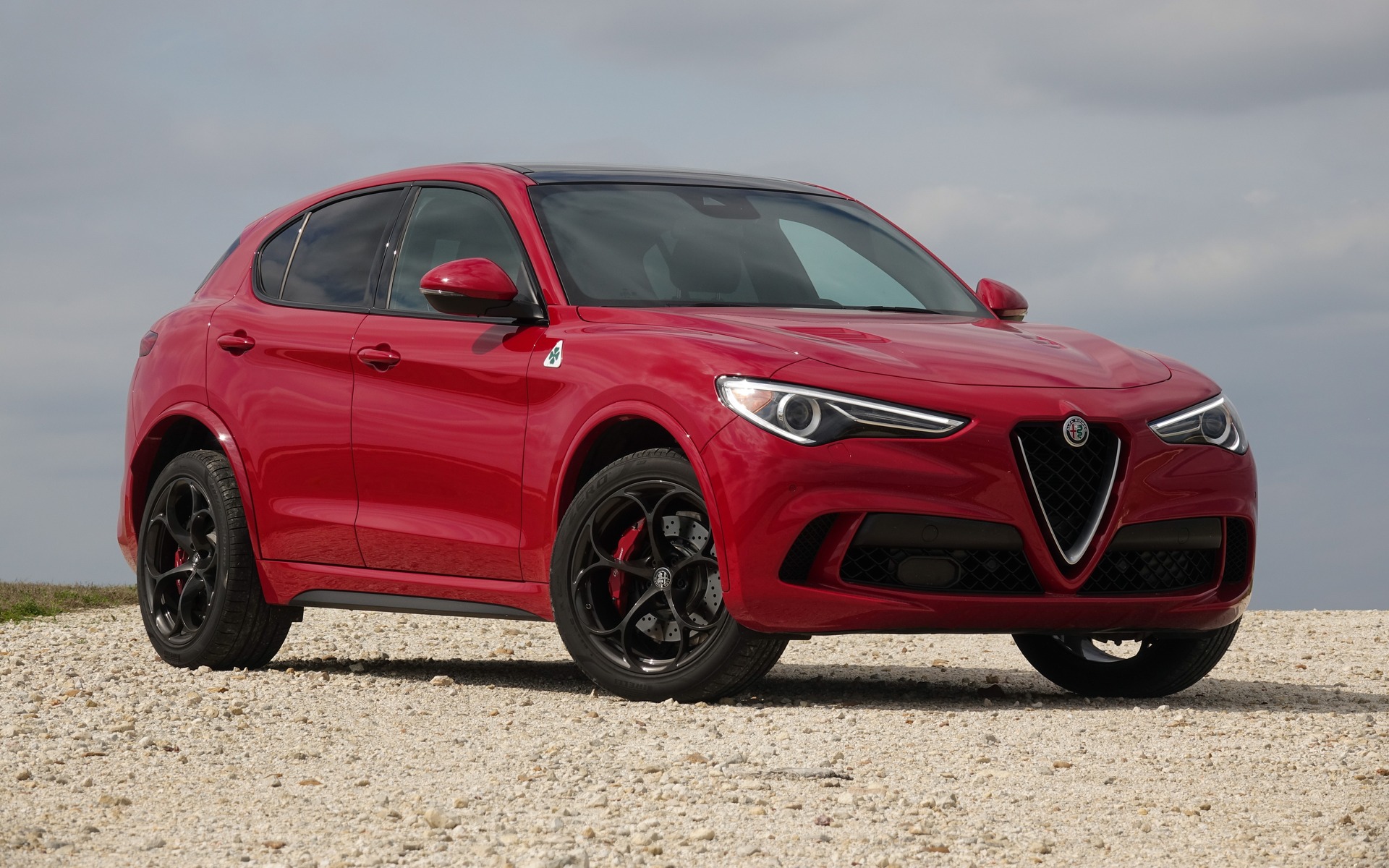
The exterior design of the 2018 Alfa Romeo Stelvio Sport is arguably its most compelling selling point. While many compact luxury crossovers opt for a generic, boxy silhouette to maximize cargo capacity, the Stelvio prioritizes Italian aesthetic principles, featuring fluid lines, a muscular rear haunch, and the unmistakable Trilobo grille flanked by sleek headlamp clusters.
The Sport package builds upon this foundation with specific exterior enhancements designed to give the crossover a more aggressive, road-hugging stance. Key exterior features of the Sport trim include:
- Painted Body Kits: Unlike the base model, which features unpainted black plastic cladding around the wheel arches and lower bumpers, the Sport trim features body-colored wheel flares and side skirts, giving it a more cohesive, premium look.
- Distinct Wheel Options: The Sport trim typically upgrades the standard wheel footprint to larger alloy designs, such as 19-inch or 20-inch dark 5-hole or turbine-style wheels, wrapped in performance-oriented all-season tires.
- Gloss Black Window Surrounds: Replacing the standard chrome trim with dark gloss window surrounds enhances the vehicle's sporty character.
- Aluminum Roof Rails and Sport Exhaust Tips: These subtle touches hint at the vehicle’s performance pedigree, complemented by aluminum brake calipers (often available in contrasting colors like red or yellow).
Despite these styling successes, the design compromises some interior packaging. The sloping roofline and high beltline, while visually striking, eat into rear-seat headroom and cargo versatility compared to boxier competitors.
Powertrain, Performance, and Drivetrain Dynamics
Beneath the sculpted hood of the 2018 Alfa Romeo Stelvio Sport lies a potent, enthusiast-focused powertrain that separates it from many of its mundane competitors.
Engine Specifications
The standard engine for the non-Quadrifoglio Stelvio models is a 2.0-liter turbocharged inline-4 cylinder engine. It produces a competitive 280 horsepower at 5,200 rpm and 306 lb-ft of torque starting at a low 2,000 rpm. This engine utilizes direct injection and a twin-scroll turbocharger to minimize turbo lag and deliver robust mid-range acceleration.
Transmission and All-Wheel-Drive System
Power is routed through a ZF 8-speed automatic transmission. Widely regarded as one of the best automatic gearboxes in the automotive industry, the ZF unit delivers rapid, crisp shifts during aggressive driving while remaining smooth and seamless during highway cruising. Steering-wheel-mounted, aluminum paddle shifters—reminiscent of those found in Ferrari models—allow the driver to take manual control of gear selection.
The Stelvio Sport utilizes Alfa Romeo’s Q4 all-wheel-drive (AWD) system. In normal driving conditions, the system sends 100% of the engine's torque to the rear wheels to preserve classic rear-drive handling dynamics. However, when the system detects slippage, or when the driver demands maximum traction, it can instantly transfer up to 50% of the torque to the front axle within milliseconds.
Driving Dynamics
On the road, the Stelvio Sport shines. It features a class-leading quick steering rack (12.0:1 ratio), making the front end feel exceptionally dartier and more responsive than a BMW X3 or Audi Q5. The chassis, sharing the Giorgio platform with the Giulia sedan, maintains flat cornering behavior and minimal body roll. However, this handling prowess comes at the expense of ride comfort; the Sport suspension tuning is stiff, and road imperfections, potholes, and expansion joints are readily transmitted into the cabin, particularly when equipped with 20-inch wheels.
Interior Cabin, Comfort, and Technology
Stepping inside the 2018 Alfa Romeo Stelvio Sport reveals a driver-centric cockpit that emphasizes style, though material quality and technological integration draw mixed reviews from automotive critics and owners alike.
Cabin Materials and Ergonomics
The driver's environment is anchored by a thick-rimmed steering wheel featuring an integrated, tactile push-button engine start switch. The front seats offer strong lateral bolstering to hold occupants in place during spirited cornering, and the Sport package adds aluminum sport pedals and a unique sport steering wheel.
However, while high-touch areas feature soft-touch plastics and genuine leather, lower dashboard areas and certain switchgear reveal cost-cutting measures that lag behind German rivals like Audi and Mercedes-Benz. Rear seat legroom is adequate for adults, but the sloping roofline limits vertical space for taller passengers.
Infotainment System and Electronics
Technology was a notable weak point for the initial 2018 model year. The Stelvio utilizes a standard 6.5-inch or an upgraded 8.8-inch widescreen infotainment display embedded within the dashboard.
- Interface: The rotary dial controller on the center console operates the software. While functional once mastered, the user interface can feel dated and less intuitive than touchscreen competitors.
- Connectivity: Apple CarPlay and Android Auto integration became widely available or retrofittable for the 2018 model year, but early production units may require software updates at a dealership to support smartphone mirroring.
- Audio: Standard audio setups can sound flat, making the optional 900-watt, 14-speaker Harman Kardon premium audio system a highly sought-after feature for audiophiles.
Practicality and Cargo Specifications
As a crossover, the Stelvio must balance driving dynamics with utility. Its cargo capacity is competitive with compact luxury utility vehicles, though packaging constraints limit absolute volume.
| Feature / Specification | 2018 Alfa Romeo Stelvio Sport Dimension / Detail |
|---|---|
| Engine Type | 2.0L Turbocharged Inline-4 |
| Horsepower | 280 hp @ 5,200 rpm |
| Torque | 306 lb-ft @ 2,000 rpm |
| Transmission | 8-speed automatic with paddle shifters |
| Drivetrain | Q4 All-Wheel Drive (AWD) |
| Cargo Capacity (Seats Up) | 18.5 cubic feet |
| Cargo Capacity (Seats Folded) | 56.5 cubic feet |
| Fuel Economy (EPA City/Hwy/Comb) | 22 / 28 / 24 mpg |
| Towing Capacity | 3,000 lbs (when properly equipped) |
Cargo volume behind the rear seats measures 18.5 cubic feet. Folding the 40/20/40 split-folding rear seats flat expands the cargo hold to 56.5 cubic feet. While these figures trail boxier competitors like the Volvo XC60 or Acura RDX, the space is neatly shaped and capable of handling weekly grocery hauls, luggage for a weekend trip, or bulky recreational gear.
Reliability, Maintenance, and Common Ownership Issues
When purchasing or evaluating a used 2018 Alfa Romeo Stelvio Sport, reliability and maintenance considerations are paramount. Italian luxury vehicles carry a reputation for electrical gremlins and high maintenance costs, and early-model Stelvios require careful inspection.
Electrical and Software Gremlins
Because the 2018 model year was the inaugural production run for the Stelvio, it suffered from early adopter software glitches. Common reported issues include:
- Random warning lights illuminating on the instrument cluster (often triggered by low battery voltage).
- Infotainment screen freezing or rebooting spontaneously.
- Backup camera hesitation or failure.
Many of these issues can be mitigated by ensuring all factory software recalls and technical service bulletins (TSBs) have been performed, and by replacing aging 12-volt batteries proactively, as the Stelvio’s complex electrical architecture is notoriously sensitive to voltage drops.
Mechanical Maintenance
The 2.0-liter turbocharged engine has proven generally robust, but owners must adhere strictly to maintenance schedules:
- Oil Changes: Use only factory-specified synthetic oil and high-quality filters at shortened intervals (every 5,000 to 7,500 miles) to protect the turbocharger and MultiAir valve actuation system.
- Brakes: The brake-by-wire system provides exceptional pedal feel, but replacement pads and rotors can be expensive, and rear brake wear can occur quickly if traction control systems are frequently activated.
- Cooling and Hoses: Inspect coolant levels and plastic coolant lines regularly for leaks, as thermal cycling in the engine bay can make lines brittle over time.
Buying a Used 2018 Stelvio Sport: What to Look For
Purchasing a pre-owned 2018 model requires diligence. Because depreciation on Italian luxury vehicles can be steep, many Stelvios trade at attractive price points on the used market. However, a low purchase price does not insulate an owner from luxury-tier repair bills.
Inspection Checklist for Buyers
- Vehicle History Report: Run a comprehensive Carfax or AutoCheck report to verify maintenance history, confirm clean title status, and check for accident involvement.
- Recall Verification: Check the vehicle identification number (VIN) against official databases (such as the NHTSA portal) to ensure all safety recalls—pertaining to things like cruise control, brake bleeding, or fuel systems—have been completed by an authorized dealer.
- Pre-Purchase Inspection (PPI): Have the vehicle inspected by an independent mechanic who specializes in Italian or European vehicles. They should put the car on a lift to check for suspension wear, fluid leaks from the transfer case or differential, and subframe condition.
- Battery Health Test: Verify the health of the battery. A failing battery causes a cascade of false electronic error codes in Alfa Romeo models.
Frequently Asked Questions
Is the 2018 Alfa Romeo Stelvio Sport reliable?
The 2018 Stelvio has mixed reliability ratings. While the mechanical engine and transmission core are generally solid, early production models are prone to electrical gremlins, software glitches, and sensor faults. Strict adherence to maintenance and verified completion of recalls significantly improve ownership reliability.
What is the difference between the Stelvio base, Sport, and Ti trims?
The base model features unpainted exterior plastic cladding and standard wheels. The Sport trim adds body-colored exterior accents, larger alloy wheels, aluminum pedals, and distinct interior trim. The Ti (Turismo Internazionale) focuses on luxury amenities like upgraded leather, larger infotainment screens, and heated seats, while Sport and Ti packages can often be combined (Ti Sport).
Does the 2018 Stelvio Sport require premium fuel?
Yes. To achieve its rated 280 horsepower and prevent engine knock under boost, the 2.0-liter turbocharged engine requires premium unleaded gasoline (91 octane or higher).
How does the Stelvio Sport handle in snow and winter weather?
Equipped with the Q4 all-wheel-drive system, the Stelvio Sport performs well in winter conditions when paired with a quality set of dedicated winter tires. Its rear-bias nature allows for controlled handling, though its low ground clearance and stiff suspension mean it is tailored more for plowed roads and snowy mountain passes than off-road trail driving.
What are the main alternatives to the 2018 Alfa Romeo Stelvio Sport?
Primary competitors in the compact luxury crossover segment include the BMW X3 (offering similar driving dynamics), the Audi Q5 (known for interior tech and comfort), the Mercedes-Benz GLC (focusing on plush luxury), and the Porsche Macan (sharing a similar sports-car-first ethos at a higher price point).
Conclusion and Final Recommendation
The 2018 Alfa Romeo Stelvio Sport is an emotional purchase disguised as a practical utility vehicle. It rewards drivers who prioritize steering feedback, agile handling, and striking Italian styling over the appliance-like conformity of its rivals. However, potential buyers must accept the realities of owning an early-production European luxury crossover: higher maintenance costs, a firm ride, and a complex electrical architecture.
For the enthusiast buyer willing to budget for meticulous maintenance and a thorough pre-purchase inspection, a well-maintained 2018 Stelvio Sport offers distinctive driving pleasure and standout curb appeal at a fraction of its original sticker price.