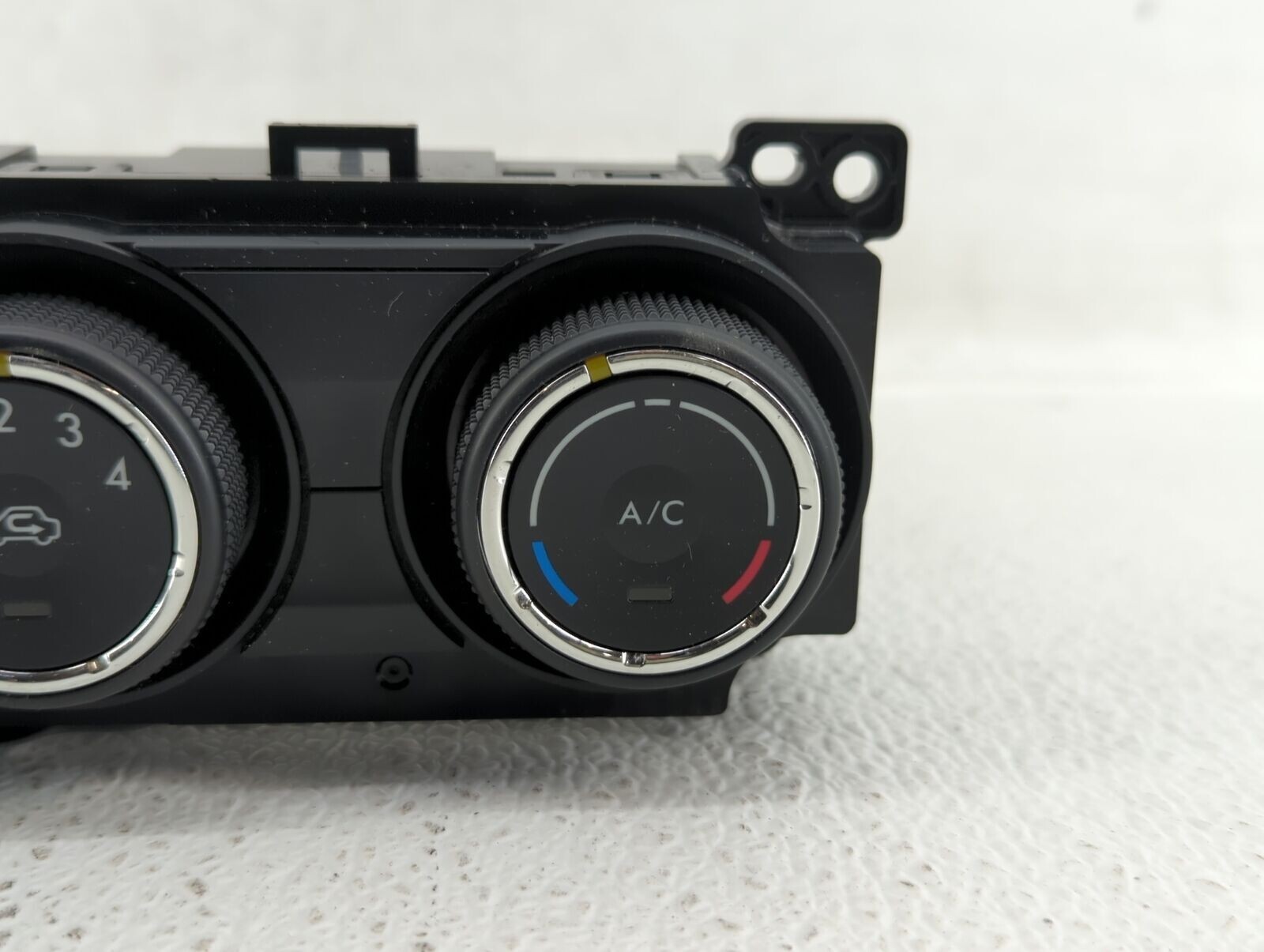
The 2015 Subaru Forester frequently experiences air conditioning failures caused primarily by a defective AC condenser or a failing AC compressor clutch. Many of these issues are addressed by Subaru Technical Service Bulletins (TSBs) and extended warranty programs, often providing coverage for up to 10 years regardless of mileage for specific condenser-related leaks.
Understanding the 2015 Subaru Forester AC System
To effectively troubleshoot the air conditioning in a 2015 Subaru Forester, it is essential to understand the hardware involved. The Forester uses a standard vapor-compression refrigeration cycle. The main components include the compressor (the "heart" of the system), the condenser (located in front of the radiator), the expansion valve, and the evaporator (located inside the dashboard).
In 2015 models, Subaru utilized R-134a refrigerant. While later Subaru models transitioned to the more environmentally friendly but significantly more expensive R-1234yf, the 2015 version remains relatively affordable to recharge. However, a "recharge" is rarely a permanent fix; if the refrigerant is low, there is a physical leak that must be addressed.
The 2015 model year sits within the fourth generation (SJ) of the Forester, a period where Subaru faced significant scrutiny regarding the durability of its climate control components. Owners often report that the system works perfectly one day and blows ambient-temperature air the next, a symptom usually tied to either a loss of system pressure or a mechanical failure of the compressor clutch.
The AC Condenser: The Most Common Failure Point
The most documented issue with the 2015 Subaru Forester is a leaking AC condenser. The condenser is a heat exchanger that sits at the very front of the vehicle’s engine bay, directly behind the grille. Its job is to dissipate heat from the high-pressure refrigerant, turning it from a gas back into a liquid.
The Source of the Defect
Subaru identified that the original condensers installed in 2014–2016 Foresters were prone to developing microscopic cracks or pinhole leaks. These leaks typically occur at the points where the cooling fins meet the refrigerant tubes. Because the condenser is exposed to the elements, road salt, moisture, and debris can accelerate corrosion on these thin aluminum walls.
Subaru TSB 10-84-16R and Warranty Extension
Recognizing the widespread nature of this failure, Subaru issued Technical Service Bulletin (TSB) 10-84-16R. This bulletin outlines the replacement procedure using an updated, more durable condenser part number. Furthermore, Subaru of America issued a warranty extension for this specific component. As of 2026, many 2015 Foresters are reaching the end of this 10-year coverage window, making it imperative for owners to verify their vehicle’s status via a VIN search on the Subaru Composition or through an authorized dealer.
AC Compressor and Clutch Failures
If the condenser is not the culprit, the AC compressor is the next likely candidate. In the 2015 Forester, the compressor is driven by the engine's serpentine belt. It uses an electromagnetic clutch to engage and disengage the pump.
The "Air Gap" Issue
A frequent mechanical problem involves the compressor clutch. Over time, the friction plate on the clutch wears down, increasing the "air gap" between the plate and the pulley. When this gap becomes too wide, the electromagnet can no longer pull the plate in to engage the compressor, especially when the engine bay is hot.
Owners often notice this when the AC works fine for the first ten minutes of a drive but stops blowing cold air after the vehicle reaches operating temperature. A temporary "pro-tip" fix among Subaru enthusiasts involves removing a small shim (washer) from behind the clutch plate to narrow the gap, though this is often a precursor to a total compressor replacement.
Internal Mechanical Failure
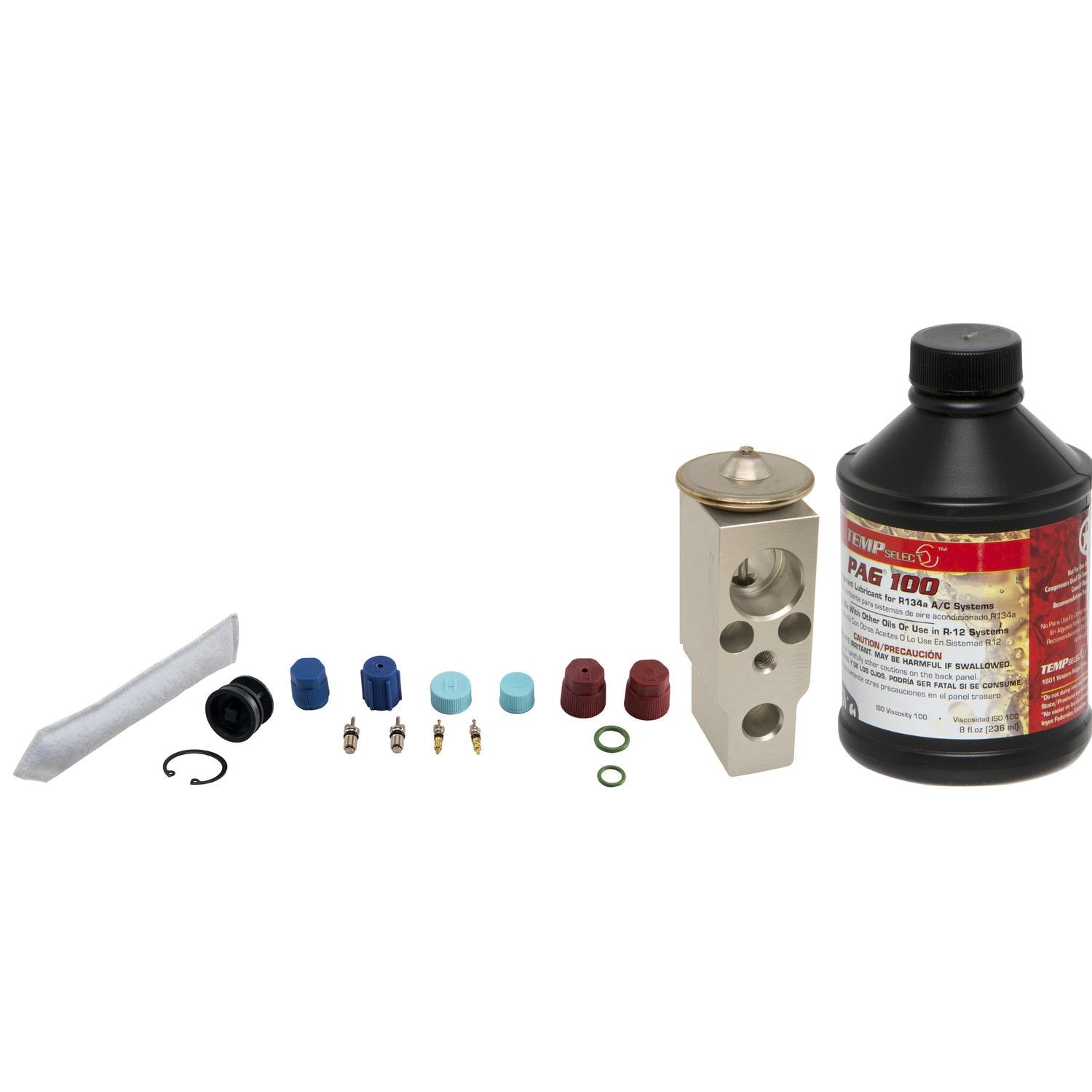
Internal failures are less common but more catastrophic. If the compressor "seizes," it can shed metallic debris throughout the entire AC system. This requires a "full system flush" and the replacement of the expansion valve and receiver drier to prevent the new compressor from being destroyed by old debris. TSB 10-100-20 provides guidance for technicians regarding compressor diagnostics for these specific model years.
Secondary Causes of AC Failure
While the condenser and compressor dominate the statistics, other components can and do fail in a decade-old vehicle.
1. Refrigerant O-Rings and Seals
The AC system is a sealed loop, but it uses rubber O-rings at every connection point (where lines enter the compressor, condenser, and firewall). Over time, these rubber rings can dry out and shrink, leading to "slow leaks." These are often difficult to find without UV dye. A common leak point on the 2015 Forester is the O-ring on the top of the compressor where the high-pressure and low-pressure lines attach.
2. The Evaporator Core
The evaporator is located inside the HVAC box under the dashboard. It is the component that actually cools the air before it enters the cabin. While less prone to road debris than the condenser, it can develop leaks due to internal corrosion or "galvanic action." Replacing an evaporator core is the most expensive labor task in the AC system because it requires the complete removal of the dashboard and steering column support.
3. Electrical Relays and Fuses
Before assuming a mechanical failure, technicians always check the AC Relay. Located in the engine bay fuse box, this relay sends power to the compressor clutch. If the relay's internal contacts burn out, the compressor will never engage. This is a $15–$25 part and is the first thing a DIYer should check if the compressor isn't spinning.
Comparison of Common 2015 Forester AC Issues
| Component | Common Symptom | Primary Cause | Estimated Repair Cost (2026) |
|---|---|---|---|
| AC Condenser | Gradual loss of cooling; visible oil on fins | Pinhole leaks/Corrosion | $500–$800 (May be covered by TSB) |
| AC Compressor | AC stops when engine is hot; clicking sounds | Clutch air gap or internal seizure | $800–$1,400 |
| O-Rings/Seals | Very slow leak (weeks/months) | Rubber degradation | $150–$300 |
| AC Relay | Compressor never engages | Electrical contact failure | $50–$100 (installed) |
| Evaporator Core | Refrigerant smell in cabin; no cooling | Internal corrosion | $1,200–$2,000 |
Diagnostic Procedures for Owners and Technicians
If your 2015 Forester is blowing warm air, the diagnosis should follow a logical progression to avoid unnecessary parts replacement.
Visual Inspection
Look for "wet" spots on the AC lines or the condenser. Refrigerant contains a small amount of PAG oil. When refrigerant leaks out, the oil stays behind, attracting dust and creating a dark, greasy smudge. Focus your inspection on the bottom corners of the condenser and the top of the compressor.
The Clutch Engagement Test
With the engine running and the AC set to "Max Cold," look at the front of the AC compressor. The outer pulley will always be spinning with the belt, but the center "face" (the clutch) should also be spinning. If the center is stationary, the system is either too low on pressure to engage or the clutch/relay has failed.
Manifold Gauge Testing
A technician will hook up a manifold gauge set to the high-side and low-side service ports.
- Low Pressure on both sides: Indicates a leak (likely condenser or O-rings).
- High Low-Side / Low High-Side: Indicates a failing compressor that can no longer pump effectively.
- Rapid Fluctuations: Suggests a blockage in the expansion valve or moisture in the system.
DIY Maintenance and Prevention
While many 2015 Forester AC problems are structural (defective parts), proper maintenance can extend the life of the remaining components.
- Cabin Air Filter Replacement: A clogged cabin air filter restricts airflow across the evaporator. This causes the evaporator to get too cold, potentially freezing the condensation on it and stressing the compressor. Replace this filter every 12,000 to 15,000 miles.
- Run the AC in Winter: Most modern cars do this automatically when the "Defrost" mode is selected. Running the AC circulates the PAG oil, which keeps the rubber seals and O-rings lubricated, preventing them from drying out and leaking.
- Grille Cleaning: Ensure the front condenser is free of leaves and large bugs. Debris trapped against the condenser can hold moisture and salt, accelerating the corrosion mentioned in Subaru’s TSBs.
FAQ: Frequently Asked Questions
Is there a recall for the 2015 Subaru Forester AC?
Technically, there was no mandatory safety recall, but there was a Warranty Extension and multiple Technical Service Bulletins. A recall is usually reserved for safety issues (like brakes or airbags), whereas AC failure is considered a "comfort" or "reliability" issue. Subaru extended the warranty on the condenser to 10 years/unlimited miles for many 2015 models because the failure rate was so high.
Why does my AC only blow cold air when I'm driving fast?
This is a classic symptom of a failing condenser fan or a partially clogged condenser. When you are driving fast, ram air is forced through the condenser, cooling the refrigerant. At a stop, the electric fans must do this work. If the fans aren't pulling enough air, or if the condenser fins are too corroded to transfer heat, the high-side pressure will skyrocket, and the system will stop cooling to protect itself.
Can I just use a "leak stop" pressurized can from a retail store?
Professional mechanics strongly advise against using "leak stop" products in a Subaru. These chemicals react with moisture and oxygen to form a hard sealant. While they might temporarily plug a pinhole leak in the condenser, they can also gum up the expansion valve and the internal components of the compressor, turning a $600 repair into a $2,000 repair. Always fix leaks mechanically.
How much refrigerant does the 2015 Forester hold?
The system capacity is typically around 17.0 to 18.0 ounces (0.5 kg) of R-134a. Because the system is small, even a loss of 3 or 4 ounces can result in a significant drop in cooling performance. Precision is key during a recharge; overcharging can be just as damaging to the compressor as undercharging.
Why does my AC smell like vinegar or mold?
This is usually caused by bacteria growth on the evaporator core. Condensation builds up on the evaporator during use; if that moisture doesn't drain out of the "evaporator drain tube" (located under the car), it becomes a breeding ground for mold. Ensure your drain tube isn't clogged and consider using an automotive HVAC disinfectant foam.
Final Recommendations for 2015 Forester Owners
If you are experiencing AC issues in 2026, your first step should be to verify your warranty status. Even though the vehicle is 11 years old, some extended coverages or "Goodwill" repairs from Subaru may still apply if the vehicle has a low-mileage history or if the failure matches a known TSB exactly.
If you are out of warranty, prioritize the condenser and compressor clutch as the most likely culprits. Avoid "death kits" (cheap DIY recharge cans with sealants) and instead opt for a professional vacuum and recharge after replacing the failed hardware. Fixing the leak properly ensures that the system remains efficient and protects the expensive compressor from premature wear.