Selecting the proper tire size for a 2015 GMC Acadia ensures optimal handling, braking performance, fuel efficiency, and overall safety on the road. Factory tire configurations for this model year typically range from 18-inch to 20-inch wheels, depending on the specific trim level such as the SLE, SLT, or Denali. Maintaining correct tire dimensions, load indexes, and speed ratings protects the suspension system and prevents electronic stability control issues.
Understanding the 2015 GMC Acadia Factory Tire Setup
The 2015 GMC Acadia is a large crossover SUV designed to carry up to eight passengers while towing light to medium loads. Because of its weight distribution, long wheelbase, and available all-wheel-drive (AWD) systems, General Motors engineered specific factory tire dimensions to balance ride comfort, load-carrying capability, and cornering stability.
When replacing the tires on a 2015 GMC Acadia, owners must reference the original equipment manufacturer (OEM) specifications found on the tire placard located on the driver-side door jamb. Relying solely on the side wall of an existing tire can lead to errors if a previous owner installed a non-standard size. The factory specifications dictate not just the physical dimensions of the tire, but also the structural integrity required to support the vehicle's gross vehicle weight rating (GVWR).
Trim Levels and Factory Wheel Options
Different trim levels of the 2015 GMC Acadia came equipped with distinct wheel diameters. Understanding which wheels your vehicle has determines the correct replacement tire size:
- SLE and SLT-1 Trims: These models typically rolled off the assembly line with 18-inch aluminum wheels. The standard factory tire size for these setups prioritizes a slightly taller sidewall for enhanced ride comfort over rough pavement.
- SLT-2 and Denali Trims: Higher-end trims frequently featured larger 20-inch chrome or machined aluminum wheels. These lower-profile setups offer sharper steering response and a more aggressive visual stance, though they require tires with a shorter sidewall and a wider contact patch.
Detailed Breakdown of 2015 GMC Acadia Tire Sizes
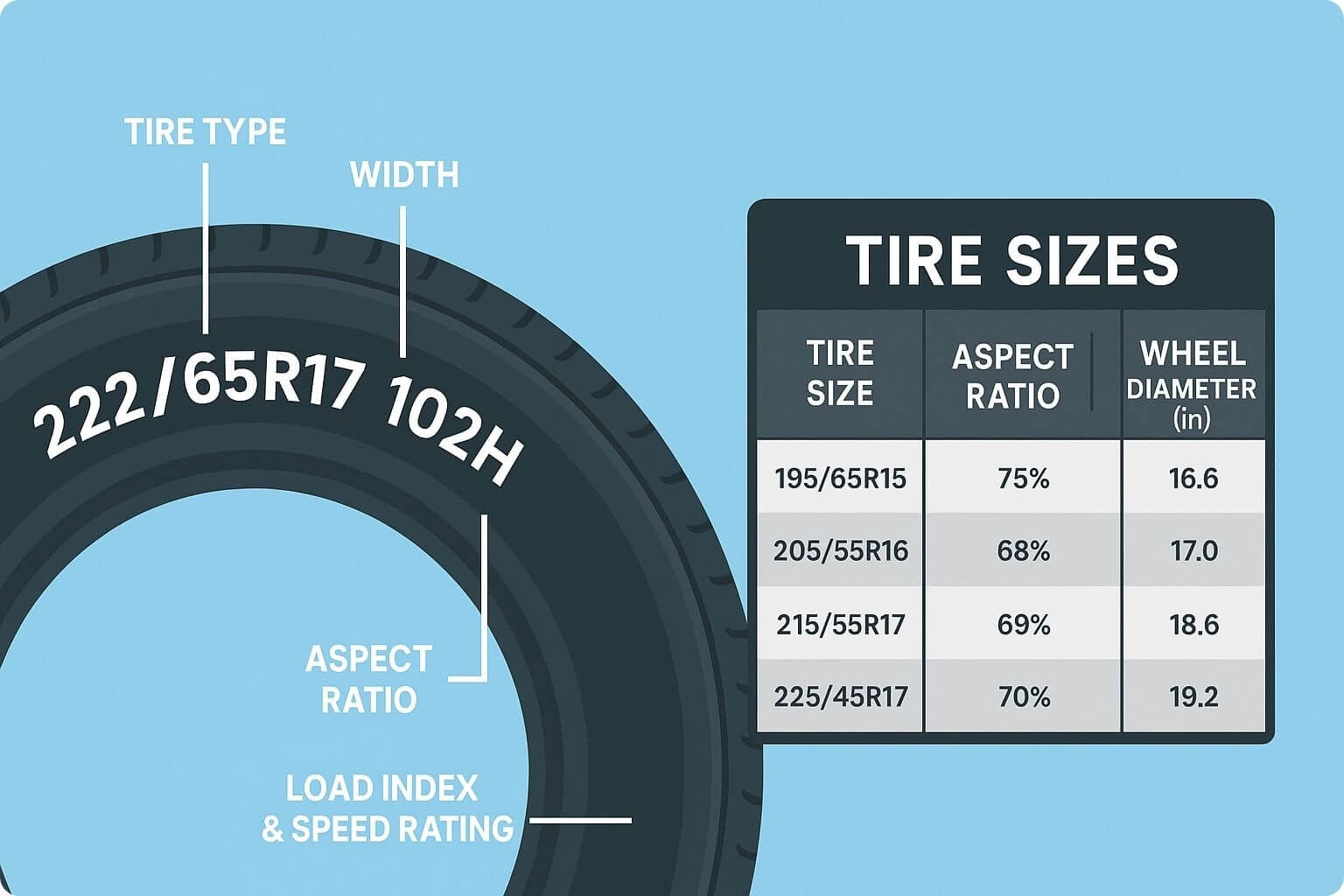
Factory tire specifications are expressed in a standardized metric format, such as P245/65R18 or P255/55R20. Each component of this alphanumeric string conveys vital data about the tire's width, aspect ratio, construction type, and wheel diameter.
Standard 18-Inch Tire Specification
For 2015 GMC Acadia models equipped with 18-inch wheels, the standard factory size is:
- Tire Size: P245/65R18
- Section Width: 245 millimeters
- Aspect Ratio: 65 (meaning the sidewall height is 65% of the section width)
- Construction: R (Radial)
- Wheel Diameter: 18 inches
This dimension provides a comfortable ride quality and absorbs minor road imperfections effectively. It is commonly paired with all-season tread patterns designed to handle dry, wet, and light winter conditions.
Standard 20-Inch Tire Specification
For models outfitted with 20-inch wheels, the standard factory size is:
- Tire Size: P255/55R20
- Section Width: 255 millimeters
- Aspect Ratio: 55 (sidewall height is 55% of the section width)
- Construction: R (Radial)
- Wheel Diameter: 20 inches
This wider contact patch enhances lateral grip during cornering. However, the shorter sidewall transmits slightly more road feedback into the cabin compared to the 18-inch variant.
2015 GMC Acadia OEM Tire Specifications Reference
| Trim Level | Factory Wheel Size | OEM Tire Size | Load Index / Speed Rating | Typical Application |
|---|---|---|---|---|
| SLE / SLT-1 | 18 x 7.5-inch | P245/65R18 | 107T or 107H | Standard All-Season |
| SLT-2 / Denali | 20 x 7.5-inch | P255/55R20 | 107H or 107V | Touring / All-Season |
Load Index and Speed Rating Requirements
Beyond physical dimensions, replacement tires for the 2015 GMC Acadia must meet or exceed the original load index and speed rating established by General Motors. Ignoring these metrics can compromise safety, particularly when carrying heavy cargo or towing a trailer.
- Load Index: The 2015 GMC Acadia typically requires a load index of 107, which means each individual tire can safely support up to 2,149 pounds (975 kg) when inflated to its maximum allowable pressure. Installing tires with a lower load index can lead to structural tire failure under heavy loads.
- Speed Rating: Factory tires for this vehicle generally feature an H rating (up to 130 mph) or a V rating (up to 149 mph). While public highway speeds rarely approach these limits, the speed rating also correlates with the stiffness of the tire's internal carcass, which directly influences handling stability and heat dissipation during long road trips.
Alternative Sizes and Plus-Sizing Considerations
Some owners consider modifying their tire dimensions for aesthetic reasons, improved winter traction, or off-road capability. While alternative sizes can physically mount on factory wheels, deviations from OEM specifications carry notable operational trade-offs.
Upgrading from 18-Inch to 20-Inch Wheels
If you are upgrading an SLE or SLT-1 model from 18-inch wheels to factory-spec 20-inch wheels, you must simultaneously transition to the matching P255/55R20 tire size. Failing to adjust the tire size alongside the wheel diameter will alter your speedometer and odometer calibrations, leading to inaccurate readings of your vehicle's speed and mileage. Furthermore, modern electronic stability control and anti-lock braking systems (ABS) rely on precise wheel speed calculations derived from rolling circumferences; drastic changes can trigger diagnostic trouble codes or degrade system responsiveness.
All-Terrain and Winter Tire Alternatives
Drivers living in regions with heavy snowfall often look for narrower winter tires to cut through deep snow more effectively. However, deviating significantly from the overall rolling diameter—keeping within a 3% variance of the original specification—is critical to prevent rubbing against inner wheel wells, suspension components, or brake lines during sharp turns. Always consult a certified professional before installing non-standard tire dimensions on an AWD Acadia to protect the transfer case and differential components from excessive wear caused by mismatched wheel speeds.
Importance of Tire Maintenance and Rotation
Maintaining correct tire pressure and rotation schedules on a heavy crossover like the 2015 GMC Acadia prevents premature tread wear and maintains safe stopping distances. Front-wheel-drive (FWD) and all-wheel-drive (AWD) variants wear their front tires faster due to steering and driving forces.
- Tire Rotation Interval: Rotate your tires every 5,000 to 7,500 miles to promote even wear across all four corners.
- Tire Pressure Monitoring System (TPMS): The 2015 GMC Acadia utilizes a direct TPMS system. Factory cold tire inflation pressure typically ranges between 35 PSI for standard loads. Always verify the placard on your specific vehicle door jamb before inflating.
- All-Wheel Drive Considerations: For AWD models, maintaining identical tread depth across all four tires is vital. Excessive differences in rolling circumference between the front and rear axles can cause the AWD transfer case to overheat or experience mechanical binding. If one tire suffers irreparable damage, replacing all four or shaving a new tire to match the remaining tread depth may be necessary depending on current wear levels.
Frequently Asked Questions
Can I put 20-inch tires on my 2015 GMC Acadia if it came with 18-inch wheels?
You can install 20-inch wheels and tires on your Acadia, but you must replace the wheels entirely to match the 20-inch diameter. You cannot mount a 20-inch tire onto an 18-inch wheel. Additionally, ensure the overall rolling diameter remains consistent with factory specifications to prevent speedometer inaccuracies.
What is the correct tire pressure for a 2015 GMC Acadia?
The recommended cold tire pressure for a 2015 GMC Acadia is typically 35 PSI for both front and rear tires. However, you should always check the white and yellow certification label on the driver-side door post of your specific vehicle to confirm the exact manufacturer recommendation.
Are P-metric and LT-metric tires interchangeable on this vehicle?
The 2015 GMC Acadia is designed for passenger-type (P-metric) or standard metric tires. Light truck (LT) tires feature much stiffer sidewalls and higher weight capacities, which are unnecessary for a crossover SUV and will result in an excessively harsh, stiff ride quality.
How often should I replace the tires on my 2015 GMC Acadia?
Most sets of quality all-season tires last between 45,000 and 65,000 miles, depending on driving habits, road conditions, and maintenance routines. Regardless of mileage, inspect your tires annually once they cross the five-year mark for signs of dry rot, cracking, or tread depth falling below 2/32 of an inch.
Next Actions for Replacing Your Acadia Tires
Begin by inspecting the placard on your driver-side door jamb to confirm your exact factory tire size and load requirements. Visit a trusted local tire retailer or certified service center to select a replacement tire matching your driving environment—whether you require long-lasting highway touring tires or specialized all-weather options. Ensure the technician performs a professional wheel alignment and dynamic balancing during installation to protect your new investment and maximize vehicle safety.