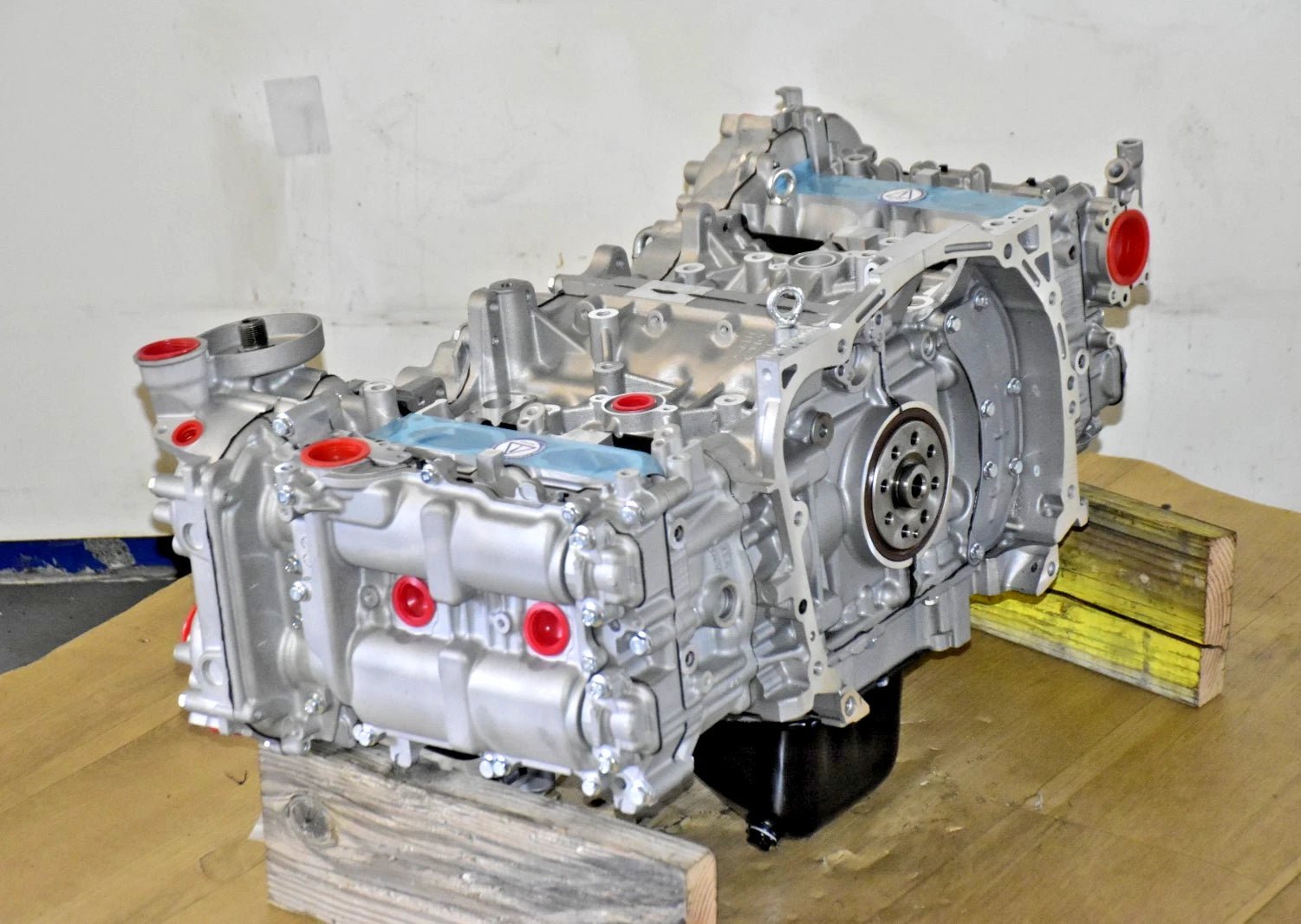
The 2015 Subaru Forester offers two distinct engine choices—a 2.5-liter naturally aspirated four-cylinder and a 2.0-liter turbocharged four-cylinder—with the primary trade-offs centering on fuel economy, daily driving smoothness, and long-term mechanical maintenance complexity versus immediate throttle responsiveness and towing capability.
Choosing a used compact crossover from the mid-2010s requires a clear understanding of what lies beneath the hood. When Subaru introduced the fourth-generation Forester for the 2014 model year and carried it forward into 2015, the automaker solidified a transition toward greater cabin space, improved continuously variable transmission (CVT) integration, and cleaner emissions. For buyers eyeing the 2015 model year, the engine bay is the defining battleground.
This guide breaks down the technical specifications, real-world performance metrics, recurring mechanical considerations, and ultimate trade-offs of the two engine options available in the 2015 Subaru Forester: the FB25 naturally aspirated boxer engine and the FA20 direct-injection turbocharged (DIT) boxer engine.
The 2015 Subaru Forester Lineup Context
The 2015 model year represented a maturing phase for the fourth-generation Forester. Subaru structured the trim levels around the two engine choices, ensuring distinct market positioning for budget-conscious commuters and performance-oriented outdoor enthusiasts alike.
The naturally aspirated 2.5-liter engine powers the 2.5i, 2.5i Premium, 2.5i Limited, and 2.5i Touring trims. Meanwhile, the turbocharged 2.0-liter engine is exclusive to the higher-performance 2.0XT Premium and 2.0XT Touring trims. Understanding how these powerplants operate within the symmetrical All-Wheel Drive (AWD) ecosystem is essential for determining which vehicle fits your lifestyle, driving habits, and maintenance tolerance.
Option 1: The 2.5L Naturally Aspirated Boxer (FB25)
The FB25 is the volume-seller engine for the 2015 Subaru Forester. As a naturally aspirated, 2.5-liter, dual-overhead-cam (DOHC) horizontally opposed four-cylinder engine, it relies on atmospheric pressure rather than forced induction to generate power.
Technical Specifications and Power Delivery
The FB25 puts out 170 horsepower at 5,800 RPM and 174 lb-ft of torque at 4,100 RPM. Power is distributed through either a 6-speed manual transmission (available strictly on the base 2.5i) or a Lineartronic Continuously Variable Transmission (CVT), which became standard equipment on all higher 2.5i trim levels.
Because it lacks a turbocharger, power delivery is linear and predictable. When you press the accelerator pedal, response is immediate, though acceleration curves are gradual. It does not push you back into your seat, but it provides adequate momentum for merging onto highways, navigating dense urban traffic, and cruising at highway speeds under normal loads.
Fuel Economy and Efficiency
One of the primary selling points of the FB25 engine paired with the CVT is its efficiency. The EPA rates the 2.5-liter CVT models at approximately 24 mpg city and 32 mpg highway (with combined figures hovering around 27 mpg). Owners who maintain light throttle inputs and utilize Subaru’s "Eco" drive mode can easily achieve or exceed these figures on long highway stretches, making it an economical choice for daily commuters.
Maintenance, Reliability, and Known Trade-Offs
Mechanically, the FB25 is simpler than its turbocharged counterpart, which translates to fewer components that can fail under high boost pressure. However, prospective buyers should note several well-documented characteristics of this generation of the FB25:
- Oil Consumption: Early variants of the FB-series engines (including certain 2015 models) gained notoriety for potential oil consumption issues due to piston ring design tolerances. While Subaru addressed this via technical service bulletins and warranty extensions for affected vehicles, checking service records for oil consumption tests is critical when evaluating a used 2015 model.
- Simpler Maintenance: With port fuel injection rather than direct injection, the FB25 is less susceptible to carbon buildup on the intake valves, reducing the need for costly walnut-shell blasting cleanings later in life.
- Towing Limitations: The naturally aspirated engine is rated to tow up to 1,500 pounds, making it suitable for small utility trailers or lightweight pop-up campers, but inadequate for heavier loads.
Option 2: The 2.0L Direct-Injection Turbocharged Boxer (FA20DIT)
For drivers seeking a sportier edge, the 2.0XT trims feature the FA20DIT engine. Derived from the engine architecture used in sports cars like the Subaru BRZ (though heavily modified with a twin-scroll turbocharger and direct fuel injection), this powerplant transforms the Forester's driving dynamics.
Technical Specifications and Power Delivery
The FA20DIT delivers 250 horsepower at 5,600 RPM and a stout 258 lb-ft of torque across a broad band from 2,000 to 4,800 RPM. This engine is paired exclusively with a high-torque variant of the Lineartronic CVT, which features steering-wheel-mounted paddle shifters and SI-Drive (Subaru Intelligent Drive) modes (Intelligent, Sport, and Sport Sharp).
The driving experience is drastically different from the 2.5i. Thanks to the twin-scroll turbocharger, turbo lag is minimal. Maximum torque kicks in early at just 2,000 RPM, giving the 2.0XT brisk acceleration that makes passing slower traffic effortless. In "Sport Sharp" mode, the CVT simulates stepped gear changes to mimic a traditional multi-speed automatic transmission, enhancing driver engagement.
Fuel Economy and Efficiency
Performance comes at a cost at the fuel pump. The FA20DIT is EPA-rated at 23 mpg city and 28 mpg highway (approximately 25 mpg combined). In real-world driving, especially if you regularly tap into the turbocharger's power reserves, fuel economy tends to drop noticeably below these EPA estimates. Furthermore, the 2.0XT requires premium 91-octane gasoline, adding to the long-term running costs compared to the FB25, which runs happily on regular 87-octane fuel.
Maintenance, Reliability, and Known Trade-Offs
The FA20DIT offers exhilarating performance, but it introduces greater mechanical complexity:
- Direct Injection Carbon Buildup: Because fuel is sprayed directly into the combustion chambers rather than washing over the back of the intake valves, carbon deposits can accumulate on the intake valves over time, eventually requiring professional cleaning.
- Turbocharger and Intercooler Complexity: Operating under high heat and boost pressures places additional thermal stress on engine oil and cooling components. Meticulous oil change intervals using high-quality synthetic oils are non-negotiable for longevity.
- Higher Operating Costs: Premium fuel requirements, stiffer suspension tuning on XT trims, and more expensive replacement parts increase the total cost of ownership.
- Towing Capacity: The 2.0XT bumps the maximum towing capacity up to 2,400 pounds, offering greater utility for small boats or camping trailers.
Side-by-Side Comparison: 2015 Forester Engines
To easily weigh your options, review the core technical and operational differences between the two 2015 Subaru Forester engine variants in the table below:
| Feature | 2.5L Naturally Aspirated (FB25) | 2.0L Turbocharged DIT (FA20DIT) |
|---|---|---|
| Horsepower | 170 hp @ 5,800 RPM | 250 hp @ 5,600 RPM |
| Torque | 174 lb-ft @ 4,100 RPM | 258 lb-ft @ 2,000–4,800 RPM |
| Induction | Naturally Aspirated | Twin-Scroll Turbocharged |
| Fuel Type | Regular Unleaded (87 Octane) | Premium Required (91+ Octane) |
| Fuel Economy (EPA) | 24 City / 32 Hwy / 27 Combined | 23 City / 28 Hwy / 25 Combined |
| Available Transmissions | 6-Speed Manual or CVT | High-Torque CVT with SI-Drive |
| Max Towing Capacity | 1,500 lbs | 2,400 lbs |
| Primary Advantage | Lower operating costs & simplicity | Superior acceleration & towing |
Common Buying Pitfalls and Inspection Tips
When shopping for a used 2015 Subaru Forester, looking past cosmetic appearance to examine engine health is paramount. Because both engines are boxer configurations—meaning the cylinders lie flat horizontally—certain maintenance procedures (like spark plug changes or head gasket inspections) require specific clearance tolerances.
- Verify Oil Consumption Records: Ask the seller or dealer for service records to confirm whether the vehicle underwent oil consumption testing or warranty repairs during its early life cycle. Keep a close eye on oil dipstick levels during routine post-purchase checks.
- Inspect CVT Operation: Both engines rely on Subarus CVT. Listen for whining noises or shuddering during low-speed acceleration. Subaru extended the warranty on many 2015 CVT transmissions to 10 years or 100,000 miles, so checking coverage eligibility via the vehicle identification number (VIN) is a smart precaution.
- Check Cooling System Integrity: Boxer engines can be sensitive to overheating if coolant leaks go unnoticed. Inspect the radiator hoses, water pump weep holes, and coolant overflow reservoir for signs of seepage or contamination.
Frequently Asked Questions
Which 2015 Forester engine is more reliable long-term?
The 2.5L naturally aspirated (FB25) engine is generally considered more mechanically reliable and forgiving over high mileage due to its simpler design, lack of a turbocharger, and port fuel injection. Fewer high-stress moving parts mean fewer potential failure points as the vehicle ages past 150,000 miles.
Can the 2015 Forester 2.5i run on regular fuel?
Yes. The 2.5-liter engine is specifically designed to run on standard 87-octane regular unleaded gasoline, which significantly reduces ongoing fuel expenses compared to performance-oriented variants that demand premium fuel.
Does the 2015 Forester turbo require premium gas?
Yes. The 2.0XT model requires 91-octane or higher premium gasoline. Running lower-octane fuel can induce engine knock, trigger check-engine lights, and potentially cause internal engine damage under heavy boost conditions.
What are the main signs of oil consumption issues in the 2015 FB25 engine?
The primary indicator is needing to add a quart of oil between regular 3,000-to-5,000-mile oil changes. If you observe blue smoke upon startup, heavy soot on the exhaust tips, or low oil levels on the dipstick during routine fuel stops, the engine may be affected.
Is the 2015 Forester 2.0XT worth the extra maintenance cost?
If you prioritize driving dynamics, frequently drive at high altitudes where naturally aspirated engines lose power, or need the extra 900 pounds of towing capacity, the 2.0XT is widely considered worth the higher fuel and maintenance costs. If you view your car purely as a reliable A-to-B commuter, the 2.5i is the more practical choice.
Conclusion and Recommendation
Selecting the right engine for a 2015 Subaru Forester comes down to balancing performance desires against operational overhead. If your priority is stress-free ownership, excellent highway fuel economy, and affordable fueling, look for a well-maintained 2.5i model with a documented service history. Conversely, if you live in a hilly region, enjoy responsive throttle feedback, or demand extra towing utility, seek out a clean 2.0XT—provided you are willing to budget for premium fuel and proactive maintenance. Always obtain a pre-purchase inspection from an independent mechanic familiar with Subaru boxer engines before finalizing your purchase.