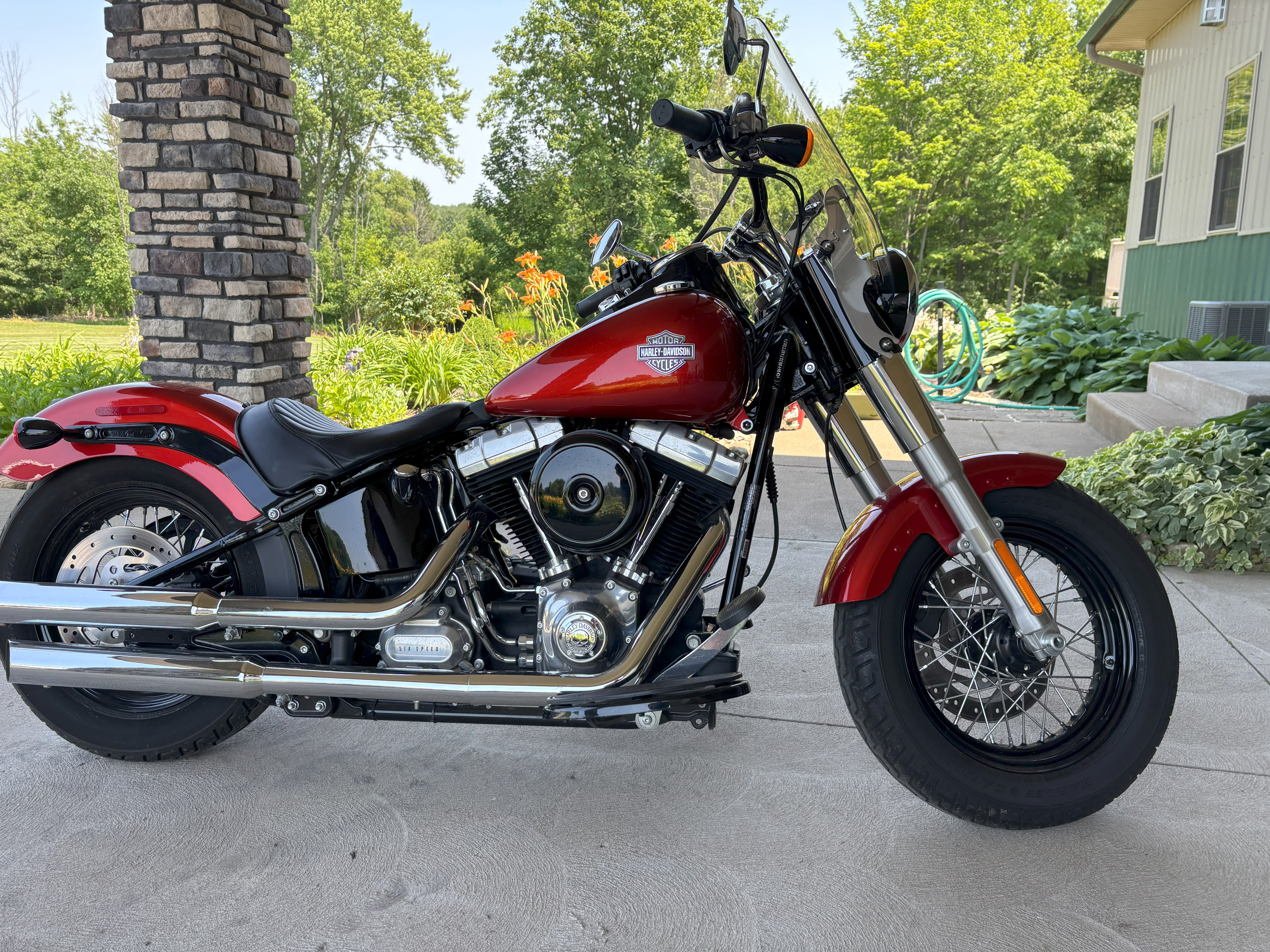
The 2014 Harley-Davidson Softail lineup represents a pivotal evolutionary phase for the Milwaukee manufacturer, combining traditional rigid-frame aesthetics with modern touring comfort, electronic upgrades, and the broad implementation of the enhanced High Output Twin Cam 103 engine. Ranging from the minimalist, stripped-back Softail Slim to the plush, heritage-inspired Heritage Softail Classic, the 2014 models addressed long-standing rider demands for better braking performance, improved ergonomics, and refined power delivery. Understanding the technical specifications, original manufacturer's suggested retail pricing (MSRP), and the enduring market position of these motorcycles provides essential context for modern buyers, collectors, and enthusiasts evaluating a pre-owned American cruiser.
The 2014 Harley-Davidson Softail Lineup Overview
In 2014, Harley-Davidson continued to refine its iconic Softail chassis family, which uses hidden under-engine spring-and-shock absorbers to mimic the clean lines of vintage rigid frames while offering modern rear suspension compliance. The foundational engineering goal of the Softail platform has always been to bridge the emotional gap between classic heritage styling and contemporary ride quality. By 2014, the lineup had matured significantly, benefiting from corporate initiatives like Project Rushmore—though the Softail family retained its distinct chassis architecture separate from the Touring and Dyna frames.
The 2014 model year portfolio featured several distinct variants tailored to different riding styles and aesthetic preferences. The lineup typically included the Fat Boy and Fat Boy Lo, known for their signature solid disc wheels and beefy front ends; the Softail Deluxe, offering whitewall tires, deep fenders, and nostalgic chrome accents; the Softail Slim, capturing a post-WW2 bobber aesthetic with a narrow profile and solo saddle; the Heritage Softail Classic, built for touring with standard leather saddlebags, a windshield, and passenger pillion; and the Breakout, a contemporary factory custom featuring a massive 240mm rear tire, stretched tank graphics, and drag bars.
Across all these variants, the core mechanical identity was anchored by the rigid-mounted, counter-balanced Twin Cam 103 V-twin engine. Unlike the rubber-mounted engines found on Touring and Dyna models, Softail engines are bolted directly to the frame, utilizing internal counter-balancers to quell primary engine vibrations at idle and cruising speeds while preserving a direct mechanical connection that riders traditionally expect from a heavyweight cruiser.
Technical Specifications of the 2014 Softail Family
Examining the technical specifications of the 2014 Harley-Davidson Softail models reveals a cohesive engineering platform shared across diverse body styles. While chassis dimensions, rake, trail, and curb weights varied by model, the powertrain, transmission, and foundational chassis geometry shared standardized specifications that defined the riding experience of the era.
Powertrain and Performance
The standard powerplant for the entire 2014 Softail family was the Twin Cam 103 engine (1,690 cc), equipped with Electronic Sequential Port Fuel Injection (ESPFI). Unlike previous model years where some lower-displacement engines remained in specific trims, 2014 marked a standardization of the 103-cubic-inch displacement across the platform.
- Displacement: 103 cubic inches (1,690 cc)
- Bore x Stroke: 3.875 in x 4.374 in (98.4 mm x 111.1 mm)
- Compression Ratio: 9.6:1
- Fuel System: Electronic Sequential Port Fuel Injection (ESPFI)
- Torque Output: Typically rated at approximately 97 ft-lbs (131 Nm) delivered at 3,000 RPM (varying slightly by exhaust tuning per model)
- Transmission: 6-speed Cruise Drive
- Primary Drive: Chain, 34/46 ratio
- Final Drive: Belt, 32/66 ratio
The 6-speed Cruise Drive transmission offered relaxed highway cruising capabilities, dropping engine RPMs at highway velocities to reduce rider fatigue and improve fuel economy. The clutch actuation utilized a mechanical cable system with a slip-assist design on select variants, providing predictable friction-zone feedback.
Chassis, Dimensions, and Braking
The hidden horizontal rear shock absorbers were paired with conventional telescopic front forks (or stylized covers depending on the model, such as the Fat Boy's fork cans). One of the most significant upgrades introduced for the 2014 model year across the Softail lineup was the implementation of the Reflex Linked Brakes with Anti-lock Braking System (ABS) as either standard equipment or a widely opted factory upgrade, significantly improving stopping confidence on a machine weighing upwards of 700 pounds ready to ride.
| Model | Wet Weight (lbs / kg) | Seat Height (laden, inches) | Fuel Capacity (gallons / liters) | Front Wheel Size | Rear Wheel Size |
|---|---|---|---|---|---|
| Softail Slim | 700 / 318 | 23.8 | 5.0 / 18.9 | 16-inch laced steel | 16-inch laced steel |
| Fat Boy | 733 / 332 | 24.2 | 5.0 / 18.9 | 17-inch solid disc | 17-inch solid disc |
| Fat Boy Lo | 733 / 332 | 23.4 | 5.0 / 18.9 | 17-inch black solid disc | 17-inch black solid disc |
| Softail Deluxe | 739 / 335 | 24.5 | 5.0 / 18.9 | 16-inch laced chrome | 16-inch laced chrome |
| Heritage Softail Classic | 755 / 342 | 24.4 | 5.0 / 18.9 | 16-inch laced chrome | 16-inch laced chrome |
| Breakout | 710 / 322 | 24.7 | 5.0 / 18.9 | 21-inch turbine cast | 18-inch turbine cast |
Original Pricing Structure and Market Positioning in 2014
When Harley-Davidson released the 2014 lineup to dealerships, the pricing strategy reflected the brand's premium positioning within the global motorcycle market. Softail models occupied the upper tier of Harley-Davidson’s cruiser hierarchy, sitting above the Sportster family and generally priced parallel to or slightly above the Dyna line, while offering distinct styling advantages over the touring-focused baggers.
2014 MSRP Benchmarks
Original manufacturer's suggested retail prices varied based on model trim, finish options (such as two-tone paint schemes or custom wheels), and whether factory security and ABS packages were included as standard equipment:
- Softail Slim: Starting base MSRP around $14,899 (Vivid Black)
- Fat Boy: Starting base MSRP around $16,999
- Fat Boy Lo: Starting base MSRP around $17,399
- Softail Deluxe: Starting base MSRP around $17,699
- Heritage Softail Classic: Starting base MSRP around $17,999
- Breakout: Starting base MSRP around $18,699
These figures represented base prices for solid color options. Selecting custom or two-tone paint, security systems, or California emissions equipment typically added several hundred to over a thousand dollars to the final out-the-door price at the dealership.
Market Positioning and Consumer Segmentation
In 2014, Harley-Davidson positioned the Softail family as the ultimate expression of traditional cruiser styling paired with modern engineering. The market segmentation was clear:
- The Traditionalist: Attracted to the Heritage Softail Classic and Softail Deluxe, buyers in this segment prioritized nostalgic aesthetics, whitewall tires, fringe, leather saddlebags, and windshields for weekend touring without stepping up to a heavy Electra Glide or Road King.
- The Custom / Modern Minimalist: Targeted by the Softail Slim and the Breakout, these models appealed to riders seeking factory-custom proportions—such as wide rear tires, chopped fenders, and drag bars—without the hassle and expense of aftermarket fabrication.
- The Heavyweight Cruiser Enthusiast: Represented by the Fat Boy and Fat Boy Lo, these buyers sought unmistakable road presence, massive front forks, and a muscular stance that commanded attention at every stoplight.
This strategic positioning insulated Harley-Davidson from many direct Japanese and European competitors by leveraging deep brand loyalty, unmatched aftermarket support, and an authentic heritage narrative that foreign manufacturers struggled to replicate.
Pre-Owned Market Evolution and Valuation Considerations
Evaluating a 2014 Harley-Davidson Softail requires understanding how depreciation, mileage, modification history, and maintenance records influence real-world market values. Because these motorcycles are durable and generally maintained with care by enthusiast owners, the pre-owned market remains active, with prices fluctuating based on regional demand and seasonal buying patterns.
Depreciation and Retained Value
Unlike high-performance sportbikes that experience steep initial depreciation curves, Harley-Davidson cruisers traditionally hold a stable residual value once they clear the initial dealer-floor depreciation threshold. A 2014 Softail that originally retailed between $15,000 and $19,000 has settled into a predictable secondary market price bracket. Current market pricing typically ranges from $7,500 to $12,000, heavily dependent on condition, recorded mileage, and added accessories.
Key Inspection Points for Buyers
When inspecting a pre-owned 2014 Softail, prospective buyers should examine several specific mechanical and cosmetic areas:
- Cam Chain Tensioners: While the Twin Cam 103 engine utilizes a hydraulic cam chain tensioner design that is vastly superior to the older spring-loaded tensioners of early Twin Cams, inspecting the valve train and listening for unusual top-end noise during cold starts remains a prudent diagnostic step.
- Primary Chain Adjustment and Compensator: The compensator sprocket on 2014 models dampens driveline shock. Listen for clunking or rattling in the primary drive housing upon startup or acceleration, which indicates worn compensator components.
- Aftermarket Modifications: Many Harley-Davidson motorcycles are heavily customized. Verify whether engine tuning (such as a Screamin' Eagle tuner or aftermarket ECM flash) matches upgraded exhaust systems and air cleaners to prevent lean running conditions.
- ABS and Brake Fluid Maintenance: Check if the brake fluid has been flushed regularly, especially on models equipped with ABS, as neglected fluid can compromise hydraulic modulator valves.
Frequently Asked Questions
What engine comes in the 2014 Harley-Davidson Softail models?
Every model in the 2014 Softail lineup is powered by the Twin Cam 103 V-twin engine displacing 1,690 cc. It features electronic fuel injection, a rigid-mounted design with internal counter-balancers, and is paired with a 6-speed Cruise Drive transmission.
Did 2014 Softails come with Anti-lock Brakes (ABS)?
Yes, ABS was widely integrated across the 2014 Softail family, often coming as standard equipment or available as a factory-installed option packaged with Harley-Davidson's Smart Security System, significantly enhancing braking performance.
How does the Softail frame differ from the Dyna frame?
The Softail frame uses hidden under-engine suspension components to mimic the rigid, hardtail look of vintage motorcycles while housing rear shock absorbers. Conversely, Dyna models use traditional visible dual rear shock absorbers attached to the swingarm and feature rubber-mounted engines rather than rigid-mounted, counter-balanced engines.
What was the original MSRP range for a 2014 Softail?
Original manufacturer suggested retail prices in 2014 generally ranged from approximately $14,899 for a base Softail Slim in Vivid Black up to $18,699 or more for premium factory custom variants like the Breakout, before factoring in custom paint, taxes, and dealer fees.
Are 2014 Softails good for long-distance touring?
While models like the Heritage Softail Classic come equipped from the factory with windshields and saddlebags suitable for touring, Softails are fundamentally designed as cruiser motorcycles. They offer a slightly less plush long-distance ride than dedicated Touring models like the Road Glide or Ultra Classic due to the rigid-mounted engine and chassis geometry, though aftermarket seats and suspension upgrades easily enhance travel comfort.
Conclusion and Recommendations
The 2014 Harley-Davidson Softail lineup stands as a mature, mechanically robust collection of American cruisers that successfully marry vintage rigid styling with modern electronic braking and fuel injection. Whether evaluating the nostalgic appeal of the Heritage Classic or the aggressive stance of the Breakout, understanding the precise technical specifications, original pricing context, and inspection criteria ensures an informed purchasing decision. Prospective buyers should prioritize documented maintenance histories, verify the quality of any aftermarket modifications, and test ride multiple variants to find the exact ergonomic fit for their riding style.