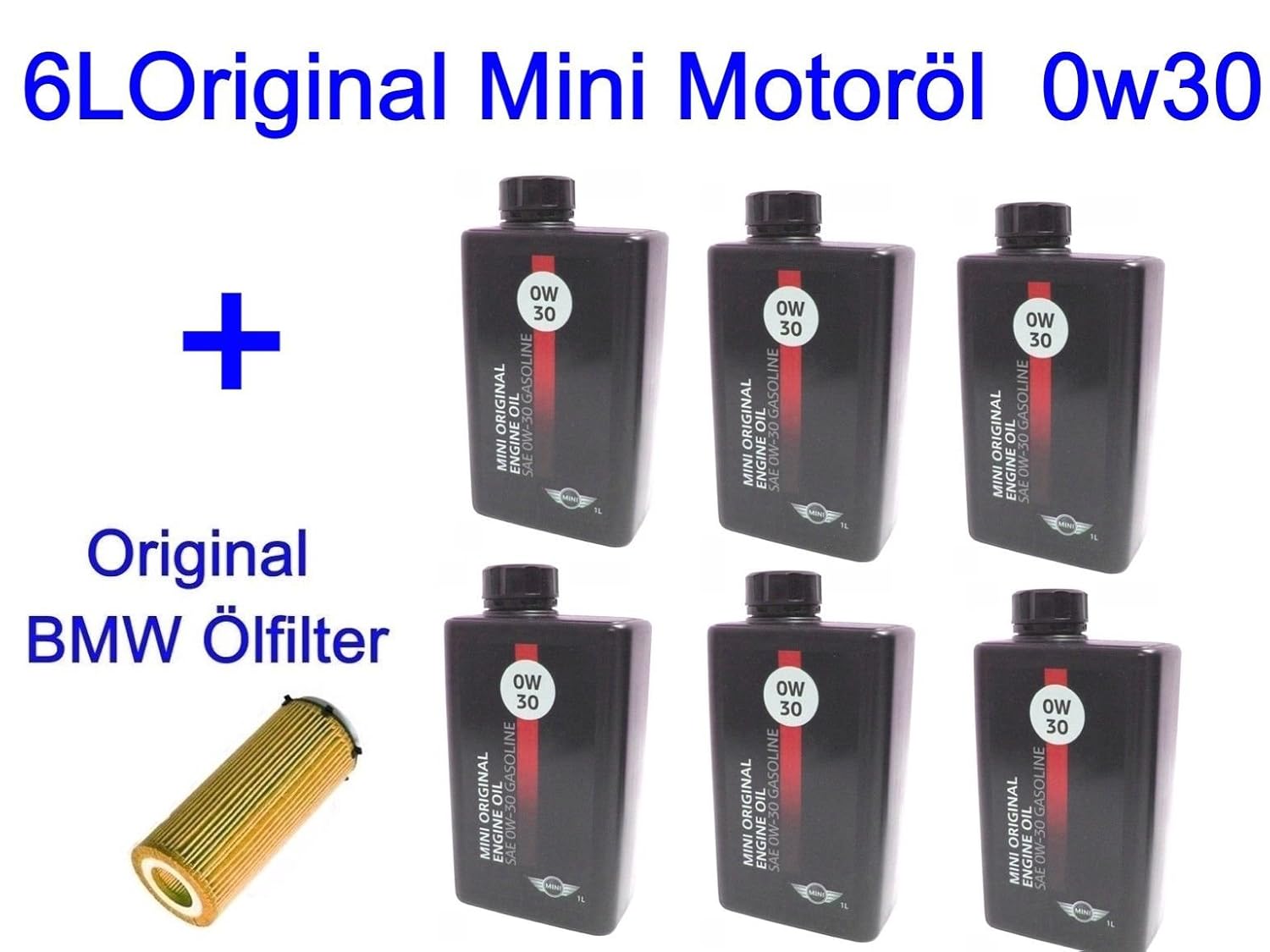
For the 2013 Mini Cooper S, the manufacturer specifies high-quality synthetic oil meeting BMW Longlife-01 (LL-01) standards. The engine requires a viscosity of 5W-30 or 0W-30, with a total capacity of approximately 4.4 quarts (4.2 liters). Using the correct specification is vital for protecting the N18 engine’s turbocharger and Valvetronic system.
Understanding the 2013 Mini Cooper S N18 Engine Requirements
The 2013 Mini Cooper S (R56 Hatchback, R57 Convertible, R58 Coupe, R59 Roadster, R60 Countryman, or R61 Paceman) is equipped with the N18 engine. This 1.6-liter turbocharged four-cylinder represented a significant update over the earlier N14 engine, offering improved reliability and better oil management. However, the N18 remains a high-performance, high-heat environment that demands specific lubricant chemistry.
Oil in a 2013 Mini Cooper S performs four critical functions:
- Lubrication: Reducing friction between moving parts like the camshafts and crankshaft.
- Cooling: Carrying heat away from the turbocharger’s internal bearings.
- Cleaning: Suspending carbon particles and prevents the "sludge" that can clog VANOS solenoids.
- Hydraulic Function: Providing the pressure necessary to operate the variable valve timing (VANOS) and the timing chain tensioner.
Because the N18 uses a direct-injection system, it is prone to carbon buildup on the intake valves. The choice of oil, particularly its volatility and "Noack" score (evaporation rate), directly impacts how much oil vapor is recirculated through the PCV system, which in turn affects carbon accumulation.
Official Oil Specifications and Viscosity
When selecting oil for your 2013 Mini Cooper S, you must look for specific certifications on the bottle. It is not enough to simply buy "synthetic 5W-30."
BMW Longlife-01 (LL-01)
This is the primary specification for the 2013 Mini Cooper S in North America. Oils with this rating have been tested to withstand the long drain intervals (often 10,000+ miles, though enthusiasts recommend shorter) and the high shear forces typical of BMW/Mini engines. If you are in Europe or using high-quality low-sulfur diesel, LL-04 is also acceptable, but for US-based gasoline engines, LL-01 is the gold standard.
Viscosity Grades
The owner’s manual and Mini technical bulletins suggest several weights depending on your climate:
- 5W-30: The standard factory fill. Ideal for a wide range of temperatures.
- 0W-30: Excellent for cold starts in northern climates while maintaining protection at operating temperatures.
- 0W-40 or 5W-40: Often preferred for high-mileage engines or those driven in extremely hot environments (e.g., track days or desert climates). These slightly thicker oils can help reduce oil consumption and provide a thicker film of protection.
ACEA Ratings
In the absence of a BMW LL-01 label, look for an ACEA A3/B4 rating. This European rating ensures the oil has a high HTHS (High Temperature High Shear) viscosity, which is necessary to prevent the oil from thinning out too much under the intense heat of the turbocharger.
Oil Capacity and Filter Information
The 2013 Mini Cooper S has a relatively small oil capacity for a performance engine, which is why maintaining the correct level is so important.
- Total Capacity: 4.4 Quarts (4.2 Liters).
- Oil Filter Type: Cartridge style (Environmentally friendly "drop-in" element).
- Filter Part Number: Typically 11427622446 (OEM). Common aftermarket equivalents include MANN-FILTER HU 711/51 x and MAHLE OX 358D.
The cartridge filter is located in a plastic housing on the front-facing side of the engine block. Accessing it requires moving the coolant expansion tank slightly to the side (without disconnecting the hoses) to gain enough clearance for a 27mm socket.
Comparison of Recommended Oil Brands for 2013 Mini Cooper S
| Brand & Product | Specification | Best Use Case |
|---|---|---|
| Mini Genuine Engine Oil (5W-30) | BMW LL-01 | Standard maintenance under warranty or for purists. |
| Castrol EDGE Euro Car 0W-40 | BMW LL-01 / ACEA A3/B4 | High-mileage engines or hot climates. |
| Liqui Moly Leichtlauf High Tech 5W-40 | BMW LL-01 | Highly recommended by enthusiasts for engine cleanliness. |
| Pennzoil Platinum Euro 5W-30 | BMW LL-01 | Readily available and high-quality GTL (Gas-to-Liquid) base. |
| Mobil 1 FS European Car Formula 0W-40 | BMW LL-01 | Excellent cold-start protection and widely available. |
Step-by-Step Oil Change Procedure
As of 2026, many 2013 Mini Cooper S models have entered high-mileage territory, making regular 5,000-mile oil changes a best practice for longevity.
Tools and Materials Needed
- 27mm socket (for the oil filter housing).
- 8mm Allen/Hex key or 17mm socket (depending on the specific drain plug installed).
- Torque wrench.
- Oil drain pan (minimum 5-quart capacity).
- New crush washer (usually included with the filter).
- 4.4 quarts of LL-01 synthetic oil.
The Process
- Warm the Engine: Drive the car for 5-10 minutes to reach operating temperature. Warm oil flows faster and carries more contaminants out of the pan.
- Access the Drain Plug: Use a jack and jack stands or ramps. Locate the drain plug at the bottom of the oil pan.
- Drain the Oil: Remove the plug and let the oil drain for at least 10 minutes. Replace the crush washer on the drain plug and torque it to 30 Nm (22 lb-ft).
- Replace the Filter: Locate the filter housing. Unbolt the 10mm bolt holding the coolant tank and swing the tank out of the way. Use the 27mm socket to unscrew the housing.
- Install New Filter: Remove the old cartridge and the rubber O-ring from the housing cap. Install the new O-ring (lubricate it with fresh oil) and the new filter. Torque the housing to 25 Nm (18 lb-ft).
- Refill: Pour in 4.0 quarts, start the engine for one minute to circulate the oil through the new filter, then check the dipstick and top off as needed (usually another 0.4 quarts).
- Reset Service Indicator: With the ignition on (engine off), press and hold the button on the tachometer until the service menu appears. Navigate to the oil symbol and hold the button to reset.
Common Oil Issues in the 2013 Model Year
While the N18 engine is improved, it still possesses specific quirks that owners should monitor closely.
Oil Consumption
Even a healthy 2013 Mini Cooper S may consume up to one quart of oil every 1,000 to 1,500 miles. This is considered "within spec" by Mini/BMW, but it requires the owner to check the dipstick frequently. Running the car 2 quarts low can lead to timing chain failure, as the tensioner relies on hydraulic oil pressure.
The "Hard-to-Read" Dipstick
The 2013 model uses a fiberglass/metal cable dipstick that is notoriously difficult to read because it picks up oil from the sides of the dipstick tube.
- Pro Tip: Pull the dipstick out, clean it, let the car sit for 10 minutes to allow the oil in the tube to drain back down, then insert and pull it quickly to get an accurate reading.
Turbo Oil Feed Line Leaks
The line that carries oil to the turbocharger is subjected to extreme heat. Over time, the O-rings or the line itself can fail, leading to oil smells or visible smoke from the engine bay. If you notice a leak, address it immediately to avoid a fire hazard.
Vacuum Pump Failure
The vacuum pump is driven by the camshaft and is lubricated by engine oil. If oil becomes contaminated or sludge builds up, the pump can seize. In extreme cases, this can snap the camshaft or cause catastrophic engine timing failure. This is why using high-detergency LL-01 oil is mandatory.
Maintenance Costs and Long-Term Value in 2026
In the current 2026 market, maintaining a 2013 Mini Cooper S is an exercise in preventative care. A DIY oil change typically costs between $80 and $110, depending on the oil brand and whether you purchase a kit. In contrast, a dealership service may cost upwards of $180 to $250.
Investing in high-quality oil like Liqui Moly or Motul may cost an extra $20 per change, but it significantly reduces the likelihood of expensive repairs like VANOS solenoid replacement (approx. $400) or a full timing chain service (approx. $1,800 - $2,500).
FAQs
Can I use 5W-20 oil if I can't find 5W-30?
No. You should never use 5W-20 in a 2013 Mini Cooper S. This engine requires a higher HTHS (High Temperature High Shear) viscosity than most 5W-20 oils provide. Using a thinner oil can lead to premature wear of the turbocharger bearings and increased oil consumption.
How often should I really change my oil?
While the onboard computer may suggest intervals as long as 10,000 or 12,000 miles, most Mini specialists recommend a 5,000-mile or 6-month interval. This accounts for the high operating temperatures of the turbo and helps prevent carbon buildup on the intake valves.
Does the 2013 Mini Cooper S have an oil level sensor?
Yes, it has a sensor that will trigger a "Low Oil" warning on the dashboard. However, you should not rely on this. By the time the light comes on, the oil level is often significantly below the "Minimum" mark, which can already be causing wear on the timing chain.
Why does my oil smell like gasoline?
In direct-injection engines like the N18, "fuel dilution" can occur, where small amounts of gasoline bypass the piston rings and enter the oil pan. This is especially common with frequent short trips where the engine doesn't reach full operating temperature. If your oil smells strongly of gas, change it immediately and try to take longer drives to burn off the contaminants.
What happens if I don't use BMW LL-01 oil?
Using non-spec oil can lead to "shearing," where the oil loses its viscosity under heat. This can cause the oil to fail in the turbocharger bearings, leading to turbo failure. Furthermore, it can lead to sludge formation that interferes with the Valvetronic system, resulting in poor performance and "limp mode" errors.
Final Recommendation
To keep your 2013 Mini Cooper S running reliably through 2026 and beyond, treat oil maintenance as the most important task in your schedule. Always use a Full Synthetic oil that explicitly states it meets BMW Longlife-01 standards. Check your oil level every two weeks or every 500 miles—whichever comes first. If you are unsure which viscosity to choose, a 5W-40 provides an excellent balance of protection for engines with over 75,000 miles, helping to quieten engine noise and reduce oil loss.