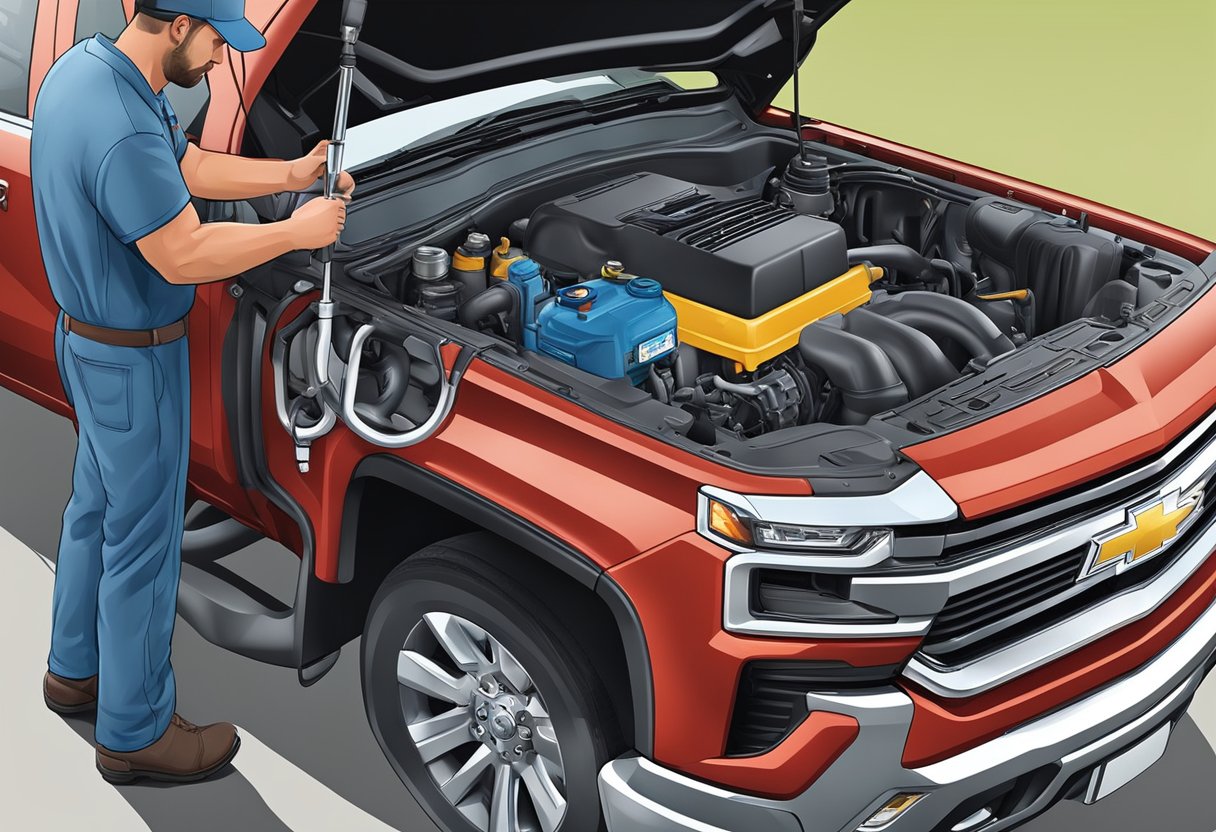
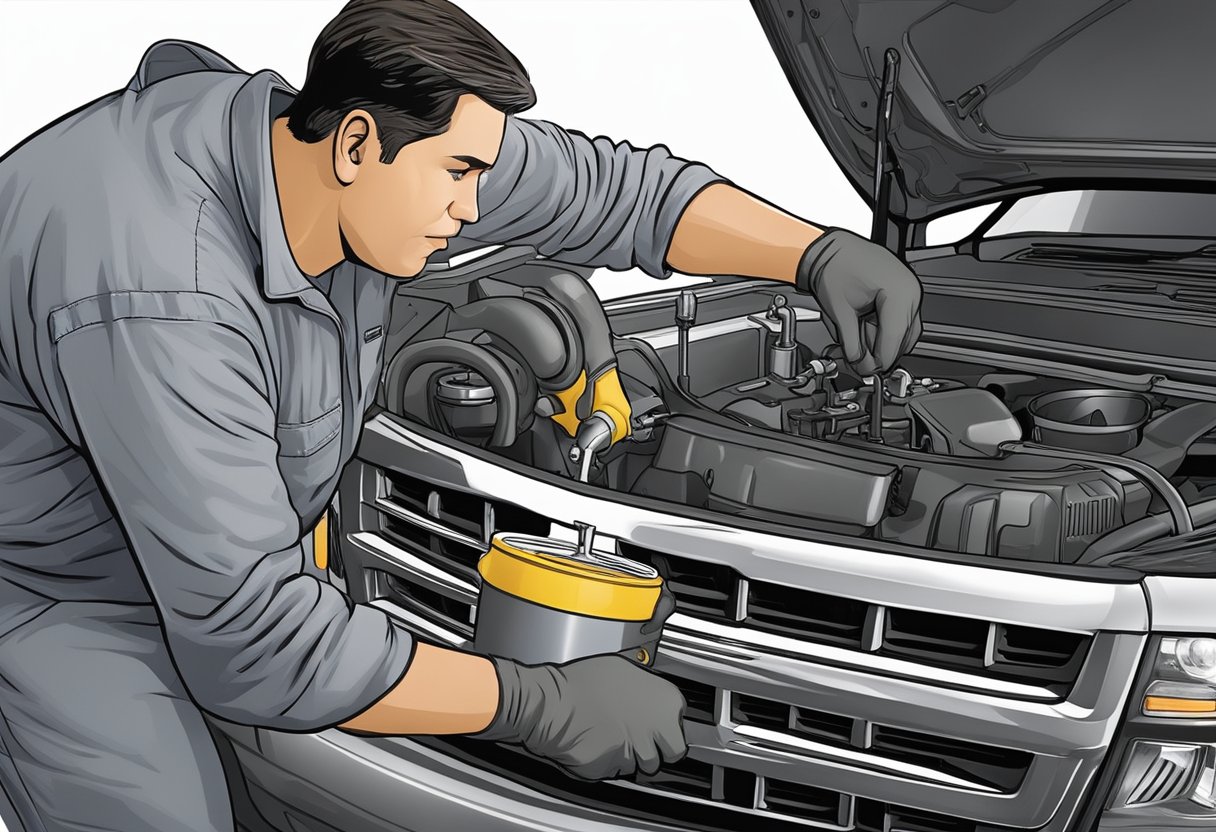
For a 2012 Chevrolet Silverado, the most critical oil requirement is the use of SAE 5W-30 viscosity synthetic blend or full synthetic oil that meets the GM dexos1™ specification for gasoline engines. The 5.3L V8, the most common engine, requires 6.0 quarts of oil and an AC Delco PF48E filter.
Maintaining a 2012 Silverado in 2026 requires more than just a basic understanding of fluid levels. As these trucks age, the relationship between oil quality and engine longevity becomes increasingly complex, particularly for models equipped with Active Fuel Management (AFM). Choosing the right oil and following a strict maintenance schedule is the single most effective way to prevent premature lifter failure and excessive oil consumption, which are common issues for this generation of General Motors trucks.
Understanding the GM dexos1 Specification
When the 2012 Silverado was manufactured, General Motors had recently introduced the dexos1™ oil specification. This was a proprietary standard designed to improve engine cleanliness, reduce aeration, and provide better protection against sludge compared to the previous API (American Petroleum Institute) standards.
By 2026, the original dexos1 specification has evolved through several generations, including Gen 2 and the current Gen 3. For owners of a 2012 Silverado, it is important to know that dexos1 Gen 3 is backward compatible. If you find oil labeled "dexos1 Gen 3," it is not only safe for your 2012 engine but actually offers superior protection against high-temperature deposits and low-speed pre-ignition (LSPI) compared to what was available when the truck was new.
The reason GM insists on this specification is the tight tolerances within the Variable Valve Timing (VVT) and AFM systems. These systems rely on oil pressure to actuate mechanical components. Using oil that does not meet the dexos1 standard can lead to the formation of varnish or "coking" in the small oil passages, which can eventually cause the engine to misfire or fail to transition between V4 and V8 modes correctly.
Oil Viscosity and Selection by Engine Type
The 2012 Silverado was offered with several different engines, and while most share common requirements, there are specific differences you must observe.
4.3L V6 (LU3)
The base 4.3L V6 is a legacy overhead valve engine. While it is more forgiving than the V8 models, it still requires SAE 5W-30 oil. Because this engine does not feature AFM, it is less prone to the oil consumption issues seen in the larger engines, but keeping the oil clean is essential for the longevity of the timing chain and bearings.
4.8L (L20), 5.3L (LMG/LC9), and 6.2L (L9H) V8
These three engines represent the bulk of the 2012 Silverado 1500 lineup. All three require SAE 5W-30 oil. In extremely cold climates (where temperatures drop below -20°F), GM permits the use of 0W-30 to improve cold-start flow, provided it still meets the dexos1 specification. Full synthetic oil is highly recommended for these engines in 2026 to help combat the heat-related stresses that occur as engine seals and components age.
6.0L V8 (L96) and 6.6L Duramax Diesel (LML)
The heavy-duty (2500/3500) models use different configurations. The 6.0L gas engine uses SAE 5W-30, similar to the smaller V8s. However, the 6.6L Duramax Diesel requires an entirely different oil category. It uses SAE 15W-40 (or 5W-40 for cold weather) that meets the CJ-4 or CK-4 diesel specification. Do not use gasoline engine oil in a Duramax, as it lacks the soot-handling additives necessary for diesel combustion.
2012 Silverado Oil Capacities and Filter Specifications
Having the correct amount of oil is just as important as the type. Overfilling can cause aeration (foaming), while underfilling can lead to oil starvation during hard braking or steep inclines.
| Engine | Oil Capacity (with Filter) | Viscosity (Standard) | Recommended Oil Filter |
|---|---|---|---|
| 4.3L V6 | 4.5 Quarts (4.3L) | 5W-30 | AC Delco PF47E |
| 4.8L V8 | 6.0 Quarts (5.7L) | 5W-30 | AC Delco PF48E |
| 5.3L V8 | 6.0 Quarts (5.7L) | 5W-30 | AC Delco PF48E |
| 6.0L V8 | 6.0 Quarts (5.7L) | 5W-30 | AC Delco PF48E |
| 6.2L V8 | 6.0 Quarts (5.7L) | 5W-30 | AC Delco PF48E |
| 6.6L Diesel | 10.0 Quarts (9.5L) | 15W-40 | AC Delco PF2232 |
Note: Always verify the oil level on the dipstick after filling, as slight variations in oil cooler volume or filter size can affect the final reading.
The Active Fuel Management (AFM) Factor
One of the most discussed topics regarding the 2012 Silverado is Active Fuel Management (AFM), which is present on most 5.3L engines (specifically the LMG and LC9 codes). This system shuts down four of the eight cylinders during light-load driving to save fuel.
Why Oil Quality Matters for AFM
AFM relies on specialized oil-pressure-activated lifters. If the oil is dirty or of the wrong viscosity, it can cause the lifters to stick or fail to unlock. When an AFM lifter fails, it often leads to a "bent pushrod" or damage to the camshaft, which are expensive repairs.
Furthermore, 2012 was a year where many owners reported excessive oil consumption. In many cases, this was caused by oil mist being pulled through the PCV (Positive Crankcase Ventilation) system and into the intake manifold, or by oil spray from the AFM relief valve gumming up the piston rings.
Mitigating AFM Issues in 2026
If you own a 2012 Silverado today, experts recommend:
- Shortened Change Intervals: Don't wait for the truck's "Oil Life Monitor" to reach 0%. Changing your oil every 5,000 miles (instead of the 7,500–10,000 miles the monitor might allow) helps keep the AFM lifters clean.
- High-Quality Filters: Use filters with high filtration efficiency, like the AC Delco Gold or reputable aftermarket "Extended Life" synthetic filters.
- Monitor Levels Weekly: Many 2012 Silverados consume 1–2 quarts between changes. Running the engine low on oil is the fastest way to trigger an AFM lifter failure.
Step-by-Step Oil Change Procedure
For those performing their own maintenance, the 2012 Silverado is one of the more accessible vehicles to work on, thanks to its high ground clearance and straightforward engine layout.
Tools and Supplies Needed
- 15mm socket and ratchet (for the drain plug)
- Oil filter wrench (cap style or strap style)
- Drain pan (at least 7-quart capacity for gas, 12-quart for diesel)
- Funnel
- New oil and filter
- New drain plug crush washer (optional but recommended)
The Process
- Warm the Engine: Run the engine for a few minutes to warm the oil, which helps it drain more completely and carry away more contaminants.
- Position the Vehicle: On a level surface, engage the parking brake. Most Silverados have enough clearance to work without a jack, but if you use one, always use jack stands.
- Drain the Oil: Locate the 15mm drain plug on the bottom of the oil pan. Place your pan underneath and remove the plug. Use caution, as the oil will be hot.
- Replace the Filter: The filter is located near the drain plug. Unscrew it (be prepared for a spill) and clean the mounting surface on the engine block. Lubricate the rubber gasket of the new filter with a thin film of clean oil. Screw the new filter on by hand until it is snug, then turn it an additional 3/4 turn. Do not over-tighten with a wrench.
- Reinstall the Drain Plug: Clean the plug and reinstall it. The torque specification is 18 lb-ft (25 Nm).
- Add New Oil: Open the hood and remove the oil fill cap. Using a funnel, add the required amount of dexos1 5W-30 oil.
- Check for Leaks: Start the engine and let it run for a minute. Check underneath the truck for any drips from the drain plug or filter.
- Verify Level: Turn off the engine, wait two minutes for the oil to settle, and check the dipstick. Adjust if necessary.
Resetting the Oil Life Monitoring System
The 2012 Silverado features a software-based Oil Life Monitor (OLM) that calculates oil depletion based on engine revolutions and operating temperature. It must be reset manually after every oil change.
Method 1 (DIC Buttons):
- Turn the ignition to ON/RUN (engine off).
- Press the Vehicle Information button (the icon looks like a car with an "i") until the display shows "OIL LIFE REMAINING."
- Press and hold the Set/Reset button (the checkmark button) until the display changes to 100%.
- Turn the ignition off.
Method 2 (Gas Pedal):
- Turn the ignition to ON/RUN (engine off).
- Fully press and release the accelerator pedal three times within five seconds.
- The "Remaining Oil Life" display should flash and reset to 100%.
- Turn the ignition off.
Troubleshooting Common Oil Issues
As the 2012 Silverado approaches 15 years of service, certain oil-related symptoms become more frequent.
Low Oil Pressure Warning
If the dashboard displays a "Low Oil Pressure" warning or the needle on the gauge drops significantly, the most common culprit is a clogged Oil Pressure Sensor Screen. This tiny mesh filter sits beneath the oil pressure sensor at the back of the engine. Over time, it captures debris and restricts flow to the sensor, giving a false low reading. Replacing this screen is a common maintenance task for high-mileage 2012 models.
Oil Leaks: Oil Cooler Lines and Valve Covers
Leaking oil cooler lines are a known weak point on the 2012 Silverado. These lines run from the engine to the radiator. If you see spots on your driveway near the front of the truck, inspect these lines for "sweating" or active drips. Additionally, the valve cover gaskets may become brittle and leak oil onto the exhaust manifolds, causing a burning smell.
High Oil Consumption
If your truck is "disappearing" oil without any visible leaks, it is likely burning it. This is often related to the PCV system or the AFM piston ring issues mentioned previously. Some owners install an Oil Catch Can in the PCV line. This device captures oil vapor before it can enter the intake manifold, helping to keep the valves clean and reducing the amount of oil burned during combustion.
FAQs
Can I use 10W-30 oil in my 2012 Silverado?
While 10W-30 won't cause immediate engine failure, it is not recommended. The 2012 Silverado engines are designed for 5W-30, which provides better flow during cold starts and is required for the VVT and AFM systems to operate correctly. Using a heavier oil can lead to slower oil pressure build-up and potential timing codes.
How often should I change the oil in a high-mileage 2012 Silverado?
For trucks with over 100,000 miles, a 5,000-mile interval is ideal. While modern synthetic oils can last longer, the 2012 engines benefit from more frequent changes to prevent the buildup of carbon around the AFM lifters and to ensure that the oil level remains topped off.
Is high-mileage oil worth it for this truck?
Yes. High-mileage oils contain seal conditioners that can help swell aging gaskets (like the rear main seal or oil pan gasket), potentially slowing down minor leaks. They also often have slightly different detergent packages to help clean out older engine deposits. Ensure the high-mileage oil you choose still carries the dexos1 certification.
What happens if I don't use dexos1 oil?
Using non-dexos oil can lead to increased sludge formation and may negatively affect your fuel economy. In the long term, it increases the risk of AFM component failure. While the truck will run on standard API-rated oil, the cost difference for dexos1-certified oil is minimal compared to the protection it offers.
Why is my oil black only 1,000 miles after a change?
In older engines, some residual "blow-by" gases and carbon deposits are normal. The oil's job is to suspend these particles so they don't stick to engine parts. If the oil turns black quickly, it means the detergents are doing their job. However, if it also smells strongly of gasoline, you may have a fuel dilution issue that needs to be inspected by a mechanic.
Practical Recommendation
To maximize the lifespan of your 2012 Silverado in 2026, switch to a full synthetic 5W-30 oil that meets dexos1 Gen 3 standards and change it every 5,000 miles. Always use an original equipment manufacturer (OEM) AC Delco PF48E filter or a high-quality equivalent. If your truck has the 5.3L engine with AFM, make it a habit to check your oil level at every third fuel fill-up to catch any consumption issues before the level drops low enough to damage the valve train. Taking these proactive steps will help you avoid the most common and costly mechanical failures associated with this specific model year.