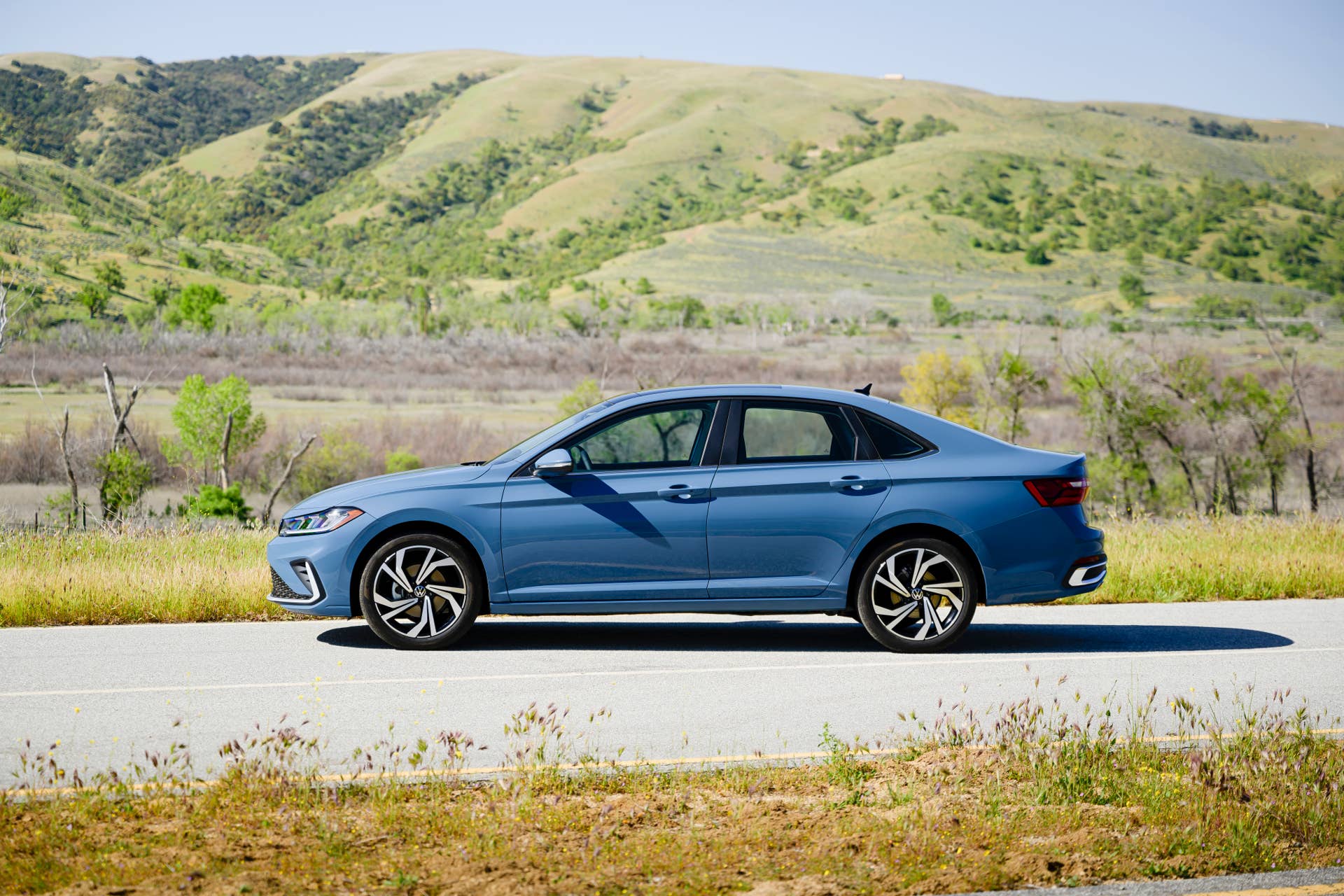
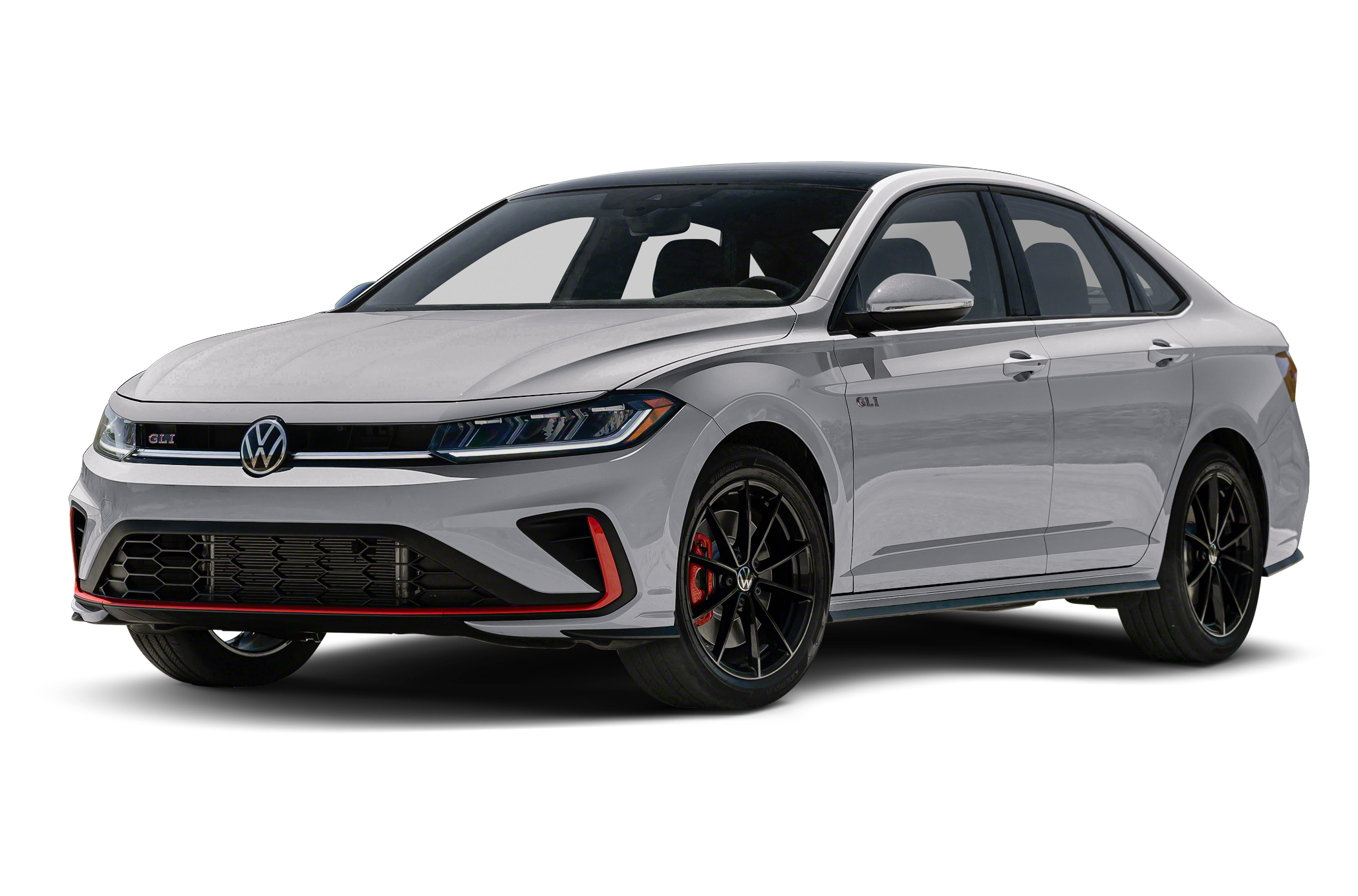
The 2010 Volkswagen Jetta offers varying fuel efficiency depending on its specific powertrain, with EPA-estimated figures ranging from 21 mpg in the city to 42 mpg on the highway for the TDI Clean Diesel model. Gas-powered models, including the 2.5L inline-five and the 2.0L turbocharged engine, generally range between 22 and 32 combined mpg, depending on transmission choice and driving conditions.
The 2010 Volkswagen Jetta is a distinct model year in the manufacturer’s history, representing the tail end of the fifth generation (A5 platform). During this period, Volkswagen focused on a diverse engine lineup to cater to both efficiency-minded commuters and performance-oriented drivers. Understanding the real-world fuel economy of this vehicle requires breaking down its three primary engine configurations: the base 2.5-liter inline-five, the high-performance 2.0T (TSI), and the highly efficient 2.0-liter TDI (Turbocharged Direct Injection) diesel engine.
Evaluating Engine Variations and EPA Estimates
Fuel economy in the 2010 Jetta is dictated primarily by the engine and transmission pairing. Buyers at the time could select between manual and automatic transmissions, with the latter often featuring Volkswagen’s Direct Shift Gearbox (DSG) in the TDI and 2.0T models.
The 2.5-Liter Inline-Five Engine
The 2.5-liter engine was the volume seller for the 2010 model year. It provided a balance of power and reliability, though it was generally the least fuel-efficient of the trio. EPA ratings for this engine typically hover around 21 to 24 mpg in city driving and 30 to 33 mpg on the highway. Factors such as the six-speed automatic transmission versus the five-speed manual can create slight variances in these figures.
The 2.0L TSI Turbocharged Engine
Found primarily in the GLI trim, the 2.0-liter turbocharged engine was designed for driving engagement. While it offers significantly more torque and horsepower, it requires a more cautious right foot to achieve its efficiency potential. Rated at approximately 22 mpg city and 31 mpg highway, real-world mileage can dip significantly if the turbocharger is utilized frequently during acceleration.
The 2.0L TDI Clean Diesel
The TDI engine is widely considered the gold standard for fuel economy in the 2010 lineup. Engineered for long-distance highway cruising, the TDI was rated at 30 mpg city and 42 mpg highway by the EPA. These figures represent the upper echelon of what the 2010 Jetta can achieve, making it a popular choice for high-mileage commuters even in the 2026 pre-owned market.
Technical Comparison of Efficiency Metrics
| Engine Type | City MPG | Highway MPG | Combined MPG |
|---|---|---|---|
| 2.5L I-5 (Manual) | 22 | 30 | 25 |
| 2.5L I-5 (Automatic) | 21 | 29 | 24 |
| 2.0L TSI (Turbo) | 22 | 31 | 25 |
| 2.0L TDI (Diesel) | 30 | 42 | 34 |
Note: Figures are based on 2010 EPA standards. Actual mileage may vary based on vehicle maintenance, tire pressure, and driving style.
Factors Affecting Real-World Fuel Economy
While the EPA figures provide a baseline, a 2010 vehicle in 2026 faces different variables than a brand-new car. Several mechanical and environmental factors significantly impact the fuel consumption you experience today.
Maintenance and Mechanical Condition
After over a decade and a half of operation, the mechanical health of the engine is the single largest determinant of fuel efficiency. Oxygen sensors, which monitor the fuel-air mixture in the exhaust, are prone to degradation. If these sensors provide inaccurate data to the Engine Control Unit (ECU), the car may run "rich," burning more fuel than necessary. Additionally, the condition of the fuel injectors—which can become clogged with carbon deposits over high mileage—can disrupt the spray pattern, leading to incomplete combustion and lost efficiency.
Transmission Performance
The 2010 Jetta featured both traditional torque-converter automatics and the dual-clutch DSG. The DSG transmission is highly efficient but requires strict adherence to fluid change intervals. If the DSG service schedule has been neglected, internal friction increases, which manifests as reduced fuel economy and poorer shifting quality. Conversely, a healthy manual transmission is generally more reliable for long-term fuel efficiency, provided the clutch is in good condition and not slipping.
Tire Pressure and Rolling Resistance
Tire maintenance is an often overlooked aspect of fuel economy. Tires that are under-inflated increase rolling resistance, forcing the engine to work harder to maintain speed. Owners should verify that their tires are inflated to the specifications listed on the driver-side door jamb sticker. In 2026, it is also worth noting that tire technology has advanced; choosing low-rolling-resistance tires can help regain some of the efficiency lost to vehicle aging.
Impact of Driving Style and Habits
Even with a perfectly maintained vehicle, individual driving habits represent the biggest variable in fuel economy. The 2010 Jetta is a relatively heavy vehicle for its segment, and it rewards smooth inputs.
- Acceleration Profiles: Rapid acceleration forces the engine into higher RPM ranges, which consumes fuel exponentially faster than steady-state cruising. Drivers looking to maximize efficiency should aim for smooth, gradual acceleration.
- Highway Speeds: Air resistance increases significantly above 65 mph. Driving at 75 or 80 mph will notably reduce the efficiency of the TDI engine, which is geared for optimal performance at lower highway speeds.
- Idling: The 2.0L engines, particularly the TDI, do not benefit from prolonged idling. In 2026, where modern start-stop technology is common, drivers of the 2010 Jetta should be mindful that idling consumes fuel while providing zero distance toward the next destination.
Troubleshooting Diminished Mileage
If you find that your 2010 Jetta is consistently performing below the figures listed in the table, it is rarely due to a single catastrophic failure, but rather a combination of "silent" issues.
- Vacuum Leaks: The 2.5L engine is particularly sensitive to vacuum leaks. Air entering the engine after the mass airflow sensor messes with the fuel trim, forcing the computer to compensate by dumping more fuel.
- Carbon Buildup: Direct-injection engines, such as the 2.0T and 2.0L TDI, are prone to carbon buildup on the intake valves. Because fuel is injected directly into the combustion chamber rather than the intake port, the cleaning effect of the fuel is lost. This can restrict airflow and tumble, hurting fuel economy. Professional walnut blasting or chemical cleaning of the intake valves is often required for high-mileage units.
- Sensor Calibration: Over time, the Mass Airflow (MAF) sensor can become contaminated with dirt or oil, sending skewed readings. Cleaning this sensor with a dedicated electronic cleaner can sometimes restore lost efficiency without the need for expensive parts replacement.
Longevity and Long-Term Ownership Considerations
For owners using a 2010 Jetta in 2026, the question often shifts from "How many miles per gallon?" to "How do I maintain this efficiency for another 50,000 miles?"
The TDI model, while efficient, requires higher maintenance costs. The High-Pressure Fuel Pump (HPFP) and the complex emissions system require consistent, high-quality diesel fuel and timely oil changes with the specific low-ash oil recommended by Volkswagen. Neglecting these requirements can lead to repairs that far outweigh the fuel savings achieved over several years.
Conversely, the 2.5L engine is known for its ruggedness. While it consumes more fuel than the TDI, it is generally less expensive to maintain, making it a more economical choice in the long run for the budget-conscious owner who prioritizes simplicity over maximum fuel economy.
Frequently Asked Questions
Does using premium fuel improve the gas mileage of a 2010 Jetta? For the 2.0T (GLI) engine, premium fuel (91+ octane) is recommended to prevent knocking and allow the engine to operate at peak efficiency. For the 2.5L base engine, using premium fuel will generally not increase gas mileage or performance, as the engine is tuned for regular unleaded gasoline.
What is the best way to monitor my current fuel economy? The most accurate method is to calculate it manually. Fill your tank completely, reset your trip odometer, drive until the tank is low, fill it up again, and divide the miles driven by the gallons required for the second fill-up. Relying solely on the car’s onboard computer (MFI) can provide a misleading average that ignores idling time or inaccuracies in the sensor data.
Will an aftermarket air filter help my Jetta get better mileage? Generally, no. Modern engine management systems are designed to operate within specific parameters. An aftermarket "cold air" intake or high-flow filter may change the engine's sound but typically does not improve fuel economy and can occasionally introduce more dirt into the engine, potentially damaging the MAF sensor.
Why does my TDI get better mileage than the EPA estimates? The 2010 TDI engine was notoriously efficient, and many owners found they could exceed 42 mpg on long, flat highway trips. This is often due to the engine’s high torque output at low RPM, which allows the transmission to keep the engine in a lower, more efficient gear range compared to gasoline engines that require higher revs to maintain speed.
Does carrying extra weight in the trunk affect mileage? Yes. For a vehicle the size of a 2010 Jetta, every additional 100 pounds of weight can reduce fuel efficiency by approximately 1% to 2%. Removing unnecessary items from your trunk is an easy way to optimize your fuel economy.
Final Recommendation for Owners
To achieve the best possible fuel economy in a 2010 Volkswagen Jetta in 2026, prioritize a baseline tune-up. Replace the engine air filter, inspect your vacuum lines for dry rot or cracks, and ensure your spark plugs are within their service life. If you drive a TDI model, ensure your fuel filter has been changed on schedule, as a clogged filter forces the fuel pump to work harder and can degrade performance. Ultimately, your driving style—specifically avoiding sudden bursts of speed and maintaining consistent highway velocities—will have a greater impact on your fuel consumption than any singular mechanical modification.