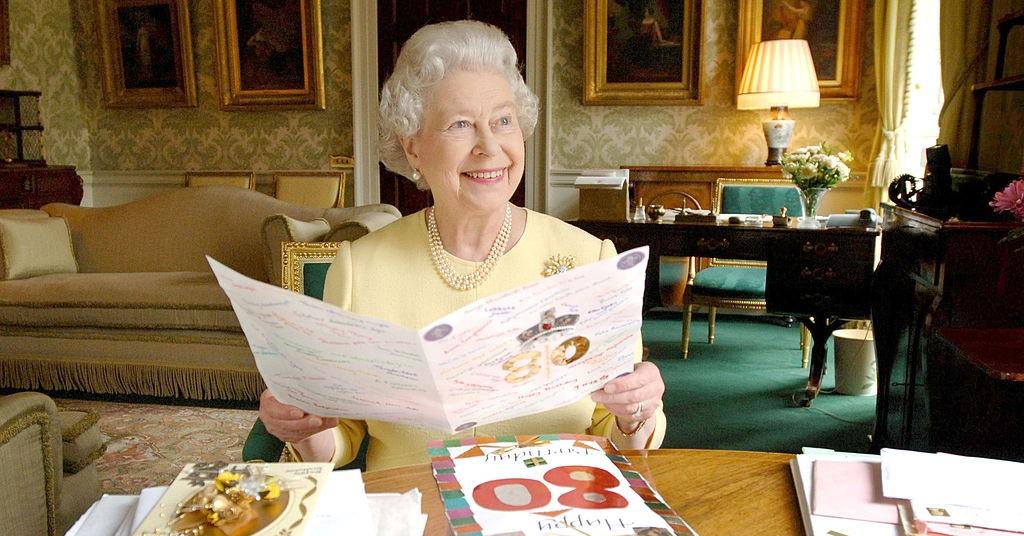
The British sovereign celebrates two birthdays primarily because of an unpredictable weather tradition established centuries ago. While the monarch's actual calendar birth date is marked privately and with gun salutes, a separate official birthday is held in summer—traditionally featuring the Trooping the Colour parade—to take advantage of reliable sunshine for public celebrations.
The tradition of celebrating a monarch's birthday twice is one of the most enduring and recognizable customs of the British monarchy. To modern observers, the practice of maintaining both an actual birth date and an official state birthday often appears eccentric or confusing. However, this dual-celebration system is not a modern administrative quirk; it is deeply rooted in the practical realities of eighteenth-century British governance, military pageantry, and climate adaptation. Understanding why this tradition persists requires looking back at its historical origins, examining the mechanics of how these two distinct events are observed, and exploring the wider cultural and constitutional context of royal celebrations.
Historical Origins of the Dual Birthday Tradition
The practice of splitting a monarch's birthday into private acknowledgment and public celebration dates back to the reign of King George II in 1748. King George II was born in November, a month notoriously associated with cold, damp, and inclement weather in the United Kingdom. As a sovereign who enjoyed public spectacle, grand processions, and military displays, George II recognized that holding his official birthday celebrations in late autumn would present significant logistical and meteorological challenges.
A large-scale public celebration in November risked rain, fog, and freezing temperatures, which could ruin outdoor military parades, deter crowds, and create hazardous conditions for horses and troops. To solve this problem, the King combined his official birthday celebration with the Trooping the Colour, an established military ceremony, and tied it to an annual spring or early summer event. Coincidentally, this aligned with a tradition already taking place in other parts of the realm, cementing a precedent where the monarch's actual date of birth became a private family affair, while the official state birthday was assigned to a warmer month when the weather was more conducive to public festivities.
Over subsequent centuries, this precedent became institutionalized. Successive monarchs maintained the practice, finding administrative and ceremonial utility in separating their private lives from their public responsibilities as heads of state. The tradition demonstrates how historical institutions adapt practical workarounds into enduring cultural norms.
The Two Birthdays Explained: Actual vs. Official
To fully grasp the mechanics of the dual birthday system, it is necessary to distinguish between the two distinct events: the actual birth date and the official birthday. Each serves a different purpose, involves different protocols, and carries distinct traditions.
The Actual Birthday
The actual birthday is the calendar date on which the monarch was born. For late Queen Elizabeth II, this was April 21st. For King Charles III, it is November 14th.
On the actual birthday, the celebrations are generally understated and private, focusing on family and official state institutions in a formal, muted capacity rather than mass public gatherings.
- Private Family Time: The core of the day is spent among close family members, often at a royal residence such as Windsor Castle or Clarence House.
- Gun Salutes: Nationally, the actual birthday is marked by traditional gun salutes. The King's Troop Royal Horse Artillery and the Honourable Artillery Company fire gun salutes at landmark locations across London, including Hyde Park and the Tower of London, alongside gun salutes at various saluting stations across the United Kingdom.
- Bell Ringing: Westminster Abbey, where monarchs are crowned and married, traditionally rings its bells in celebration of the sovereign's actual birthday.
The Official Birthday
The official birthday is an entirely separate state occasion, traditionally held on a Saturday in June. The exact date varies each year but is typically the second Saturday of June. This timing is chosen specifically to maximize the likelihood of good weather for the Trooping the Colour parade.
- Trooping the Colour: The centerpiece of the official birthday is the King’s Birthday Parade, also known as Trooping the Colour. This military parade features over 1,400 parading soldiers, 200 horses, and 400 musicians from the Household Division.
- The Balcony Appearance: Following the parade, the monarch, accompanied by senior members of the royal family, appears on the balcony of Buckingham Palace to watch a flypast by the Royal Air Force (RAF).
- The Birthday Honours List: The official birthday also marks the publication of the Birthday Honours List, which recognizes the achievements and service of extraordinary people across the United Kingdom and the Commonwealth in fields such as science, arts, community service, and public life.
| Birthday Type | Timing | Primary Focus | Key Events |
|---|---|---|---|
| Actual Birthday | Calendar birth date (e.g., April or November) | Private family observance and military protocol | Gun salutes at London landmarks, Westminster Abbey bell ringing |
| Official Birthday | A Saturday in June (usually the second Saturday) | Public celebration, state pageantry, and national recognition | Trooping the Colour parade, RAF flypast, Birthday Honours List |
The Mechanics and Logistics of Trooping the Colour
Trooping the Colour is not merely a birthday parade; it is a historic military ceremony with deep roots in the British Army's history. The term "the Colour" refers to the regimental flags of the battalions of the British Army. Historically, a regiment's flags were used as rallying points on the battlefield. To ensure soldiers recognized their flags, the colours were slowly marched—or "trooped"—down the ranks so every soldier could see them.
Today, the ceremony is performed by the Household Division on Horse Guards Parade in Whitehall, London. The monarch attends the parade, inspects the troops, and takes the salute.
- Regiment Rotation: Each year, a different battalion of the Foot Guards (comprising the Grenadier, Coldstream, Scots, Irish, and Welsh Guards) is chosen to "troop" its colour through the ranks.
- The Sovereign's Role: The monarch historically rode a horse in the parade to inspect the troops. In later years, sovereigns transitioned to reviewing the troops from a carriage or a dais, prioritizing safety and accessibility while maintaining the solemnity of the tradition.
- The Public Spectacle: Tens of thousands of spectators line the pavements of The Mall and gather outside Buckingham Palace to witness the procession, making it one of the most visible displays of British pageantry in the annual calendar.
Global Context and Commonwealth Observances
While the dual birthday tradition is most famously associated with the British monarch, its influence extends across the Commonwealth realms—independent countries that share the British sovereign as their head of state.
Different Commonwealth nations observe the official birthday of the monarch on varying dates, tailored to local climate conditions, public holiday schedules, and historical ties.
- United Kingdom: Celebrated in June with Trooping the Colour.
- Australia: Celebrated on the second Monday in June across most states and territories (though Western Australia observes it later in the year, typically in September or October, to align with the Royal Perth Show).
- New Zealand: Celebrated on the first Monday in June, providing a long weekend that coincides with the official start of the ski season.
- Canada: Celebrated on the Monday preceding May 25th, historically linked to Queen Victoria's birthday, which now serves as Victoria Day and marks the official beginning of the summer social season.
This decentralized approach illustrates how the tradition of an official sovereign birthday adapted to the administrative and seasonal needs of distinct geographical regions across the globe.
Frequently Asked Questions
Why June for the official birthday?
June was chosen by King George II, and subsequently maintained by other sovereigns, because historical weather patterns in late spring and early summer offer the highest probability of mild, dry weather in the United Kingdom. This ensures that large outdoor military formations, royal processions, and public spectators are not subjected to the cold, rain, and fog characteristic of British autumns and winters.
Does the monarch receive gifts on both birthdays?
Official gifts are typically presented on state occasions or during public engagements throughout the year, rather than being concentrated on either the actual or official birthday. Private gifts are exchanged among family members on the actual birth date, adhering to standard family customs.
Is the official birthday a public holiday in the UK?
No. Despite the scale of Trooping the Colour and the national focus on the event, the official monarch's birthday is not a bank holiday in the United Kingdom. Most citizens watch the events via television broadcast or attend in person as spectators, but businesses and government offices remain open.
How are honours awarded on the official birthday?
The Birthday Honours List is published in June to coincide with the official birthday. Nominations are submitted by members of the public or government departments and are reviewed by independent committees. The final list is approved by the monarch before publication, recognizing individuals for exceptional bravery, service, or achievement.
Did all British monarchs have two birthdays?
While the practice began with George II in 1748, it has been adopted selectively or systematically depending on the monarch's birth month. Sovereigns born in spring or summer months (such as Prince Philip or Queen Victoria, who was born in May) had less practical need to shift their celebrations, but the institutional framework of Trooping the Colour in June remained the standard date for official state recognition regardless of the sovereign's actual birth month.
Conclusion and Summary of Practice
The tradition of the British monarch celebrating two birthdays is a pragmatic solution to a centuries-old meteorological problem. By separating the private family observance of an actual birth date from the grand public spectacle of an official summer birthday, the monarchy preserves both personal privacy and the visual splendor of state pageantry. Through events like Trooping the Colour, the Birthday Honours List, and international Commonwealth observances, the dual birthday system remains a pillar of royal tradition that balances historical continuity with practical modern execution.