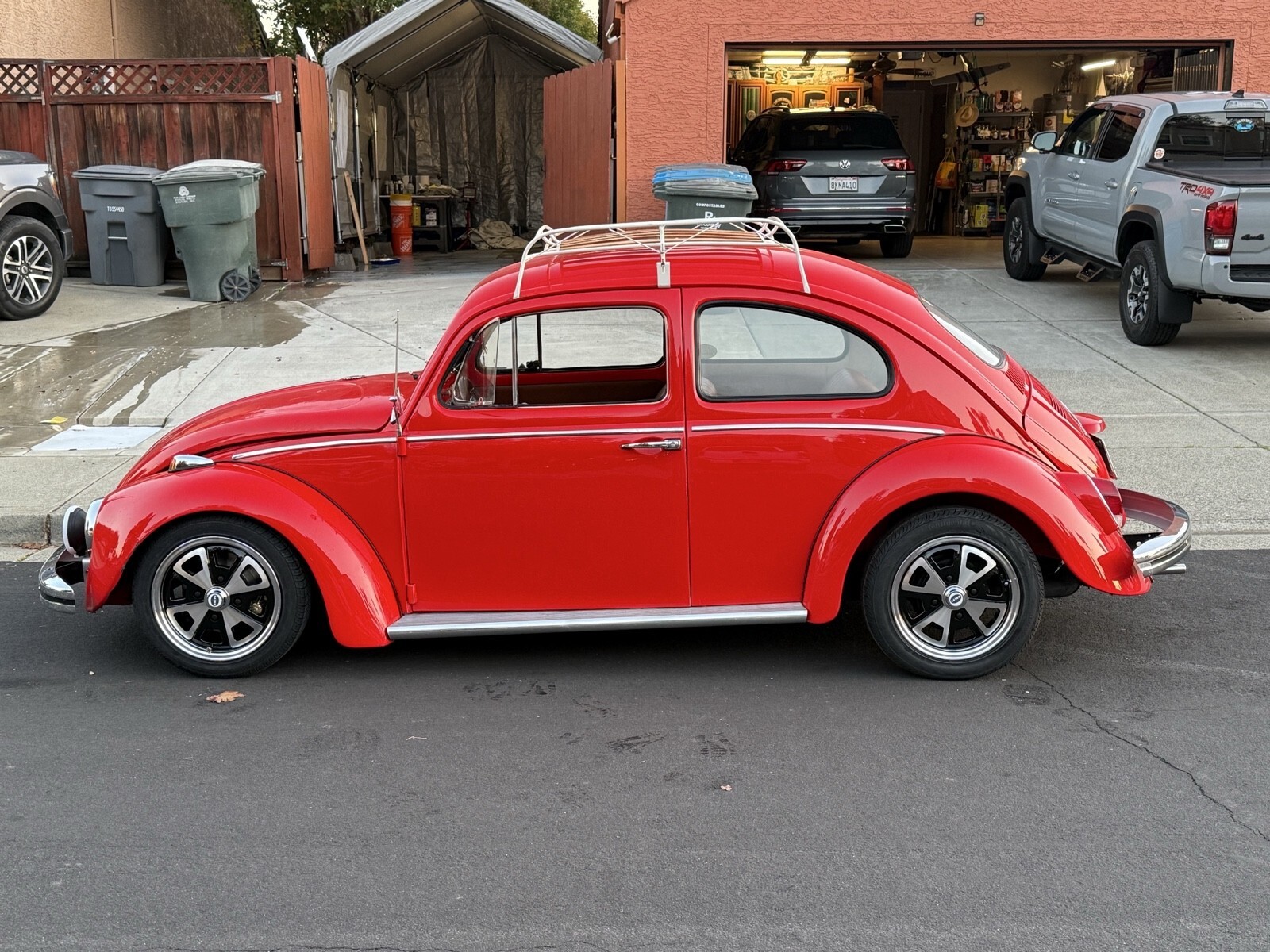
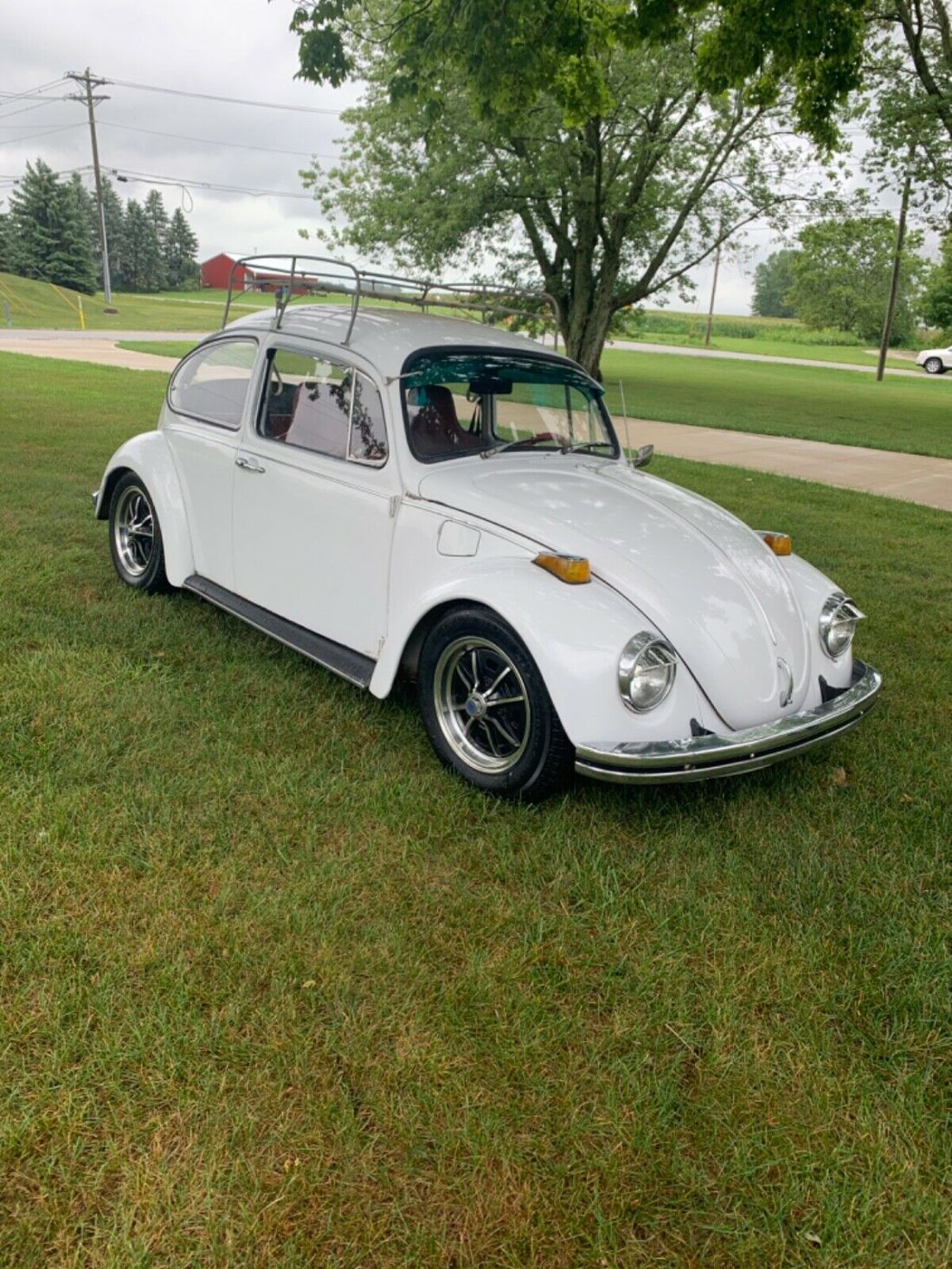
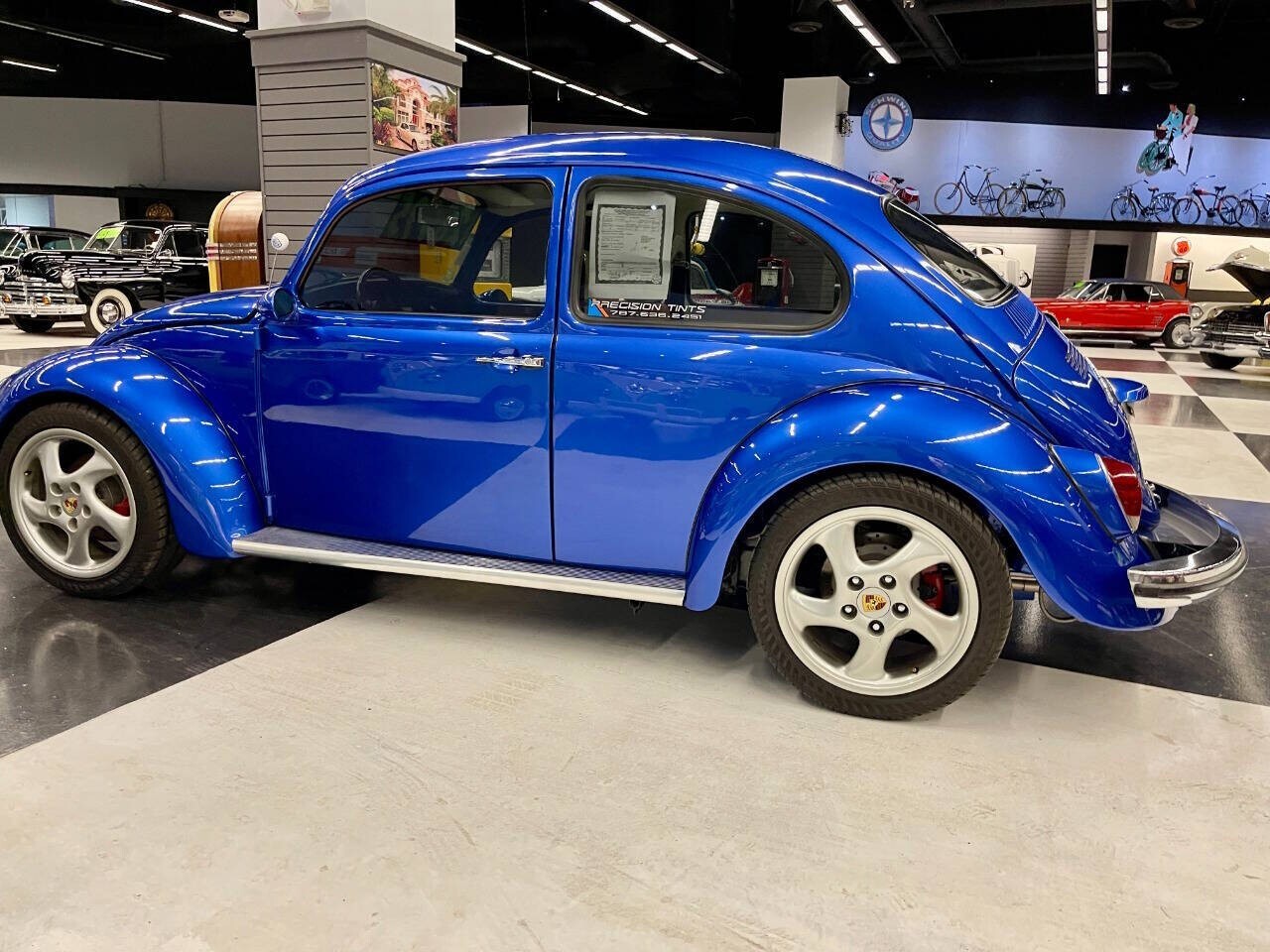
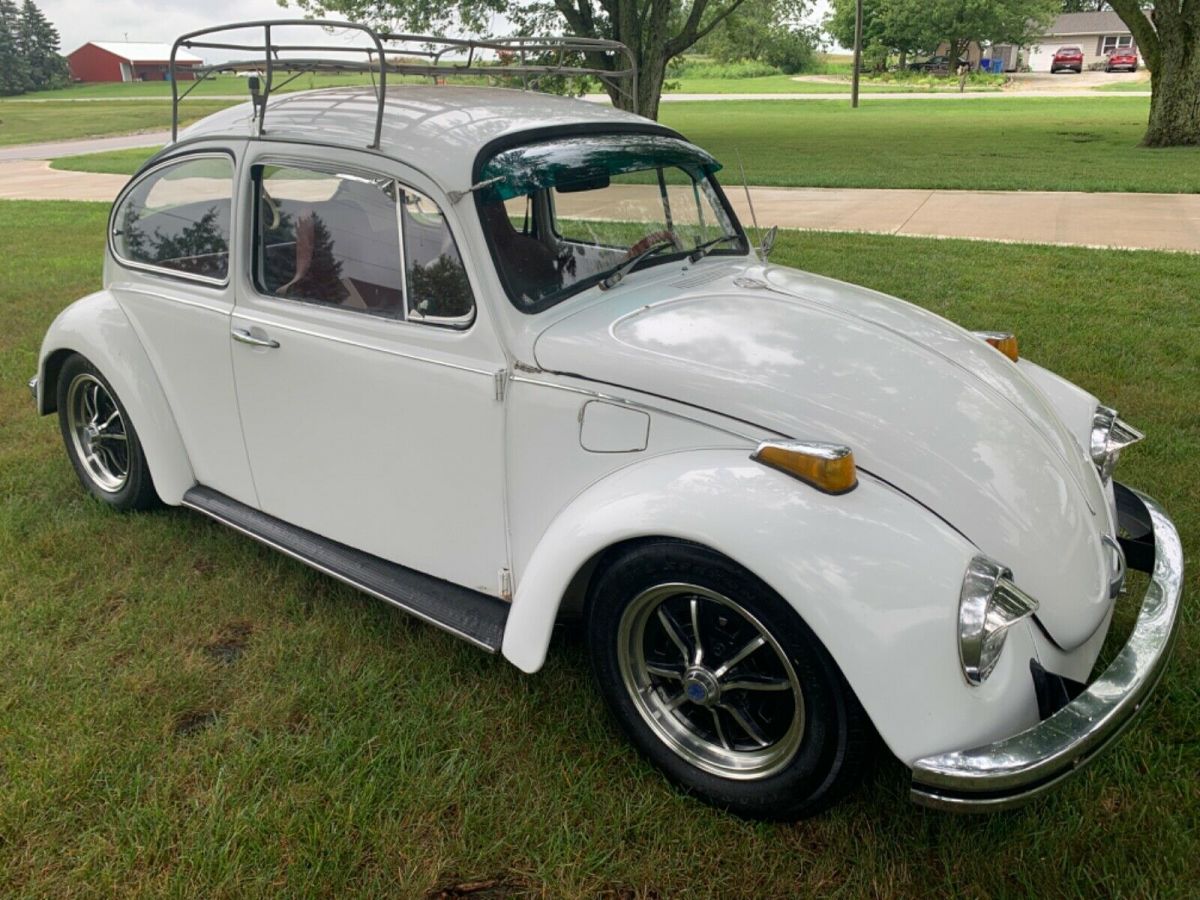
The 1970 Volkswagen Beetle typically weighs between 1,764 and 1,874 pounds (800 to 850 kilograms) in its factory-stock configuration, depending on the specific body style, engine size, and regional market specifications. Understanding this exact weight is essential for vehicle registration, suspension tuning, towing behind a motorhome, and evaluating performance characteristics of the classic air-cooled German sedan.
The Foundations of the 1970 Volkswagen Beetle Platform
The 1970 model year represents a fascinating transitional era for the classic Volkswagen Type 1, universally known as the Beetle or Bug. By 1970, Volkswagen had introduced several vital updates to the chassis, body, and engine layout, yet the car retained its fundamental lightweight, rear-engine, rear-wheel-drive architecture. To fully understand the curb weight of a 1970 model, one must examine how Volkswagen engineered the vehicle using a robust central backbone frame bolted to a separate steel floorpan and a lightweight stamped-steel body shell.
Unlike modern unibody automobiles that rely on a continuous cage structure to absorb impacts and manage weight, the classic Beetle splits its structural integrity between the heavy floorpan and the bolt-on body. This unique construction method keeps the center of gravity relatively low, but it also means that replacing floor pans or adding heavy aftermarket stereo systems directly alters the car's weight distribution. Furthermore, the 1970 model year saw the introduction of the larger 1,600cc dual-port engine as standard equipment in many markets, replacing the smaller 1,500cc and 1,300cc options of previous years. This engine upgrade added a minor amount of mass over the rear axle, solidifying the classic rear-heavy weight bias that defines Beetle handling dynamics.
Standard Factory Specifications and Weight Variations
Pinpointing a single, universal weight for the 1970 Volkswagen Beetle is impossible because Volkswagen manufactured multiple trim levels, engine sizes, and body configurations. The standard sedan (often referred to as the Standard Beetle or Model 11) was lighter, while the semi-automatic Auto-Stick version and the convertible variant added significant pounds.
The standard factory curb weights for the various 1970 models demonstrate how factory options altered the scales:
- 1970 Standard Beetle (Sedan with Manual Transmission): Approximately 1,764 pounds (800 kg). This model featured the simpler front-end beam suspension and standard interior appointments.
- 1970 Beetle 1500 / 1600 (Export Models for North America): Approximately 1,830 to 1,874 pounds (830 to 850 kg). North American specification cars required heavier impact-resistant bumpers, safety equipment, and emissions plumbing, all of which contributed to the higher baseline weight.
- 1970 VW Beetle Convertible (Cabriolet): Approximately 1,984 pounds (900 kg). The heavy structural reinforcement required beneath the floorpan to compensate for the missing steel roof made the cabriolet noticeably heavier than its sedan counterpart.
- 1970 Beetle with Semi-Automatic (Auto-Stick) Transmission: Added roughly 55 to 70 pounds (25 to 30 kg) due to the torque converter, vacuum system, and specialized clutch components.
| Model Variant | Transmission | Approximate Curb Weight (lbs) | Approximate Curb Weight (kg) | Notable Weight Factors |
|---|---|---|---|---|
| Standard Sedan | 4-Speed Manual | 1,764 – 1,830 | 800 – 830 | Bare-bones interior, lightweight bumpers. |
| US Export Sedan | 4-Speed Manual | 1,850 – 1,874 | 839 – 850 | Heavy steel bumpers, safety padding, emissions gear. |
| Auto-Stick Sedan | 3-Speed Semi-Auto | 1,918 – 1,940 | 870 – 880 | Torque converter, complex hydraulic clutch components. |
| Convertible (Cabriolet) | 4-Speed Manual | 1,984 | 900 | Heavy frame reinforcements, folding top mechanism. |
Weight Distribution and Handling Characteristics
Knowing the total weight of a 1970 Volkswagen Beetle tells only half the story; understanding how that weight is distributed across the four wheels is vital for anyone restoring, modifying, or driving one of these vintage machines.
The 1970 Beetle maintains a notoriously rear-biased weight distribution, typically hovering around 40% on the front axle and 60% on the rear axle when unloaded. This layout stems from having the air-cooled flat-four engine, transmission, and final drive assembly all hanging behind the rear axle centerline. When fully loaded with passengers and cargo in the front luggage compartment (under the hood) and behind the rear seat, the weight balance shifts slightly, but the rear wheels continue to bear the brunt of the load.
This rear-heavy distribution yields distinct handling traits that every driver must respect:
- Traction in Low-Grip Conditions: In snow, rain, or loose gravel, the heavy weight directly over the drive wheels provides exceptional initial traction, allowing the Beetle to climb grades where front-engine cars might struggle.
- Lift-Off Oversteer: If a driver lifts abruptly off the throttle mid-corner, the transfer of weight combined with the rear-engine pendulum effect can cause the rear tires to lose lateral grip, resulting in sudden oversteer.
- Steering Feel: Because very little weight sits over the front wheels, the unassisted steering feels exceptionally light at highway speeds, requiring a gentle touch to avoid over-correcting.
How Modifications Impact the 1970 Beetle Weight
Few cars in automotive history have been customized as extensively as the Volkswagen Beetle. Over the decades, owners have added aftermarket parts, larger engines, and modern conveniences, all of which alter the vehicle's original weight profile. When calculating towing loads or selecting suspension springs, factoring in these modifications is mandatory.
Common modifications and their weight impacts include:
- Aftermarket Bumpers: Replacing the heavy original steel North American bumpers with lightweight European "T-bars" or fiberglass blades can shed up to 40 to 60 pounds from the front and rear extremities, noticeably lightening the steering feel.
- Audio Systems and Sound Deadening: Adding modern sound deadening material (such as Dynamat) to the floorpan, doors, and roof can easily add 30 to 50 pounds. Pair this with a subwoofer and amplifiers, and the car's weight creeps closer to a modern compact vehicle.
- Engine Swaps: Upgrading from the stock 1,600cc dual-port engine to a larger displacement Type 1 case (like a 1,914cc or 2,110cc) adds negligible weight since the external dimensions remain identical. However, switching to a Type 4 engine or a Subaru EJ-series liquid-cooled flat-four adds substantial weight, particularly over the rear axle, requiring upgraded rear torsion bars or coil-over shocks.
- Roll Cages and Safety Equipment: For vintage racing or rallying, installing a steel roll cage adds 70 to 120 pounds, which changes the vehicle's center of gravity and necessitates suspension recalibration.
Practical Implications for Towing, Transporting, and Registration
The remarkably low weight of the 1970 Volkswagen Beetle offers immense practical advantages for classic car enthusiasts who travel, participate in rallies, or maintain a home garage.
When transporting a 1970 Beetle behind a motorhome using a tow dolly or loading it onto a flatbed trailer, the low gross vehicle weight rating (GVWR)—which typically sits around 2,645 pounds (1,200 kg) total capacity—makes it compatible with almost any standard single-axle car trailer. Many standard light-duty trucks and SUVs can tow a Beetle and a trailer without exceeding their towing capacity limits.
From a maintenance and structural support perspective, the light weight means that even simple garage equipment, such as hydraulic floor jacks and jack stands rated for two tons, offers a generous safety margin when lifting the vehicle. However, restorers must exercise caution: lifting a Beetle by the wrong structural points—such as the heater channels or rusted floor pan edges—can cause severe body distortion because the body shell relies entirely on the chassis backbone for rigidity.
Frequently Asked Questions
How much does a stock 1970 VW Beetle weigh in pounds?
A stock 1970 VW Beetle sedan weighs between 1,764 pounds and 1,874 pounds, depending on whether it is a European domestic model or a heavier North American export model equipped with safety bumpers and emissions controls.
Is the 1970 VW Beetle heavier than earlier models?
Yes, generally. The 1970 model is slightly heavier than early 1960s Beetles because Volkswagen progressively strengthened the chassis, widened the track, and incorporated safety updates. The introduction of larger displacement engines also added minor mass over earlier, smaller-displacement variants.
How does the weight of a Beetle convertible compare to the sedan?
The convertible (Cabriolet) version is significantly heavier than the sedan, weighing approximately 1,984 pounds. This extra weight comes from extensive steel reinforcements welded underneath the floorpan and body to make up for the structural integrity lost by removing the fixed steel roof.
Can I tow a 1970 VW Beetle behind a standard RV?
Yes. Because the car weighs under 1,900 pounds, it is exceptionally easy to tow. Many RV owners use a tow bar connected to the front bumper mounts or place the rear-wheel-drive car on a standard tow dolly with the rear wheels on the ground (though disconnecting the shift linkage or towing with all four wheels off the ground is recommended to protect the transmission).
Does removing the bumpers make a noticeable difference in weight?
Removing the heavy factory steel bumpers—particularly the heavy "elephant foot" bumpers found on US-spec 1970 models—can reduce the car's total weight by roughly 40 to 60 pounds. This reduction lightens the front end slightly, which changes steering feedback at low speeds.
Conclusion and Next Actions
Understanding that a 1970 Volkswagen Beetle weighs roughly 1,764 to 1,874 pounds provides a solid foundation for accurate maintenance, safe towing, and proper suspension tuning. If you are preparing to transport your Beetle, verify your trailer's payload capacity against its curb weight plus any aftermarket additions. For those tuning suspension components, always account for the heavy 60/40 rear weight bias to ensure optimal tire pressures and handling stability on the road.