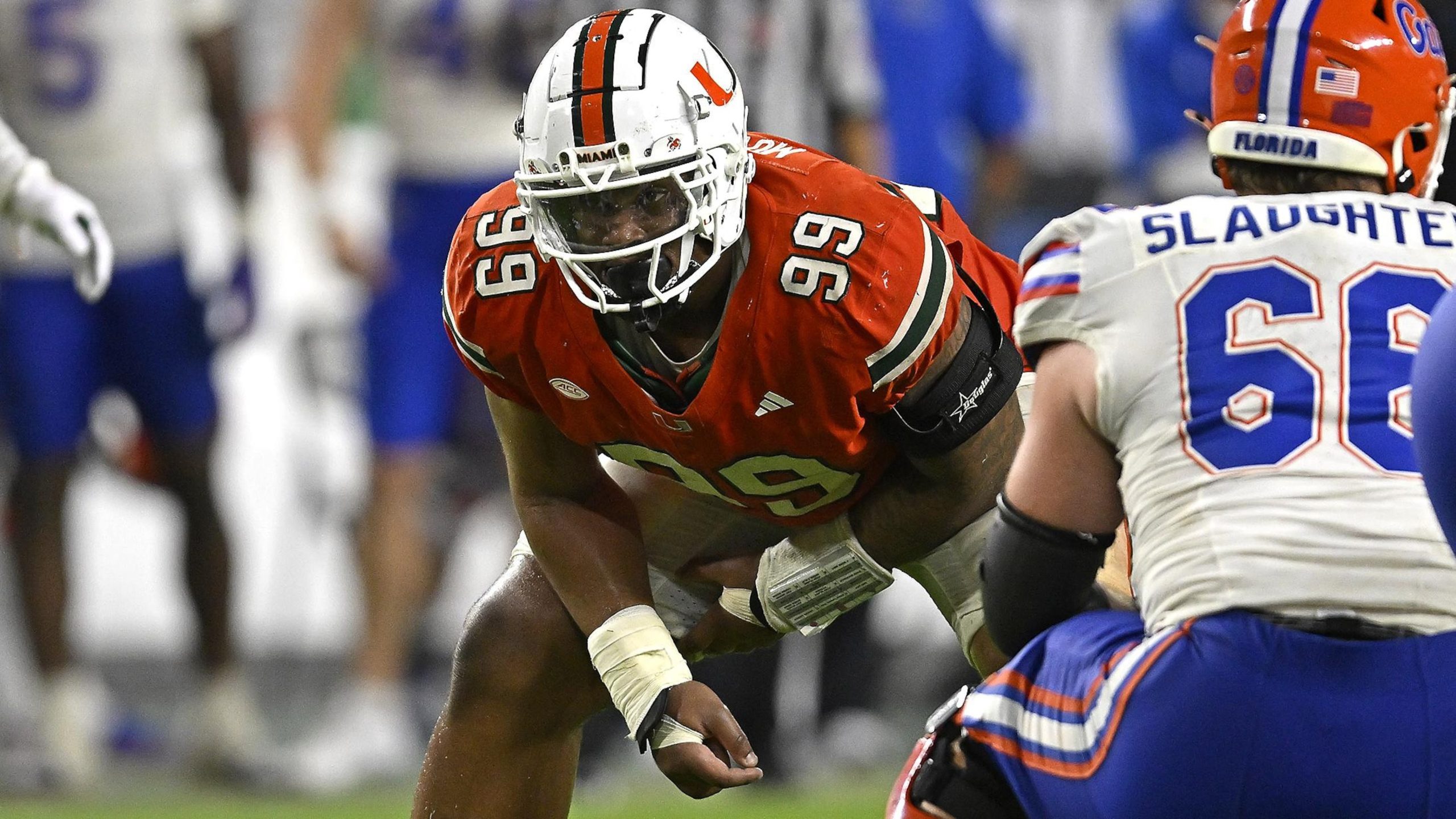
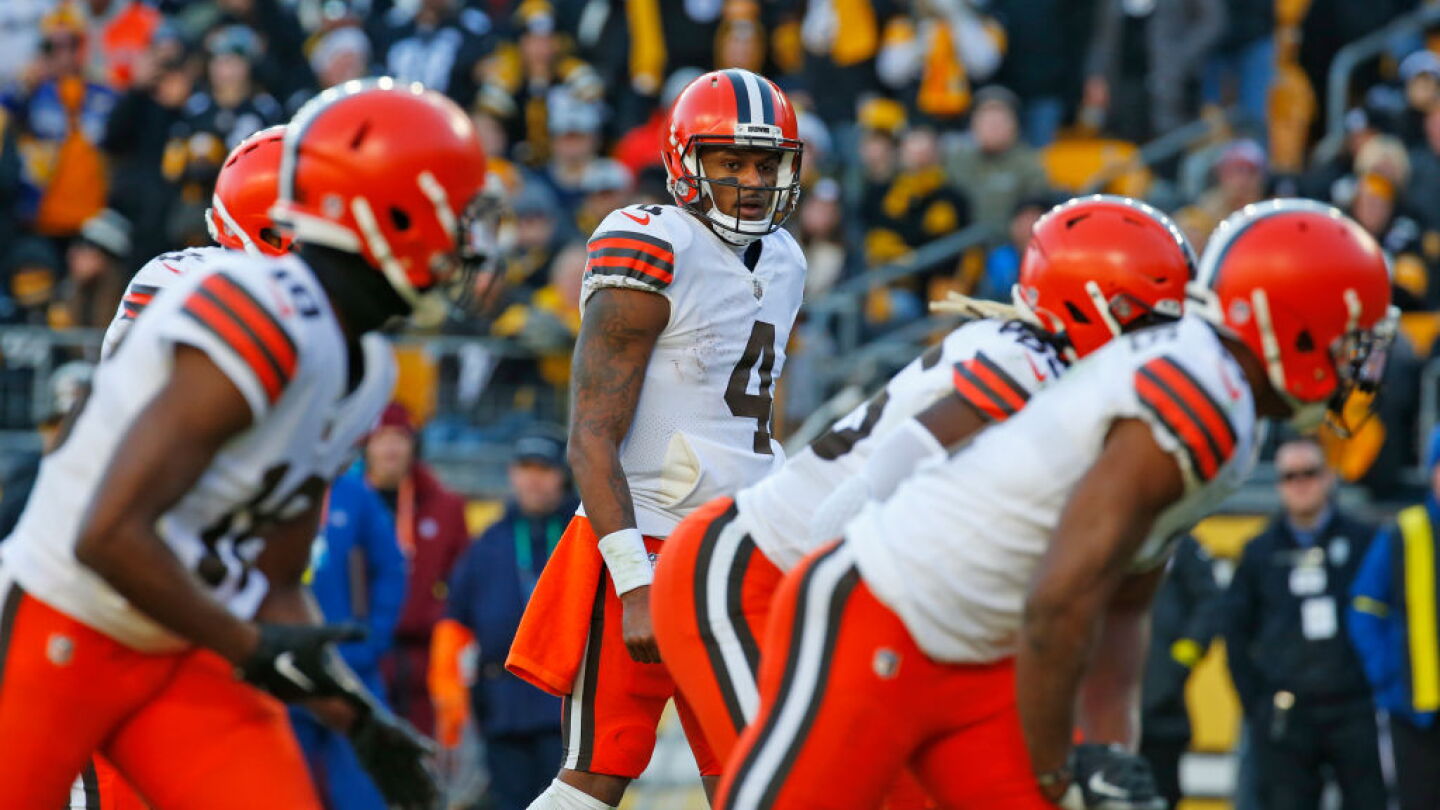
The phrase "17 Cleveland Browns draft picks shaped a new era" points to a transformative multi-year roster construction strategy that fundamentally altered the franchise's competitive trajectory, shifting a historically rebuilding team into a consistent contender through foundational draft capital and strategic selections.
Evaluating the trajectory of a professional sports franchise requires looking beyond single-season outcomes and examining the structural accumulation of talent. For the Cleveland Browns, a specific sequence of foundational draft classes laid the groundwork for a cultural and competitive reset. By examining how high-value draft picks, strategic trades, and subsequent selections integrated into the roster, analysts can understand the mechanical shifts that define a modern NFL rebuilding project. This analysis explores the core draft philosophy, individual positional impacts, financial implications, and the long-term legacy of these 17 pivotal selections.
The Strategic Blueprint: Accumulating Draft Capital
Every modern professional football turnaround begins in the front office with asset management. To shape a new era, leadership must prioritize the acquisition and retention of high-value draft capital. This process involves strategic trading of veteran assets for future selections, maximizing compensatory pick formulas, and maintaining flexibility under the league's salary cap structure.
The strategy behind securing these 17 pivotal draft choices relied heavily on patience and forward-looking evaluation. Rather than seeking immediate, short-term Band-Aids via high-priced free agency, the organization committed to building a sustainable core through the annual draft. This methodology preserves financial flexibility, allowing a franchise to pay its own drafted talent when rookie contracts expire while maintaining enough capital to acquire complementary veterans.
Evaluating Value Beyond the First Round
While top-five selections naturally capture media attention, a truly transformative draft era requires hitting on selections across multiple days of the event. The architectural strength of a roster depends on finding foundational starters in the second, third, and fourth rounds.
- First-Round Impact: Establishing elite talent at premium positions such as quarterback, defensive end, and offensive tackle.
- Day-Two Consistency: Securing reliable starters at linebacker, defensive back, and interior line positions who provide positive value relative to their slotted salaries.
- Late-Round Depth: Uncovering developmental prospects who eventually turn into core special teams contributors or situational starters.
Positional Impact and Roster Construction
Transforming a roster requires addressing premium positions first. In the modern National Football League, success is dictated by the ability to protect the passer, disrupt the opposing quarterback, and execute efficiently in the passing game. The 17 selections that defined this era targeted these exact organizational pain points.
Offensively, the investment centered on building an elite trench unit and securing a dynamic offensive playmaker. Defensively, the focus shifted to creating a disruptive pass rush and a secondary capable of handling modern spread offenses. Every selection in this core group was chosen not just for individual athletic profile, but for scheme fit and cultural alignment.
Key Foundational Selections Overview
| Category | Position Focus | Strategic Objective | Long-Term Value |
|---|---|---|---|
| Offensive Line | Tackle / Guard | Establish line of scrimmage dominance and run-game identity | Extended durability, clean pockets, high rushing efficiency |
| Pass Rush | Edge Rusher | Disrupt opponent passing schemes and create short fields | Defensive leadership, consistent pressure metrics |
| Skill Positions | Receiver / Back | Exploit defensive matchups and stretch the field vertically | Explosive play generation, scoring conversion rates |
| Secondary | Cornerback / Safety | Limit high-powered passing attacks and force turnovers | Coverage versatility, third-down stop rate |
Financial Dynamics and the Rookie Wage Scale
The implementation of the collective bargaining agreement's rookie wage scale transformed how teams approach multi-year rebuilds. Drafting 17 high-impact players within a compressed window provides an immense economic advantage. Rookie contracts are cost-controlled for four years, with a fifth-year option attached to first-round choices.
This financial runway allows a front office to allocate funds toward retaining established veterans or acquiring marquee talent via trades and free agency. However, it also introduces a future financial challenge: the inflection point where multiple cornerstone players require second contracts simultaneously. Managing this cap space requires precise forecasting, careful restructuring, and difficult decisions regarding veteran retention versus incoming rookie replacements.
The Balancing Act of Second Contracts
When a draft class successfully shapes a new era, the subsequent challenge is maintaining that talent without crippling the franchise's long-term financial health.
- Rookie Contract Window: Maximizing production while players are on affordable, slotted deals.
- Extension Planning: Identifying true franchise cornerstones early to negotiate extensions before market inflation peaks.
- Depth Replacement: Utilizing ongoing draft assets to replace outgoing veteran role players whose market value exceeds their on-field value to the team.
Cultural Shift and Locker Room Identity
Talent acquisition is only the mechanical half of a franchise transformation; the other half is cultural. Bringing in 17 high-pedigree draft picks changes the demographic and competitive temperament of a locker room. Young, hungry players push established veterans, raising the baseline practice habits and accountability standards across the facility.
Coaching staffs must adapt their development pipelines to accelerate the learning curve for these young selections. Veterans within the building play a critical mentoring role, guiding rookies through the grueling 17-game NFL schedule. When the draft picks respond to this environment, the franchise sheds its historical losing identity and builds a sustainable winning culture.
Long-Term Legacy and Lessons in Rebuilding
The ultimate test of any era-defining draft strategy is longevity. Did these 17 selections result in sustained playoff contention, or did they represent a brief window of success followed by another reset? Analyzing historical returns offers clear lessons for football operations executives across the league.
Sustainable success requires continuous drafting rather than resting on a single successful multi-year window. Front offices must remain disciplined, avoiding the temptation to mortgage future drafts for short-term fixes once the foundational core is established.
Frequently Asked Questions
What defined the drafting strategy during this era?
The strategy centered on accumulating high-value draft capital through strategic asset management, prioritizing premium positional value in early rounds, and establishing cost-controlled depth through day-two selections.
How did the rookie wage scale impact this roster build?
The rookie wage scale allowed the franchise to field a talented core at a fraction of veteran market costs, creating financial flexibility to surround young talent with strategic free agents and retain future capital.
Why are day-two draft picks critical to a rebuild?
Rounds two through four provide cost-effective starters who fill crucial supporting roles, ensuring the team does not rely solely on expensive free agents or volatile late-round fliers to complete the roster.
What challenges arise when multiple drafted players need extensions?
Managing a wave of expiring rookie contracts requires precise salary cap forecasting, difficult choices on veteran departures, and continuous replenishment of depth via subsequent drafts.
How does a large influx of rookies change team culture?
A high volume of talented young players increases daily competition in practice, shifts the locker room demographic toward youth and athleticism, and raises overall accountability standards.
Next Actions and Strategic Recommendations
For analysts and enthusiasts studying roster construction, evaluating a team's draft history requires looking past surface-level draft grades. Track how front offices manage their second-contract phases, how they replenish departing depth, and how coaching staffs adapt schemes to maximize the specific skill sets of their premium selections. Sustainable NFL success is an ongoing process of asset evaluation, financial forecasting, and disciplined execution.