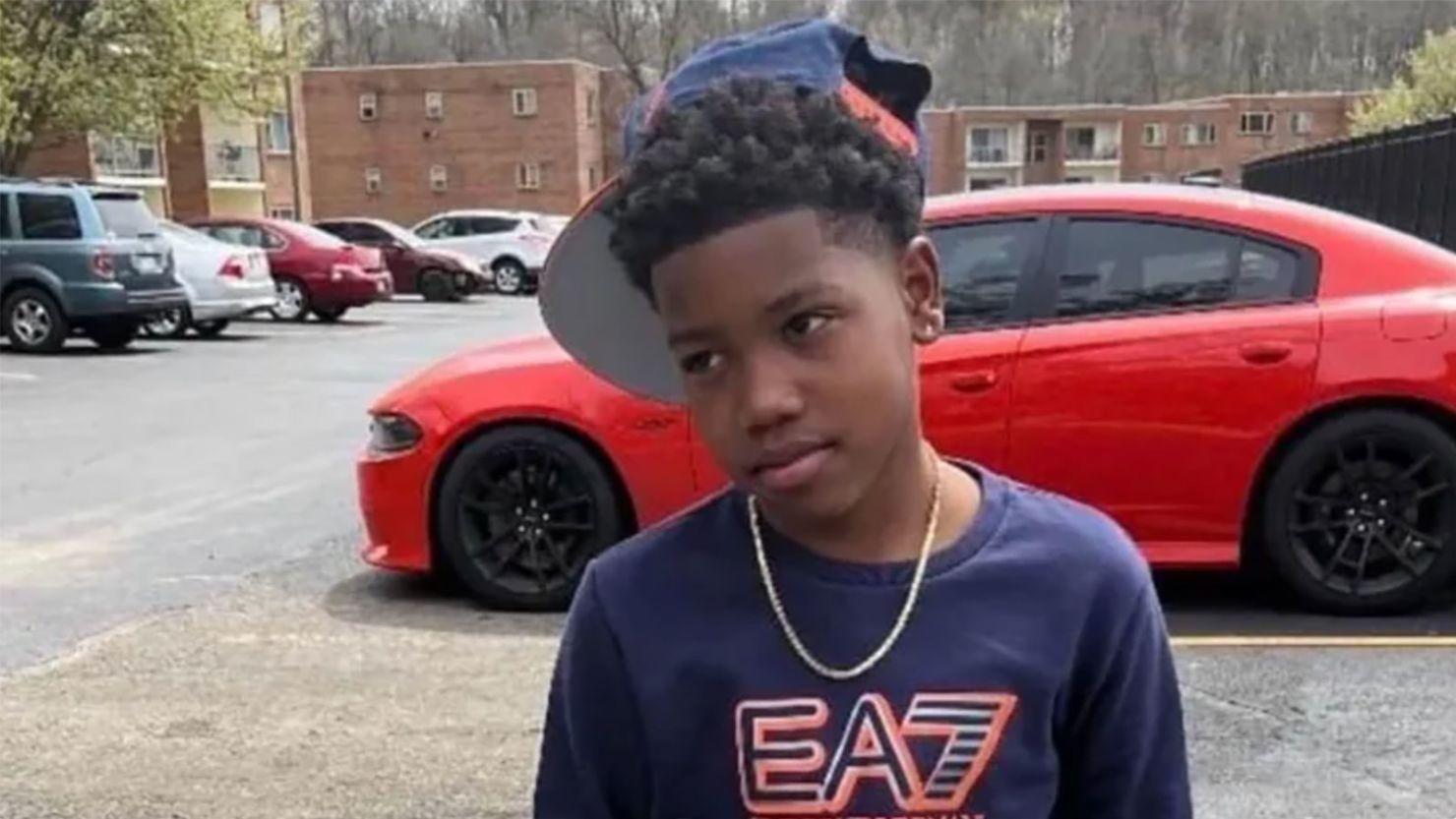
When young media talent steps into a professional broadcasting environment, the results can capture the public imagination in unexpected ways. The remarkable appearance of a 12-year-old anchor on Cincinnati Channel 12 News stands out as a memorable moment in local television, showcasing poise, dedication, and the power of youth mentorship in modern media.
Understanding the Phenomenon of Youth in Broadcasting
The intersection of youth ambition and professional media production is a rare occurrence that requires careful planning, adherence to labor guidelines, and strong support from seasoned journalists. When a young person takes the anchor desk, it is rarely a random event. Instead, it is usually the result of unique educational outreach programs, community engagement initiatives, or special feature segments designed to highlight extraordinary youth achievements.
In the case of Cincinnati's Local 12 (WKRC-TV), community-focused programming occasionally opens doors for aspiring minds to experience the inner workings of a newsroom. While children do not routinely anchor commercial newscasts due to regulatory, operational, and educational constraints, special segments or shadow programs allow exceptional students to step into the spotlight. This particular instance drew significant local attention, highlighting how traditional broadcast media can inspire the next generation of journalists, reporters, and producers.
The Role of Local 12 (WKRC-TV) in Cincinnati Media
WKRC-TV, commonly known as Local 12, has a long-standing history in the Cincinnati television market. Operating as the CBS affiliate for the region, the station delivers daily news, weather, and investigative reporting to hundreds of thousands of viewers across Ohio, Kentucky, and Indiana.
For a regional newsroom of this scale, inviting a young guest to co-anchor or participate in a broadcast involves a structured approach. Broadcasters must balance entertainment value with journalistic integrity, ensuring that any guest segment aligns with Federal Communications Commission (FCC) guidelines and station standards. When a youth participant demonstrates remarkable composure, public speaking skills, and genuine curiosity, it resonates deeply with viewers who appreciate wholesome, uplifting local news stories.
Behind the Scenes: Preparation and Execution of a Youth Anchor Segment
Stepping onto a live television set is an intimidating experience even for seasoned professionals. For a pre-teen, the environment requires navigating complex technical infrastructure, including teleprompters, studio cameras, earpieces, and strict timing constraints.
- Newsroom Pitch / Selection
- Mentorship & Script Review
- Rehearsal & Timing Checks
- Live Studio Broadcast Execution
1. Selection and Vetting
Before any young person appears on air, station management and producers review their background, interests, and public speaking abilities. Often, these participants are selected through school journalism clubs, spelling bees, community service awards, or specialized STEM and arts programs.
2. Script Preparation and Rehearsal
To ensure a smooth broadcast, producers draft custom segments or adapt existing copy to fit the reading level and pacing of the young guest. Rehearsals in the studio help familiarize the child with camera angles, floor manager hand signals, and the rhythm of a live newscast.
3. Professional Guidance from Veteran Anchors
The success of such segments heavily depends on the support of the professional co-anchors. Experienced broadcasters act as mentors during the live transmission, guiding the guest through conversational handoffs, ad-libbing gracefully if technical glitches occur, and creating a welcoming, low-pressure atmosphere.
Community Impact and Viewer Reception
Modern television audiences are frequently saturated with fast-paced, high-stress news cycles covering politics, crime, and economic challenges. Consequently, feel-good human-interest stories involving talented youth serve as a welcome respite.
Viewer response to youth-oriented news segments is overwhelmingly positive. Social media sharing, positive station feedback, and community word-of-mouth amplify these moments far beyond the initial television broadcast window. For the local community in Cincinnati, seeing a bright, articulate 12-year-old succeed on a major platform fosters a sense of local pride and reinforces the value of youth education and extracurricular engagement.
Key Factors Driving Positive Viewer Engagement
- Authenticity: Unlike scripted entertainment, live television showcases genuine reactions, unfiltered enthusiasm, and real-time learning.
- Inspiration: Other children and teenagers watching the broadcast see a peer achieving extraordinary goals, which can spark interest in reading, public speaking, and journalism.
- Intergenerational Appeal: Parents, grandparents, and children can watch the segment together, bridging demographic gaps in traditional television viewership.
Comparative Overview of Youth Media Engagement Programs
Different stations and networks utilize various frameworks to engage young audiences. The following table outlines standard approaches used in regional broadcasting compared to specialized youth media camps.
| Program Type | Primary Objective | Supervision Level | Typical Output |
|---|---|---|---|
| Station Guest Segments | Community recognition & human interest | High (Executive Producers & Anchors) | Live broadcast interview or co-anchor appearance |
| Youth Journalism Camps | Skill development & education | Moderate (Instructors & Media Educators) | Recorded student packages or podcasts |
| School Broadcasting Clubs | Practical media literacy training | School Faculty & Local Mentors | Closed-circuit school morning announcements |
| Network Talent Searches | National entertainment & broadcasting | Rigorous Legal & Talent Management | Synergized network guest appearances |
Frequently Asked Questions
Can children legally work as news anchors on television?
Federal and state labor laws place strict regulations on the employment of minors in entertainment and broadcasting. While children can appear as guests, performers, or participants in specific exempted segments, full-time employment as a news anchor is subject to mandatory school attendance laws, maximum working hour limits, and required work permits issued by state departments of labor.
How do local news stations select youth guests for special segments?
Stations typically collaborate with local schools, non-profit organizations, youth leadership groups, or community charities. Candidates are often chosen based on academic achievements, unique talents, overcoming adversity, or winning regional competitions.
What qualifications do children need to participate in television broadcasting?
While formal qualifications are not required for guest spots, successful young participants usually demonstrate strong reading comprehension, clear articulation, confidence in public speaking, and the ability to follow rapid directions in a high-pressure studio environment.
Do youth anchors write their own news scripts?
Generally, professional news writers and producers draft the scripts to ensure factual accuracy, legal compliance, and appropriate pacing. However, young guests are often given input on the topics discussed or allowed to customize personal interview questions.
Where can viewers watch archived clips of Local 12 news segments?
Regional stations like Cincinnati Channel 12 (WKRC-TV) maintain digital archives on their official websites and verified YouTube channels, where viewers can search for specific human-interest stories, feature segments, and broadcast highlights.
Conclusion and Next Steps
The appearance of a talented 12-year-old anchor on Cincinnati Channel 12 News remains a shining example of how local media can engage, uplift, and inspire communities. For those interested in nurturing young media talent, exploring local school journalism programs, public speaking workshops, and media literacy initiatives provides a solid foundation. Whether pursuing a future in broadcasting or simply building essential communication skills, the journey begins with curiosity, practice, and supportive mentorship.