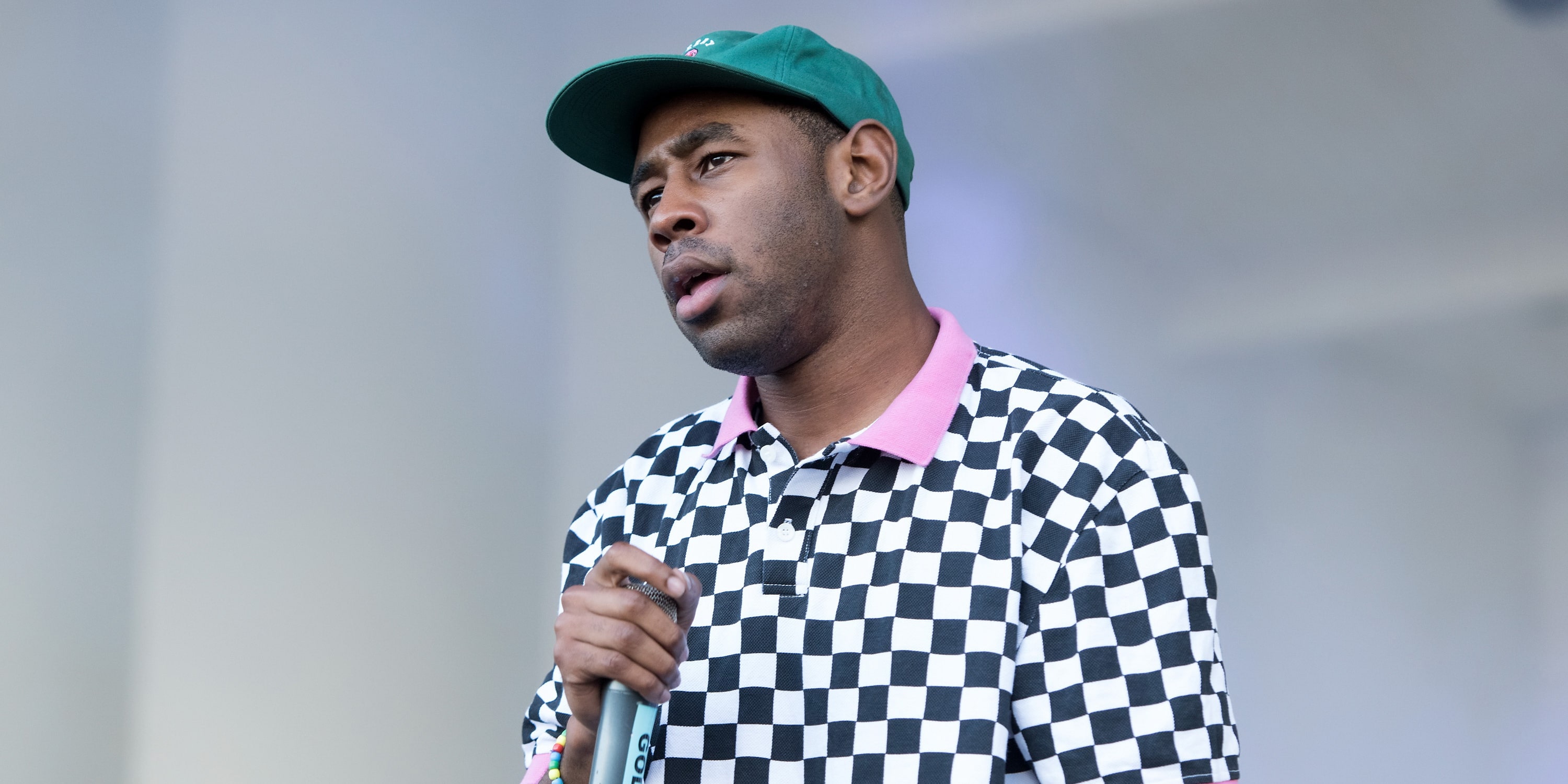
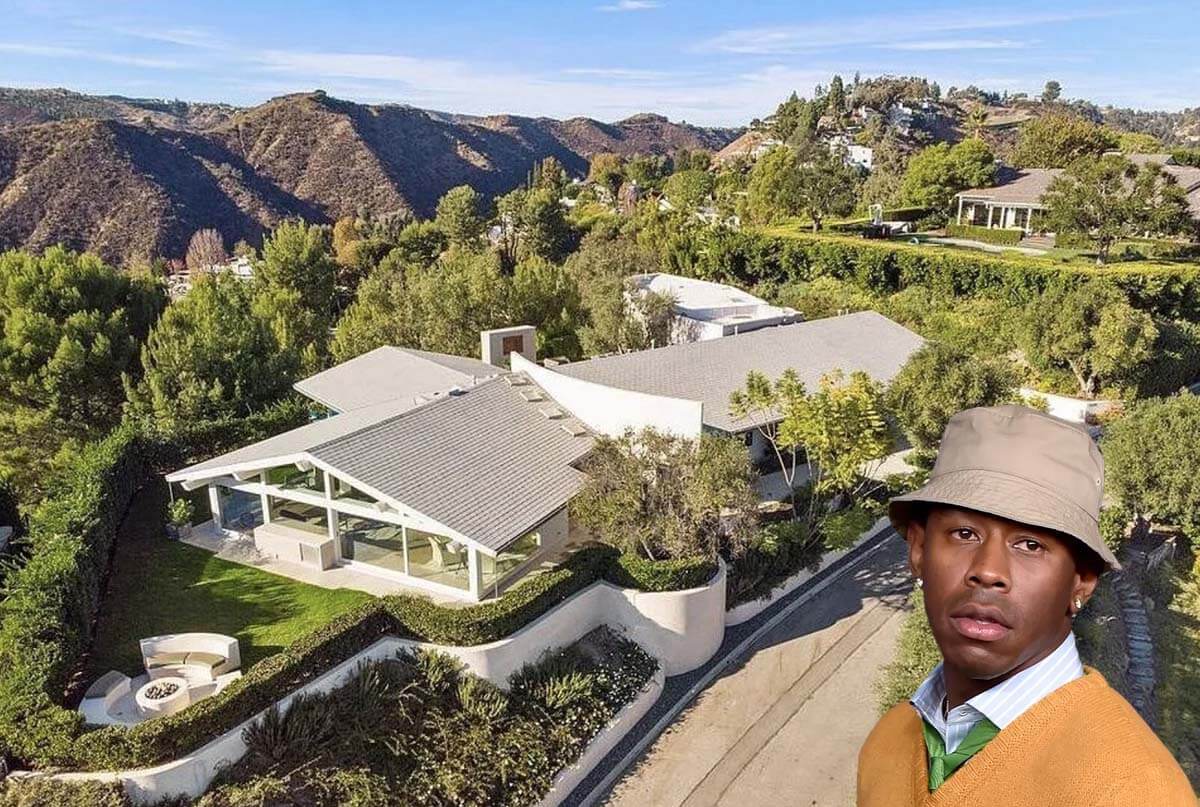
Tyler, the Creator achieved a milestone in 2019 when his estimated net worth reached approximately $12 million, a figure highlighted in financial profiles and cultural analyses by publications like Forbes around the release of his Grammy-winning album Igor. This valuation reflected a decade of relentless entrepreneurial expansion, transitioning from underground hip-hop collective founder to a multifaceted creator, fashion designer, festival curator, and executive producer.
The Genesis of Tyler, the Creator’s Financial Ecosystem
To understand how a self-taught musician and graphic designer built a multi-million-dollar valuation by 2019, one must examine the foundational years of his career. Born Tyler Gregory Okonma in Los Angeles, California, in 1991, he co-founded the alternative hip-hop collective Odd Future Wolf Gang Kill Them All (OFWGKTA) in 2007. Unlike traditional artists who signed away their masters and likeness rights to major labels early on, Tyler and his peers adopted a DIY ethos that prioritized independent ownership, merchandise design, and direct-to-consumer digital distribution.
During the early 2010s, Odd Future functioned as a cultural incubator. Tyler handled creative direction, album artwork, music video production, and merchandise concepts. While streaming payouts during the early-to-mid 2010s were notoriously modest for independent artists, the collective generated substantial revenue through touring, physical merchandise sales, and apparel drops. This direct-to-fan model laid the groundwork for sustainable independent wealth creation long before major institutional investors began taking notice of his business ventures.
Ownership and Creative Independence
A critical factor in Tyler’s financial trajectory is his insistence on creative and business control. By retaining ownership of his masters, publishing rights, and intellectual property, he positioned himself to capture a significantly higher percentage of revenue compared to artists bound by traditional 360-deal structures. This autonomy allowed him to scale his enterprises without diluting his equity, making him an attractive partner for global brands seeking authentic cultural alignment.
Key Revenue Streams Driving the 2019 Valuation
By the time Igor debuted at number one on the US Billboard 200 in May 2019, Tyler’s income was diversified across several distinct business verticals. Financial assessments from that period identified music streaming, touring guarantees, festival curation, and high-profile fashion collaborations as the primary pillars supporting his $12 million net worth.
1. Music Publishing, Streaming, and Recorded Output
By 2019, Tyler's catalog included critically acclaimed studio albums such as Goblin (2011), Wolf (2013), Cherry Bomb (2015), Flower Boy (2017), and Igor (2019). While early albums were released under independent and semi-major distribution deals (such as XL Recordings and RED Distribution), Flower Boy and Igor marked a shift toward major-label partnership via Columbia Records while maintaining his own imprint, Golf Wang.
Streaming revenue, sync licensing for television and commercials, and physical vinyl and CD sales contributed steadily to his annual earnings. Furthermore, writing and producing credits for other major artists expanded his mechanical and performance royalty streams.
2. Golf Wang and Apparel Merchandising
Long before fashion collaborations with luxury houses became standard for hip-hop artists, Tyler launched his apparel brand, Golf Wang, in 2011. Evolving from Odd Future merchandise, Golf Wang established itself as a distinct streetwear label characterized by pastel color palettes, bold graphics, and skate-culture aesthetics.
Unlike standard tour merch, Golf Wang operated as a full-fledged fashion line with seasonal collections, online drops, and pop-up retail stores in cities like Los Angeles and New York. The brand's high margins and loyal consumer base became a significant driver of Tyler’s private enterprise revenue.
3. Camp Flog Gnaw Carnival
In 2012, Tyler founded the annual music festival known as Camp Flog Gnaw Carnival (originally the Odd Future Carnival). Held annually at Dodger Stadium in Los Angeles, the two-day festival grew from a localized block party into a major destination event featuring multi-genre lineups, carnival rides, and exclusive merchandise booths.
As the primary curator and promoter through his creative network, Tyler secured substantial profits from ticket sales, corporate sponsorships, and exclusive on-site retail activations.
4. High-End Footwear and Brand Collaborations
Tyler’s transition from independent streetwear designer to luxury-adjacent collaborator solidified between 2017 and 2019. Following the end of his early footwear partnership with Vans, he signed a landmark global footwear and apparel deal with Converse in 2017. The Golf le FLEUR* collaboration—featuring floral-branded One Star sneakers and matching apparel—became a massive commercial success, driving millions of dollars in retail sales and earning him lucrative endorsement fees and design royalties.
Financial Overview of Tyler, the Creator’s Ventures (Circa 2019)
| Revenue Source / Venture | Primary Business Model | Financial Impact on Net Worth |
|---|---|---|
| Golf Wang (Apparel) | Direct-to-consumer streetwear, seasonal drops | High-margin retail revenue and brand equity |
| Converse (Golf le FLEUR*) | Global footwear and apparel partnership | Lucrative royalties, design fees, and global marketing reach |
| Camp Flog Gnaw Carnival | Annual music festival and experiential event | Substantial ticket sales, sponsorships, and on-site commerce |
| Music Catalog & Touring | Streaming royalties, sync licensing, and global tour guarantees | Consistent cash flow and peak album-cycle earnings (Igor) |
Media Profile and the Forbes Context
While financial publications like Forbes do not audit private accounts, wealth estimates for independent artists are typically derived from verified public data, including tour box office grosses reported by Billboard Boxscore, RIAA certification milestones, retail footprints, and interviews with industry executives.
The $12 million figure cited around 2019 served as a baseline conservative estimate of his liquid assets, real estate holdings (such as his properties in Los Angeles), and corporate valuations at that specific moment. It did not fully account for the long-term compounding value of his publishing catalog, subsequent real estate acquisitions, or the rapid post-2019 valuation growth of his apparel and festival businesses.
Subsequent Growth and Post-2019 Trajectory
While the 2019 Forbes profile captured a specific financial snapshot, Tyler’s business empire continued to scale rapidly in the years following Igor. Understanding this trajectory provides context for why the 2019 valuation was an inflection point rather than a ceiling.
- Grammy Success: Igor won the Grammy Award for Best Rap Album at the 62nd Annual Grammy Awards in 2020, boosting his global touring power and catalog valuation.
- Le Fleur (GOLF le FLEUR):* In late 2021, Tyler expanded his partnership with Lacoste and launched GOLF le FLEUR*, an independent luxury brand offering high-end apparel, nail polish, luggage, and sunglasses, positioning himself firmly in the luxury fashion market.
- Media Production: Through his company Wolf Haley Productions, he expanded into television production, creating animated series such as The Jellies! for Adult Swim and contributing music and voice acting to various media projects.
- Call Me If You Get Lost (2021): His sixth studio album debuted at number one on the US Billboard 200 and won the Grammy Award for Best Rap Album in 2022, accompanied by sold-out arena tours globally.
Frequently Asked Questions
How accurate is the 2019 Forbes profile regarding Tyler, the Creator’s net worth?
Financial estimates published by media outlets for independent artists are based on publicly available data regarding touring, streaming, and retail partnerships. Because private business valuations and real estate holdings are not fully public, figures like the $12 million estimate represent conservative baselines rather than audited balance sheets.
What was the main driver behind Tyler, the Creator’s wealth in 2019?
By 2019, Tyler’s revenue was diversified across music streaming, global touring, the Camp Flog Gnaw music festival, the Golf Wang apparel line, and his highly successful footwear collaboration with Converse under the Golf le FLEUR* banner.
Does Tyler, the Creator own his master recordings?
Yes, Tyler has consistently maintained ownership and creative control over his intellectual property, master recordings, and publishing rights, allowing him to capture a significantly higher share of long-term revenue than artists signed to restrictive traditional contracts.
How did the release of the album Igor impact his financial standing?
The release and commercial success of Igor in May 2019 propelled him to his first number-one album on the Billboard 200, significantly increasing his streaming revenues, merchandise sales, and performance fees for subsequent tour cycles.
What is the difference between Golf Wang and GOLF le FLEUR*?
Golf Wang is Tyler’s primary streetwear and skate apparel brand launched in 2011, characterized by accessible pricing and bold graphics. GOLF le FLEUR*, launched later in partnership with Lacoste and subsequently as a standalone entity, represents his entry into luxury fashion, focusing on premium materials, accessories, and elevated price points.
Practical Takeaways for Independent Creators
Tyler, the Creator’s financial evolution offers several key lessons for modern entrepreneurs and independent artists seeking sustainable career growth:
- Prioritize Intellectual Property Ownership: Retaining publishing and master rights ensures that as a brand grows, the creator retains the equity rather than third-party investors.
- Diversify Income Verticals: Relying solely on recorded music output exposes artists to market fluctuations. Combining music with physical apparel, experiential events (festivals), and corporate partnerships builds financial resilience.
- Maintain Authentic Brand Alignment: Partnerships—such as his work with Converse—succeed when they align with the creator’s authentic aesthetic rather than appearing as opportunistic endorsements.