Estimating the 1000 sq ft flooring cost requires factoring in both material choices and professional installation rates, with total expenses typically ranging from $3,000 to $15,000 or more. Hardwood and natural stone sit at the higher end of the pricing spectrum due to material expenses and specialized labor, while budget-friendly options like sheet vinyl, laminate, and carpet offer economical solutions for large spaces.
Understanding the Scope of a 1000 Square Foot Flooring Project
Calculating the budget for a 1000-square-foot flooring project requires looking beyond the basic cost per square foot of your preferred material. Homeowners often encounter hidden fees, preparatory expenses, and structural requirements that can significantly alter the final invoice. When dealing with a footprint of this size, even minor price fluctuations per square foot translate into substantial differences in the overall budget.
A thorough financial plan must account for subfloor preparation, old material removal, waste margins, and transition pieces. Whether you are remodeling a single sprawling level of a home or updating a large commercial office space, understanding the distinct variables that drive flooring costs will help prevent unexpected budget overruns.
Material Cost Breakdown per Square Foot
The raw material is usually the largest single line item in any flooring project, though its relative share of the total budget depends heavily on the quality and type of product selected. Manufacturers price materials based on durability, aesthetic appeal, scarcity, and manufacturing complexity.
Hardwood Flooring
Solid and engineered hardwood remain perennially popular due to their timeless appeal and ability to increase property value. Solid hardwood generally ranges from $6 to $12 per square foot for the material alone, while high-end exotic species can exceed $15. Engineered hardwood, which offers better dimensional stability in moisture-prone environments, typically spans from $4 to $10 per square foot.
Laminate and Luxury Vinyl
For homeowners seeking the look of wood or stone on a tighter budget, laminate and luxury vinyl tile or plank (LVT/LVP) present compelling alternatives. Standard laminate ranges from $2 to $6 per square foot, providing a rigid, scratch-resistant surface. Luxury vinyl flooring spans a similar range of $2 to $7 per square foot, with waterproof rigid-core options commanding higher prices due to their enhanced durability and ease of maintenance.
Tile and Stone
Ceramic and porcelain tile materials cost between $1 and $8 per square foot, making them versatile for kitchens, bathrooms, and laundry rooms. Natural stone options such as marble, slate, and travertine range from $5 to $15+ per square foot, requiring specialized cutting tools and higher installation precision.
Carpet
Carpet remains one of the most cost-effective soft flooring materials available. Standard residential carpet materials range from $2 to $5 per square foot, inclusive of basic padding. High-end wool or specialized patterned carpets can push material costs toward $8 to $10 per square foot.
Labor and Installation Expenses
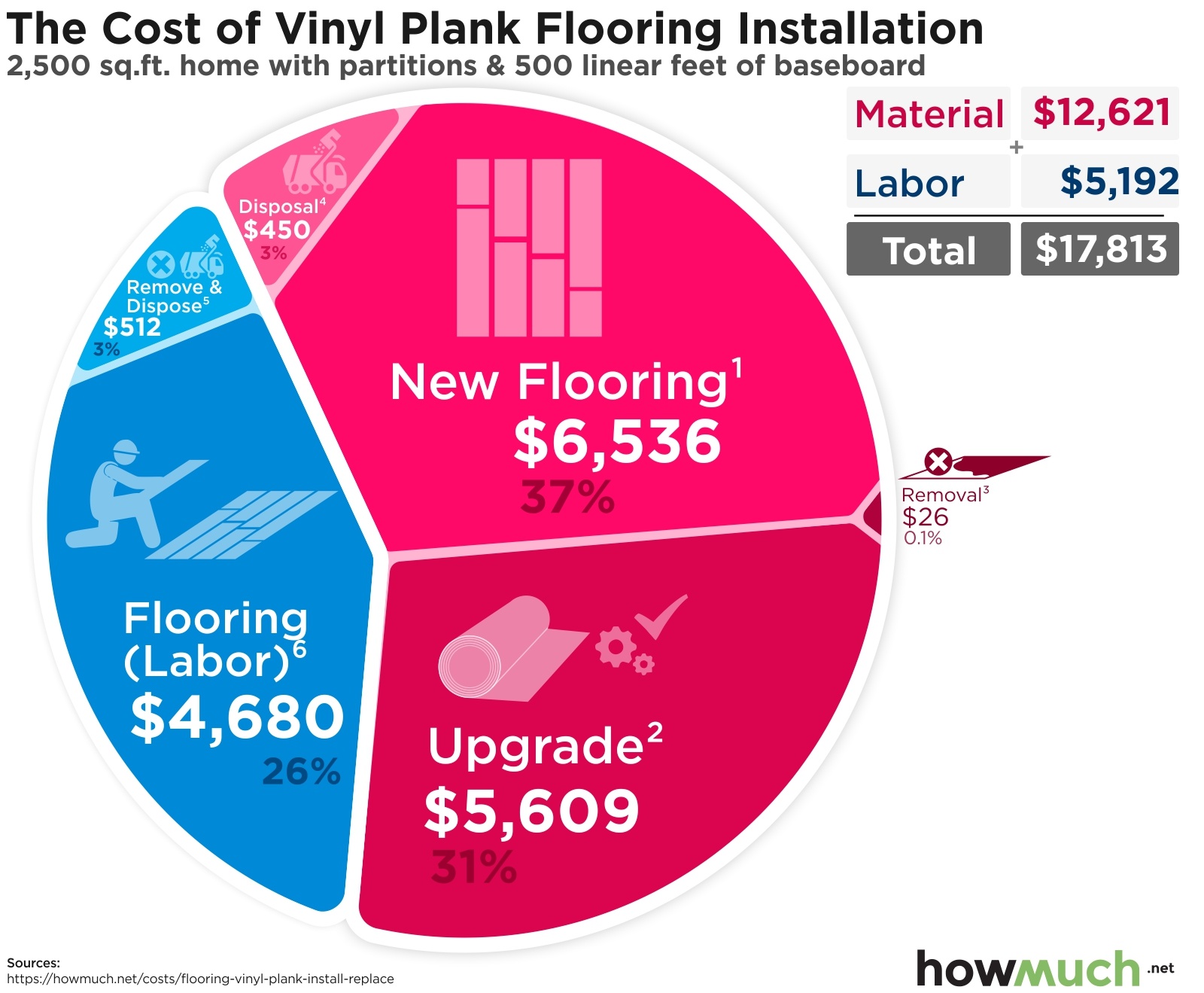
Labor rates for installing 1000 square feet of flooring vary significantly based on geographic location, contractor demand, and the complexity of the material being installed. Professional installers generally charge either by the square foot or through an hourly rate, with square-foot pricing being the industry standard for large projects.
- Carpet Installation: Typically ranges from $1 to $3 per square foot.
- Laminate and LVP Installation: Generally costs between $2 and $4 per square foot.
- Tile and Stone Installation: Ranges from $4 to $10+ per square foot due to the labor-intensive nature of layout, thin-set application, and grouting.
- Hardwood Installation: Usually costs between $3 and $8 per square foot, depending on whether it is nail-down, glue-down, or floating.
In addition to base installation fees, contractors may charge separately for moving heavy furniture, removing and disposing of old flooring, and cutting door jambs to fit new materials underneath.
Comprehensive Cost Comparison Table
| Flooring Type | Average Material Cost (Per Sq Ft) | Average Installation Cost (Per Sq Ft) | Total Estimated Cost for 1000 Sq Ft |
|---|---|---|---|
| Carpet | $2.00 – $5.00 | $1.00 – $3.00 | $3,000 – $8,000 |
| Laminate | $2.00 – $6.00 | $2.00 – $4.00 | $4,000 – $10,000 |
| Luxury Vinyl (LVP/LRT) | $2.00 – $7.00 | $2.00 – $5.00 | $4,000 – $12,000 |
| Tile (Ceramic/Porcelain) | $1.00 – $8.00 | $4.00 – $10.00 | $5,000 – $18,000 |
| Engineered Hardwood | $4.00 – $10.00 | $3.00 – $7.00 | $7,000 – $17,000 |
| Solid Hardwood | $6.00 – $15.00 | $3.00 – $8.00 | $9,000 – $23,000 |
Hidden and Supporting Costs to Anticipate
When budgeting for a 1000-square-foot installation, several secondary expenses often catch property owners off guard. Factoring these elements into your initial estimates prevents mid-project financial strain.
Subfloor Preparation
The condition of the underlying subfloor dictates how much preparatory work is required. If the subfloor is uneven, sagging, or water-damaged, contractors must level it using self-leveling compounds, replace rotted plywood, or install moisture barriers. Subfloor remediation can add anywhere from $1 to $4 per square foot if structural repairs are extensive.
Old Flooring Removal and Disposal
Tearing out and hauling away old carpet, tile, or glued hardwood requires significant labor and disposal fees. Removal costs typically range from $1 to $3 per square foot. Tile removal is particularly labor-intensive and dusty, often requiring specialized scraping equipment and higher disposal fees due to weight.
Waste and Overages
Industry standard practice dictates purchasing 5% to 10% extra material to account for cuts, patterns, corners, and installation mistakes. For a 1000-square-foot area, buying 1,070 to 1,100 square feet of material ensures you do not run short halfway through the project.
Trim and Moldings
Baseboards, quarter-rounds, and transition strips are necessary to achieve a polished look and cover expansion gaps. Depending on the linear footage of your walls and doorways, trim materials and installation can add $500 to $1,500 to the total bill.
Frequently Asked Questions
How much does it cost to install 1000 sq ft of luxury vinyl plank (LVP)?
Installing 1000 sq ft of LVP typically costs between $4,000 and $12,000 total. Material prices generally range from $2 to $7 per square foot, while professional installation adds another $2 to $5 per square foot, depending on subfloor conditions and labor rates.
Is it cheaper to install flooring myself or hire a professional?
DIY installation eliminates labor costs, potentially saving between $1,000 and $8,000 on a 1000 sq ft project. However, DIY requires specialized tools, significant physical labor, and precise execution. Mistakes can ruin expensive materials and void manufacturer warranties, making professional installation the safer choice for complex materials like hardwood and tile.
How long does a 1000 sq ft flooring installation take?
For most standard materials such as carpet, laminate, or luxury vinyl, a professional crew of two to three installers can complete a 1000 sq ft space in two to four days. Materials requiring complex subfloor leveling, tile grouting, or site-finished hardwood sanding and sealing may take one to two weeks.
Do I need to buy extra flooring material?
Yes. Contractors recommend purchasing an extra 5% to 10% of material to account for cuts, waste, and future repairs. For complex layouts with diagonal patterns, multiple angles, or intricate trim work, budgeting closer to 10% to 15% extra material is standard practice.
What is the most durable flooring for high-traffic areas?
Luxury vinyl plank, porcelain tile, and high-durability commercial-grade laminate rank as the top choices for high-traffic residential and commercial spaces. These materials resist scratching, moisture penetration, and heavy foot traffic significantly better than softwoods or standard carpeting.
Next Actions and Recommendations
To secure the best value for your 1000-square-foot flooring project, start by obtaining at least three detailed, itemized quotes from licensed and insured local contractors. Ensure each estimate explicitly breaks down material costs, labor rates, subfloor preparation fees, and old flooring disposal charges. Assess your lifestyle needs, moisture levels, and traffic patterns before finalizing your material selection to ensure your new floor delivers long-term durability and aesthetic satisfaction.