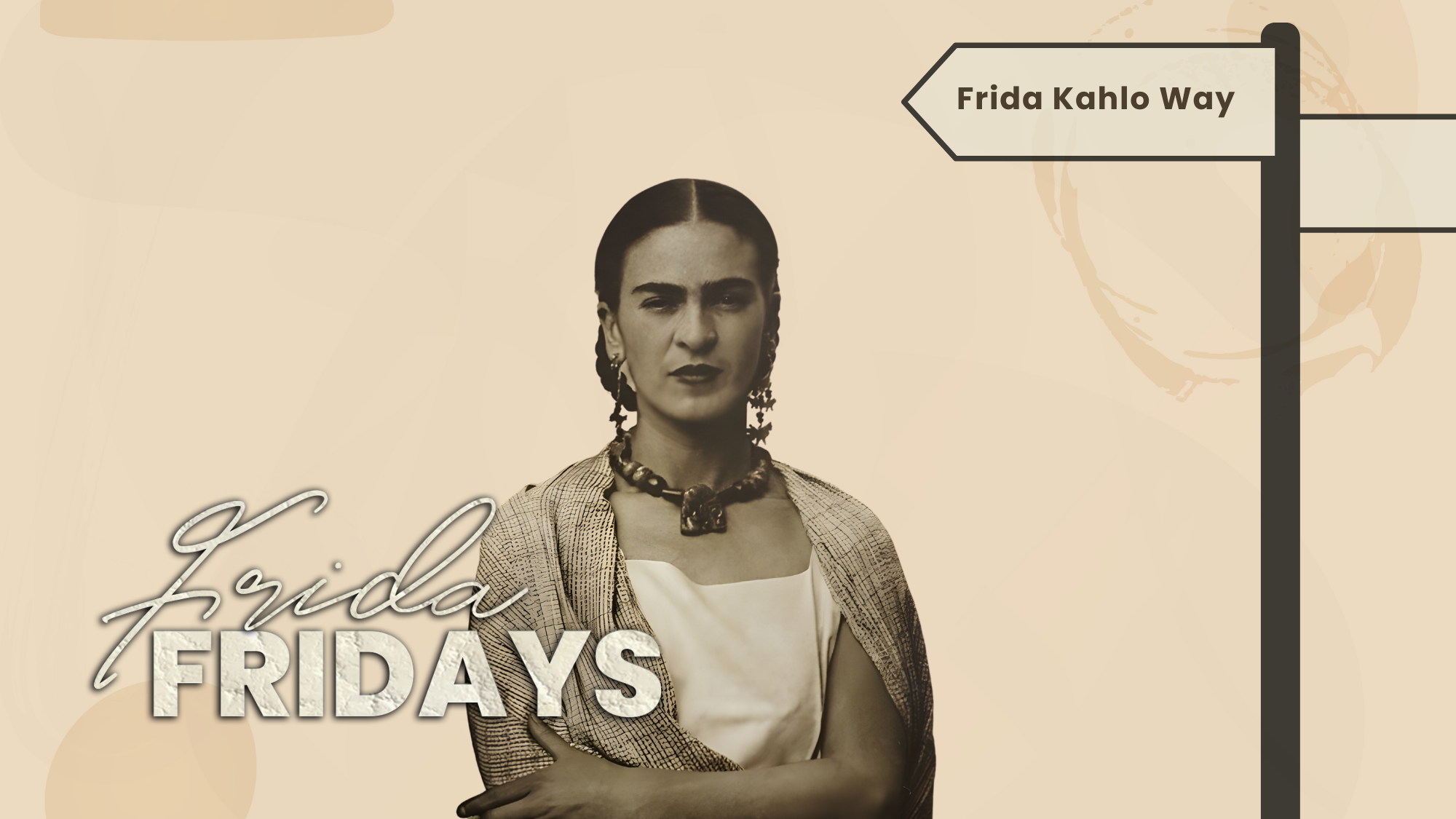
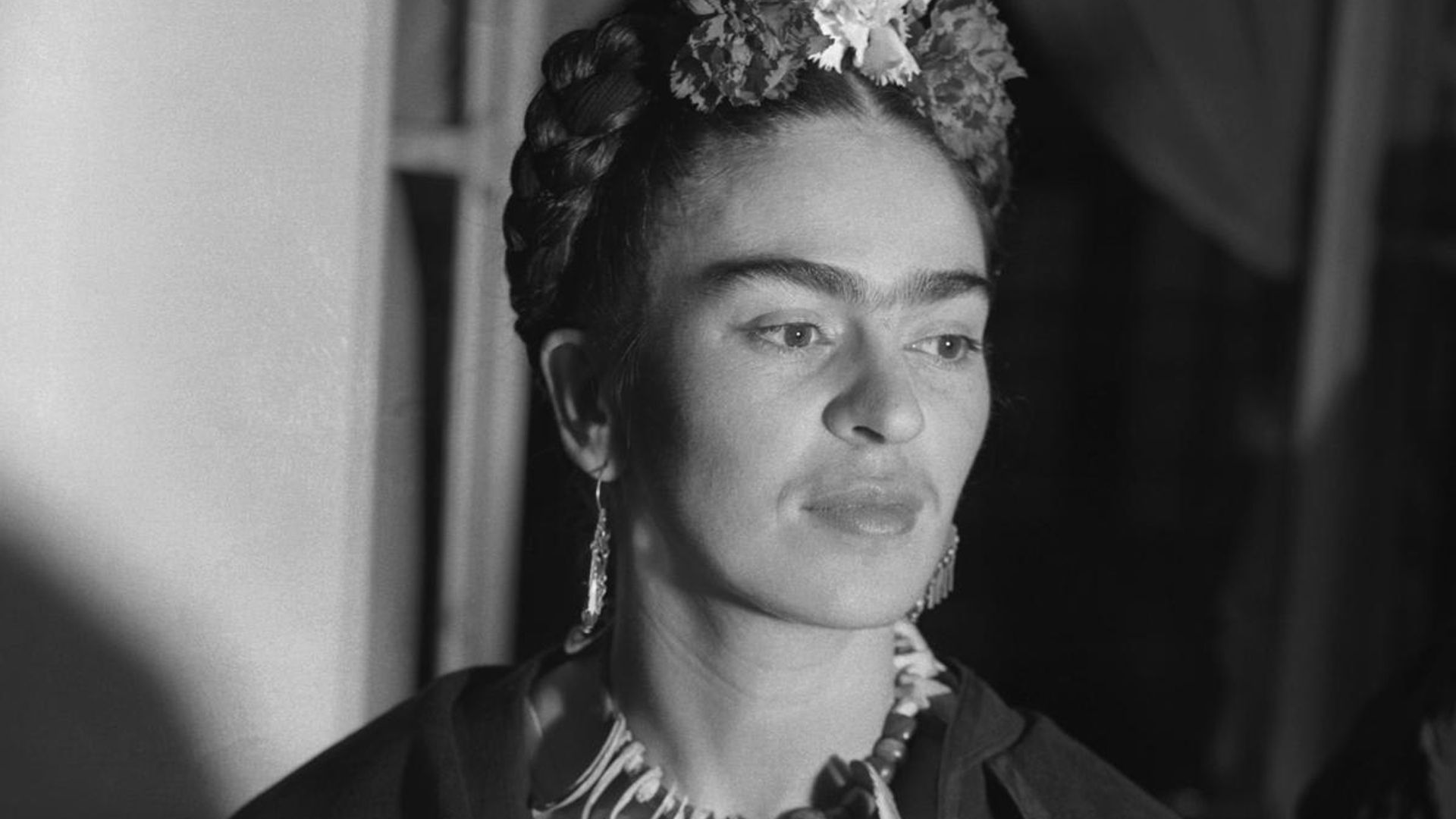
Frida Kahlo’s legacy has evolved from that of a tragic, pain-ridden icon to a complex figure of political defiance, technical mastery, and deliberate myth-making. By moving beyond the romanticized narrative of her physical suffering, one discovers a sharp-witted intellectual whose artistic choices were calculated instruments of cultural identity, gender performance, and revolutionary advocacy that resonate deeply in 2026.
1. The Engineering Ambition Pre-dating Her Art
While history often characterizes Kahlo’s entry into painting as a spontaneous reaction to her 1925 trolley accident, her academic foundation was rooted in the rigorous sciences. In 1922, she was one of only 35 girls accepted into the elite Escuela Nacional Preparatoria in Mexico City, where she studied medicine and natural sciences. This intellectual training is reflected in the anatomical precision and clinical detachment found in her later medical-themed paintings. Her mastery of composition was not merely intuitive; it was informed by a disciplined, logic-driven mind that viewed the body as a structural system rather than just a vessel for emotion.
2. A Calculated Construction of Identity
Kahlo’s adoption of the traditional Tehuana dress was not merely a stylistic preference; it was a highly political performance. As a student of the post-revolutionary Mexican identity, she used her clothing to align herself with the matriarchal culture of the Isthmus of Tehuantepec. By blending this indigenous aesthetic with European elements, she was actively engaged in "mestizaje," the reclamation of Mexican heritage. Her wardrobe became a mobile art installation, serving as a shield against the homogenization of Mexican identity during the early 20th century.
3. The Digital and Physical Preservation of the "Blue House"
La Casa Azul, where she was born and died, was not just a residence but a curated archive. In the decades following her death, the preservation of this space—now the Museo Frida Kahlo—has reshaped how we view her daily life. Recent digitization efforts allow researchers to access her personal letters and medical records with unprecedented clarity. These archives confirm that Kahlo was a conscious archivist of her own existence, meticulously labeling photographs and objects to ensure her narrative remained under her own control even after her passing.
4. Mastery of the Surrealist Label
Kahlo often rejected the "Surrealist" label, famously remarking, "They thought I was a Surrealist, but I wasn't. I never painted dreams. I painted my own reality." This distinction is critical for modern viewers. While Andre Breton attempted to claim her for the Surrealist movement based on the dreamlike quality of her imagery, Kahlo was grounding her work in the brutal, physical reality of her life. Recognizing her as a realist—albeit one who used symbolic iconography—shifts her position from a creator of fantasies to a documentarian of psychological and physical truth.
5. Radical Political Engagement
Beyond her relationship with Diego Rivera, Kahlo was an active and committed member of the Mexican Communist Party. Her dedication was not peripheral; she participated in political rallies, supported anti-fascist movements, and even sheltered Leon Trotsky. Her art frequently incorporated political symbols, including the hammer and sickle and the star, representing her aspiration for a post-colonial, egalitarian Mexico. Understanding her as an active political agent transforms the reading of her work from personal narrative to social manifesto.
6. The Intellectual Rigor of Her Symbolism
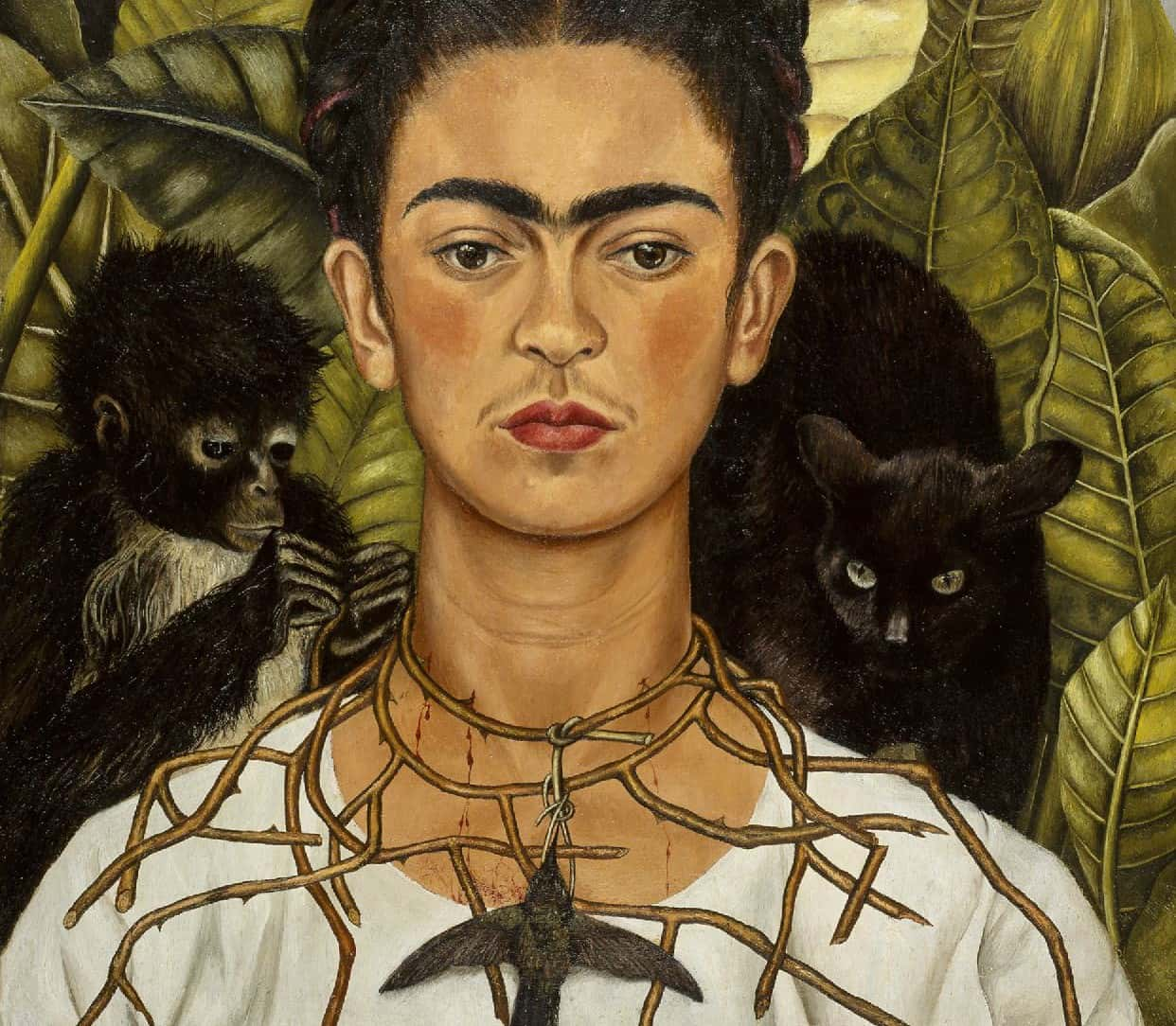
Kahlo’s use of animals—monkeys, deer, and parrots—is frequently misunderstood as mere whimsical decoration. However, in the context of Pre-Columbian mythology and modern Mexican nationalism, these choices were precise. The monkey, for instance, is a symbol of lust in Mexican mythology but also a totem of protection. By placing herself alongside these creatures, she was invoking ancient spiritual frameworks to comment on contemporary dilemmas, demonstrating a profound knowledge of the cultural anthropology of her ancestors.
7. The Rejection of Passive Victimhood
Historical accounts have often focused on her suffering to the exclusion of her agency. Viewing her legacy through her medical charts reveals that she was an active participant in her own surgeries and pain management. She often annotated her own medical documents with sketches and commentary, effectively reclaiming authority over the doctors and institutions that viewed her body as a failing machine. This agency is the true hallmark of her legacy: the ability to transform medical trauma into a subject of critical inquiry.
8. Financial Independence and Business Acumen
Kahlo’s artistic career was marked by a sophisticated understanding of the art market. She was the first 20th-century Mexican artist to have a work purchased by the Louvre. Her ability to navigate the galleries of New York, Paris, and Mexico City demonstrates that she was not just an artist, but an entrepreneur who understood the power of brand identity. Her "brand," consisting of her singular appearance, her home, and her lifestyle, was a deliberate creation that she used to secure her financial autonomy.
9. A Pioneer of Body Positivity and Fluidity
Kahlo’s depictions of her own body—often hair-covered, scarred, or broken—defied the beauty standards of the 1930s and 40s. She consistently blurred the lines between masculine and feminine expressions, appearing in suits in family photographs and refusing to adopt traditional grooming habits like shaving. In 2026, her work is viewed as a precursor to contemporary discussions on gender fluidity and bodily autonomy. She did not ask for permission to inhabit her space; she demanded it.
10. The Global Echo of "Fridamania"
The mass commercialization of Kahlo, often referred to as "Fridamania," has ironically helped cement her status as an icon for marginalized groups worldwide. While critics point to the dilution of her political message through merchandise, the ubiquity of her image has allowed her to serve as a beacon for diverse social movements. Whether in the context of disability rights, feminist organizing, or indigenous advocacy, her face has become a universal shorthand for the act of thriving despite structural and personal adversity.
Comparative Analysis of Key Themes
The following table outlines how traditional interpretations of Kahlo differ from contemporary analysis.
| Theme | Traditional View | Modern/2026 Perspective |
|---|---|---|
| Pain | A source of passive suffering | A raw material for self-actualization |
| Surrealism | A dream-based artist | A realist documenting personal truth |
| Fashion | Exoticism and aesthetic choice | Political statement of "mestizaje" |
| Romance | Primarily defined by Diego Rivera | A multifaceted life of independent agency |
| Body | A medical anomaly | A site of gender and identity negotiation |
Frequently Asked Questions
Did Frida Kahlo consider herself a Surrealist?
No. She explicitly rejected the label. She believed her paintings were an honest, literal representation of her life’s reality, which included both visceral pain and cultural symbolism, rather than a depiction of subconscious dreams.
What is the significance of the traditional clothing she wore?
Her Tehuana dresses served as a symbol of the matriarchal societies of Mexico. By wearing these clothes, she signaled her opposition to the Westernized fashion trends of the time and affirmed her pride in her indigenous heritage.
How did her medical condition affect her work?
Her physical condition dictated the medium and scale of many of her works. During periods of severe confinement, she painted small-scale works on metal plates (retablos), allowing her to remain productive while bedridden. Her medical history is not just context; it is the physical foundation of her art.
Was Frida Kahlo politically active?
Yes. She was a dedicated member of the Mexican Communist Party. Her political views shaped her worldview, her social circle, and the themes she chose to explore, including class struggle and the reclamation of Mexican national identity.
How has her legacy evolved by 2026?
In 2026, Kahlo is viewed less as a tragic heroine and more as a sophisticated intellectual who deliberately constructed her persona. The focus has shifted toward her agency, her political contributions, and her role as a pioneer in expressing identity and bodily autonomy.
Where can one view the most accurate records of her life?
The Museo Frida Kahlo (La Casa Azul) in Mexico City remains the primary repository for her personal belongings, journals, and private archives, which continue to provide the most accurate insights into her daily life and thought process.
Next Actions for Further Research
To gain a deeper understanding of Frida Kahlo's impact beyond her paintings, readers should access the digitized archives available through the Museo Frida Kahlo web portal. Researchers are encouraged to cross-reference her personal letters with her paintings from the same period to identify the correlation between her private thoughts and her public artistic statements. Engaging with original exhibition catalogs from her 1939 Paris show also provides critical insight into how her work was received by the international avant-garde and why she felt so alienated from the "surrealist" categorization.