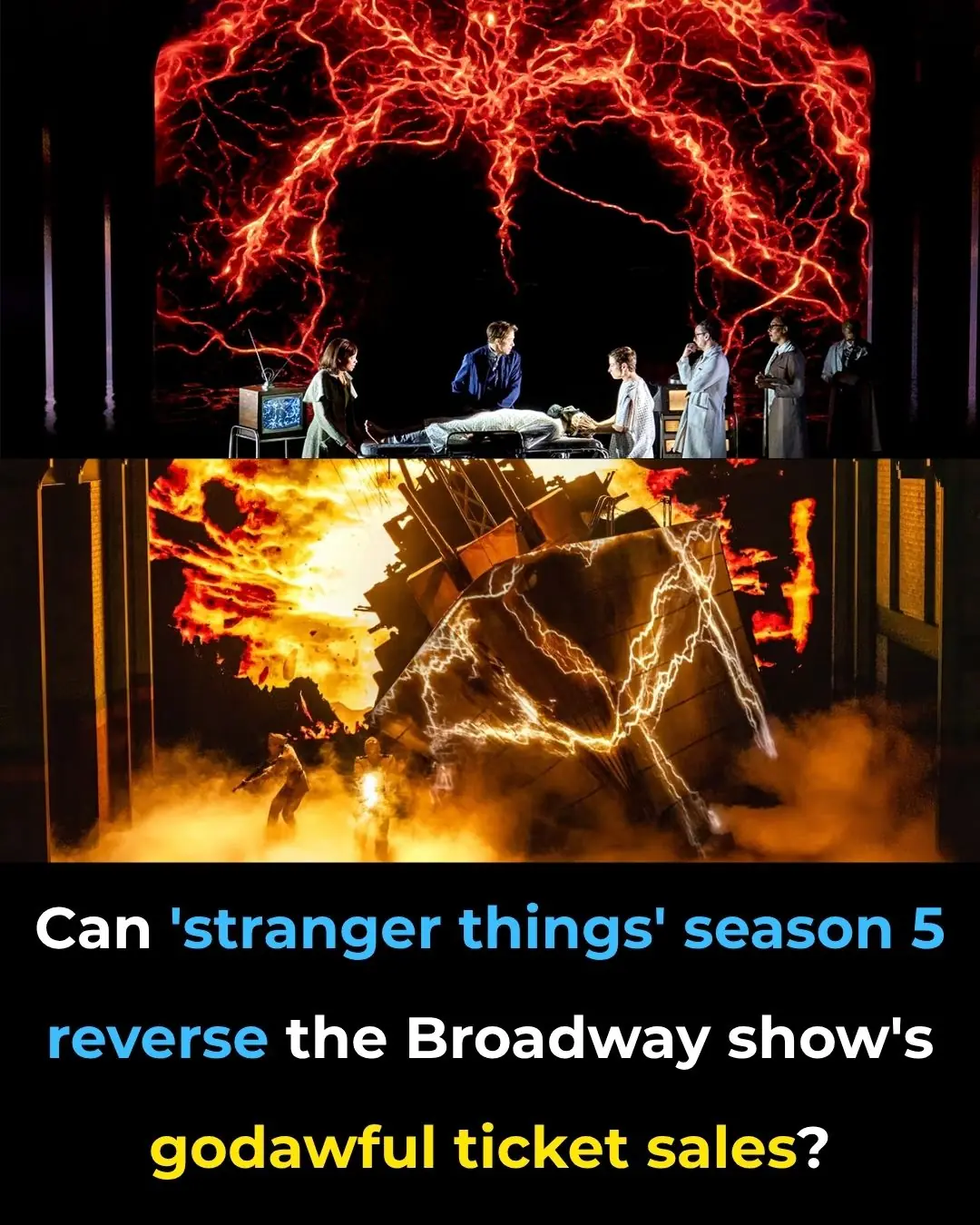
Stranger Things: The First Shadow on Broadway is a dramatic stage play rather than a musical, functioning as a prequel to the hit Netflix science-fiction series by exploring the backstory of established characters like Jim Hopper, Bob Newby, and Henry Crewe in 1959 Hawkins, Indiana.
The theatrical adaptation of the cultural phenomenon Stranger Things has generated considerable discussion among theatergoers and fans of the streaming series alike. A primary point of confusion for audiences planning a trip to the theater centers on the production's format. A common question arises regarding whether the production features song-and-dance numbers: Is Stranger Things on Broadway a musical? The short answer is no, it is a straight play. While the production makes extensive use of cutting-edge stage magic, intricate sound design, and an atmospheric score that mirrors the suspenseful tone of the television series, it does not feature characters breaking into song or choreographed musical routines. Instead, it relies on traditional dramatic storytelling, intense physical theater, and state-of-the-art special effects to immerse audiences in the dark, supernatural lore of Hawkins, Indiana.
Understanding the Format: Straight Play Versus Musical Theatre
To appreciate what to expect inside the theater, it helps to understand the fundamental structural differences between a straight play and a musical. A musical relies fundamentally on songs and musical numbers to advance the plot, express character inner monologues, and punctuate emotional beats. In contrast, a straight play—often simply called a play—tells its story exclusively through spoken dialogue, physical action, and dramatic performance.
Stranger Things: The First Shadow adheres strictly to the dramatic play format. Written by Kate Trefry, based on an original story by the Duffer Brothers, Jack Thorne, and Kate Trefry, and directed by Stephen Daldry with co-direction by Justin Martin, the production is built as a theatrical thriller. The narrative pacing, character interactions, and dramatic tension mirror the structure of a prestige television drama rather than a Broadway musical comedy or a sung-through theatrical spectacle.
This format choice allows the creative team to focus heavily on psychological suspense, deep character development, and intricate special effects without the narrative interruptions characteristic of musical theater. The absence of songs does not mean the production lacks atmosphere. The sonic landscape of the show plays a vital role, utilizing synthesized tones, ambient noise, and orchestral cues designed to evoke the signature electronic soundscape composed by Kyle Dixon and Michael Stein for the original Netflix series.
| Theatrical Element | Stranger Things: The First Shadow (Play) | Typical Broadway Musical |
|---|---|---|
| Primary Storytelling Medium | Spoken dialogue and physical acting | Sung lyrics, musical numbers, and spoken dialogue |
| Musical Presence | Atmospheric underscoring and ambient soundscape | Full cast songs, solo numbers, overtures, and reprises |
| Pacing and Structure | Cinematic dramatic tension, scene-by-scene suspense | Production numbers, emotional ballads, and rhythmic pacing |
| Primary Focus | Psychological thriller, lore expansion, stage illusion | Integrated song-and-dance performance, character arcs through song |
Narrative Scope and Prequel Status
One of the most compelling aspects of the Broadway production is its canonical place within the broader Stranger Things universe. Rather than rehashing the events of the television series or offering a self-contained parody, Stranger Things on Broadway functions as an official prequel. Set in the quiet, unassuming town of Hawkins, Indiana, the story takes place in the year 1959—decades before Will Byers goes missing and Eleven escapes from the laboratory.
The narrative centers on a younger Jim Hopper dealing with high school pressures, a teenage Bob Newby attempting to run his radio show, and a new student named Henry Creel arriving in town with his family. Viewers of the television series will immediately recognize Henry Creel as the boy who would eventually grow up to become Vecna, the primary antagonist of the show's fourth season. The play details the harrowing origin story of Henry's powers, the psychological weight of his upbringing, and the early manifestations of the Upside Down.
Because the production is officially penned and overseen by the creators of the series, the events depicted on stage are considered entirely canon. This structural choice makes the play an essential experience for dedicated followers of the franchise who want to understand the foundational mythology of the Mind Flayer and the supernatural forces threatening Hawkins.
Technical Spectacle and Stage Illusion
While the production is a straight play rather than a musical, it breaks convention by employing a level of technical wizardry and theatrical illusion more commonly associated with high-budget magic shows or blockbuster spectacles. The creative team utilizes a combination of practical effects, projection mapping, illusion design, and stunt choreography to translate the supernatural horror of Stranger Things onto a live stage.
Audiences frequently wonder how a theater can replicate telekinesis, dimensional rifts, and monstrous entities without the aid of cinematic editing or CGI. The production achieves these effects through meticulous stagecraft. Illusions are integrated seamlessly into the dialogue scenes, ensuring that the supernatural elements enhance the dramatic stakes rather than feeling like cheap parlor tricks.
- Practical Special Effects: Physical props and rigging create the illusion of objects moving independently, simulating telekinetic force before the eyes of the audience.
- Lighting and Projection: Advanced lighting grids and immersive projection mapping transform the proscenium arch, altering the physical boundaries of the theater to represent the creeping decay of the Upside Down.
- Sound Design: Spatial audio technology directs sound effects around the auditorium, ensuring that creeping monsters, electrical surges, and eerie whispers feel as though they are originating directly beside or behind audience members.
- Stunt Choreography: Physical theater and precise wirework allow actors to perform gravity-defying sequences, portraying violent supernatural confrontations safely on a nightly basis.
Practical Information for Theatergoers
Attending a performance of Stranger Things: The First Shadow requires some preparation regarding age appropriateness, running times, and theater policies. Because the production adapts the horror and suspense elements of the television series, prospective ticket buyers should consider whether the content is suitable for younger viewers.
The production is generally recommended for ages 12 and up. It contains scenes of theatrical horror, psychological distress, sudden loud noises, flashing lights, and intense dramatic situations that may frighten younger children. Parents and guardians should review the official age advisories provided by the box office before purchasing tickets for minors.
The running time of the show is substantial, typically spanning approximately three hours, including one intermission. This duration accommodates the rich, multi-layered narrative arc required to establish the 1959 setting and develop the complex backstories of the teenage characters. Theatergoers should plan their evening schedules accordingly, ensuring they arrive early to navigate security checks and find their seats before the curtain rises.
Frequently Asked Questions
Does Stranger Things on Broadway feature any songs from the TV show?
No, the production is a straight dramatic play, not a musical. While it incorporates an atmospheric soundscape, ambient electronic music, and subtle cues that pay homage to the iconic theme music of the television series, the actors do not sing or perform musical numbers.
Is Stranger Things on Broadway considered canon to the Netflix series?
Yes. The stage play is an official prequel written in collaboration with the Duffer Brothers and series writer Kate Trefry. The events depicted on stage are part of the official Stranger Things timeline and provide crucial backstory for characters like Henry Creel and Jim Hopper.
Do I need to watch the TV show to understand the play?
While having familiarity with the television series enhances the viewing experience by providing context for the overarching mythology and future fates of the characters, the play is structured to function as a standalone prequel story set in 1959 Hawkins.
What age group is appropriate for Stranger Things on Broadway?
The production is recommended for ages 12 and up due to its intense dramatic themes, theatrical horror elements, flashing lights, and sudden loud noises. Children under a certain age may not be permitted in the theater depending on venue policies.
How long is the performance?
The running time is approximately three hours, which includes one intermission to allow audiences a break during the multi-act dramatic structure.
Summary and Next Actions
For those deciding whether to purchase tickets, understanding that Stranger Things: The First Shadow is a dramatic stage play rather than a musical helps set the right expectations. It is a deeply atmospheric, technically dazzling theatrical thriller that expands the lore of one of modern television's most popular universes. To secure the best experience, verify current ticketing availability through official box office channels, review the venue's entry and security guidelines, and prepare for an immersive three-hour journey into the dark history of Hawkins, Indiana.