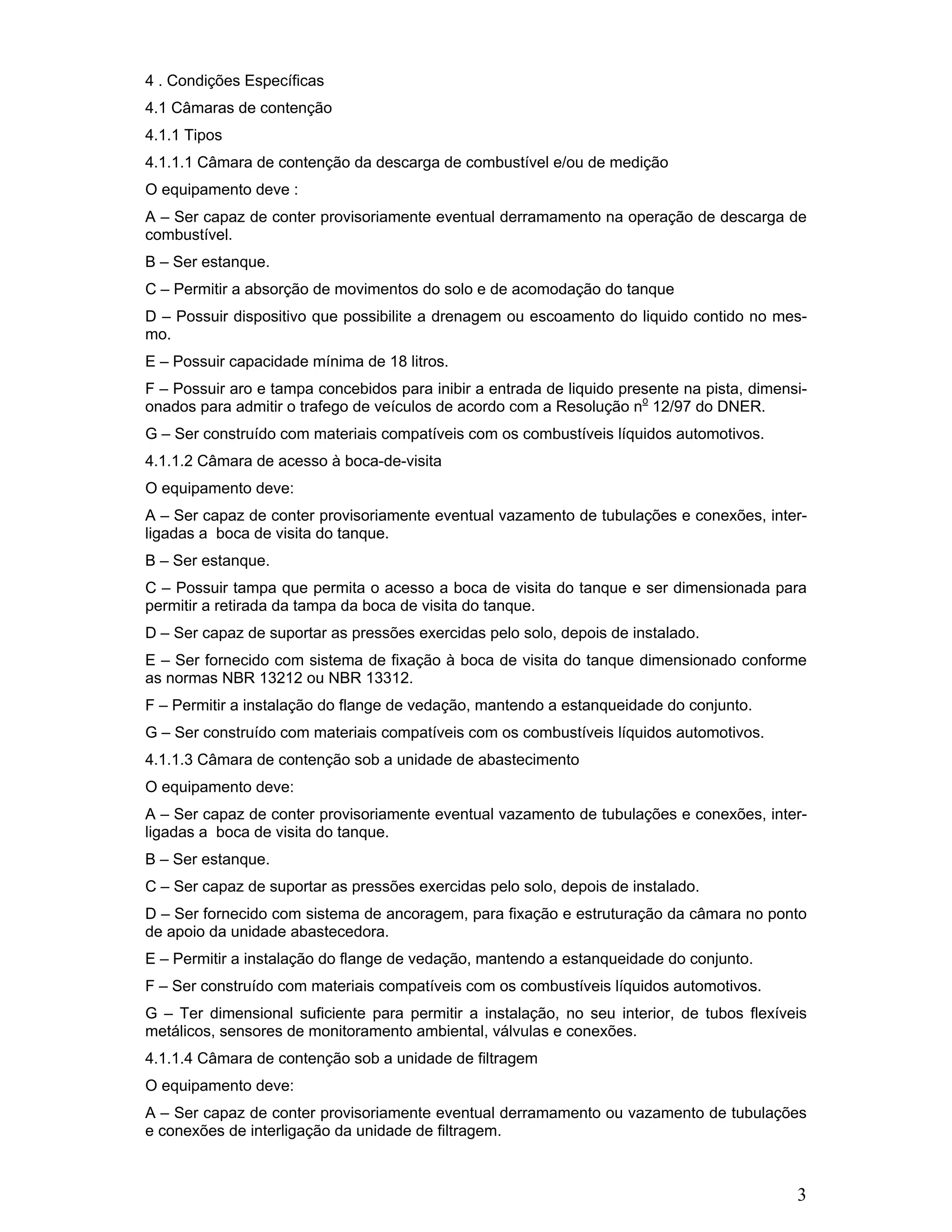
A "1 para 15 pdf reference overview" typically denotes a specific structural citation, legal clause, regulatory subsection, or academic reference style pointing to paragraph 1 or paragraph 15 within a portable document format file. Navigating these precise references requires understanding document hierarchy, utilizing reader navigation tools, and recognizing standard document conventions across legal, administrative, and technical documentation.
Understanding the Anatomy of PDF Paragraph and Clause References
Navigating digital documents—particularly portable document format (PDF) files—often requires pinpointing exact locations within dense text. When a document citation incorporates terms like "1 para 15," it usually signifies a multi-tiered hierarchy. In structured legal drafting, corporate bylaws, technical specifications, and academic manuscripts, documents are divided into chapters, sections, paragraphs, and subparagraphs.
A paragraph reference serves as a precise coordinate system. Instead of citing a page number—which can shift depending on screen resolution, font scaling, and device type—professionals rely on structural elements like paragraphs, clauses, and line numbers. Because PDFs preserve fixed layout formatting, understanding how structural metadata maps to visual pages ensures accurate cross-referencing and compliance with regulatory or academic standards.
Core Components of PDF Document Architecture
To effectively analyze or reference specific sections within a PDF, users must understand the underlying architecture of the file. PDFs are not merely digital sheets of paper; they are structured database-like files containing objects, streams, and cross-reference tables that define text, fonts, vector graphics, and interactive annotations.
- [PDF File Root]
- [Catalog / Document Root]
- [Pages Tree]
- [Page Object 1]
- [Page Object N]
- [Pages Tree]
- [Outlines / Bookmarks Tree]
- [Heading 1]
- [Heading 2 / Paragraph References]
- [Interactive Annotations & Metadata]
- [Catalog / Document Root]
When a PDF contains explicit paragraph numbering, these elements are typically rendered as text streams or tagged PDF elements (Logical Structure). Tagged PDFs contain accessibility and structural metadata that define headings, paragraphs (
tags), lists, and tables. This allows screen readers and advanced text-extraction algorithms to identify whether a specific block of text constitutes paragraph 1, paragraph 15, or an intermediate subsection.
Common Use Cases for Paragraph-Level Document References
Paragraph-specific referencing is standard practice in several high-precision industries. Knowing where and why these references appear helps contextualize their importance.
Legal and Regulatory Compliance
Legal contracts, international treaties, regulatory frameworks (such as financial compliance filings), and court judgments rely heavily on paragraph numbering. Citing "paragraph 15" of a specific document provision prevents ambiguity during litigation, contract negotiation, or audit proceedings.
Academic and Scientific Publications
Journals and institutional review boards often require exact paragraph or section citations when manuscripts undergo peer review. While academic papers traditionally rely on page and line numbers, digital-first preprints frequently use paragraph identifiers to streamline the revision process.
Technical Manuals and Standard Operating Procedures (SOPs)
Engineering blueprints, aviation maintenance manuals, and pharmaceutical manufacturing SOPs utilize rigorous numbering systems. Technicians must verify compliance with exact procedural steps, where missing a nuance in a referenced paragraph can lead to operational failures or regulatory non-compliance.
Methods for Locating and Verifying Specific Paragraphs in PDFs
When presented with a reference pointing to a specific paragraph, manual scrolling through a multi-page document is inefficient. Modern PDF viewing and manipulation tools offer several methods to locate target text quickly.
| Navigation Method | Best Used For | Tool / Software Example | Accuracy & Speed |
|---|---|---|---|
| Advanced Search | Finding specific paragraph numbers or keywords | Adobe Acrobat, Foxit Reader, Preview | High speed; depends on text layer quality. |
| Document Outline / Bookmarks | Navigating structured hierarchical documents | Any standard PDF viewer with sidebar enabled | Moderate to High; relies on author setup. |
| Tagged PDF Navigation | Screen readers and accessibility compliance | JAWS, NVDA, Adobe Accessibility Checker | High structural accuracy for tagged files. |
| Regex Pattern Matching | Bulk analysis of multiple regulatory PDFs | Python (pdfplumber, PyMuPDF), grep |
Maximum precision for automated workflows. |
Step-by-Step Verification Procedure
- Open the Document: Load the target PDF into a standards-compliant viewer.
- Check the Outline Sidebar: Review the Table of Contents or Bookmarks panel to see if the document author created direct links to major sections.
- Execute a Targeted Search: Press
Ctrl + F(Windows) orCmd + F(Mac) and enter search terms such asParagraph 15,Para 15, or the specific section identifier. - Inspect Tagged Structure: If the search yields ambiguous results, open the Tags panel (available in professional PDF editors like Adobe Acrobat Pro) to inspect the structural hierarchy of the document tree.
- Verify Context: Cross-check the surrounding text to ensure the identified block corresponds to the correct contractual clause, statutory provision, or operational instruction.
Troubleshooting Missing or Unsearchable PDF References
A common hurdle when working with PDF reference overviews is encountering scanned documents or flat raster files where text cannot be highlighted or searched.
Optical Character Recognition (OCR) Limitations
If a reference points to a paragraph inside a scanned document, standard search functions will fail because the file consists only of images rather than searchable character streams. To resolve this:
- Run OCR software to generate a text layer beneath the scanned images.
- Verify that the OCR engine correctly interprets numbers and legal symbols (e.g., distinguishing between Roman numerals and Arabic numbers, or capturing superscript/subscript characters).
Corrupted or Missing Document Outlines
If a PDF lacks bookmarks or a structured tag tree, navigation becomes manual. Users can mitigate this by generating a searchable index of the document using desktop search tools or converting the PDF into an editable format (such as Microsoft Word or HTML) to rebuild the structural outline.
Frequently Asked Questions
What does a paragraph-level reference mean in a PDF document?
A paragraph-level reference points to a specific block of text within a structured document, bypassing page numbers that may change across different viewing devices or print configurations. It ensures precise citation in legal, technical, and academic contexts.
Why cannot I search for specific paragraph numbers in some PDF files?
Some PDFs are created from flat image scans rather than text-based sources. Without an underlying text layer or Optical Character Recognition (OCR) processing, search tools cannot index or locate specific paragraph numbers within the file.
How do I check if a PDF has a structured tag tree for navigation?
You can verify document structure by opening the PDF in a professional editor like Adobe Acrobat Pro and inspecting the Accessibility Tags panel, or by using automated PDF validation tools to check for logical reading orders and heading tags.
Are PDF page numbers reliable for legal or academic citations?
Generally, no. Because page breaks shift depending on margin settings, font sizes, and screen resolutions, professional standards favor citing structural units like sections, clauses, and numbered paragraphs instead of page numbers.
What tools are best for extracting text from specific paragraphs in large PDFs?
Programmatic tools such as Python libraries (PyMuPDF, pdfplumber, or pdfminer.six) allow developers and researchers to extract text bounded by specific structural coordinates or paragraph tags across large document repositories.
Final Recommendation
When working with complex documents requiring precise cross-referencing, always verify that your PDF viewer has access to searchable text layers and structured bookmarks. For legal or regulatory compliance, prioritize documents that utilize tagged PDF architecture to ensure that every referenced paragraph can be audited and verified without ambiguity.