Securing life insurance after turning 70 is entirely achievable, though it requires navigating specific policy types, medical underwriting criteria, and distinct cost structures compared to younger age brackets. Seniors over 70 typically look for coverage to cover final expenses, pay off remaining debts, or leave a financial legacy, making a clear understanding of available paid life insurance options essential for smart financial planning in 2026.
As individuals enter their seventies, the insurance market shifts significantly. Traditional term life insurance becomes prohibitively expensive or unavailable due to maximum age limits, while permanent options like whole life and simplified issue whole life gain prominence. Understanding how these products work, what they cost, and how to qualify helps older adults and their families make informed choices without falling for misleading marketing or selecting inappropriate coverage.
The Landscape of Life Insurance for Seniors Over 70
Navigating the life insurance market in your seventies requires a shift in perspective. When you are younger, insurance is primarily designed to replace lost income and fund long-term obligations like a mortgage or children's education. For seniors over 70, the objective shifts toward estate planning, final expense mitigation, and protecting surviving spouses from sudden financial shocks.
Insurance carriers evaluate risk differently for this age group. Mortality tables dictate that the probability of a claim increases significantly, which naturally drives up premium costs. Consequently, policies are structured differently. You will find that most term policies expire by age 80 or 85, making permanent insurance—policies that do not expire as long as premiums are paid—the dominant choice for this demographic.
Why Age 70 Marks a Turning Point in Underwriting
Age 70 represents a critical threshold for life insurance underwriters. At this stage, chronic health conditions such as hypertension, type 2 diabetes, and high cholesterol become more common. Underwriters closely scrutinize medical histories, prescription drug usage, and lifestyle factors.
Furthermore, the type of underwriting changes. While younger applicants routinely undergo rigorous paramedical exams involving blood draws and urine samples, seniors over 70 often have access to accelerated underwriting or simplified issue products. These alternatives rely on electronic databases, prescription checks, and medical questionnaires rather than physical fluids, though they usually carry higher price tags to offset the insurer's risk.
Primary Types of Life Insurance Available After 70
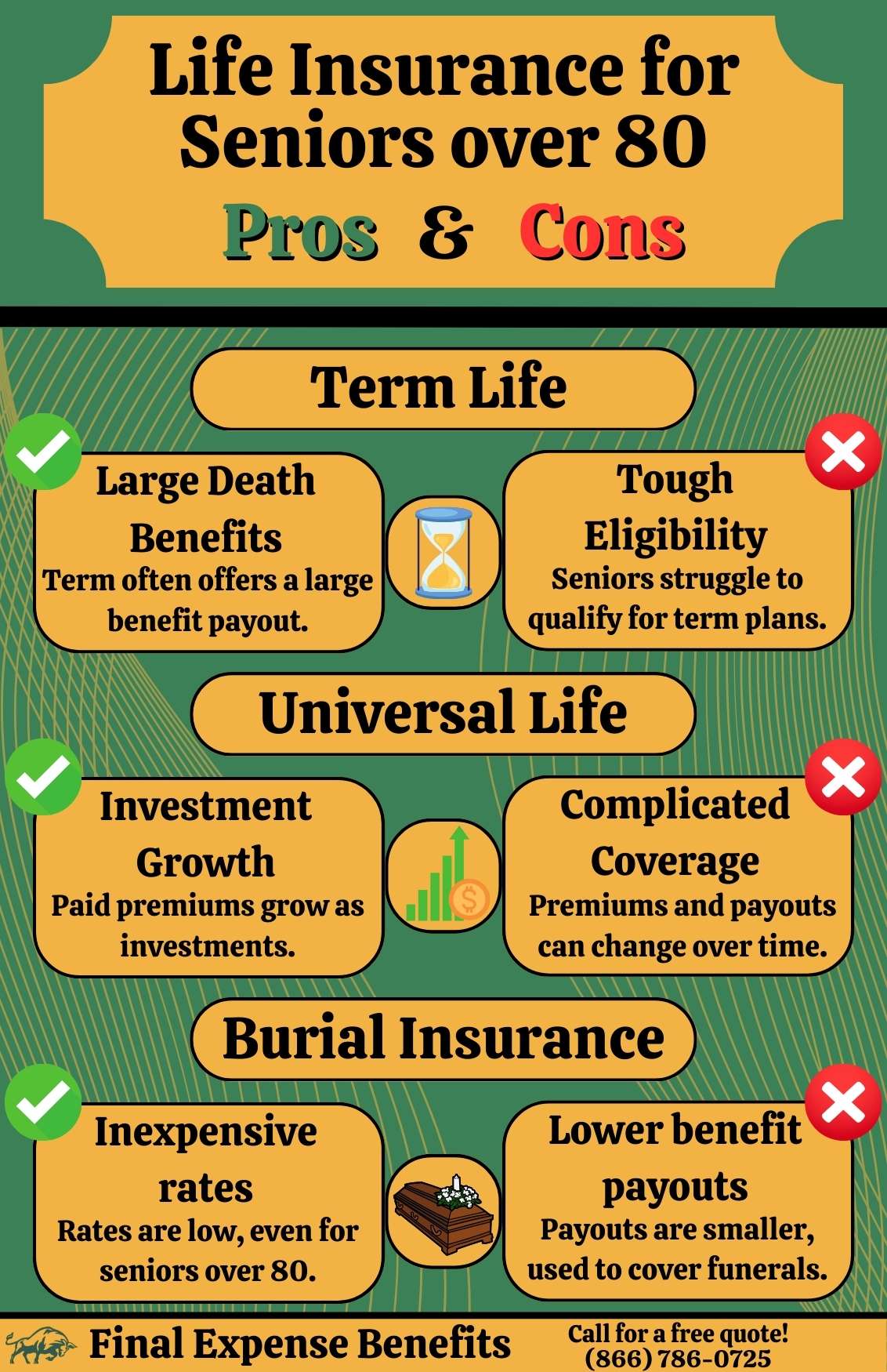
When shopping for coverage, seniors generally encounter three main categories of paid life insurance: whole life insurance, universal life insurance, and final expense (or burial) insurance. Each serves a distinct purpose and comes with specific financial commitments.
Whole Life Insurance
Whole life insurance provides lifelong coverage with fixed, level premiums that never increase. It also builds cash value over time at a guaranteed rate.
- Pros: Guaranteed death benefit, fixed premiums, and predictable cash accumulation.
- Cons: Higher initial cost compared to term insurance; less flexibility if financial circumstances change.
Universal Life Insurance
Universal life is a form of permanent insurance that offers flexible premiums and adjustable death benefits. Part of the premium goes into a cash value account that earns interest.
- Pros: Premium flexibility allows policyholders to adjust payments if cash flow fluctuates.
- Cons: If interest rates drop or cash value is depleted, premiums may need to increase significantly later in life to keep the policy active.
Final Expense Insurance
Also known as burial insurance, this is a smaller whole life policy—typically ranging from $5,000 to $25,000—designed specifically to cover funeral costs, medical bills, and minor debts.
- Pros: Easy to qualify for, often requires no medical exam, and acceptance is high.
- Cons: Higher cost per thousand dollars of coverage compared to standard whole life policies.
Comparison of Life Insurance Options for Seniors Over 70
Evaluating the right policy requires balancing cost, coverage amount, and medical requirements. The following table outlines the key differences between the primary life insurance products available to seniors over 70.
| Policy Type | Typical Coverage Amount | Premium Structure | Medical Requirements | Primary Use Case |
|---|---|---|---|---|
| Traditional Whole Life | $10,000 – $100,000+ | Fixed and level for life | Medical exam or detailed questionnaire | Long-term legacy and estate planning |
| Simplified Issue Whole Life | $5,000 – $25,000 | Fixed and level for life | Health questionnaire, no medical exam | Quick approval for final expenses |
| Guaranteed Issue Life | $2,000 – $25,000 | Fixed and level for life | None (guaranteed acceptance) | Severe health issues requiring burial coverage |
| Term Life (10-Year) | $50,000 – $250,000+ | Level during term, expires at age 80+ | Medical exam required | Temporary debts or short-term income protection |
Medical Underwriting and Eligibility Requirements
Qualifying for life insurance after 70 depends heavily on your current health status and medical history. Insurance companies categorize applicants into health tiers—such as Preferred, Standard, or Substandard—which directly dictate the premium rates you will pay.
Medical Exams vs. No-Exam Policies
Many seniors prefer to avoid medical exams. No-exam policies, such as simplified issue and guaranteed issue insurance, offer a streamlined application process. However, convenience comes at a financial cost.
- Simplified Issue: Requires answering health questions. If you have managed conditions, you may still qualify.
- Guaranteed Issue: Asks no health questions and cannot be denied based on medical history. However, these policies usually feature a "graded death benefit," meaning if you pass away from natural causes within the first two or three years of the policy, your beneficiaries receive a refund of premiums plus interest rather than the full face value.
Managing Pre-Existing Conditions
Having a chronic condition does not automatically disqualify a senior from getting coverage. Underwriters look at how well-managed a condition is. For example, well-controlled hypertension or high cholesterol with stable medication history may still allow an applicant to secure standard rates. Conversely, recent heart attacks, strokes, or active cancer treatments will require specialized high-risk carriers or waiting periods before standard permanent policies become accessible.
Cost Factors and Financial Planning for Seniors
Life insurance premiums for seniors over 70 reflect the shorter life expectancy associated with this age bracket. A policy that costs $50 a month for a 40-year-old might cost $250 to $500 a month for a 70-year-old purchasing the same death benefit amount.
What Drives the Cost?
- Age and Gender: Men generally pay higher premiums than women of the same age because statistical life expectancy is shorter.
- Coverage Amount: Higher death benefits require higher risk exposure for the insurer, increasing monthly or annual premiums.
- Health and Lifestyle: Tobacco use, high body mass index (BMI), and chronic illnesses increase costs significantly.
- Policy Type: Permanent policies with cash value growth cost more than temporary term policies.
Budgeting for Paid-Up Policies
Many seniors on fixed retirement incomes worry about outliving their ability to pay premiums. To mitigate this, some choose policies with a "limited pay" rider, which allows them to pay off the entire policy over a compressed timeframe (such as 10 years or until age 80), after which the coverage remains active for life without any further payments required.
Common Mistakes to Avoid When Buying Senior Life Insurance
Purchasing life insurance later in life involves unique pitfalls. Avoiding these common mistakes ensures you secure the right coverage without wasting money.
- Buying Too Much Coverage: Seniors rarely need hundreds of thousands of dollars in coverage unless they have estate tax liabilities or a dependent with special needs. Calculate actual final expenses and immediate debts to avoid over-insuring.
- Ignoring the Graded Death Benefit Clause: Failing to read the fine print on guaranteed issue policies can leave beneficiaries unprotected if the insured passes away within the initial two-year waiting period.
- Falling for Term Policies That Expire Too Soon: Purchasing a 10-year term policy at age 75 means the coverage expires at 85—precisely when the risk of mortality is highest and replacement coverage is nearly impossible to secure.
- Failing to Compare Multiple Carriers: Rates vary drastically between insurance companies for identical coverage. Working with an independent broker who can shop multiple carriers prevents you from overpaying.
Frequently Asked Questions
Can a 70-year-old qualify for standard term life insurance?
Yes, some carriers offer 10-year term policies to healthy 70-year-olds. However, premiums rise sharply, and the policy will expire by age 80, meaning it will not provide lifelong protection.
Do I need a medical exam to get life insurance in my seventies?
Not necessarily. Many insurance companies offer simplified issue and guaranteed issue whole life insurance products that eliminate the need for physical exams, relying instead on health questionnaires or automatic acceptance.
What is a graded death benefit?
A graded death benefit is a clause common in guaranteed issue policies. If the insured dies from natural causes within the first two or three years of policy ownership, the insurer refunds the paid premiums plus interest rather than paying the full face value. Accidental death is typically covered immediately.
How much final expense insurance do I need?
Most funeral and burial costs range between $7,000 and $15,000, factoring in services, caskets, plots, and related fees. Purchasing a policy within the $10,000 to $20,000 range usually covers these expenses comfortably while leaving a small cushion for uncovered medical bills.
Can I get life insurance if I have diabetes or high blood pressure?
Yes. Well-managed chronic conditions like controlled diabetes or hypertension frequently qualify for standard or slightly rated permanent life insurance policies, provided there are no secondary complications.
Next Steps and Actionable Guidance
Securing life insurance after 70 begins with a realistic assessment of your financial goals and current health status. First, calculate the exact financial obligations you wish to cover—such as funeral costs, outstanding credit card balances, or medical debt. Second, obtain quotes from multiple independent insurance agents who specialize in senior products to compare rates across different carriers. Finally, review your health history and choose the underwriting path—fully underwritten, simplified issue, or guaranteed issue—that matches your medical profile and budget.