In 2010, Kim Kardashian’s attendance at the White House Correspondents' Dinner (WHCD) marked a distinct intersection between the worlds of reality television and Washington political journalism. Accompanied by her mother, Kris Jenner, Kardashian’s presence at the annual gala invited intense media scrutiny, highlighting the shifting definition of celebrity status and the increasing overlap between the entertainment industry and the political elite during the early 2010s.
The Cultural Significance of the 2010 WHCD
The White House Correspondents' Dinner, often colloquially referred to as the "Nerd Prom," has historically served as a bridge between the press corps and the administration. By 2010, however, the guest list had evolved significantly from its origins as a journalistic gathering to a marquee event for Hollywood talent, business moguls, and socialites.
When Kim Kardashian accepted an invitation to the 2010 dinner, it signaled a moment where the "reality star" archetype transitioned into a fixture of mainstream high-society events. At the time, Keeping Up with the Kardashians was gaining substantial traction, and Kim had become a recognizable household name. Her attendance was not merely a personal outing; it served as a litmus test for the cultural zeitgeist of the era, where the boundaries between professional political discourse and popular culture began to blur significantly.
The Logistics of Guest Invites and Media Protocol
For those unfamiliar with the mechanics of the event, the WHCD is organized by the White House Correspondents' Association (WHCA). While the association manages the seating and the event flow, the invitations are largely distributed through media organizations, news outlets, and, occasionally, individual sponsors or political figures who purchase tables.
In 2010, the guest selection process was already drawing criticism from traditionalists who felt that the inclusion of reality stars and pop-culture icons detracted from the seriousness of the event. Media outlets that sponsored tables often sought out high-profile guests to generate "buzz" and increase the media visibility of their specific table, which likely led to the invitations extended to the Kardashian-Jenner family.
Key Requirements and Expectations for Guests
- Formal Dress Code: The dinner is a white-tie or black-tie event. Guests are expected to adhere to high-fashion standards, which in 2010 meant floor-length gowns and sophisticated evening wear.
- Media Interaction: Attendees are expected to engage with the press on the red carpet. For a personality like Kim Kardashian, this was an opportunity to pivot her brand toward a more serious, mainstream demographic.
- Code of Conduct: While the event features a roast-style comedy set, there are strict unspoken rules regarding decorum during the President’s speech and the more formal portions of the evening.
Analyzing the Fashion and Public Reception
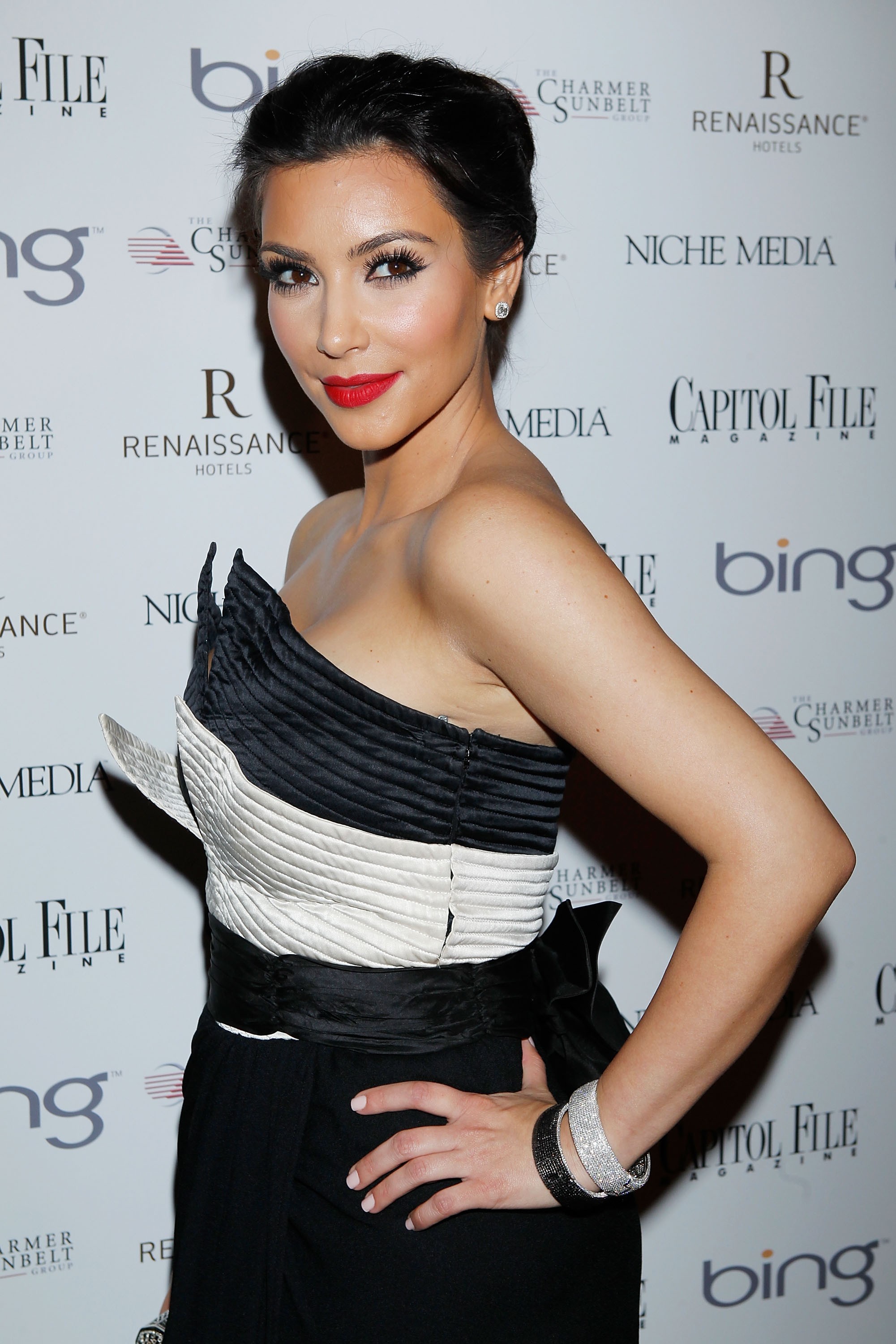
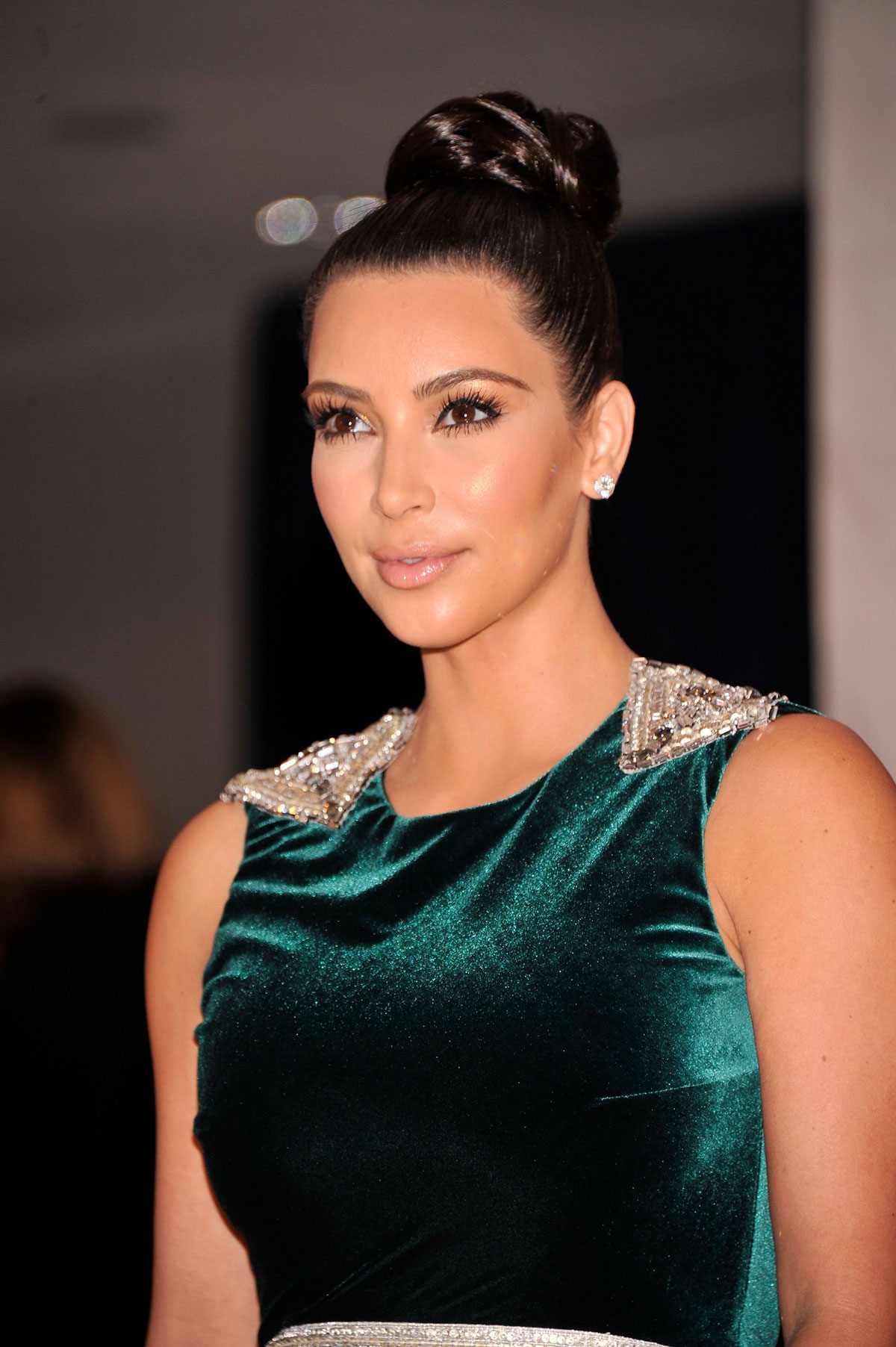
The style choices made by Kim Kardashian at the 2010 dinner were heavily scrutinized by fashion critics and political observers alike. Kardashian opted for a gown that balanced red-carpet glamour with the conservative expectations of a Washington venue. Her appearance on the red carpet was extensively documented, providing a contrast to the typically subdued, dark-suit atmosphere of the capital.
The reception was polarized. For her core fanbase, the appearance was a milestone that cemented her status as a cultural power player. Conversely, traditional political observers voiced concerns that the presence of reality television stars shifted the focus away from the journalistic integrity of the event. This tension highlights a recurring theme in the history of the dinner: the struggle to balance its function as a celebration of the First Amendment and its reality as a high-profile media circus.
Comparative Context: The WHCD Through the Years
To understand the impact of the 2010 event, it is helpful to look at the landscape of the WHCD during that period compared to earlier and later iterations.
| Element | 2010 Context | General Historical Context |
|---|---|---|
| Primary Audience | Journalists and Politicians | News corps and public servants |
| Hollywood Involvement | Growing Presence | Historically minimal |
| Publicity Style | Traditional Press/TV Coverage | Social Media/Instant Viral Sharing |
| Main Objective | Networking/Fundraising | Press advocacy and humor |
In 2010, the "viral" nature of such an appearance was just beginning to take shape. While there were no smartphone-based live streams in the way we use them in 2026, the proliferation of photo blogs and celebrity news sites meant that Kardashian's presence was magnified globally within hours.
Navigating the Evolution of Celebrity Power
The presence of Kim Kardashian in 2010 offers a case study in how public figures leverage high-profile events to expand their personal brand. By participating in an environment as elite and traditionally "serious" as the White House Correspondents' Dinner, she successfully transcended the labels often applied to reality television stars.
This strategy is common in the modern era, where the ability to control one's image in multiple sectors—business, fashion, and politics—is the hallmark of long-term success. For the Kardashian family, the 2010 event was an early indicator of their intent to move beyond the confines of basic cable and enter the spheres of influence that define American pop culture.
Common Misconceptions
Several myths have persisted regarding the attendance of reality stars at political events.
- The "Political Endorsement" Myth: It is often assumed that attendance implies a political endorsement. In reality, most celebrity guests attend at the invitation of media outlets or sponsors, not because they are making a specific political statement or endorsing a particular policy.
- The "Official Host" Confusion: Many believe guests like Kardashian were "official" representatives of the event. In fact, they were guests of individual media outlets and had no role in the production or official program.
- The Event Purpose: Many readers view the dinner as a government event. While it takes place in the nation’s capital, it is entirely produced by the White House Correspondents' Association, an independent non-profit organization.
Addressing Frequent Questions
Did Kim Kardashian’s presence change the tone of the 2010 dinner? While her attendance attracted attention, the actual programming of the dinner remained focused on the President's remarks and the traditional roast of the administration. Her presence was part of the broader, growing trend of celebrity integration that year.
Who invites guests to the White House Correspondents' Dinner? The WHCA invites certain dignitaries, but the bulk of the guest list consists of people invited by media organizations (like CNN, The New York Times, or Fox News) who buy tables and fill them with a mix of journalists, celebrities, and industry guests.
Why was this specific appearance memorable? It was a high-water mark for the intersection of "tabloid" culture and the "D.C." establishment. It validated the idea that reality television had become a permanent part of the American media landscape, no longer relegated to the fringes of pop culture.
How does one get into the WHCD today? As of 2026, the process remains restricted. Tickets are primarily allocated to media organizations. The general public cannot purchase tickets; one must either be a journalist, a guest of a media organization, or a high-level government official to secure an invite.
Did this appearance affect Kardashian's later advocacy? Years later, Kim Kardashian did return to the White House for substantive policy discussions, particularly regarding criminal justice reform. While the 2010 event was purely social, it introduced her to the D.C. environment, providing a foundation for her future professional interactions with the government.
Recommendation for Further Research
For those looking to examine this topic further, it is recommended to review the archives of the White House Correspondents' Association to see the official attendee lists from the 2010 period. Additionally, comparing the 2010 coverage from media outlets like The Washington Post versus entertainment publications like E! News offers a clear view of how differently the two sectors framed her attendance. By analyzing these disparate sources, one can gain a fuller picture of the socio-political climate in 2010.